Newsletters


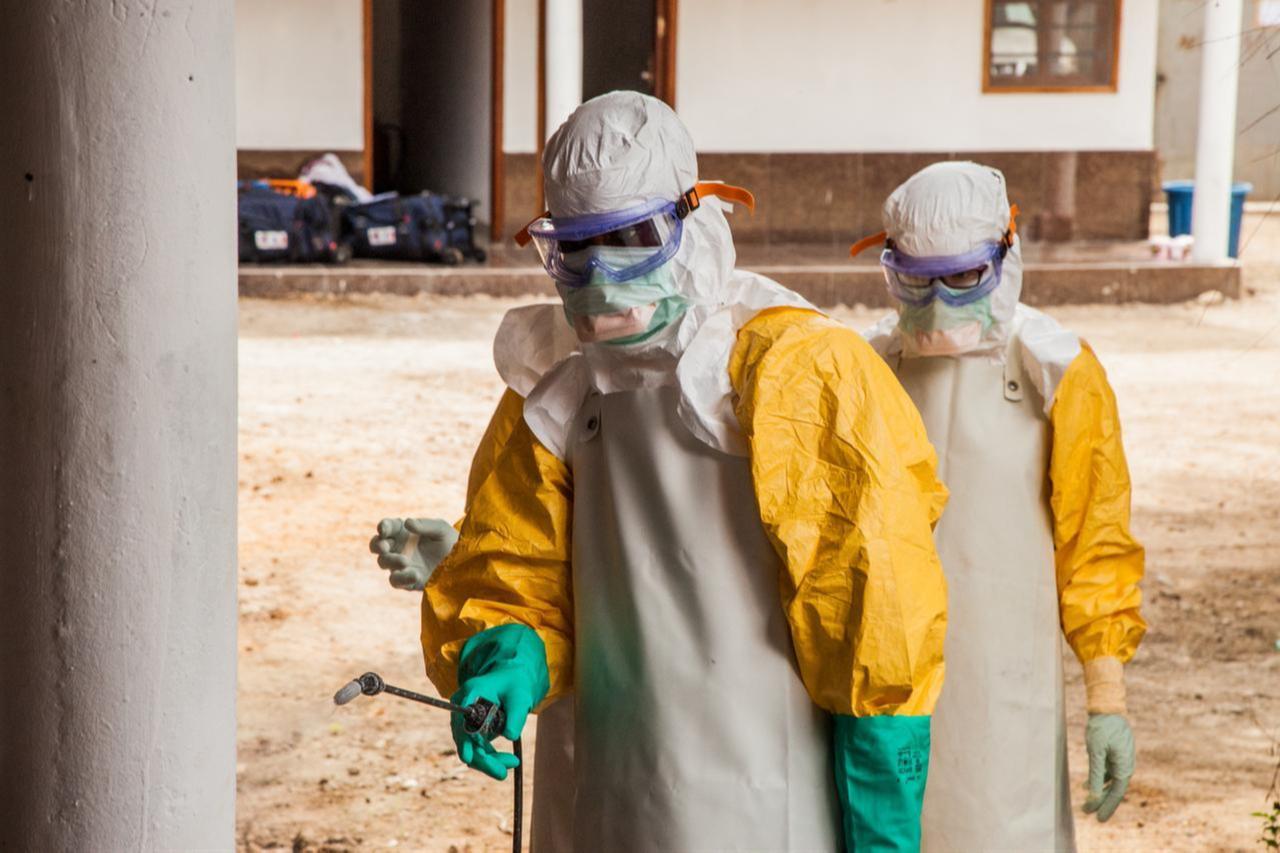


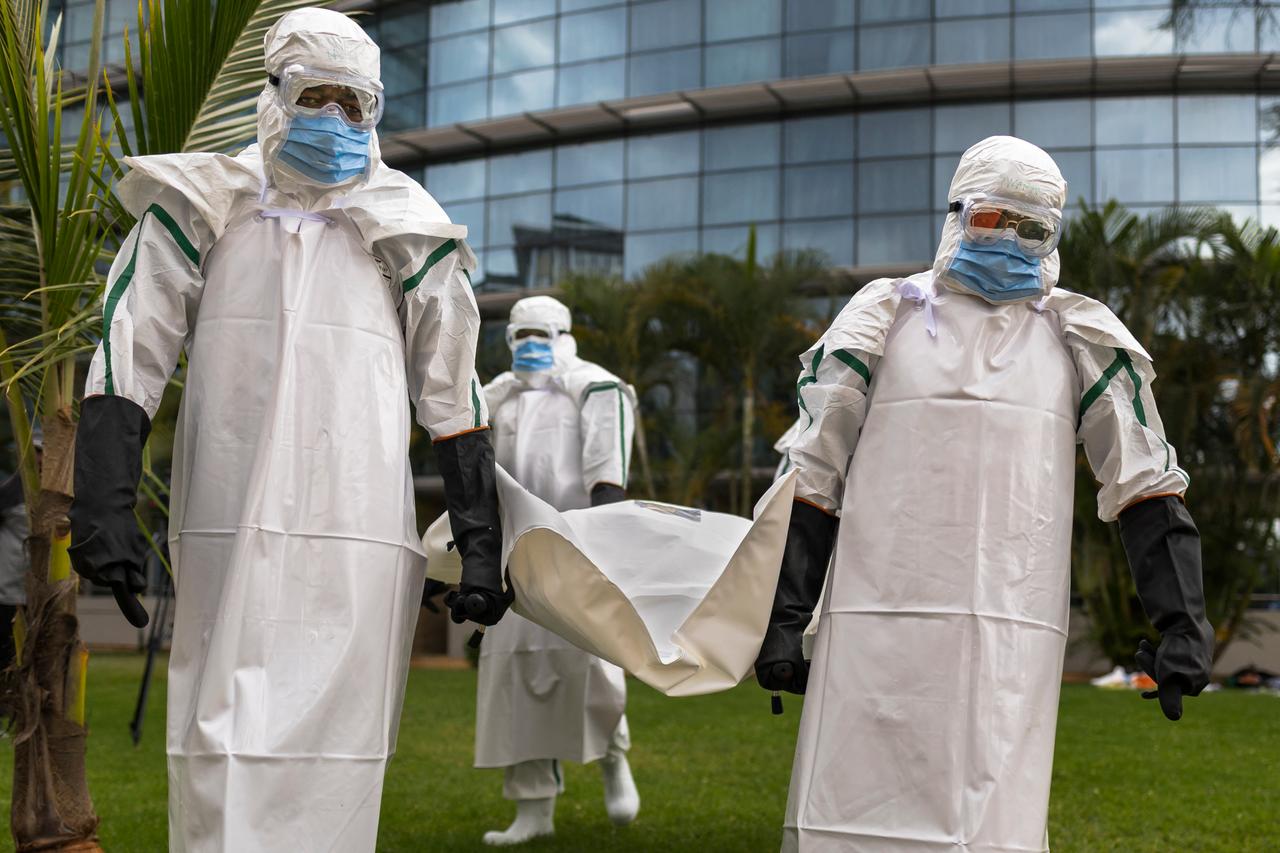
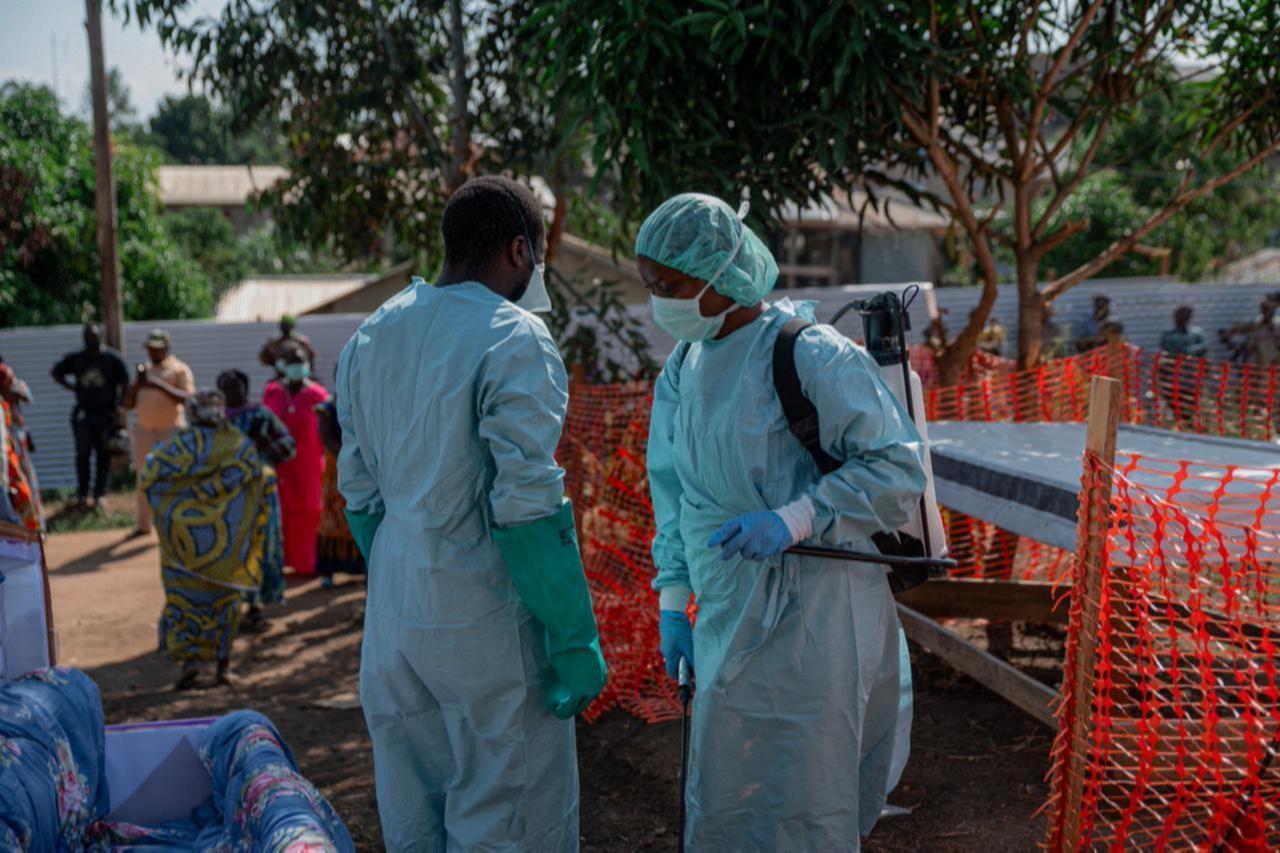
An Ebola outbreak centered in the Democratic Republic of the Congo (DRC) has surpassed 10,000 confirmed cases, becoming the country's deadliest Ebola crisis and the second-largest outbreak globally, as health authorities warn of further international spread.
According to the U.S. Centers for Disease Control and Prevention (CDC), 10,305 confirmed infections and 4,996 confirmed deaths had been reported across affected countries as of Oct. 28, 2026. The DRC accounted for 10,274 infections and 4,992 deaths, with additional cases recorded in Uganda, Kenya, Nigeria and France.
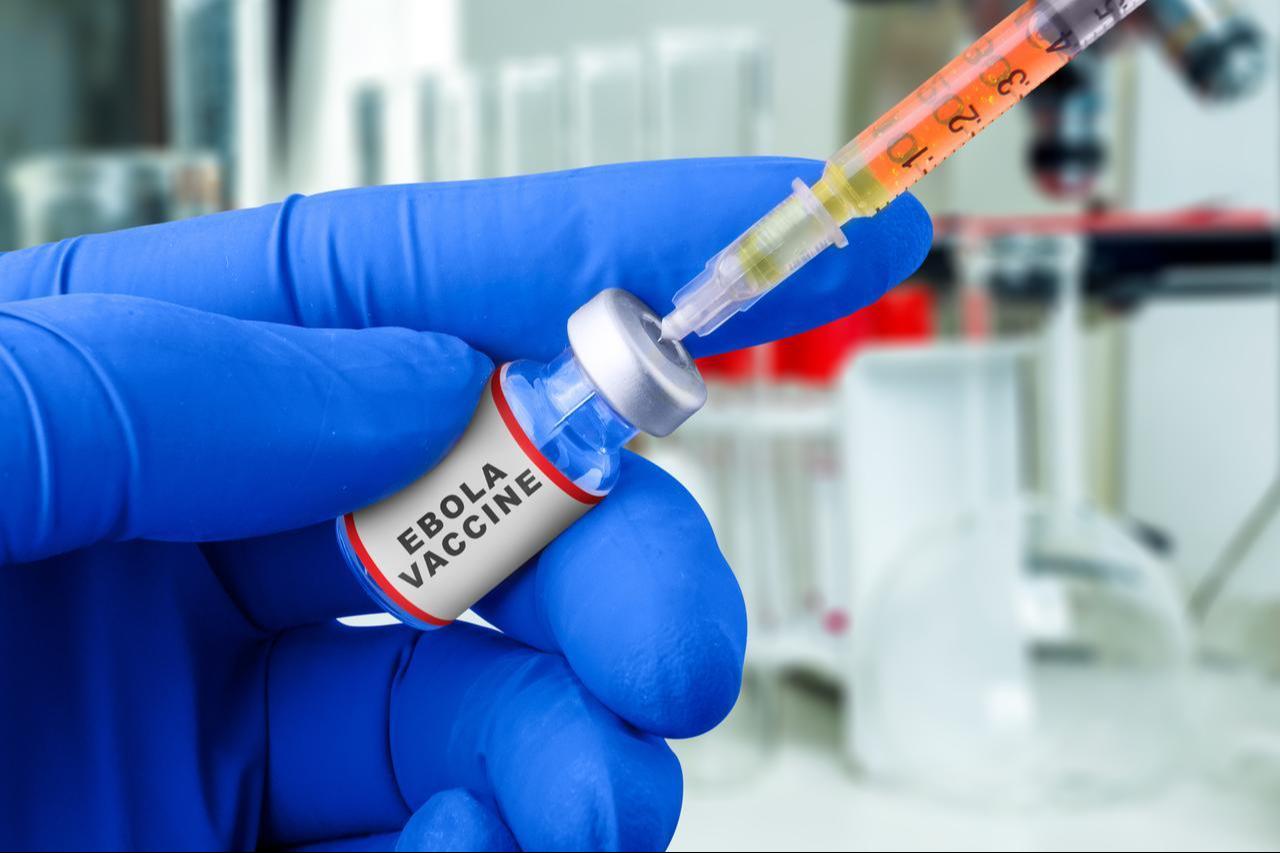
The outbreak involves the rare Bundibugyo strain of Ebola, for which no licensed vaccine or specific treatment is currently available. Its rapid spread has raised concerns about international preparedness, particularly as infected travelers may cross borders before developing symptoms.

Unlike the more widely studied Zaire strain of Ebola, Bundibugyo remains difficult to manage because existing vaccines are not approved for use against it.
First identified in Uganda in 2007, the strain has been associated with fatality rates ranging from 30% to 50% in previous outbreaks. Scientists are working to develop an effective vaccine, with clinical trial findings expected within three to six months, according to the original report.
The disease initially causes flu-like symptoms, including fever, headaches and muscle pain, before potentially progressing to vomiting, diarrhea, internal bleeding and organ failure.
The virus can remain in the body for up to 21 days before symptoms emerge, allowing infected travelers to reach other countries without realizing they have contracted the disease.
Cambridge University virus genomics specialist Charlotte Houldcroft explained that the incubation period generally lasts eight to 10 days but can extend considerably longer.
However, Ebola does not spread as easily through the air as COVID-19. Transmission primarily occurs through direct contact with the blood or bodily fluids of infected individuals, while the risk of transmission increases as the illness progresses.
Cases outside the DRC have reinforced concerns about international transmission, although health authorities have reported recoveries among patients treated in Europe.
The outbreak was officially declared on May 15, nearly three weeks after a healthcare worker in Bunia died on April 24 following fever, vomiting and severe bleeding.
Initial Ebola tests returned negative results because they were designed to detect the Zaire strain rather than Bundibugyo. Healthcare workers consequently suspected other illnesses, including malaria and salmonella infection.
As severe bleeding continued among patients, samples were sent for further laboratory analysis, which eventually identified the Bundibugyo strain.
Investigators believe the virus may have been circulating as early as February around Mongbwalu, a mining town in northeastern Congo.
Africa CDC Director-General Jean Kaseya warned against the false sense of security that characterized the early stages of the COVID-19 pandemic, urging countries to strengthen healthcare capacity and outbreak preparedness.
"Unless appropriate measures are taken, no country is safe," Kaseya warned.
The World Health Organization declared the outbreak a Public Health Emergency of International Concern in May, recognizing the threat of further international transmission and the need for a coordinated response.
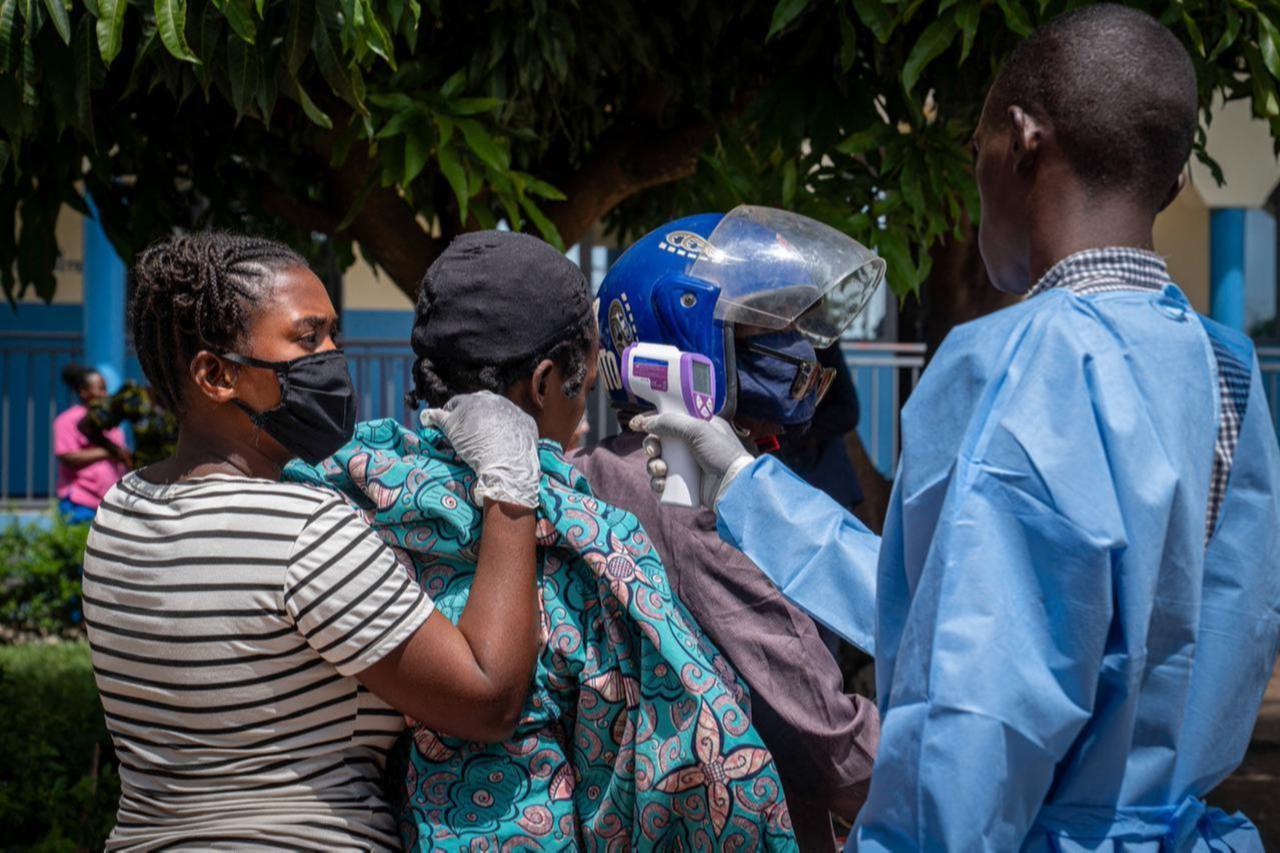
Health authorities have called for stronger surveillance, early detection and patient isolation measures to prevent the regional emergency from escalating further.


 Set as preferred source
 Set as preferred source


 1 min read
 1 min read