Newsletters





For years, English has been the main second language in Türkiye, seen as a basic requirement for white-collar jobs and moving abroad. Now, that is changing.
Turkish learners are showing strong interest in two other languages: German, because of job and migration opportunities, and Korean, thanks to the worldwide popularity of Korean pop culture.
These trends are changing how people in Türkiye approach language learning.
The growing demand for German courses in Türkiye comes from practical reasons.
Germany has made it easier to immigrate to fill a shortage of skilled workers, creating new opportunities for doctors, engineers, software developers, and healthcare workers.
For Turkish professionals in these areas, knowing German is now a requirement rather than just a bonus.
One of the most popular options is the Ausbildung, Germany's dual vocational training system. It lets people earn a salary while learning a trade.
To join these programs, applicants usually need at least a B1 or B2 level of German. This requirement has led many people to sign up for language courses. Industry experts say classes are filling up fast, especially for those in engineering and healthcare who want to get German visas.
The way German higher education is funded also matters. State universities in Germany do not charge tuition fees, so the country is appealing to Turkish students who want to study abroad without taking on a lot of debt. For these students, learning German is not just about culture; it is a smart investment.
This change shows a bigger shift in how people see English. Experts say that being fluent in English used to set people apart, but now it is just seen as a basic skill. In this situation, learning German has become the next practical step for those who want to work in Europe.
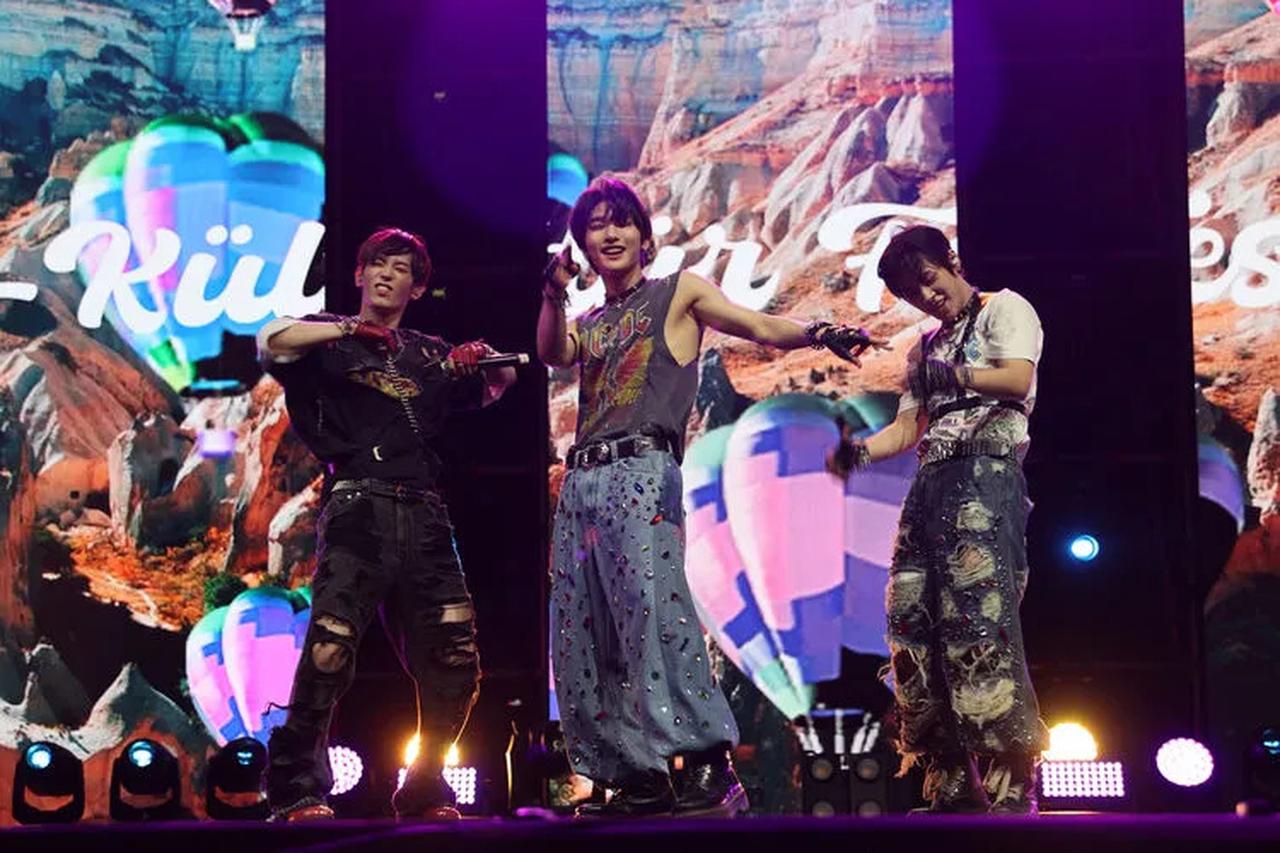

While people are learning German for work, Korean is popular for its cultural appeal. Interest in Korean has grown quickly among young people in Türkiye, especially among Gen Z. This is largely due to the worldwide popularity of Korean pop culture, known as Hallyu.
K-pop groups with fans around the world and popular K-drama series have led to the emergence of a generation of Turkish fans who are very interested in Korean culture.
For many of them, learning Korean is a natural next step. It lets them enjoy content in its original language, join fan communities, or explore their personal interests more deeply.
One reason why interest in Korean has quickly turned into actual enrollment is a language advantage. Turkish and Korean have similar grammar.
Both are agglutinative languages, meaning they build meaning by adding suffixes to root words rather than changing word order or using separate words.
Because of this, Turkish speakers often find Korean grammar easier to understand, making the language seem less difficult and more approachable to learn.
These trends show that language learning in Türkiye is now split by motivation.
People choose German when making careful, long-term plans for work and living abroad. Others choose Korean because of their interest in the culture. Both choices are different from the past, when most people focused only on English.
Together, they show how economic and cultural changes are shaping how people in Türkiye connect with the world.


 Set as preferred source
 Set as preferred source



 2 min read