Newsletters


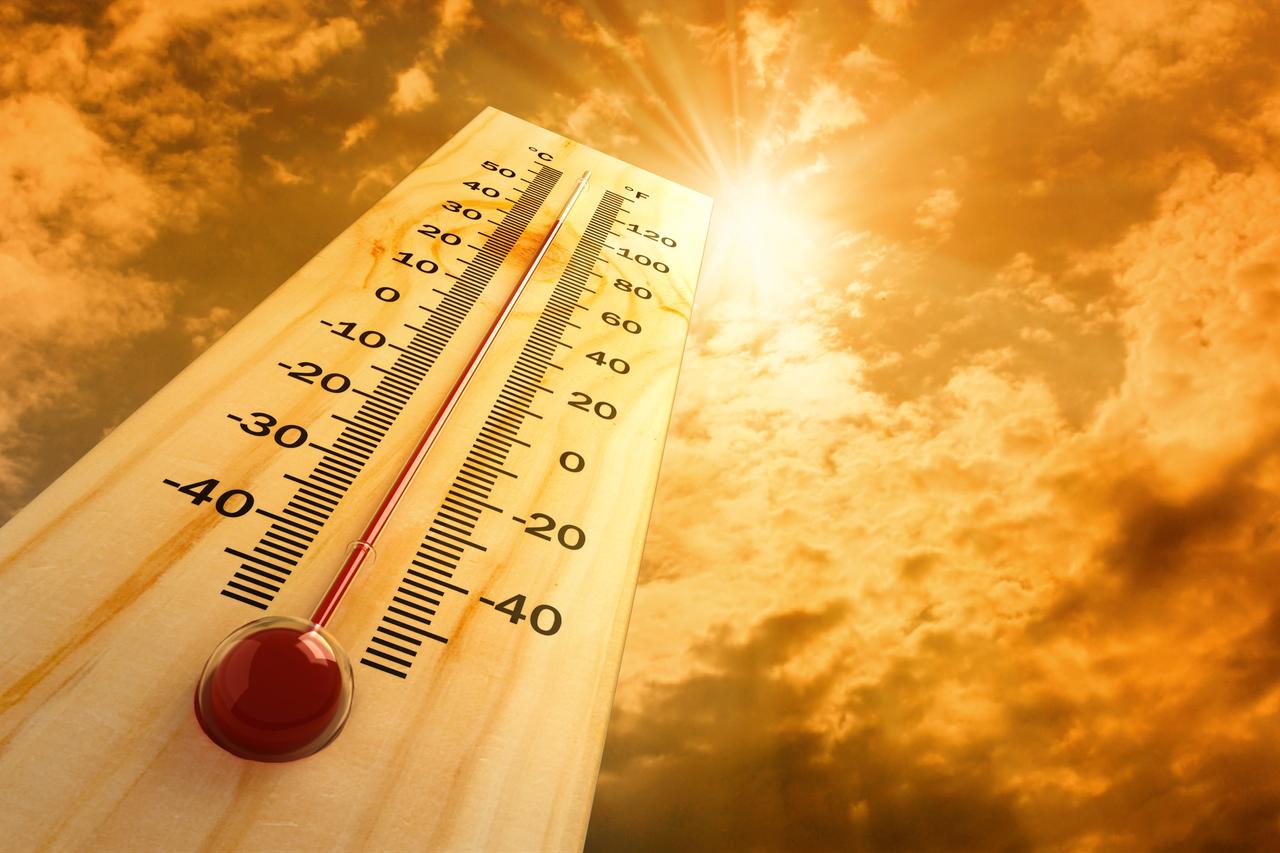


A new study from the University of California, Santa Barbara, has found that extremely hot and humid conditions during pregnancy could severely affect child growth, particularly in South Asia.
Published in Science Advances, the research suggests that previous assessments have underestimated the health risks posed by extreme weather. Humidity intensifies the effects of heat, as the human body relies on sweating to cool down, and high humidity slows this process.
Pregnant women are especially susceptible to heat stress due to physiological changes and added weight. Lead author Katie McMahon emphasized that “extreme weather harms many more people than it kills,” highlighting that focusing only on mortality overlooks broader, long-term effects on health and development.
 1 min read

Researchers analyzed height-for-age ratios in children under 5, a standard measure of chronic health and nutritional status. They discovered that children exposed to high heat and humidity during all trimesters of pregnancy were, on average, 13% shorter than expected for their age.
By contrast, exposure to high temperatures alone corresponded to only a 1% reduction in height. The study used wet-bulb globe temperature, which accounts for heat, humidity, sunlight and wind, to more accurately measure the environmental stress experienced by the body.
The findings carry alarming implications. If high-emission scenarios continue, more than 3.5 million children in South Asia alone could face stunted growth by 2050. Even if global warming is limited to 2°C above pre-industrial levels, deadly heat events are expected to occur annually in the region, compounding risks for maternal and child health.


 Set as preferred source
 Set as preferred source



 1 min read