Newsletters


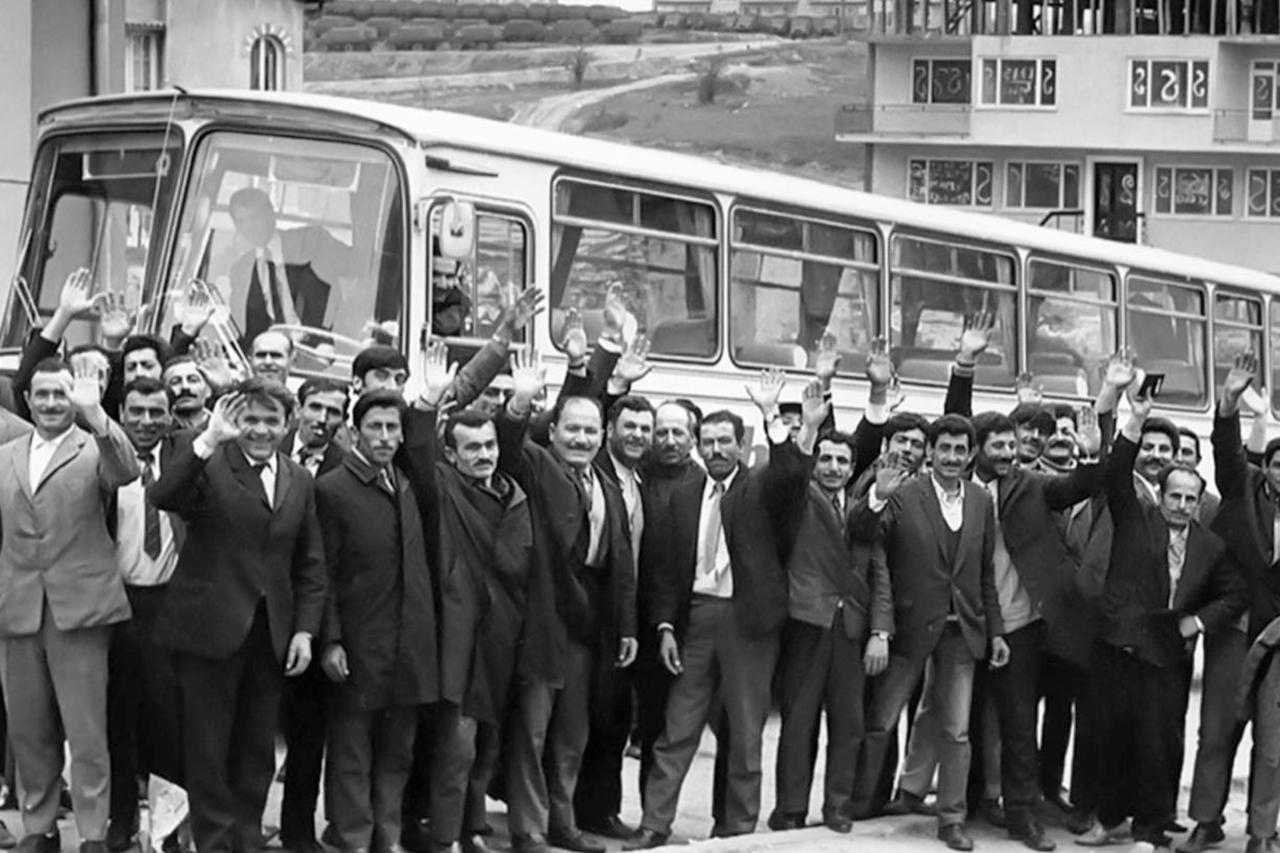


Germany’s first generation of Turkish workers reflected on the lives they built in the country as it commemorated the 65th anniversary of the Labor Agreement signed with Türkiye on Oct. 30, 1961.
Many of those who arrived to work in factories, construction, and other sectors initially expected to stay only briefly and long hoped to return home. However, they stayed on for the sake of their children’s education and their families’ future, and that generation is now giving way to its descendants.
The agreement was reached as West Germany’s rapid economic growth in the 1950s drove up demand for labor, following similar deals with Italy in 1955 and with Spain and Greece in 1960.
Many Turkish workers later chose to settle and bring their families over, transforming a migration meant to cover a short-term labor shortage into a permanent social change. Recruitment of foreign workers ended on Nov. 23, 1973, following the oil crisis, but arrivals continued through family reunification and the growth of subsequent generations.
According to Germany’s Federal Statistical Office, about 2.6 million people of Turkish origin live in the country as of 2025, making up roughly 3.2% of the population. Around 125,000 members of the first generation are still alive, and 61% of those aged 15 to 64 who migrated from Türkiye are employed. About 72% of the community lives in four states, with North Rhine-Westphalia home to the largest share at 32%.


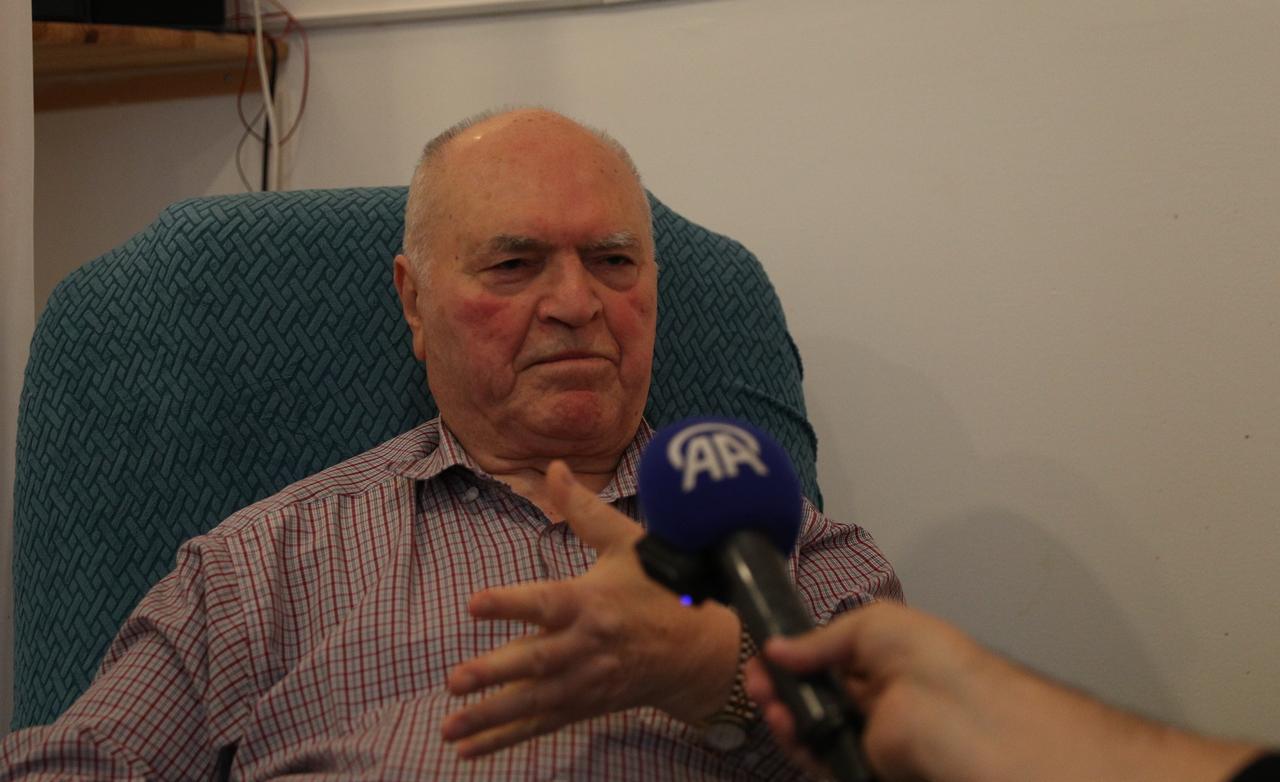
Ibrahim Sunar, 77, from the southern city of Adana, arrived in 1973 after being chosen as one of 12 candidates from about 200, and he traveled by train from Istanbul. A teacher in Türkiye, he said he came not only to work but to learn about another country’s culture, and he never intended to save money and return.
He recalled that relations with local people were good at first. “Back then, communication with the local people was very good; they considered us one of them. Now it’s different,” he said.
Today, he added, he faces difficulties in public offices, hospitals and social life, while higher electricity, gas, rent and food prices make life harder for retirees. He also said foreign employees were dismissed at his workplace after German reunification in 1990, and that he met a negative attitude at a labor court because he was a foreigner. Even so, he said he was satisfied with his decision, as he had come to compare the culture, civilization and order of other countries with those of Türkiye.
Sunar urged families to keep the Turkish language alive by teaching it at home, noting that his two children, born in Germany, learned it well because the family spoke it daily.
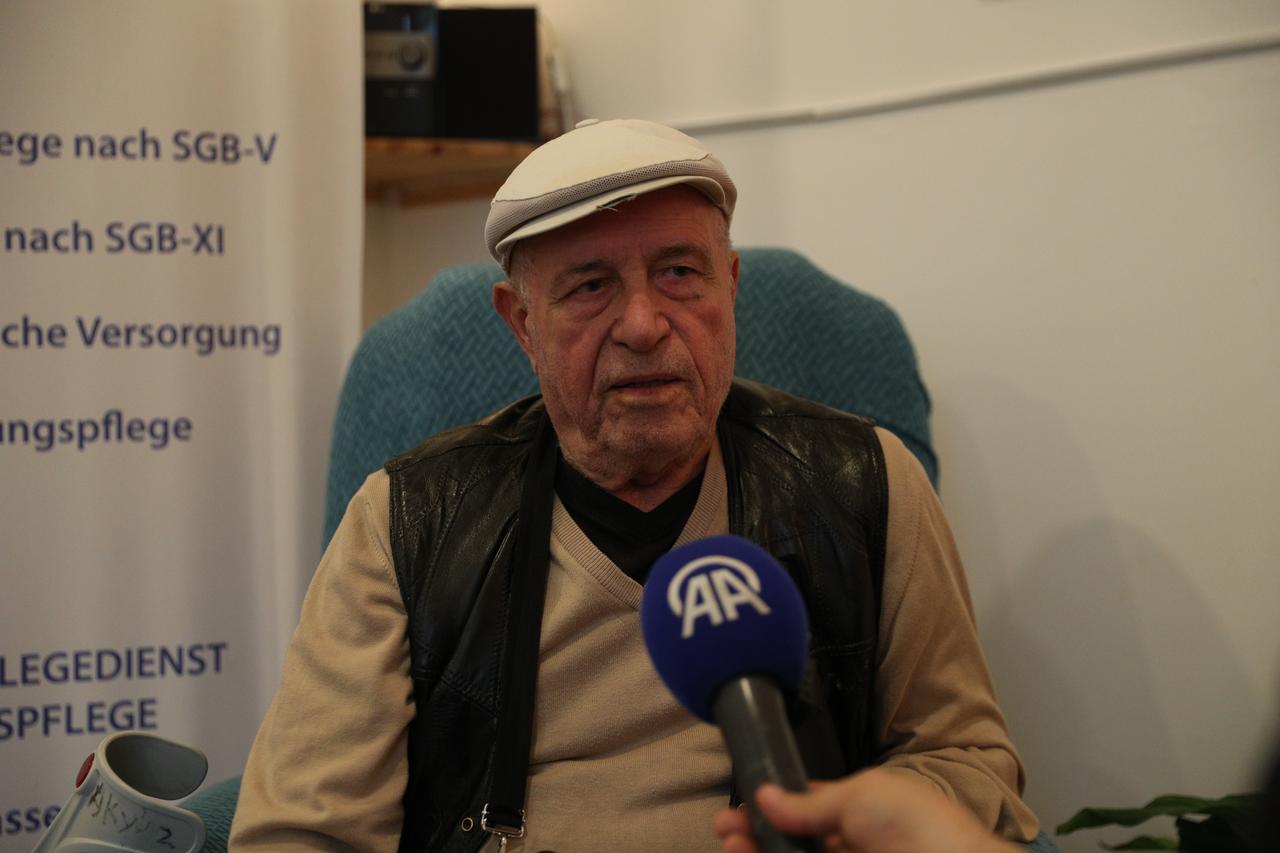
Kadir Akyuz, 90, from the Black Sea city of Trabzon, came to Germany in 1963 on a friend’s advice. He did not speak the language at first, but he later learned German and worked as an interpreter, helping Turkish workers solve everyday problems. He said the first arrivals struggled most with language, housing and official procedures, and that even the use of toilets in some dormitories caused difficulties.
In Berlin, Akyuz helped found a Turkish association and served as its deputy chairman, preparing Turkish-language publications. He also helped about 50 relatives and acquaintances move to Germany, and he raised two sons and a daughter there after meeting his wife in the city.
“I worked in Germany for many years. A large part of my family and relatives built a life here. Migration to Germany led to a permanent transformation in our lives,” he said.
Ayten Aslan, who runs a home care service in Berlin for elderly first-generation Turks, said the community is now reaching an age when it needs support. Her service, which she set up about 25 years ago, looks after elderly people at home.

She said her own parents once planned to go back to Türkiye but stayed for her education and future, and that the first generation worked in very hard conditions, with limited language skills and little knowledge of their rights.
“Thanks to their labor, the second generation lived much more comfortably,” she said, adding that the first generation lived with a longing for Türkiye, their children and their parents.


 Set as preferred source
 Set as preferred source


 2 min read

 1 min read