

 Newsletters





A man in the United States went 271 days without needing dialysis following a transplant with a genetically modified pig kidney, before successfully transitioning to a kidney from a human donor, a milestone described as a first in transplant medicine.
Tim Andrews of New Hampshire, who was 66 at the time of the procedure, had developed end-stage kidney disease linked to type 2 diabetes. He received the pig kidney at Massachusetts General Hospital in January 2025 under the U.S. Food and Drug Administration's expanded-access program, which permits experimental treatments for patients with serious conditions and limited alternatives.
The organ functioned immediately and allowed Andrews to stop dialysis for 271 days, according to a study published Thursday in the medical journal The Lancet.
Researchers described it as the longest documented dialysis-free survival following a pig kidney transplant in a living person and the first successful transition from a pig organ to a human kidney transplant.
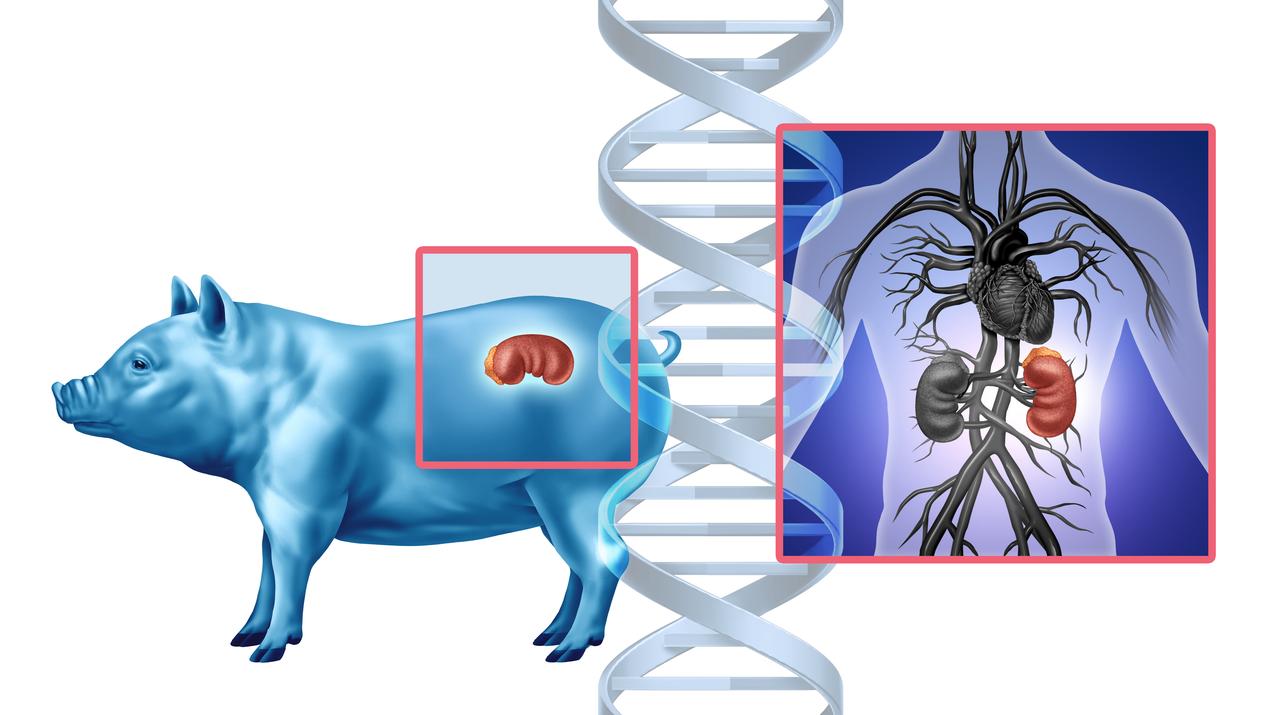
The kidney came from a Yucatan miniature pig and had undergone 69 genomic modifications intended to reduce the risk of immune rejection and prevent the transmission of pig viruses.

During the transplant period, Andrews was monitored for kidney function, rejection, antibody development and possible pig-to-human infections. An early episode of T-cell-mediated rejection was successfully treated, and no pig viruses or other pig pathogens were detected, researchers said.
After about six months, doctors reduced Andrews' immune-suppressing medication while treating an infection. The pig kidney subsequently developed inflammation and damage to its small blood vessels, eventually leading to organ failure.
The kidney was removed after 271 days, and Andrews temporarily returned to dialysis. In January 2026, he received a kidney from a deceased human donor. The human kidney began functioning immediately, and follow-up examinations found no evidence that the previous pig transplant had sensitized his immune system in a way that could threaten the human organ.

In a CNN documentary, Andrews described the pig kidney transplant as a "miracle." "I was alive, and I hadn't been in a long time," he said. Andrews said the transplant restored enough of his strength and independence for him to cook, clean his home, and take long walks with his dog, Cupcake.
The research was conducted by specialists from Mass General Brigham's academic medical centers and hospitals. Lead author Dr. Leonardo Riella of Mass General Brigham's Center for Transplantation Sciences said the case demonstrated the potential for xenotransplantation, the transplantation of organs between species, to address shortages of human donor organs.
 1 min read

"The organ shortage is the greatest crisis we have right now in transplantation," Riella said.
He said pig kidneys could initially serve as a temporary bridge, allowing patients to stop dialysis while awaiting a human kidney. If their long-term safety and durability can be established, they could eventually become a permanent treatment option.
Researchers cautioned, however, that the findings involve only one patient and that further studies are needed to improve immunosuppression strategies, genetic engineering, and monitoring for organ damage.


 Set as preferred source
 Set as preferred source





 1 min read


