Newsletters


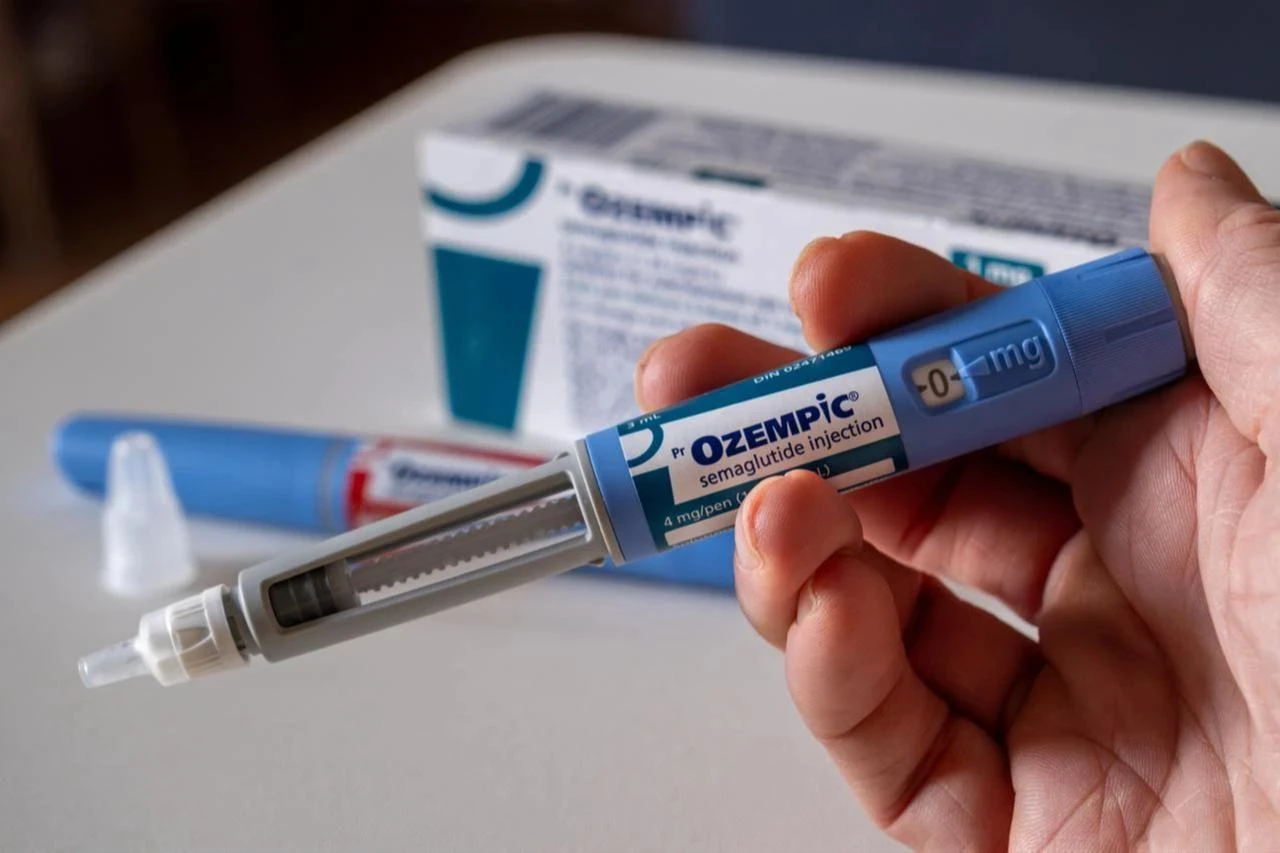


Rapid weight loss associated with weight-loss injections is driving more people to seek cosmetic treatment for facial volume loss and sagging, with demand for facial fat grafting rising by around 50%, according to a medical aesthetics specialist in Türkiye.
The appearance, commonly referred to in medical literature as "Ozempic Face," can include hollowing around the temples and eyes, more prominent cheekbones, loose skin and a less defined jawline. However, specialists stress that these changes are linked to rapid loss of facial fat rather than being a direct effect of the medication itself.
Research cited by Ziyneti Kocabiyik of Türkiye daily found that 67% of physicians surveyed by the American Academy of Facial Plastic and Reconstructive Surgery had observed a 45% increase in patients seeking aesthetic treatment for changes associated with rapid weight loss.
 1 min read
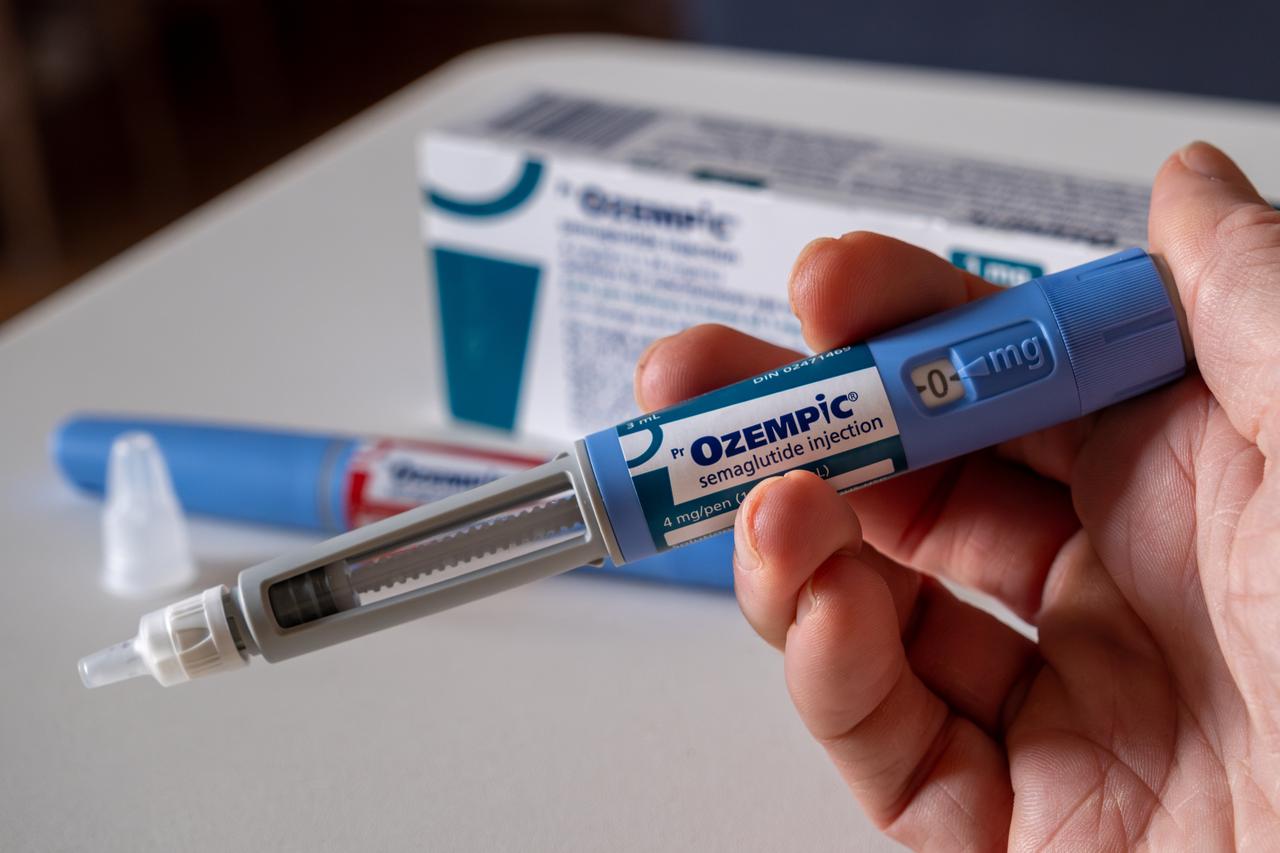
Medical aesthetics specialist Dr. Merve Demir Guzel said demand for facial fat injection procedures had climbed by approximately 50% as patients sought to restore volume lost during rapid weight reduction.
Fat grafting involves using a patient's own fat to restore volume in areas where tissue has diminished.
Describing the changes associated with "Ozempic Face," Guzel said:
"In this appearance, referred to in the literature as 'Ozempic Face,' changes can include hollowing in the temple area, more prominent cheekbones, sunken areas around the eyes, eyes appearing deeper set, loss of definition along the jawline, sagging under the chin, skin laxity and deepening of existing lines. However, it should be known that the cause is not the medication itself, but the loss of the fat layer resulting from rapid weight loss."


Guzel said the resulting appearance could be addressed through medical aesthetic procedures, although the most appropriate approach varies from person to person.
Specialists may turn to hyaluronic acid fillers to replace lost volume, while collagen-stimulating treatments containing calcium hydroxylapatite or poly-L-lactic acid can also be used depending on the patient's needs.
The increase in demand comes as clinics see more patients seeking ways to restore facial volume after losing weight rapidly, particularly when the reduction in facial fat leaves previously less visible lines and sagging more pronounced.


 Set as preferred source
 Set as preferred source


 1 min read