Newsletters


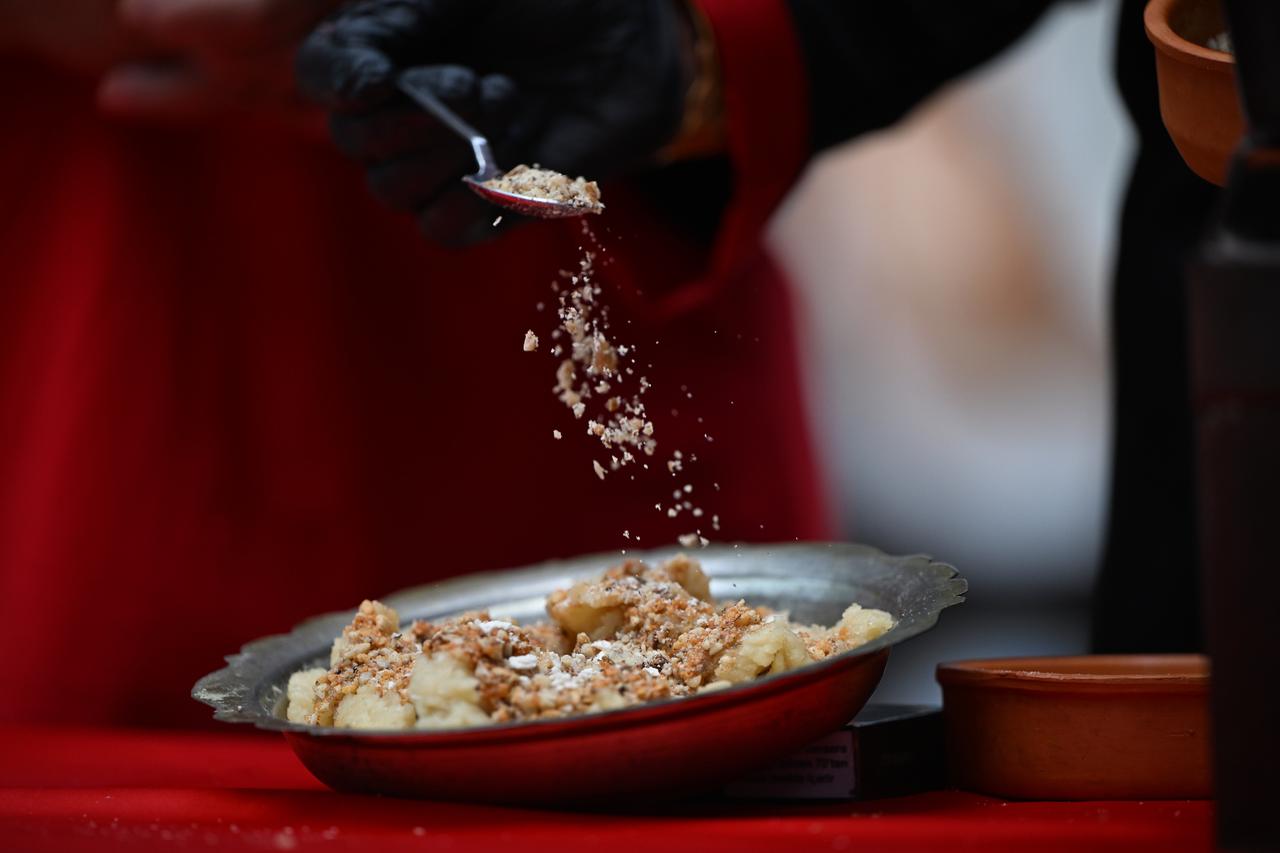


Kedi batmaz, a traditional dish once prepared for Ottoman Ramadan tables because of its easy preparation and energy-giving qualities, continues to stand out in Bolu as a simple yet distinctive regional flavor. Known for its soft consistency and minimal ingredients, the dish remains popular both for guests and for families looking to prepare a quick meal at home.
Bolu is widely known across Türkiye for its cooks and chefs, many of whom have built reputations far beyond the region. Alongside well-known dishes prepared by Bolu’s chefs, traditional recipes with centuries-old histories continue to appear on tables during special occasions.
Among these regional specialties is kedi batmaz, a dish whose name loosely translates to “the cat would not sink,” referring to its thick texture. The food has remained part of local cuisine and is still served in homes across the province.
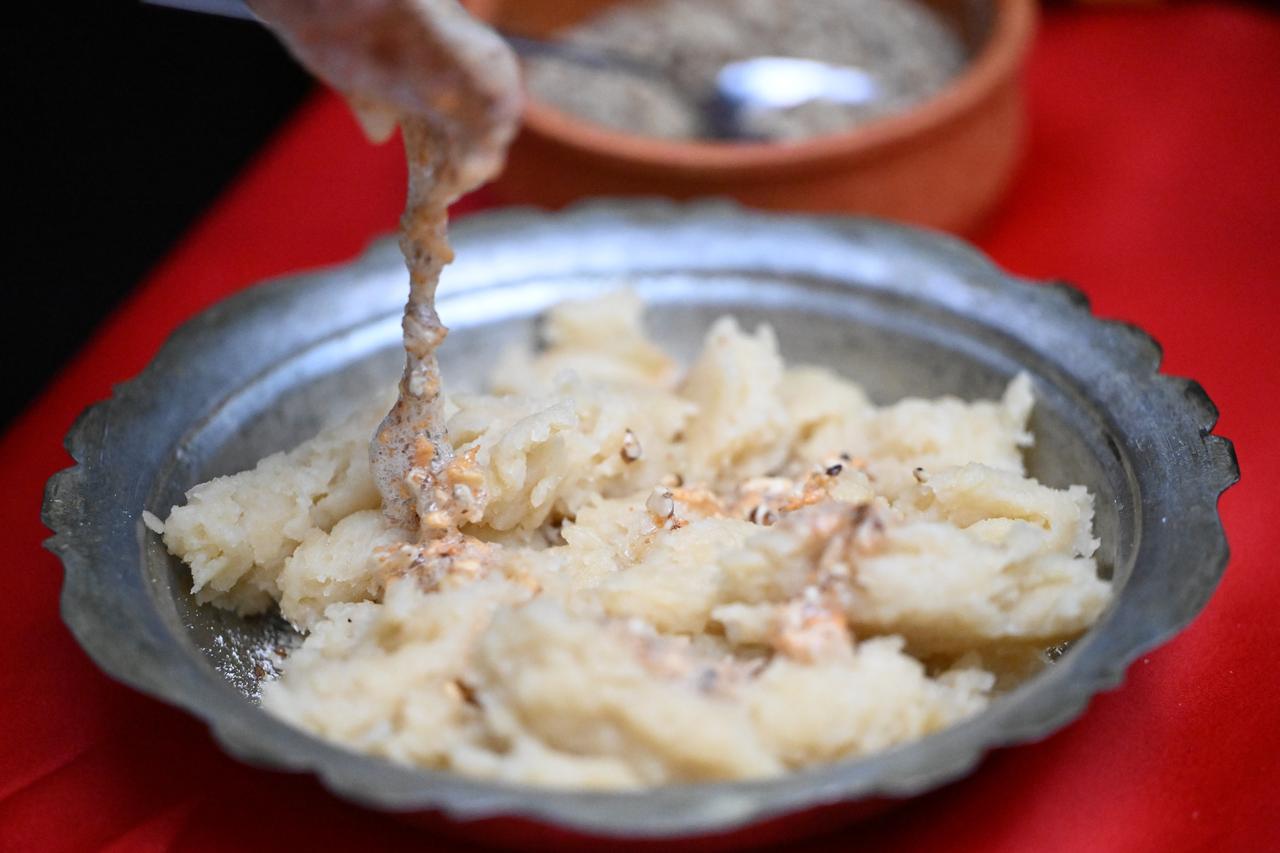

The dish is believed to have received its name because of its dense yet soft consistency, which locals describe as so thick that even a cat would not sink into it.
Emine Donmez Ozdogan, head of the Bolu Demirciler Gelincik Hanimeli Cooperative, explained that the dish is also known locally by names such as “gotarma,” “cotarma,” and “hotturma.” She described it as a food that can be swallowed easily thanks to its smooth structure.
Ozdogan also shared a story widely told among locals about how the dish first appeared. According to the tale, a bride who was asked to cook found that her mother-in-law had locked away most ingredients, leaving only flour, water, and oil available. The bride mixed what she could to impress her family, while the mother-in-law tried to spoil the effort by placing a cat on the mixture. Instead, the marks left by the cat’s paws created an appealing shape, making the dish look even better.
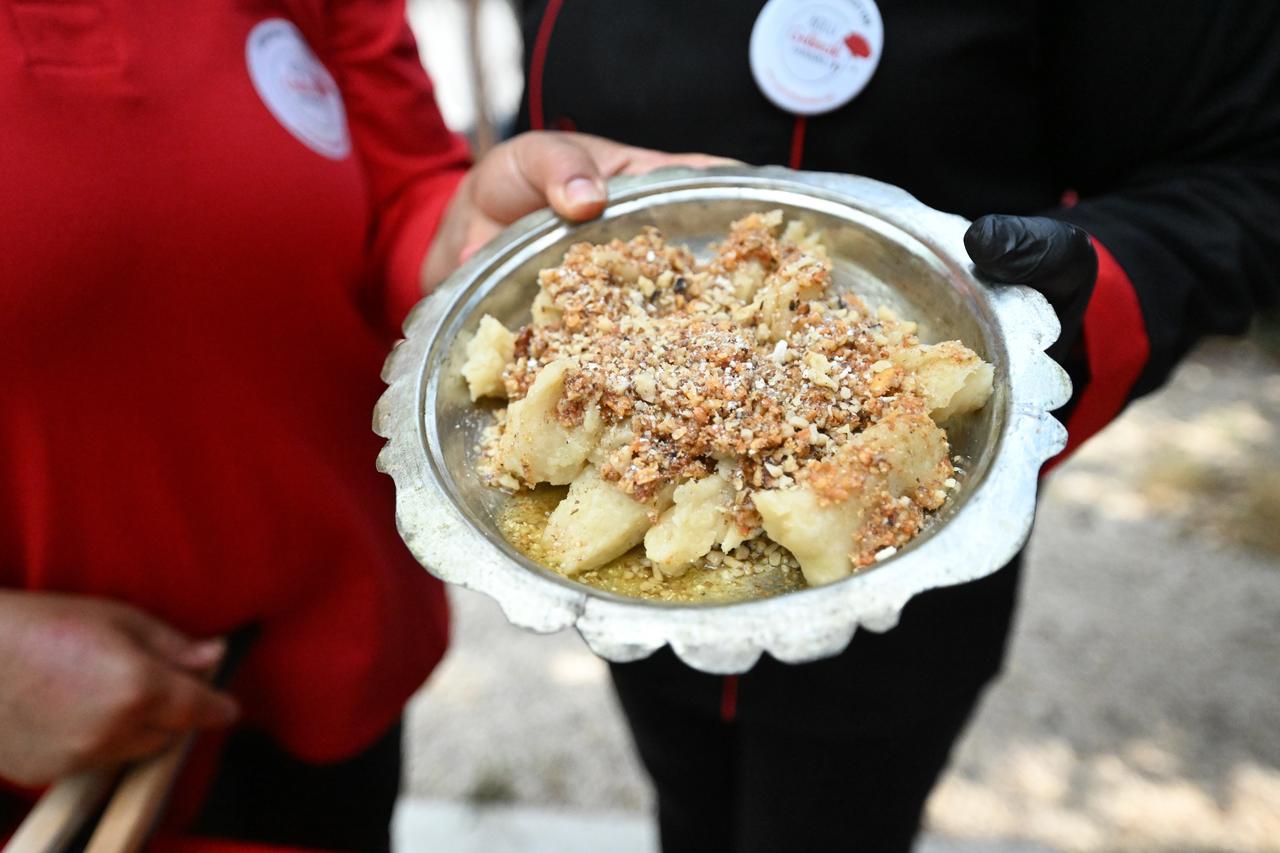
Historically, kedi batmaz was often prepared in Ottoman kitchens during Ramadan because it was quick to make and provided energy after a day of fasting. Today it continues to be served to guests and is also prepared by parents looking for a practical meal for children.
Ozdogan noted that the dish’s appeal lies partly in how easy it is to make with ingredients commonly found in most homes. The recipe typically includes flour, water, salt, walnuts, butter, and a product known as “kes,” a salty dried yogurt used in some regional cuisines of Türkiye.
She also pointed out that moderation is key when using kes, explaining that adding too much can make the dish overly salty and affect both flavor and health.
The recipe provided for the project is designed to serve six people and centers on preparing a thick flour mixture that is later combined with butter, walnuts, and grated kes.
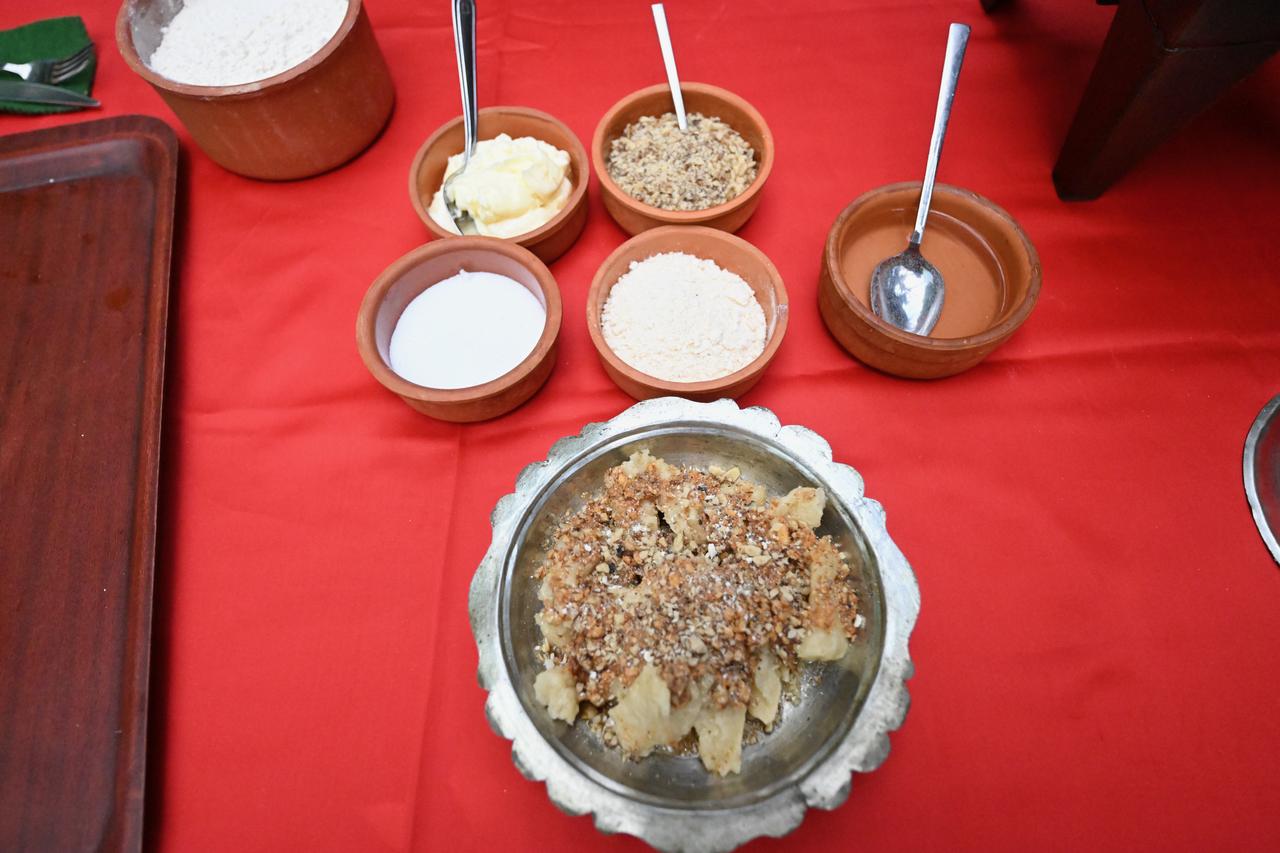
Ingredients
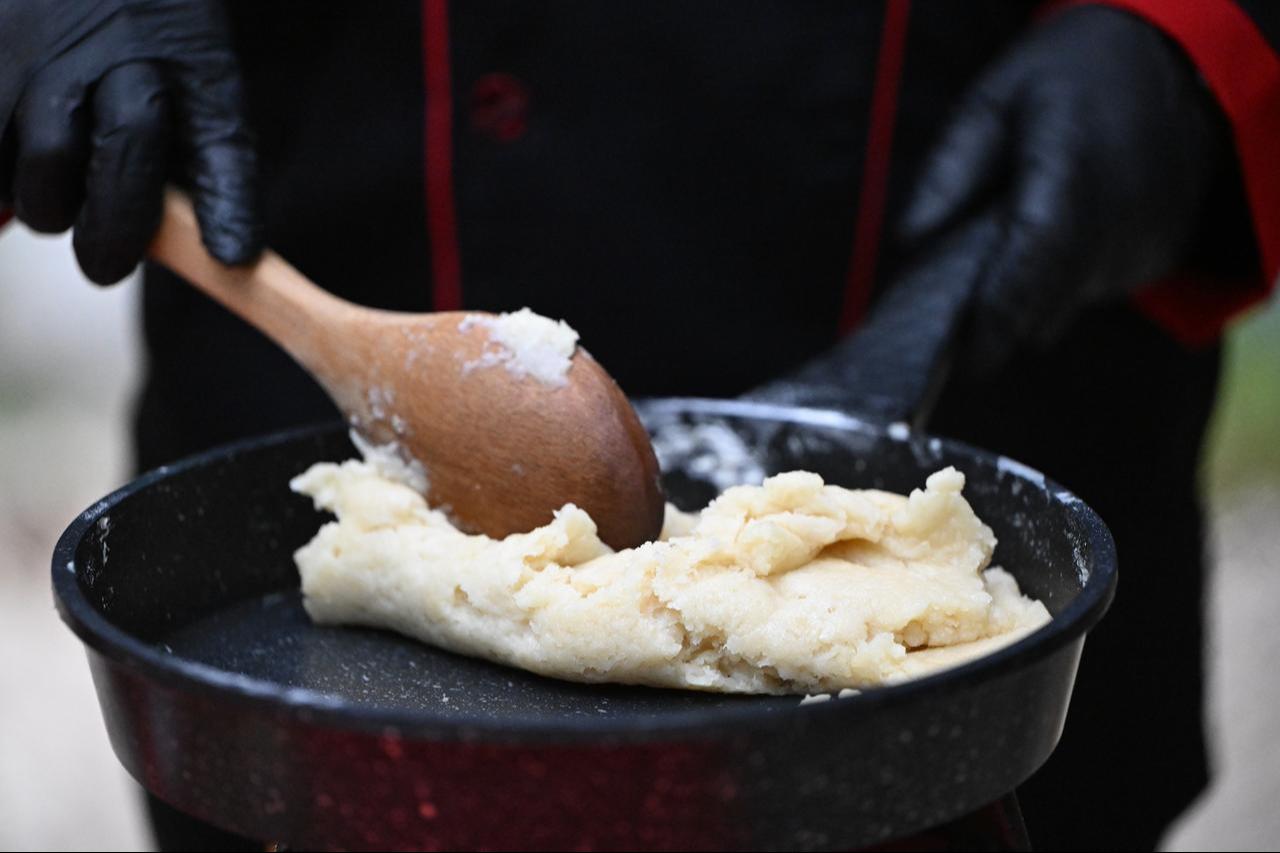
Preparation
Fill a pot halfway with water and bring it to a boil.
Add butter to the boiling water and wait until it melts.
Gradually stir in flour and salt while mixing until the mixture thickens.
Cook until the mixture turns into a firm dough.
Grate some salted kes and walnuts onto the base of the serving plate.
Scoop walnut-sized portions of the cooked dough with a spoon and place them onto the plate.
In a separate pan, heat butter and add grated kes until it lightly browns, then mix in walnuts.
Pour this mixture over the plated dough and serve.
The dish can be served with additional walnuts or with molasses, depending on preference.


 Set as preferred source
 Set as preferred source



 2 min read