Newsletters





Over 57 million people worldwide live with dementia, and up to 45 percent of the risk associated with the condition is considered preventable or delayable, according to global health data compiled ahead of World Alzheimer's Day on Sept. 21.
Alzheimer's disease, the most common form of dementia, accounts for 60 to 70 percent of cases. Dementia is considered the seventh leading cause of death worldwide and affects memory, thinking, and the ability to carry out daily activities. It can result from several diseases that damage the brain.
First described in 1906 by German psychiatrist and pathologist Alois Alzheimer, the disease is regarded by some as one of the defining health challenges of the 21st century.
The World Health Organization (WHO) said in a July 15 statement that more than 57 million people worldwide live with dementia, with about 10 million new diagnoses recorded each year. That figure is projected to rise to 78 million by 2030 and 139 million by 2050.
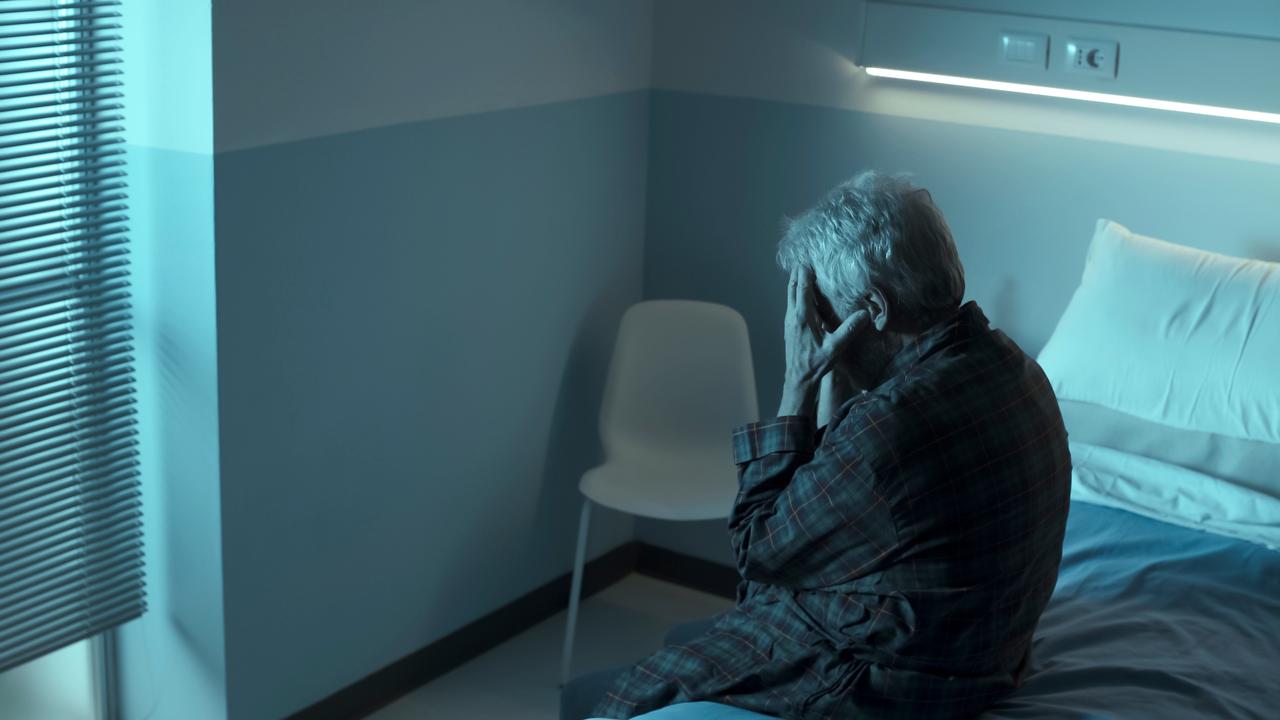

The global cost of dementia was estimated at 1.3 trillion dollars in 2019 and is projected to reach 1.7 trillion dollars by 2030, or 2.8 trillion dollars once rising care costs are factored in, according to WHO data.
A new case of dementia emerges somewhere in the world every three seconds, and if dementia were a country, its global costs would have ranked it as the 17th largest economy as of June 2024.
According to Alzheimer's Disease International (ADI), 60 percent of people with dementia live in low-and middle-income countries, a share expected to rise to 71 percent by 2050.

ADI said research shows most people living with dementia have not yet received a formal diagnosis. In high-income countries, only 20 to 50 percent of dementia cases are recorded in primary care, with the gap considered far wider in low-and middle-income countries.
Data from the United States Centers for Disease Control and Prevention (CDC) shows early signs of Alzheimer's disease typically appear after age 60, with risk increasing with age, though the disease can also occur in younger people, albeit less commonly.

There is no cure for dementia, but the WHO says up to 45 percent of the risk can be prevented or delayed.
That share is linked to modifiable risk factors, including tobacco use, alcohol consumption, social isolation, physical inactivity, air pollution, high blood pressure, and diabetes.


 Set as preferred source
 Set as preferred source



 2 min read