Newsletters


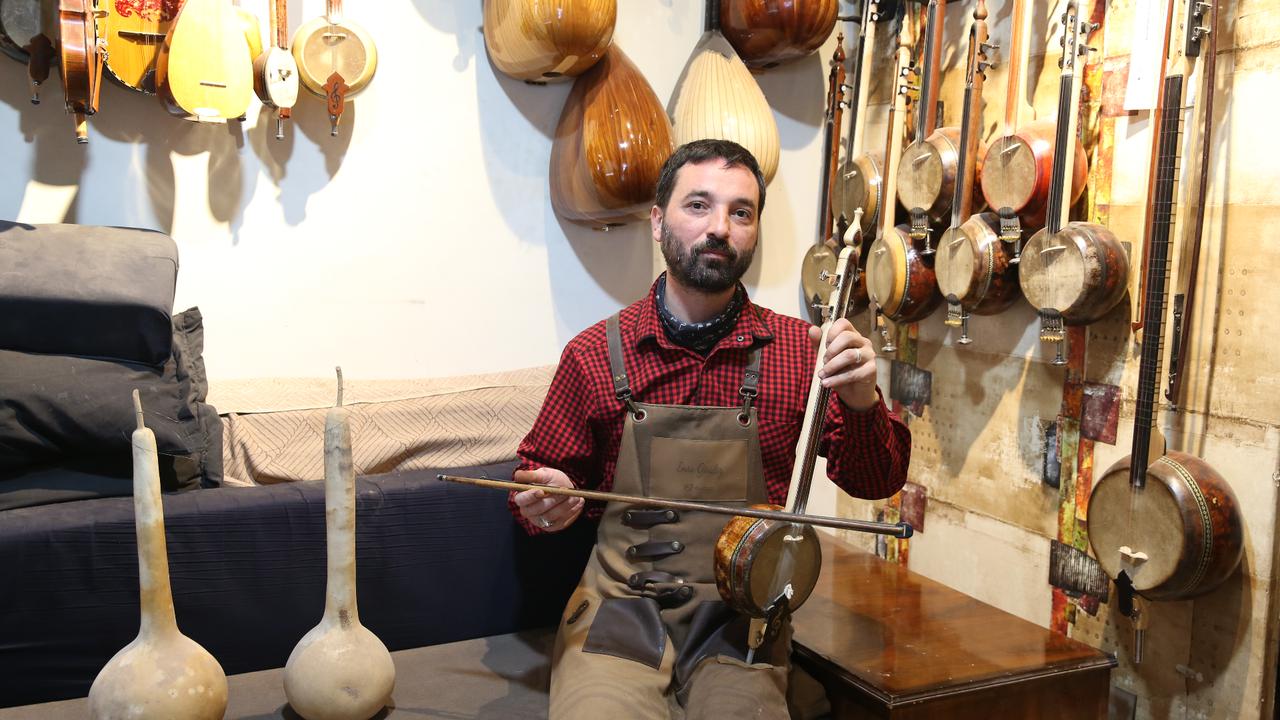
Emre Gunduz, 41, makes kabak kemane in his workshop in Eskisehir, a city in western Türkiye. The bowed instrument is built from a water gourd, natural hide and wood. Gunduz holds the title of Intangible Cultural Heritage Bearer, but his path to the workshop began with a different instrument.
At 16, Gunduz received a baglama, a long-necked stringed instrument, as a gift from his uncle. He soon began taking lessons. Over the years, music became a permanent part of his daily life, and that gift set the course for everything that followed.
After returning from military service, Gunduz started working at a music house in Eskisehir in 2008. There, his master, Galip Guvencoglu, began teaching him the finer points of making kabak kemane. During this period, the instrument became central to his life.
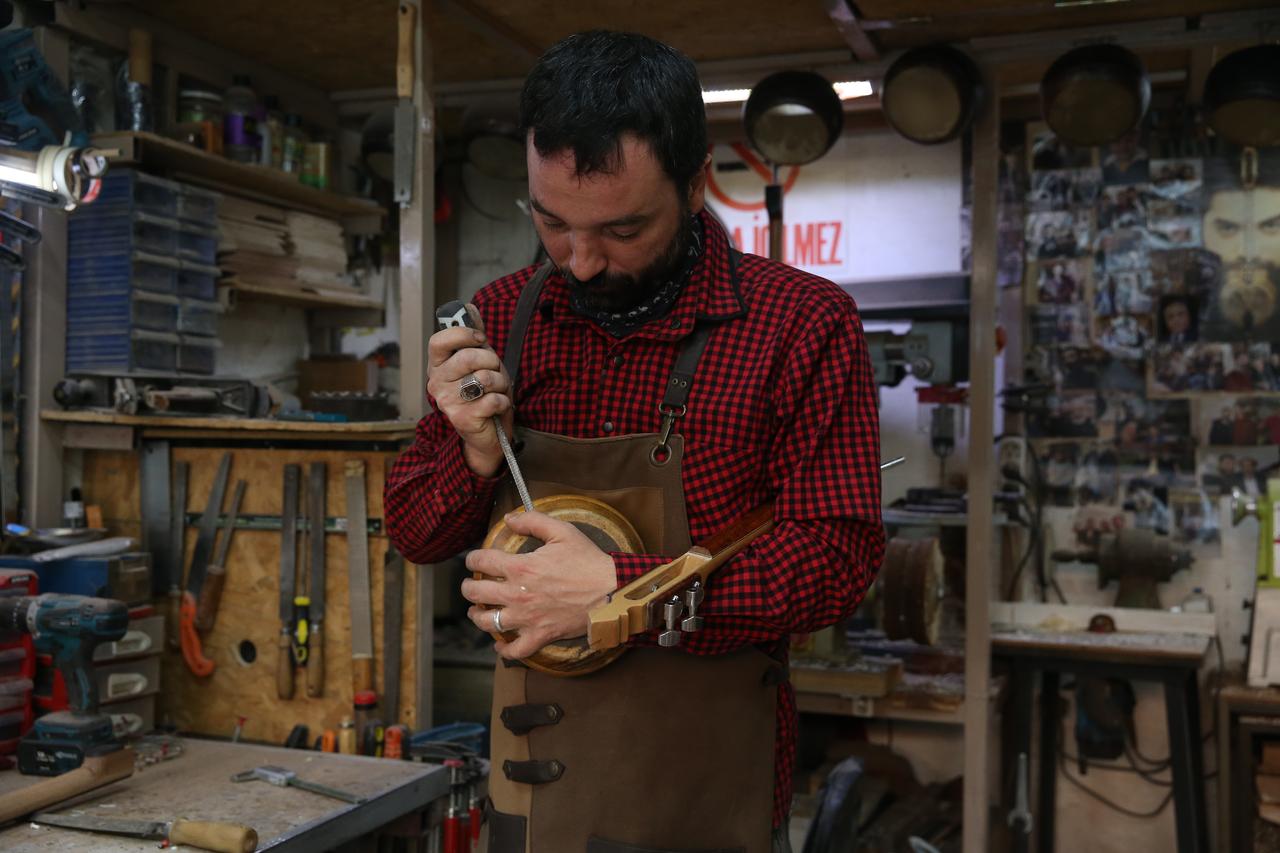
Alongside learning the craft, Gunduz played baglama for seven years in the Eskisehir Metropolitan Municipality Turkish Folk Music Choir. Stage performance and instrument making ran in parallel during these years. Today he mostly works in his own workshop, where he produces kabak kemane.
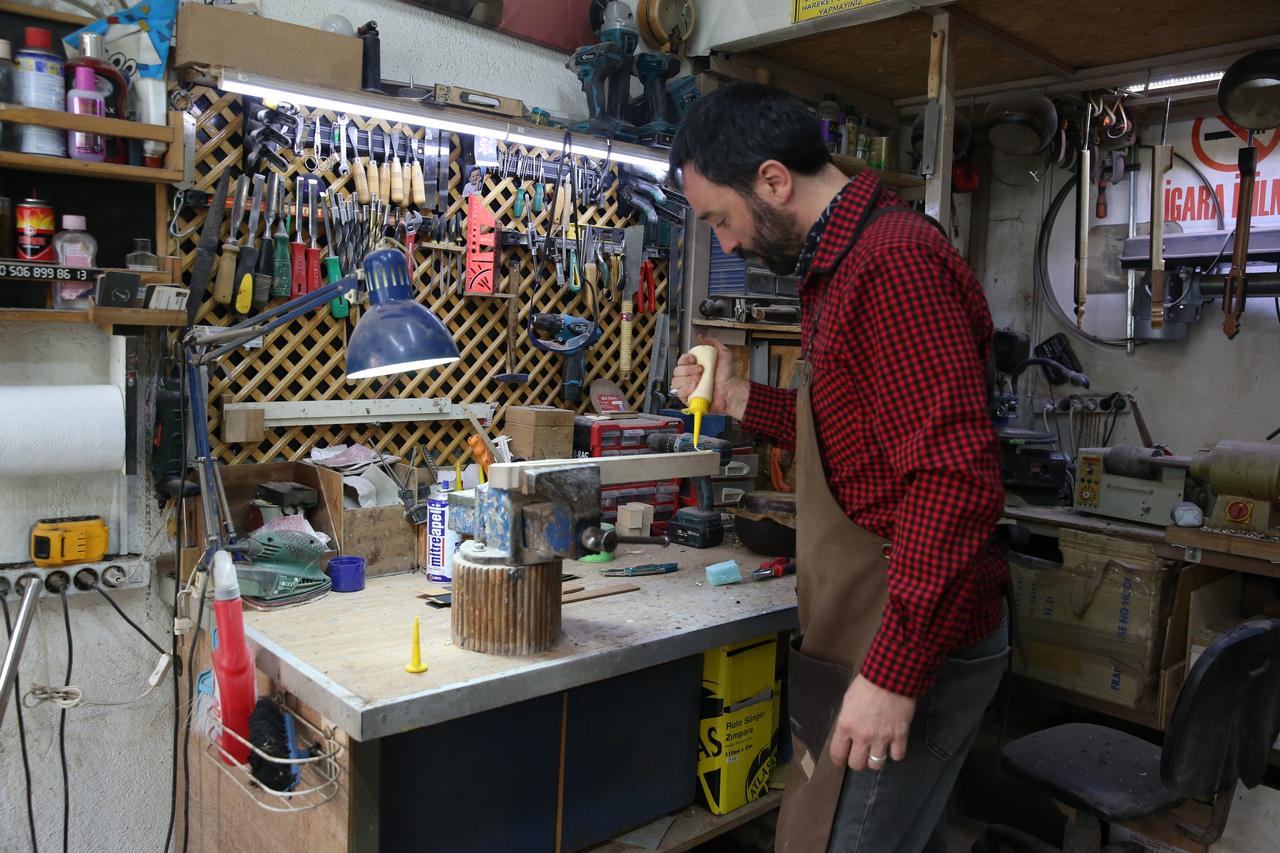
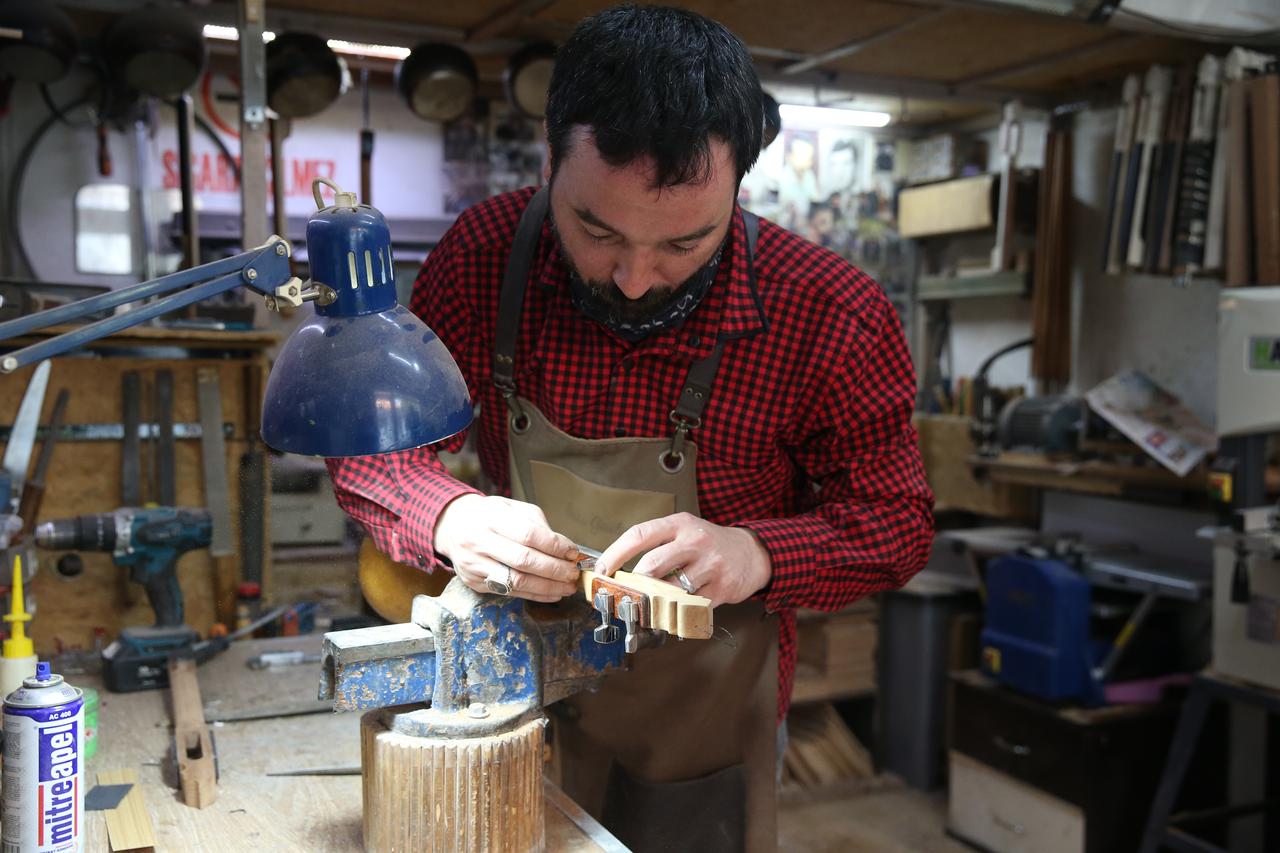
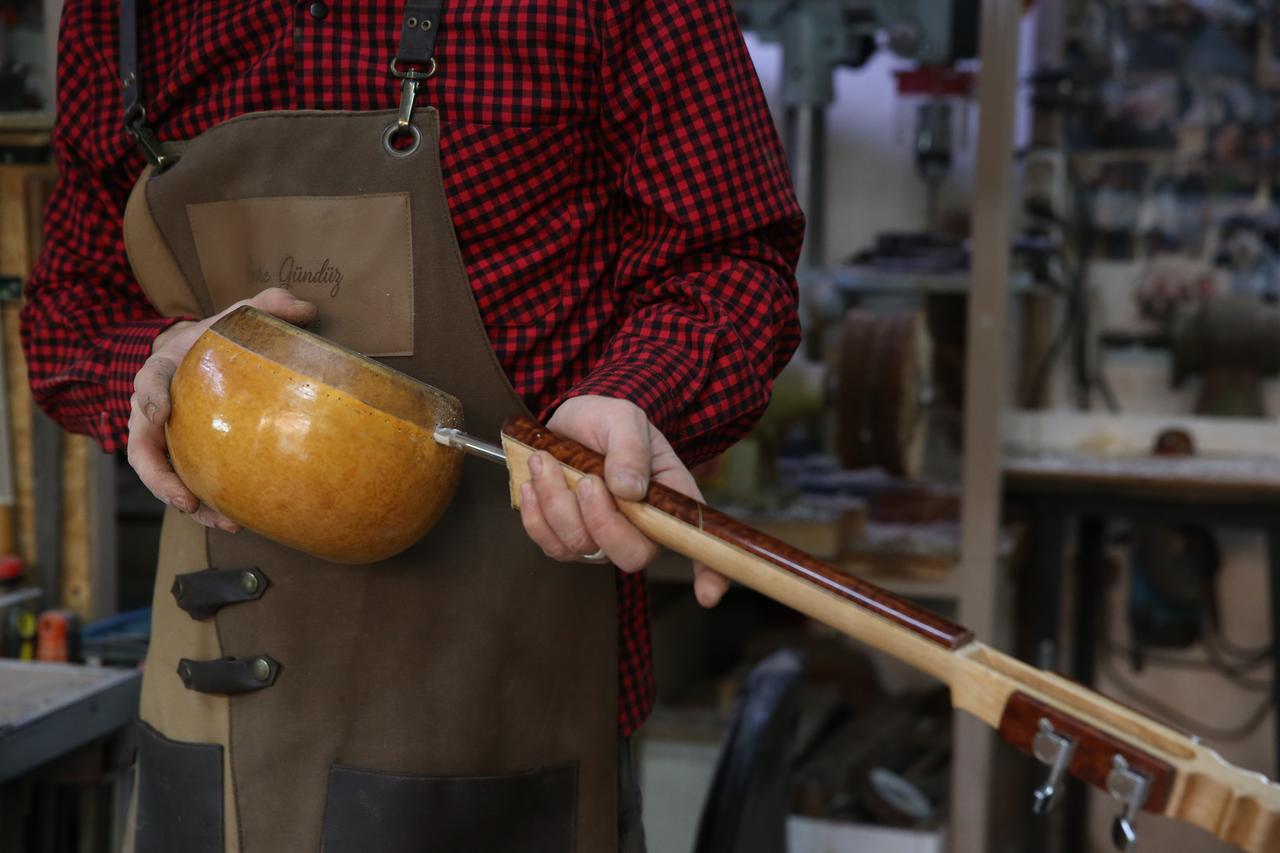
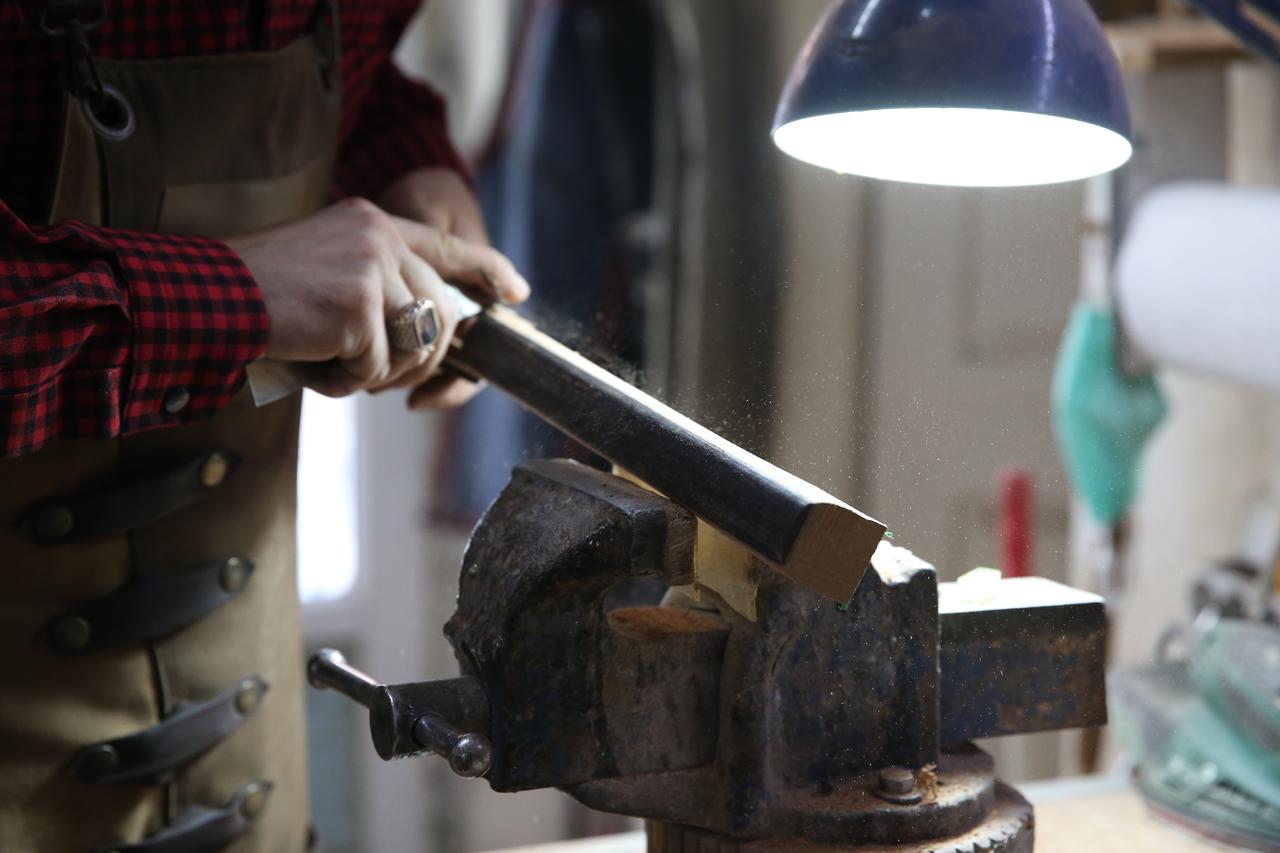
Each instrument starts with a water gourd, natural hide and different types of wood. Gunduz handles every stage himself, from selecting materials to final finishing, so each piece has its own sound and appearance. Including waiting periods, one instrument takes about one week. He makes roughly 50 to 100 a year.
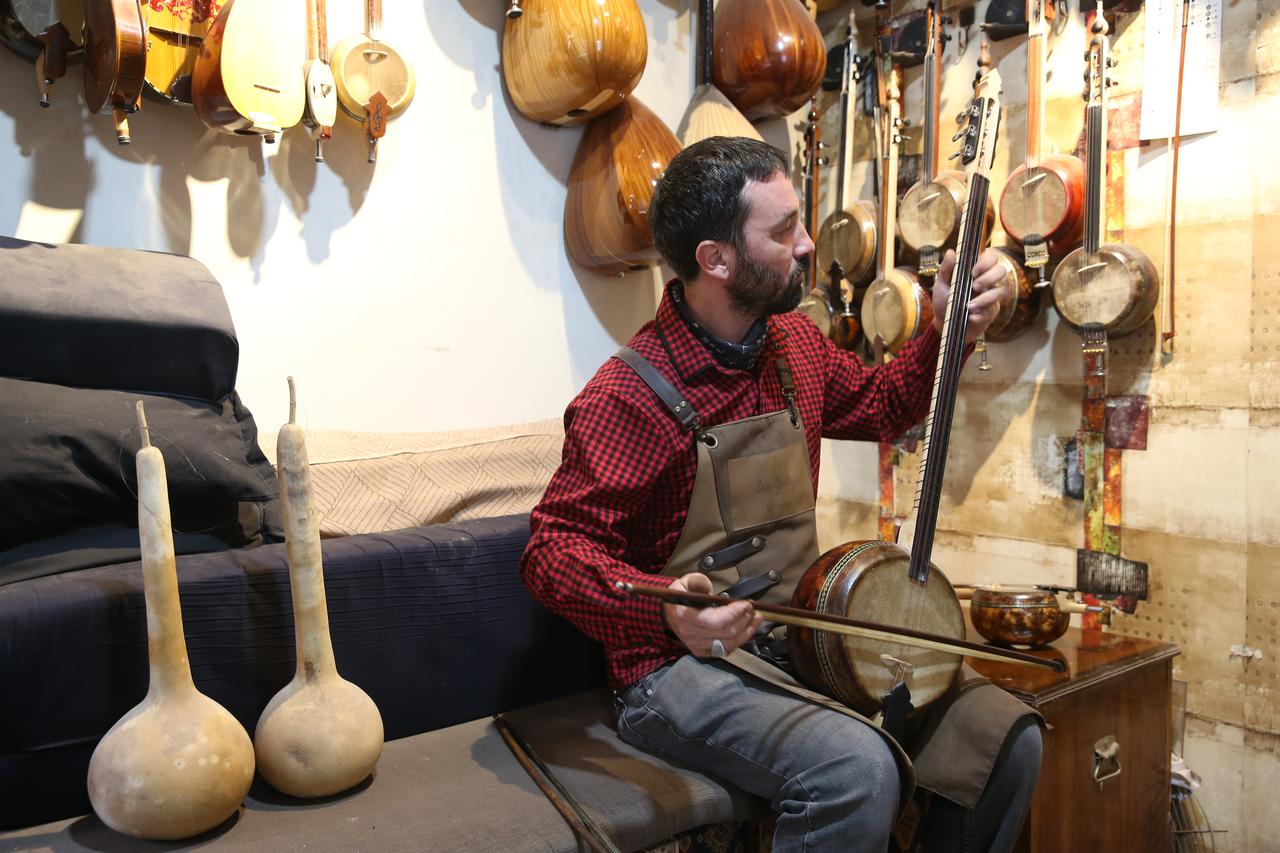
Gunduz says the heart membrane of cattle used in the instrument comes from a single animal, which gives each kemane a sound found nowhere else. He adds that the small bridge determines 70% of the instrument’s sound and output, and it is shaped by a knife along the grain. Even five kemane built at the same time differ in tone.
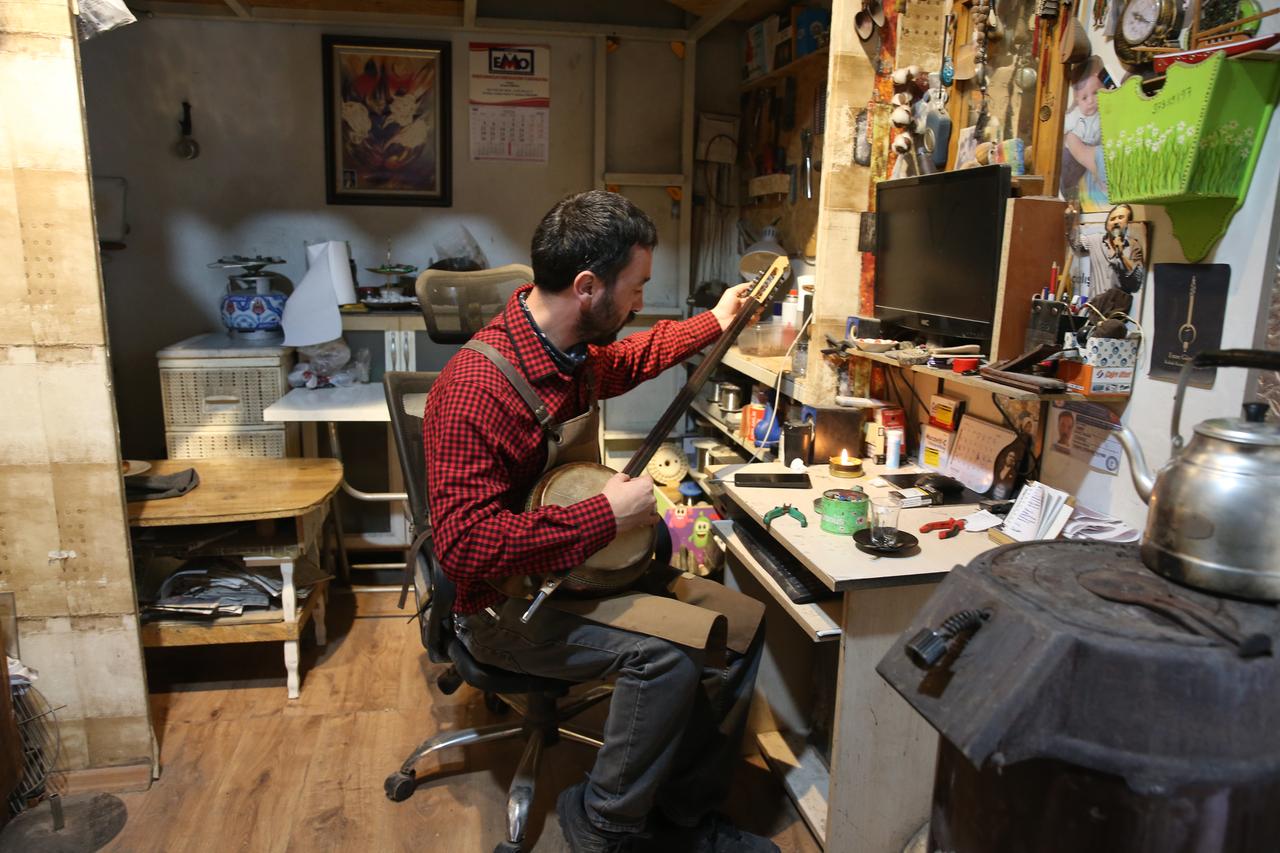
The instruments go to musicians, students and music education institutions in Izmir, Ankara, Istanbul, Gaziantep, Kirsehir, Sanliurfa and Bursa. Gunduz describes kabak kemane as a nomadic instrument of Yoruk culture and the Aegean-Mediterranean region. He says interest is growing in fine arts high schools and universities, and he recently built a custom-sized kemane for an 8-year-old student in Ankara.
In 2025, the Ministry of Culture and Tourism gave Gunduz the Intangible Cultural Heritage Bearer title. Since then, he has introduced the instrument to children at Dumlupinar Primary School, saying they knew the baglama and guitar but not this native instrument. His workshop stays open to young people and apprentices, and he says the craft requires patience, discipline and observation.

 5 min read


 Set as preferred source