

 Sign in
 Newsletters


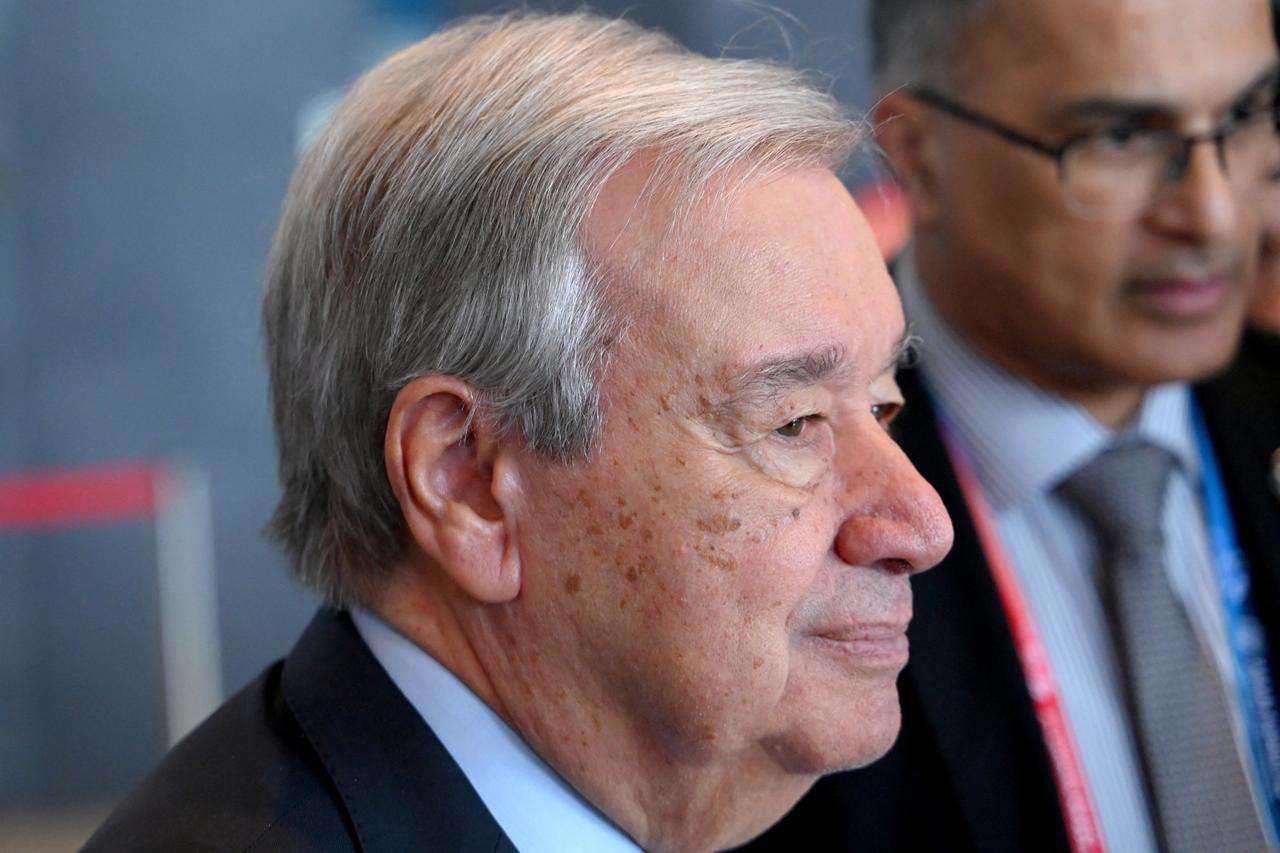


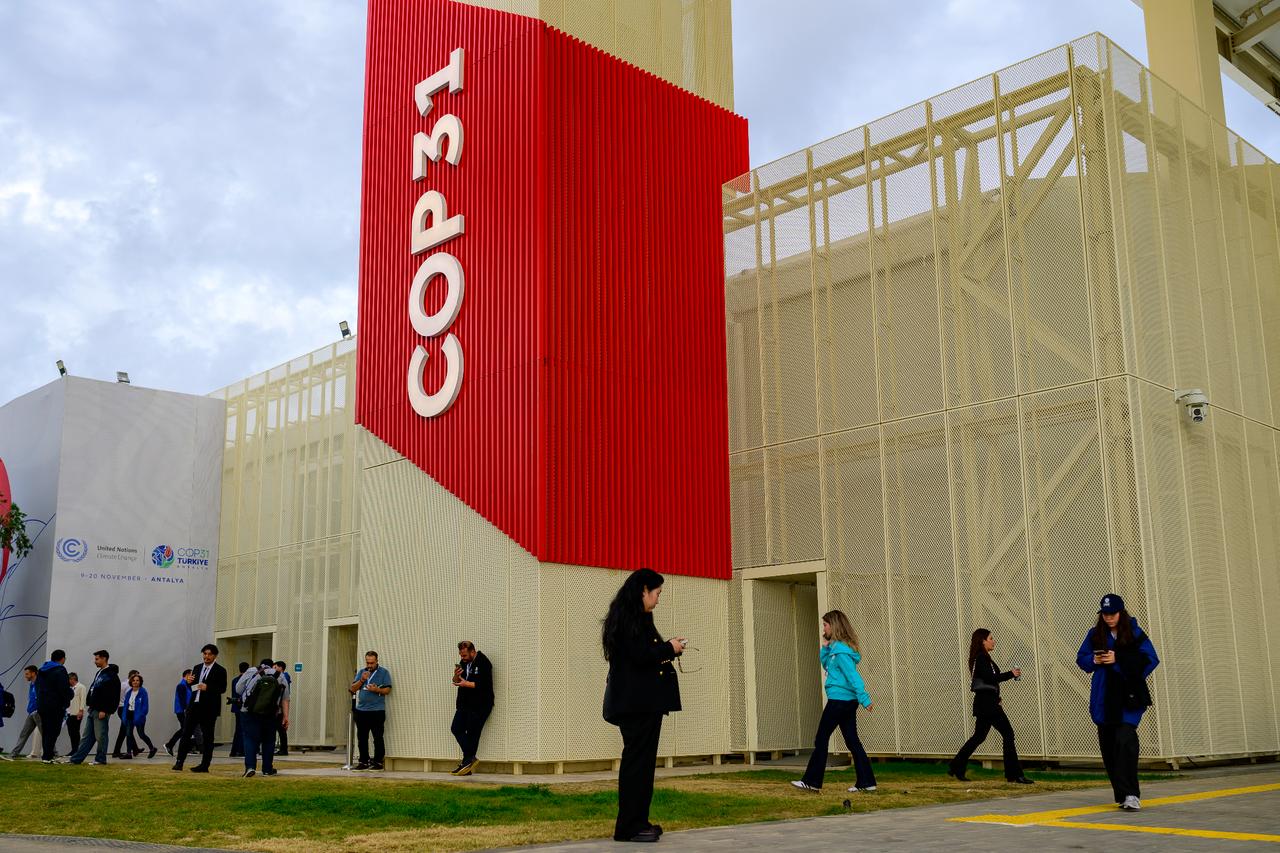
United Nations Secretary-General António Guterres said he was "deeply disappointed" that the COP31 climate summit ended without consensus on an overarching outcome. He urged governments to act faster on emissions, fossil fuels and climate finance.
Guterres said he shared the "very profound frustration" of those who had expected governments to rise to the moment the climate crisis demands.
The setback, he said, does not change the facts. "There may be no consensus in the negotiating room," he said. "There is no ambiguity in the science."
Climate negotiations at the annual UN conferences operate by consensus, meaning agreement is needed from the participating countries before an overall decision can be adopted.
Guterres said temperatures keep shattering records, climate extremes are intensifying and emissions remain far too high, with every delay making the task harder and more costly.
The world is now poised to exceed the globally agreed limit of a 1.5 degree temperature rise, he said, and the window to keep that overshoot as short and shallow as possible is "rapidly closing."
The 1.5 degree figure comes from the 2015 Paris Agreement, in which governments pledged to pursue efforts to hold global warming to that level above pre-industrial temperatures. To limit the magnitude and duration of the overshoot, Guterres said, deep and rapid emissions cuts are needed this decade.
Major emitters must lead, developed countries must deliver on finance and every country must do its part, he said.
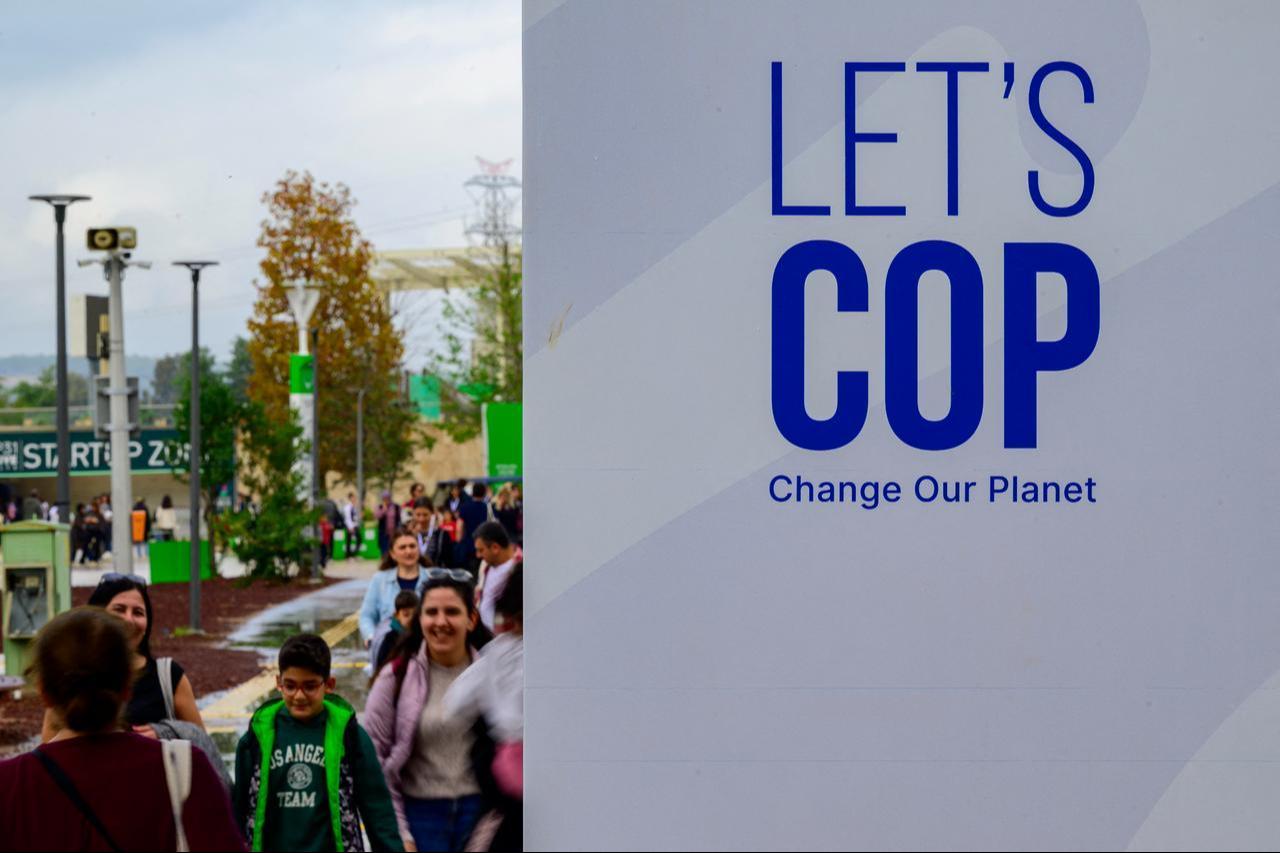

Guterres placed fossil fuels at the center of his statement, saying continued dependence on coal, oil and gas is fueling climate chaos, exposing economies to price shocks and undermining energy security. "We can't put out the fire while pouring fuel on it," he said.
He accused powerful fossil fuel interests of taking "a page from Big Tobacco's playbook," by distorting the science, delaying policy, blocking action and piling up huge profits while people everywhere pay the price.
Those who profit from the destruction of the planet, he said, must never dictate the terms of the fight to save it.
He recalled that at COP28 in Dubai, all countries agreed to transition away from fossil fuels in a just, orderly and equitable manner.
That deal was the first time a COP outcome addressed fossil fuels in such terms. The task now, Guterres said, is to accelerate that transition, finance it and deliver it.
He welcomed countries that are coming forward with concrete plans and called for building on the roadmaps advanced by the Brazilian COP30 Presidency on moving away from fossil fuels and on reversing deforestation and forest degradation. The UN Climate Promise, he said, will support countries in turning those roadmaps into action.
Guterres called for far stronger protection for communities on the frontlines of climate impacts.
Developed countries must make good on their commitment to lead on tripling adaptation finance and ensure support reaches those who most need it, he said, urging them to "put dates and dollars behind that pledge now." He added: "Lives depend on it."
Countries that did least to cause the crisis cannot be left to face its worst consequences alone, he said, calling it a matter of climate justice.
He said the true test of climate action will come beyond the negotiating halls, in whether fossil fuel dependence falls, clean energy surges, grids are built and modernized, methane emissions are slashed, forests are restored, finance reaches developing countries and people are protected from climate extremes. He cited the UN's Early Warnings for All initiative, which aims to ensure everyone is covered by early warning systems for hazardous weather, as one such measure.
Guterres thanked President Recep Tayyip Erdogan, the government and people of Türkiye and the city of Antalya for their hospitality.
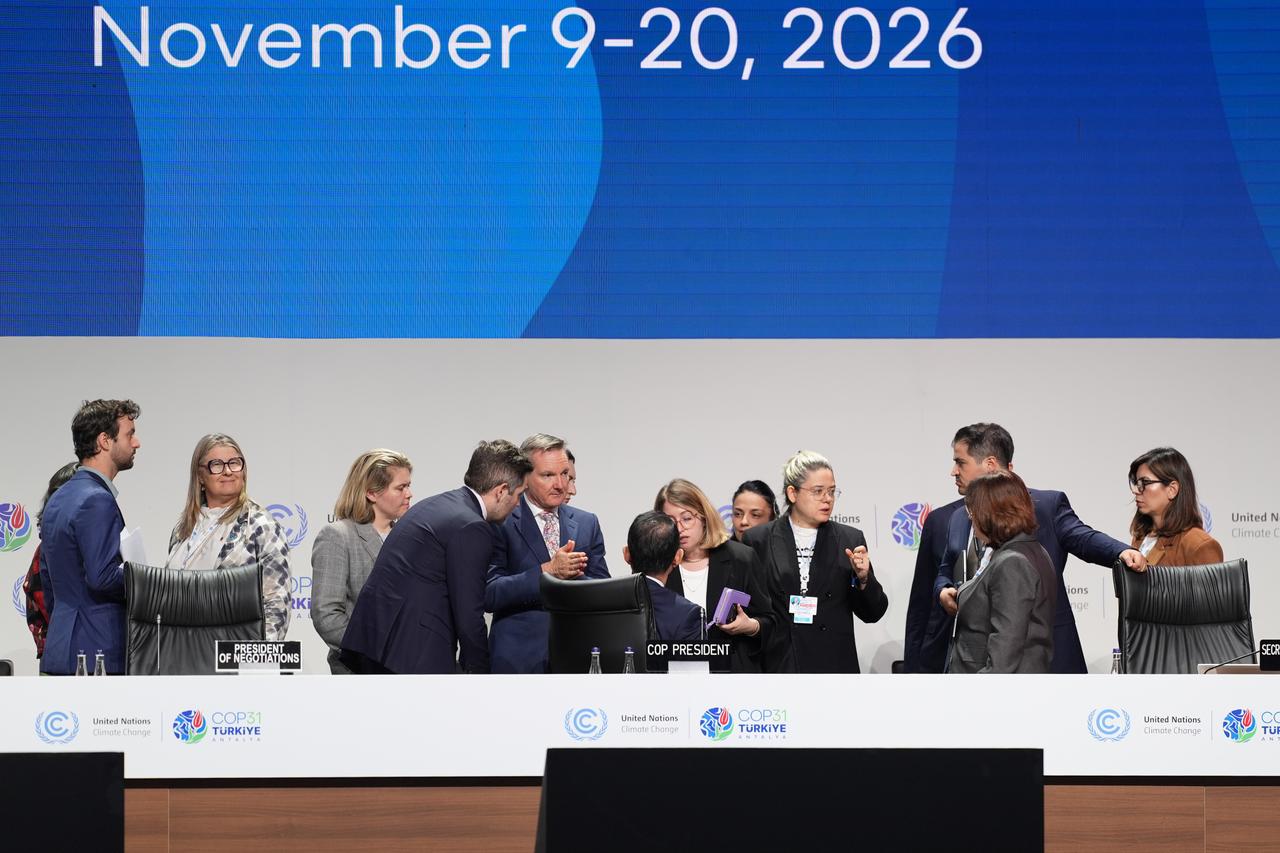
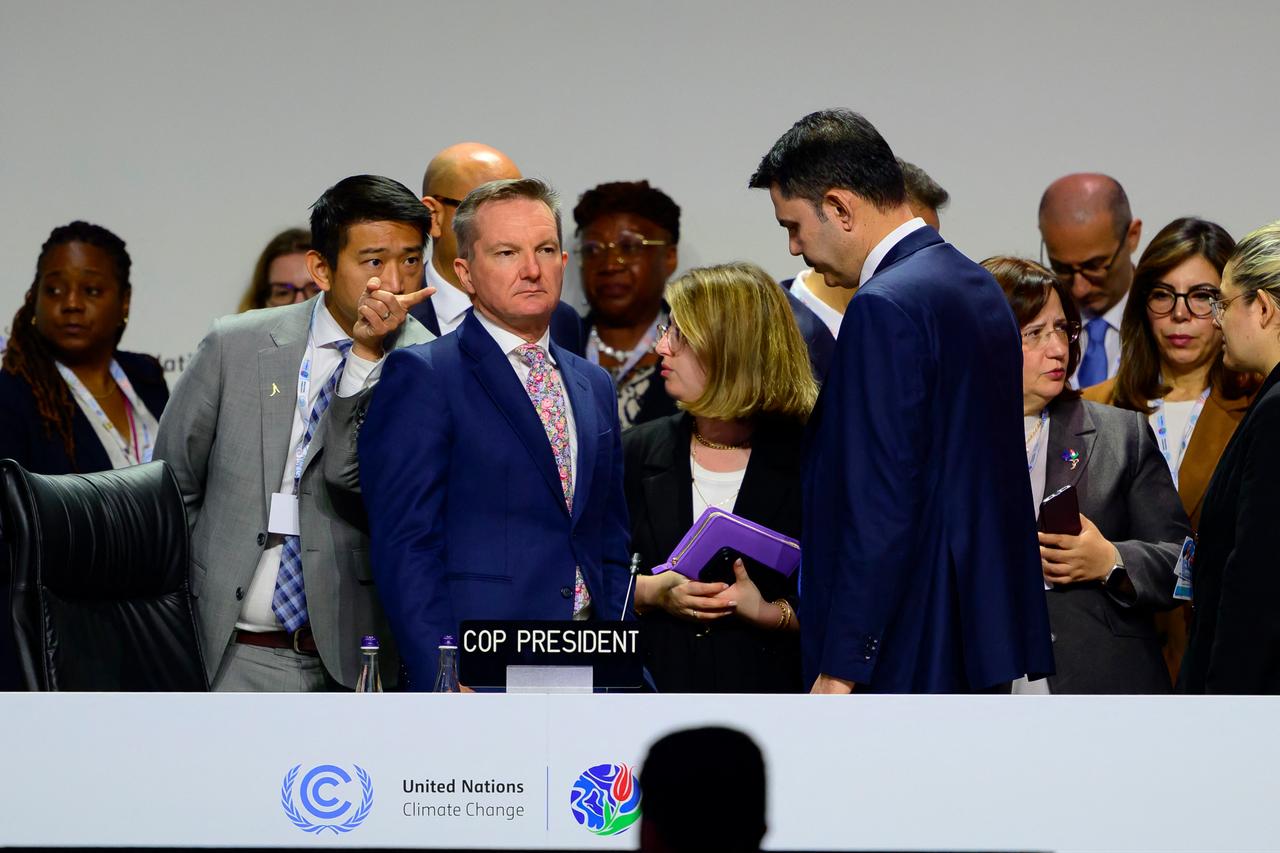
He also thanked COP31 President Murat Kurum, President of Negotiations Chris Bowen and their teams, along with the UN Framework Convention on Climate Change secretariat.
He closed with a message to civil society, young people, Indigenous Peoples, scientists and frontline communities.
"The climate crisis will not wait for governments to find common ground. Neither can we," he said, urging them to keep spreading the facts, keep demanding action and hold governments and companies to account. "I will be with you every step of the way," he said.


 Set as preferred source
 Set as preferred source


 2 min read
 1 min read


