Newsletters


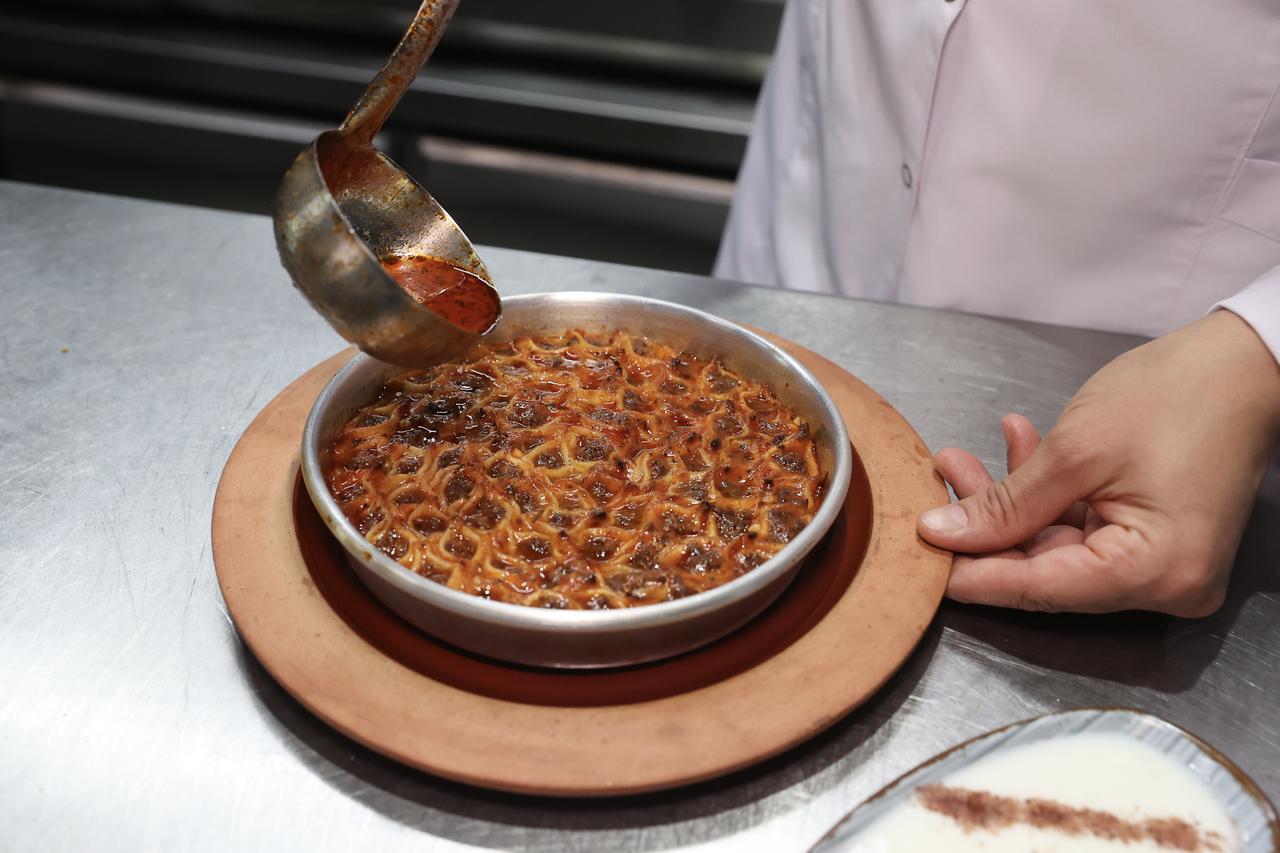


Kayseri, long seen across Türkiye as the first city that comes to mind when people say “manti,” is also home to a striking oven-baked version known as tepsi mantisi, a dish shaped by collective labor, careful folding, and a serving ritual built around garlic yogurt and spices.
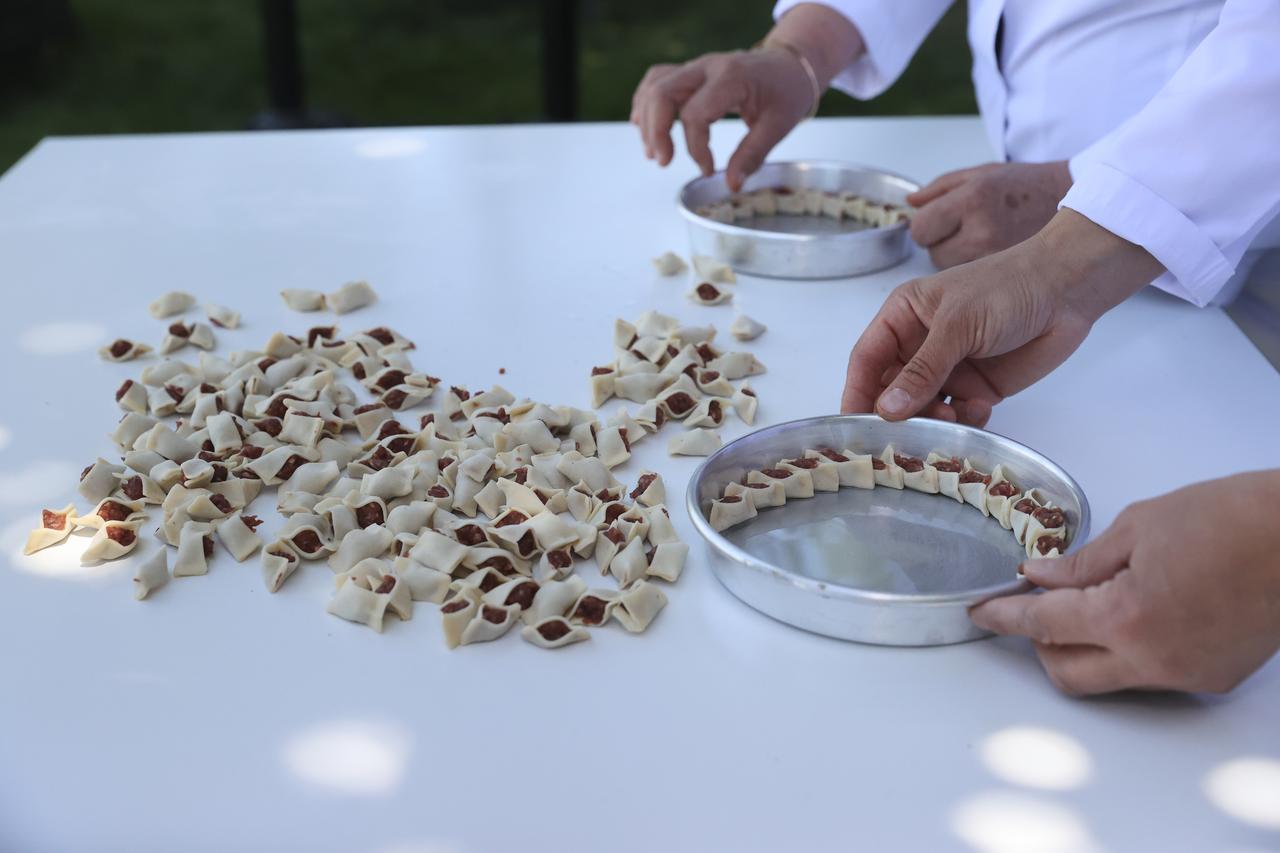
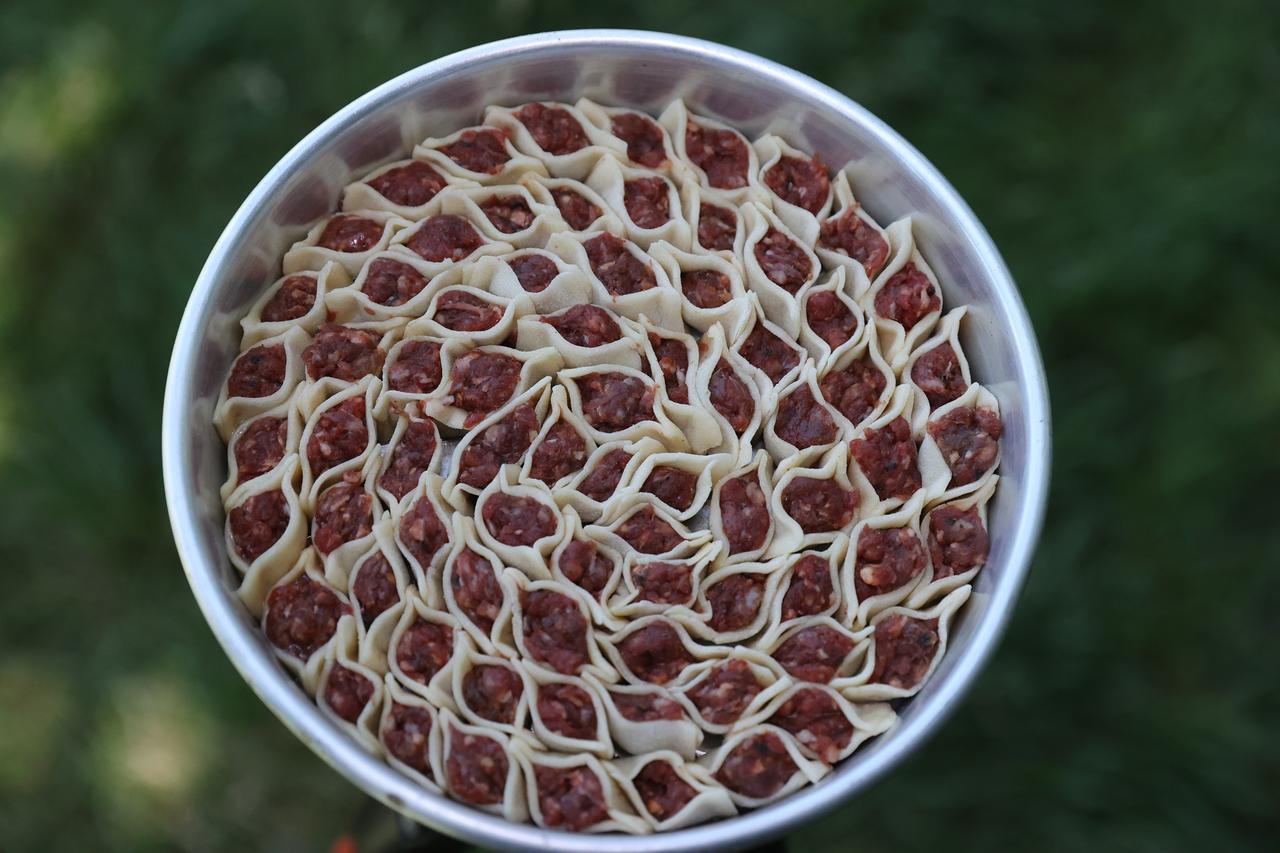
Prepared by cutting dough into small squares, folding each piece one by one, and lining them up in a tray like a flower pattern, tepsi mantisi is baked in the oven and finished with a tomato paste-based butter sauce, then topped with garlic yogurt and spices.
Unlike many manti styles that are boiled, tepsi mantisi is arranged in a tray and baked, with each piece folded and set in place individually. In Kayseri’s food culture, the dish is described as carrying the refinement of palace cuisine traditions stretching from the Seljuk period to the Ottoman era, while still being rooted in home kitchens and community gatherings.
Historically, the dish was made when women came together for weddings, holidays, or when hosting guests, shaping it through an imece-style process, an Anatolian tradition of collective work and mutual help, where the preparation becomes a shared social occasion as much as a cooking task.
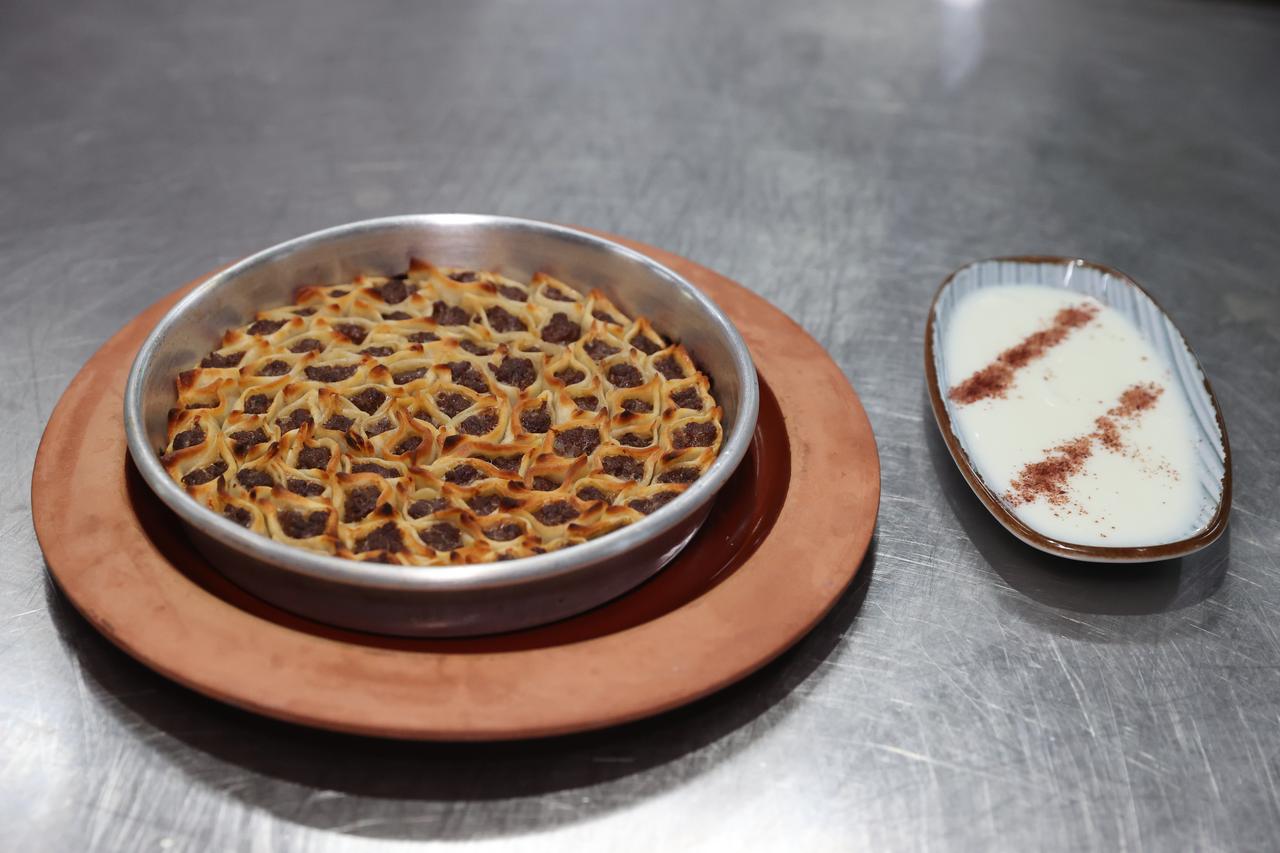

Tepsi mantisi is highlighted as a familiar choice during Ramadan iftar, the evening meal that breaks the daily fast, where it is described as one of the must-have flavors on iftar tables. In Kayseri today, it is also served in local restaurants, sometimes presented in single-person trays, keeping the dish’s tray-based character intact even in modern dining settings.
Chef Gulay Boyraz, speaking to Anadolu Agency, pointed to Kayseri’s close association with manti across Türkiye and said the city’s cuisine has been enriched by different communities living there, adding that manti appears on local tables in more than five varieties. She framed tepsi mantisi as a “social ritual” shaped by conversation and solidarity, and described it as a cultural ambassador rather than only a meal.
Ingredients (serves 5–6)
For the dough
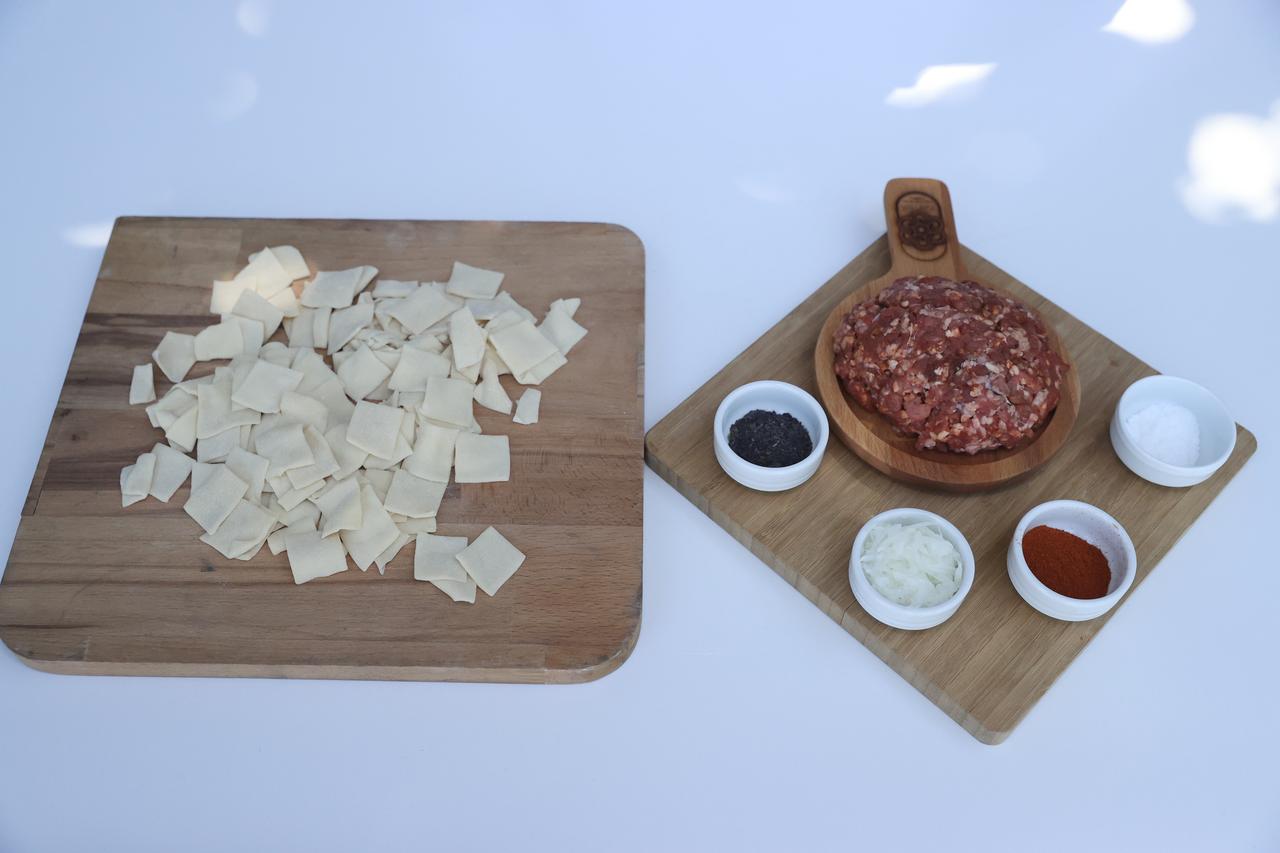
For the sauce and topping
Preparation
Finely chopped onion is mixed with ground meat, salt and pepper to prepare the filling. Flour, egg, water and salt are combined to form a firm dough, which is rolled out and cut into small squares.
A small amount of filling is placed in the center of each piece, and the edges are folded shut.
The dumplings are arranged closely in a buttered baking tray and baked for about 15 minutes until lightly browned. Meanwhile, butter and tomato paste are cooked together, then diluted with water to create a sauce that is poured over the baked manti.
Garlic yogurt is added on top before serving, followed by dried mint and red pepper flakes.


 Set as preferred source
 Set as preferred source



 2 min read