Newsletters


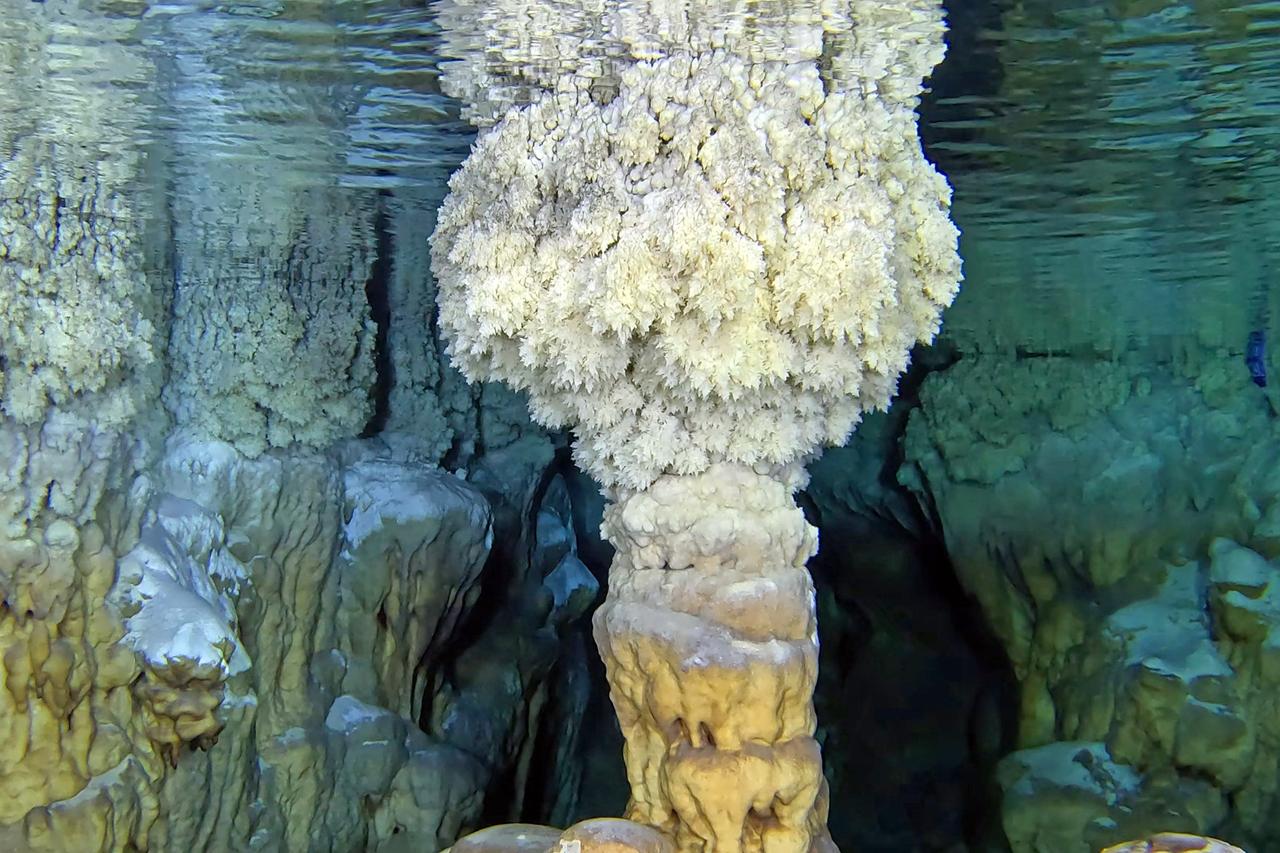


The hidden lake inside Gilindire Cave in Mersin, one of Türkiye’s most remarkable geological sites, has been documented with an underwater camera, offering fresh glimpses into its rare formations.
Discovered in 1999 when a shepherd followed a porcupine into the hillside, the cave has since become an emerging destination for nature and adventure tourism.
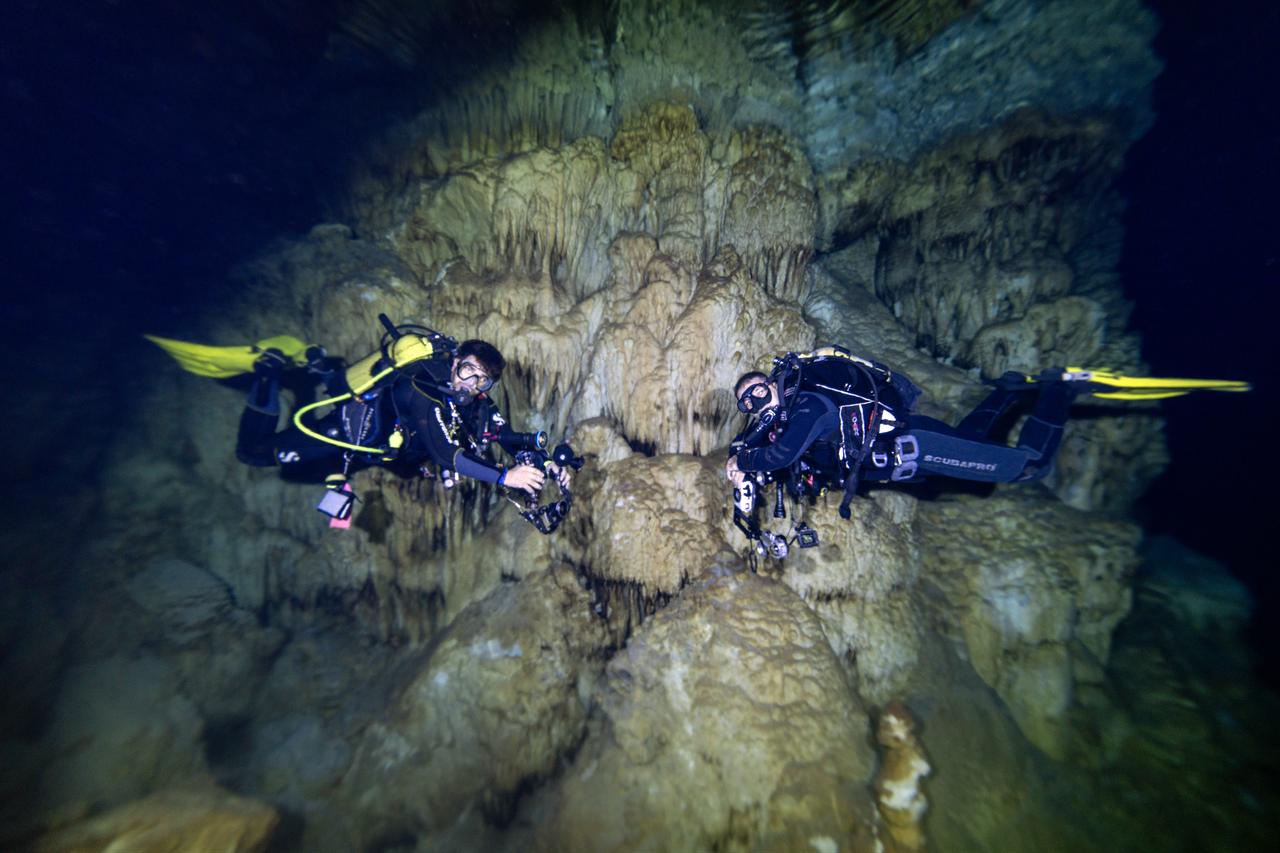

A special dive team led by underwater documentary filmmaker Tahsin Ceylan descended the cave’s 560 steps to reach the lake, located inside the vast chambers carved by ancient climatic shifts.
Supported by the Coast Guard Mediterranean Regional Command’s diving unit, the group explored depths of up to 30 meters (98.4 feet) during a 90-minute dive.
The team recorded unusual stalactites, stalagmites, columns, travertines and delicate cave pearls—formations rarely seen in submerged environments. Their thousands of years underwater shielded them from atmospheric changes, keeping them exceptionally well-preserved.
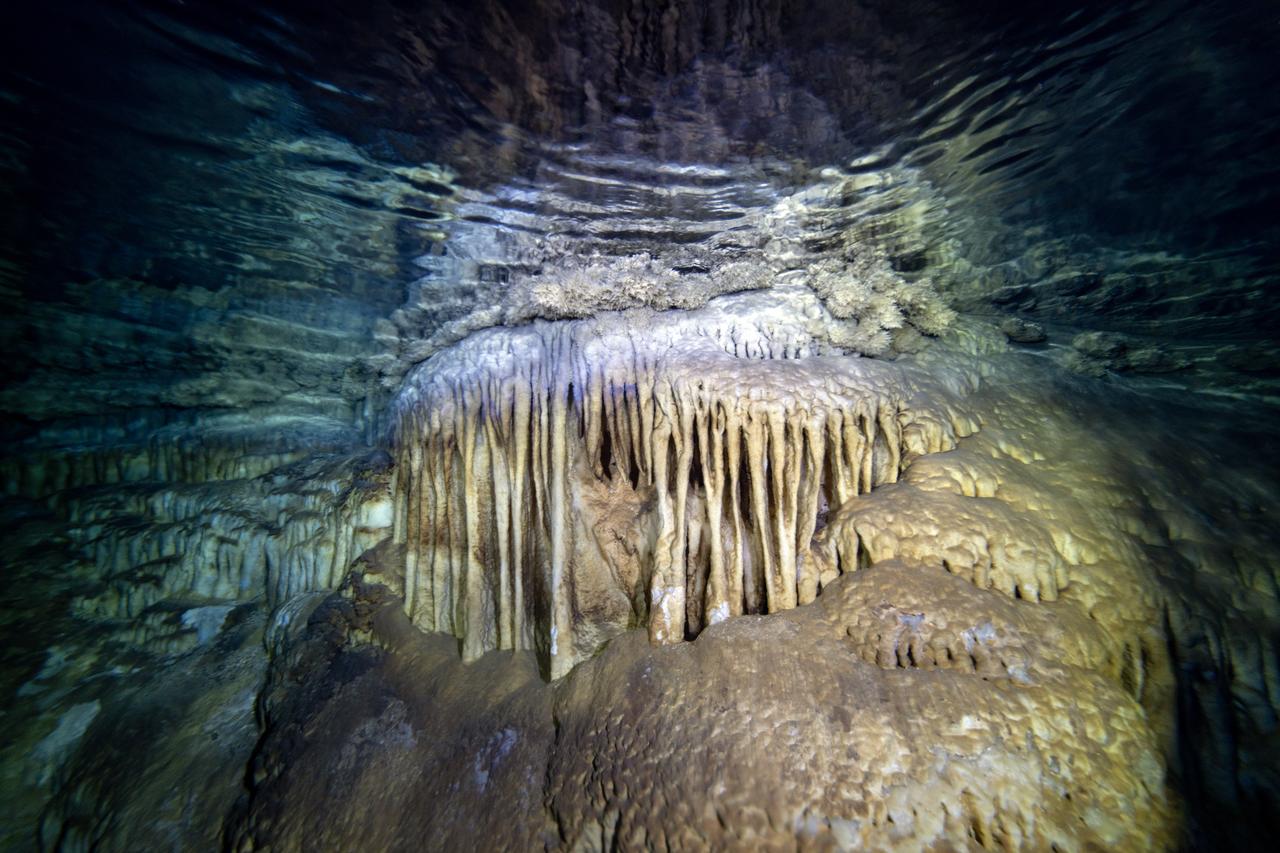
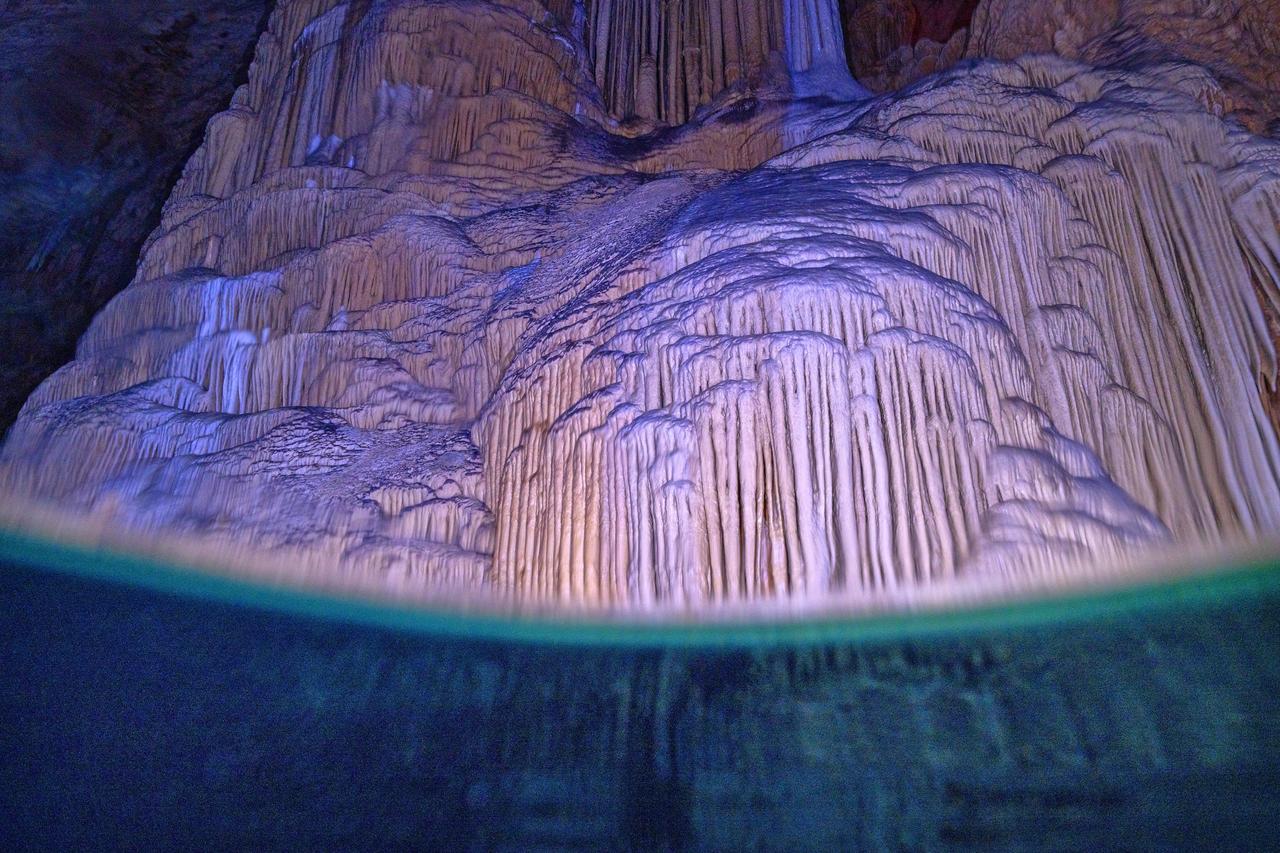
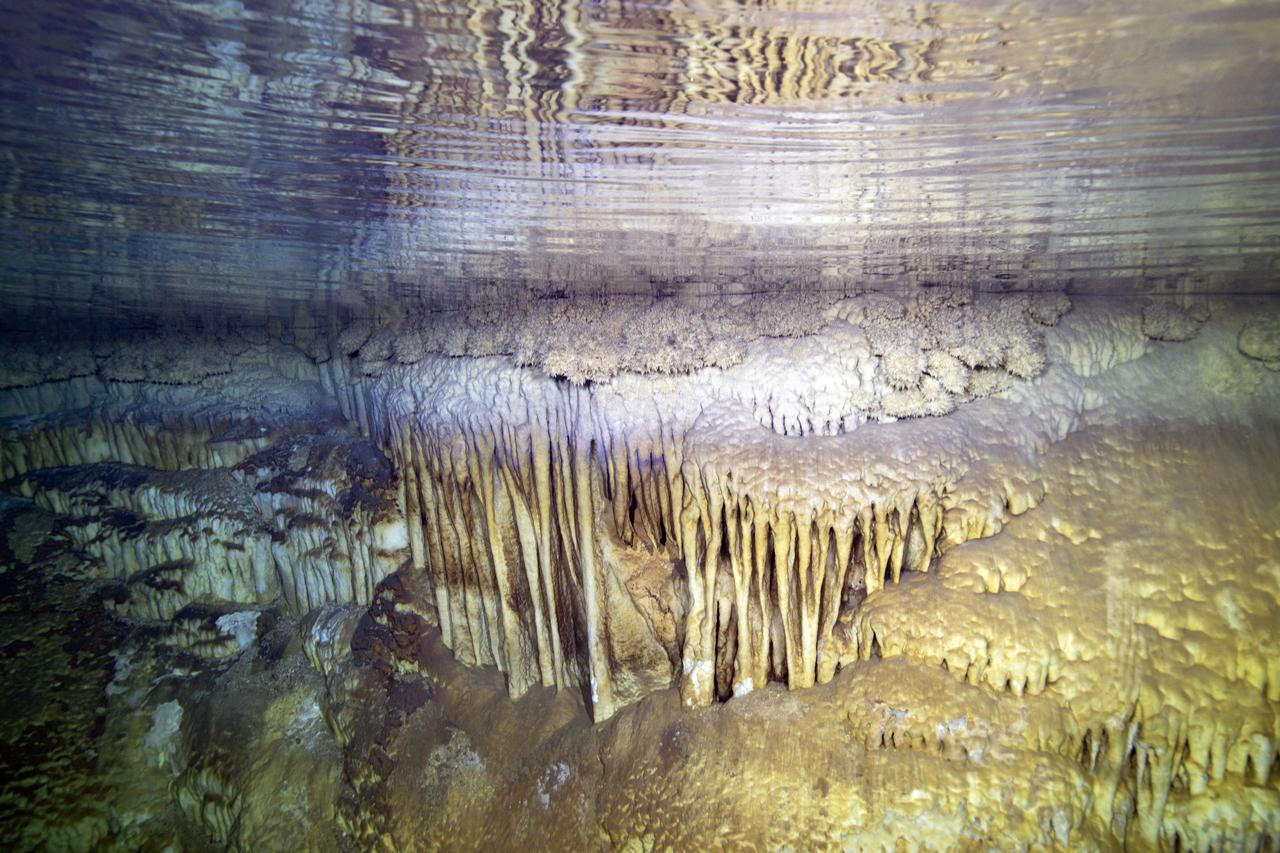
Ceylan described the site as “a masterpiece shaped by nature,” noting that sharing its underwater scenery with the world could elevate Türkiye’s diving tourism.
Dive instructor Mahmut Igde added that the lake holds “legendary underwater beauty,” filled with dramatic shapes and textures sculpted over millennia.
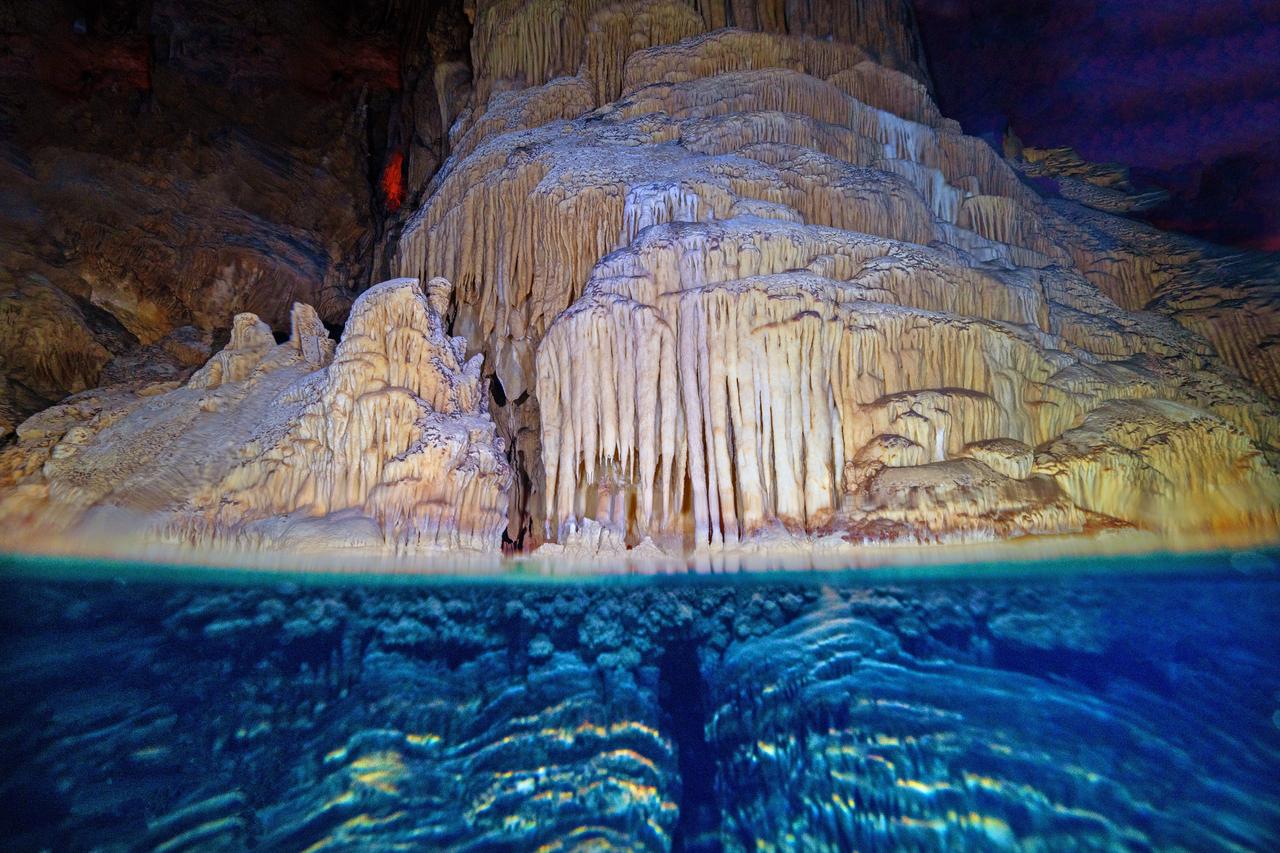
Known locally as “Aynaligol” (Mirror Lake) for its reflective surface, Gilindire Cave sits 45 meters above sea level and stretches 555 meters horizontally.
Its enormous dripstone formations divide the main gallery into multiple halls and chambers, creating a natural architecture unlike any other in the region.
Visitors can reach the cave by turning toward the coast from the Mersin–Antalya highway, just four kilometers from Aydincik town center.


 Set as preferred source
 Set as preferred source



 3 min read