Newsletters


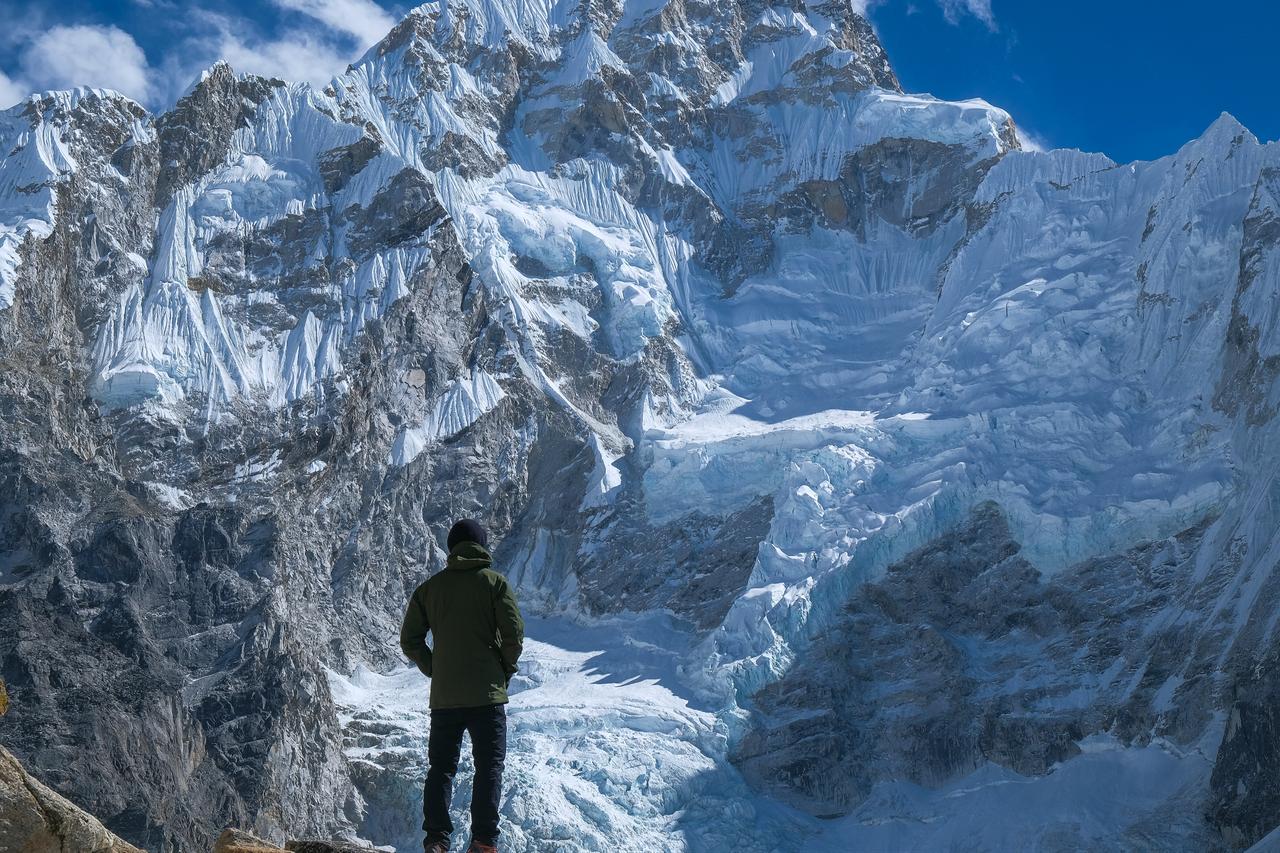


Glacier mass loss across the Himalayas has accelerated sharply over the past decade, occurring 65% faster than in the preceding period, according to a new report that warns millions of people across the mountain region face growing risks as its natural systems come under increasing pressure.
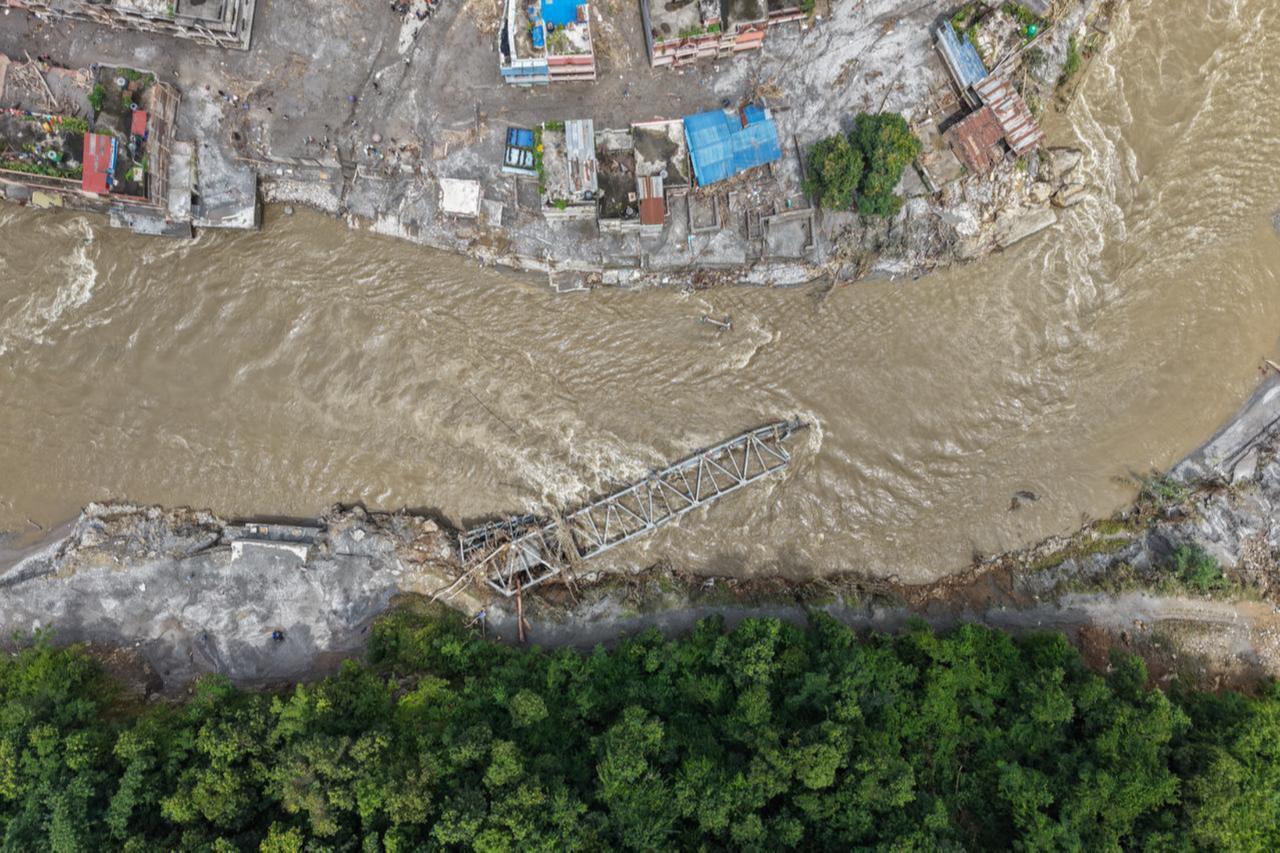
The findings have drawn renewed attention following the Aug. 26 disaster near Nepal's border with China, where flooding believed to have been triggered by a glacier collapse killed more than 1,300 people.
The report, prepared through a partnership involving global systems-change company Systemiq and India's Integrated Mountain Initiative (IMI), describes the Himalayas as approaching a critical tipping point and calls attention to major gaps in monitoring and disaster preparedness.
Despite the growing threat, only around 0.1% of the Himalayas' estimated 40,000 glaciers are currently monitored, according to the report. Knowledge of permafrost, or permanently frozen ground that can also become unstable, remains even more limited.
The report says stronger monitoring, early-warning and risk-mapping systems are needed to anticipate hazards before disasters unfold, rather than relying mainly on emergency responses after they occur.
The Himalayas are particularly vulnerable because hazards can quickly build into one another. The report points to the Aug. 26 event along the Nepal-Tibet border, where a glacier collapse developed into a landslide, then a dam and finally a flood in less than two hours.
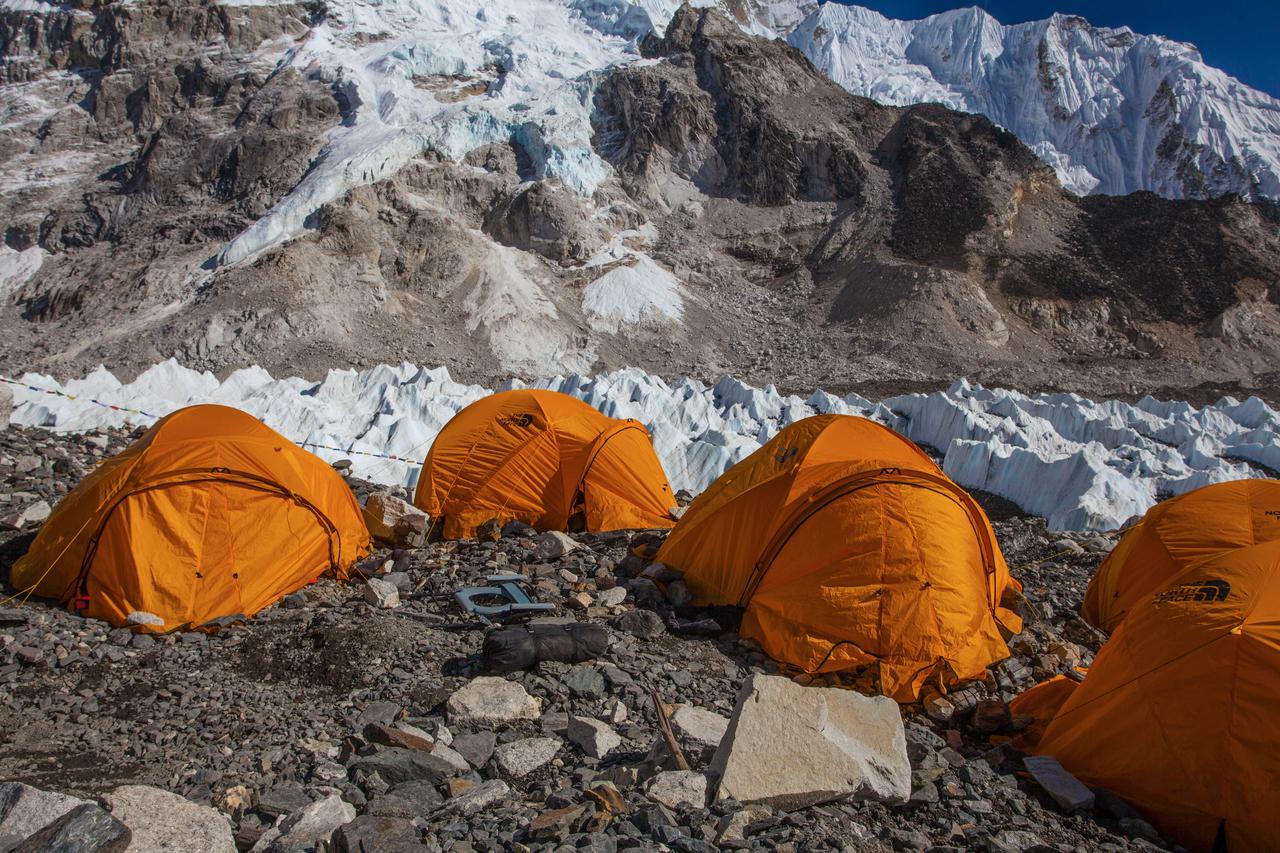

The Himalayas form a vast natural water system supporting the food and water security of around 2 billion people, while disasters originating in the mountains can also spread their effects downstream.
The report warns that wider consequences could include supply-chain disruptions, displacement and geopolitical risks across South Asia and potentially beyond.
The region is also approaching what the report calls "peak water," the point at which glacier meltwater flowing into rivers reaches its maximum before beginning to decline as glaciers continue shrinking. Most Himalayan river basins are expected to reach this stage around the middle of the century.
The report highlights India as one of the countries particularly exposed to the changing Himalayan environment. Although the Himalayan region accounts for about 18% of India's land area, it is linked to roughly 35% of the country's disasters.
The economic stakes are also significant, with the report estimating that Himalayan systems underpin more than 20% of India's gross domestic product through water supplies and economic activity connected to agriculture, hydropower and other sectors.
The findings underline the report's broader warning that accelerating glacier loss, unstable mountain systems and limited monitoring are increasingly interconnected risks for communities and economies across the Himalayas and South Asia.


 Set as preferred source
 Set as preferred source


 1 min read
 1 min read