Newsletters


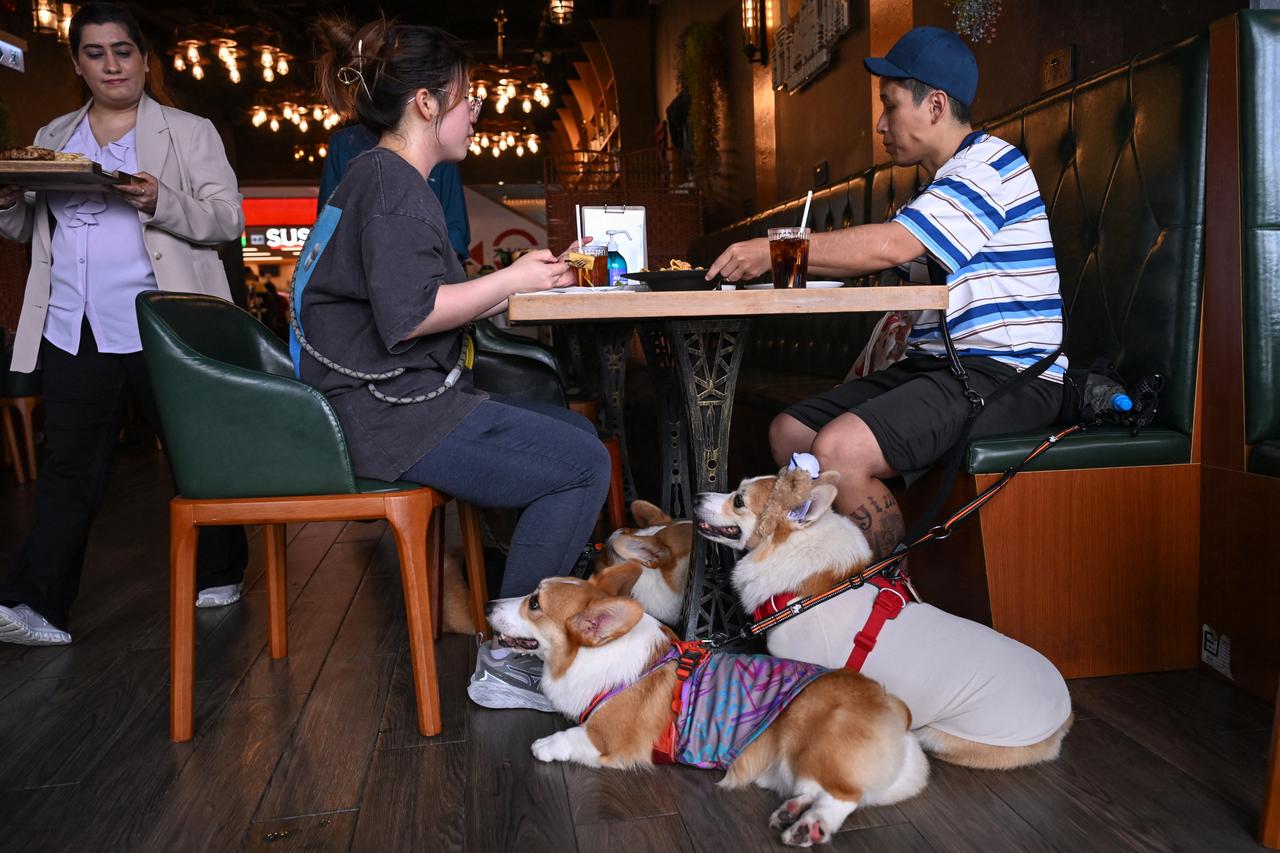


Hong Kong lifted a decades-old ban on dogs inside restaurants on Thursday, providing pet owners with new indoor dining options as authorities seek to revitalize a food service sector still recovering from the pandemic.
The regulatory shift was welcomed by local pet owners like Joe Lam, a 62-year-old retiree, who dined inside an air-conditioned cafe with his wife and their 15-year-old poodle, Glutinous Rice.
Lam noted that while they typically sit outdoors with their pet, the new policy is a relief given the region's intense summer heat.
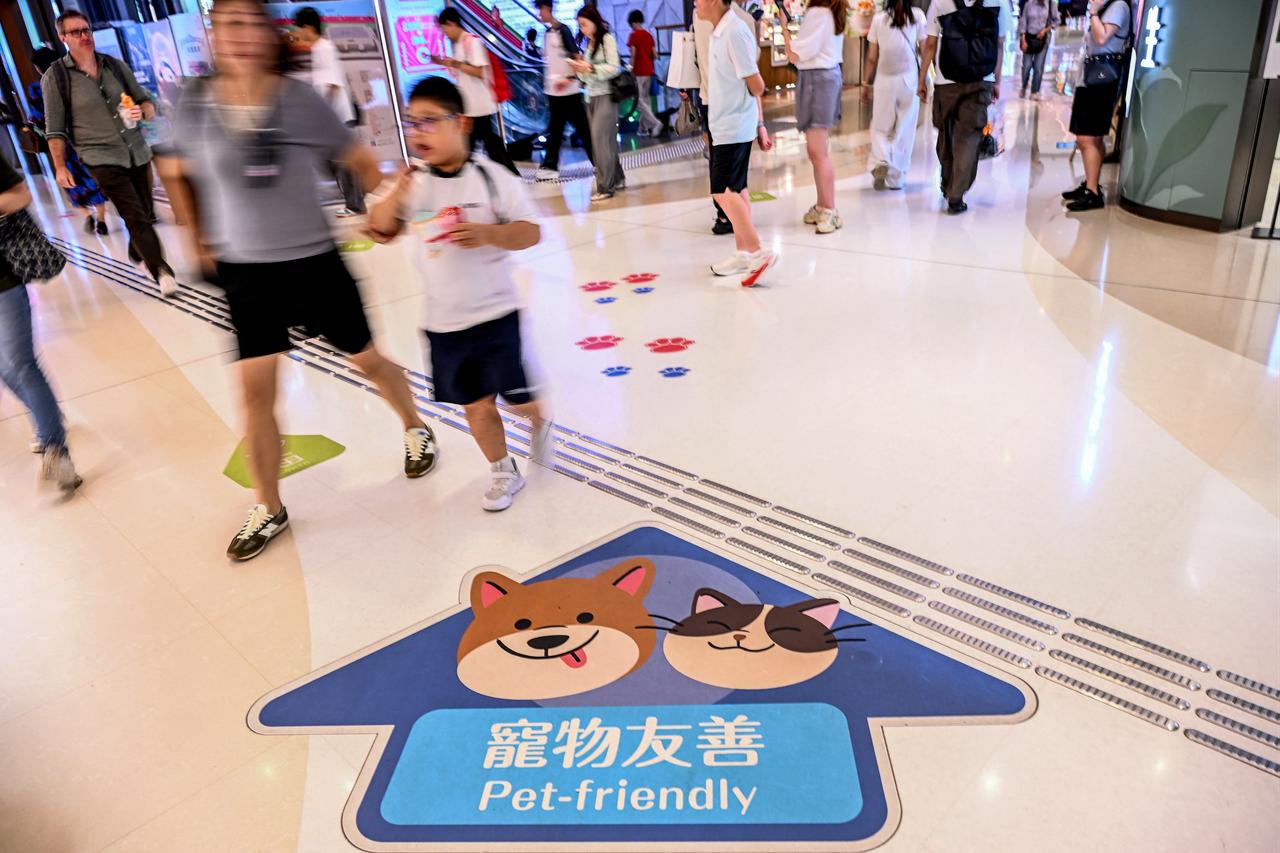

Since 1994, only service dogs and police dogs had been allowed inside food premises in Hong Kong. Dog owners could still sit outdoors with their pets at restaurants that had outdoor areas, but indoor dining had remained off limits.
That changed after the law was amended this year, partly in response to public demand. The move followed Chief Executive John Lee's call to promote a "pet-friendly culture" and make use of the growing pet market.
Lam, who described Glutinous Rice as his "second son," said the new policy would give dog owners more choice.
At the cafe, staff directed Lam and his wife to a designated table and asked them to park the dog's stroller beside it. After the couple left, staff disinfected their table and seats, along with nearby seating.
More than 900 restaurants are included in the first phase of the scheme. Hotpot and barbecue restaurants are not eligible for a license because of safety concerns.
Hong Kong, a city of about 7.5 million people, is home to more than 400,000 pet cats and dogs, according to government figures.
The new policy has not won over everyone.
One elderly man who declined to give his name told AFP he did not want to eat next to dogs because he feared they could urinate on the floor and make restaurants dirty.
Officials from the Food and Environmental Hygiene Department were seen inspecting restaurants for compliance, including checking that signs clearly informed customers that dogs were allowed on the premises.
Under the rules, dogs must stay leashed at all times. They are not allowed on dining tables or inside food preparation areas. If a dog defecates inside a restaurant, operators must thoroughly clean and disinfect the area.
Businesses that break the rules face fines of up to HK$10,000, about $1,275, and up to three months in jail.
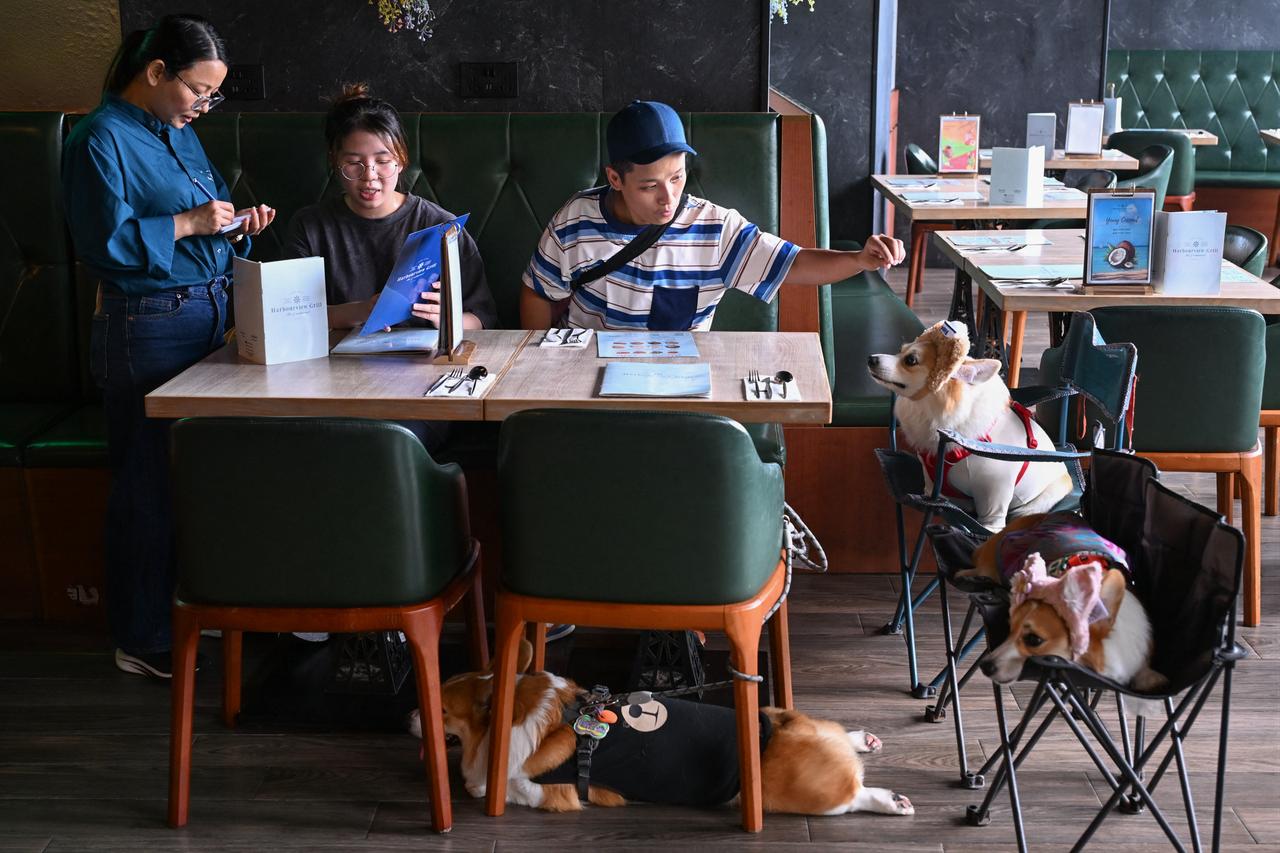
Restaurant owner Vanshika Sharma said the policy could help bring in more customers and support the wider food service industry. Her restaurant, the Harbourview Grill, already had a patio that welcomed dogs, but she said many pet owners had wanted to sit indoors.
Sharma said the mall where her restaurant is located had started promoting its pet-friendly features, which had already increased footfall. She expected business to rise by 20 to 25%.
Pet owner Anny Li, who visited with her two-year-old corgi Nam Chai and two other dogs, said the animals enjoyed air-conditioned spaces. Although Nam Chai barked with excitement at first, Li said the dogs stayed calm under the table and behaved well, giving their restaurant manners a nine out of 10.


 Set as preferred source
 Set as preferred source




 6 min read