Newsletters


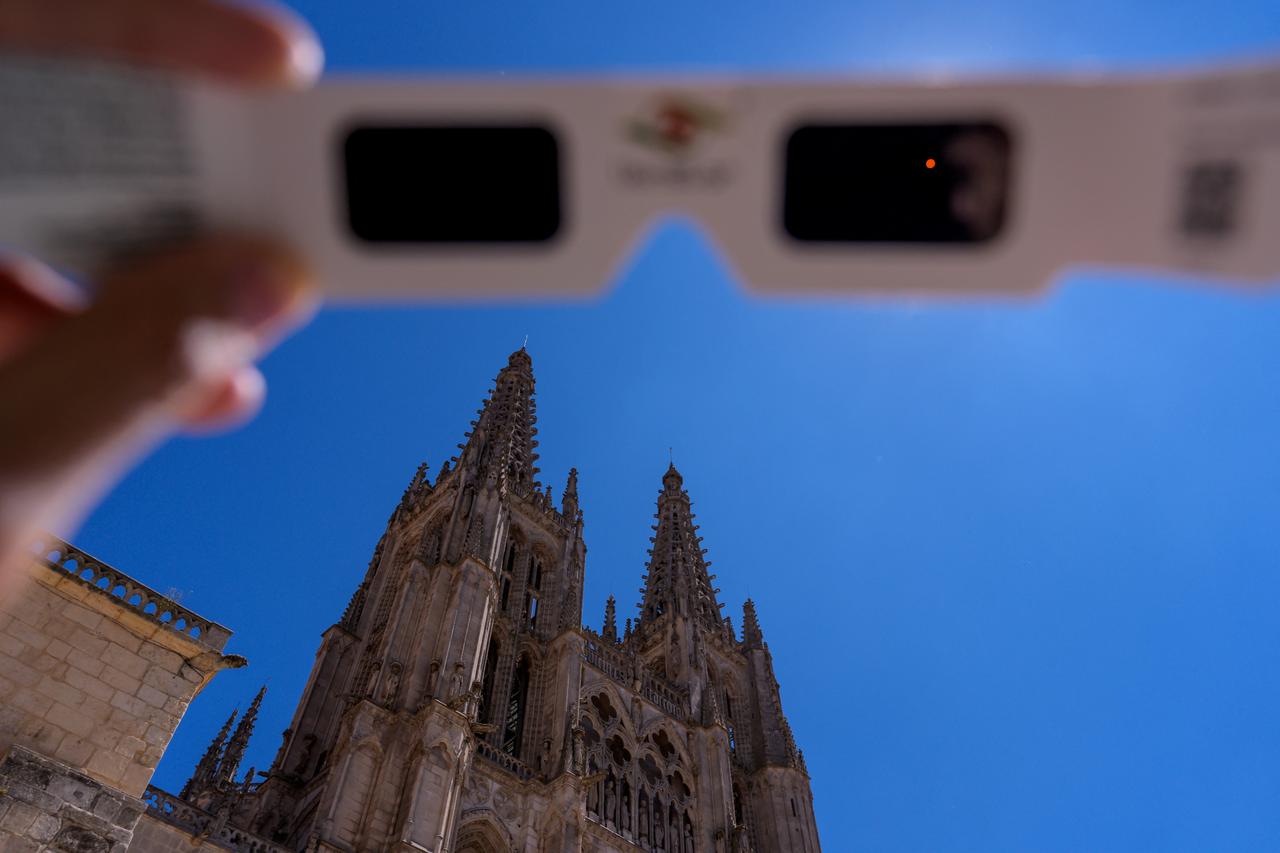


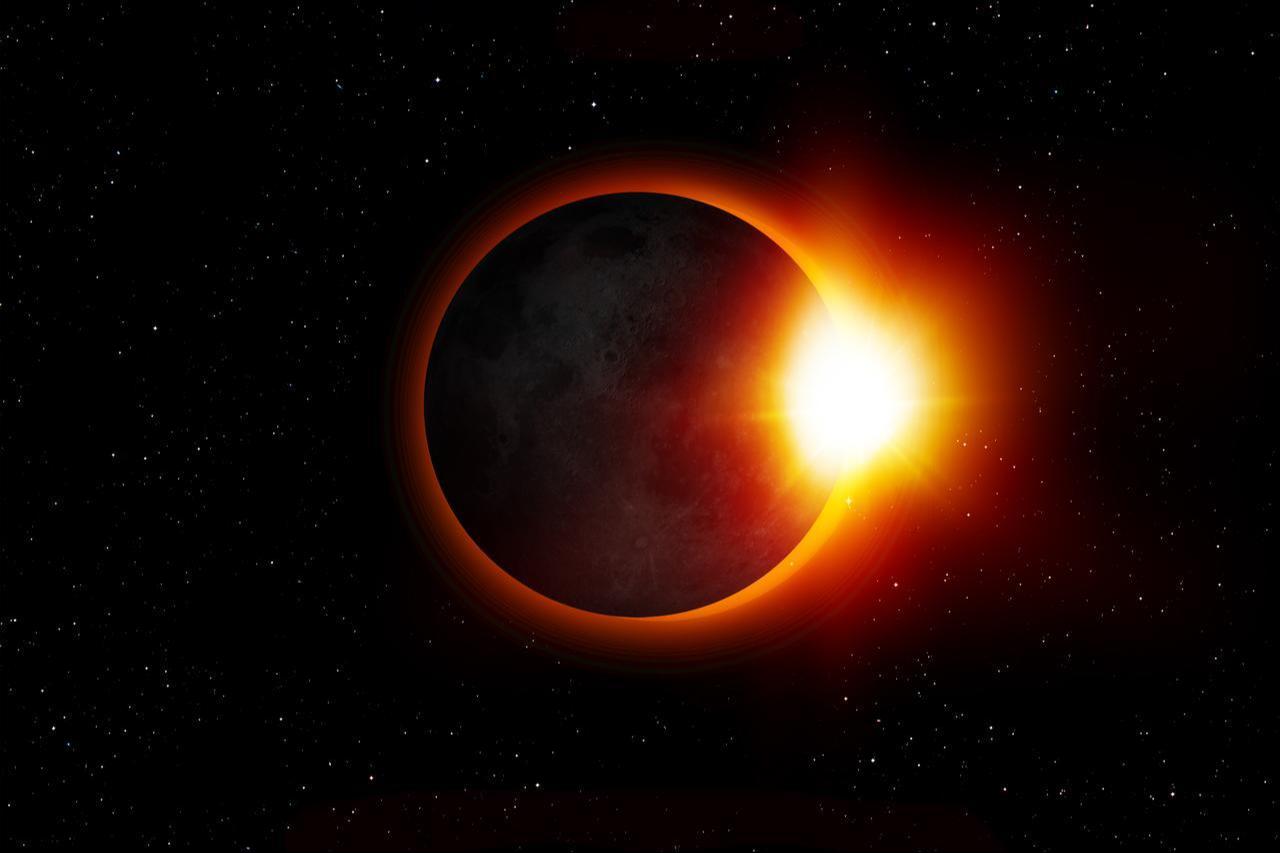
A total solar eclipse will sweep across parts of the Northern Hemisphere on Aug. 12, the first such event in mainland Europe since 2006, plunging many cities into darkness during daylight hours.
The path of totality will move from a remote region of northern Russia, across Greenland and Iceland, before reaching Spain and the northeastern tip of Portugal.
In Spain, the path runs roughly from the northern city of Oviedo to the island of Mallorca, with totality lasting under two minutes just before sunset.

The city of Burgos in northern Spain will experience 1 minute and 48 seconds of darkness.
Totality will last slightly longer in parts of Russia and Greenland, though it will still be under two-and-a-half minutes.
The partial phases, occurring as the moon begins and finishes its path across the sun, will last approximately one hour and 45 minutes.
 1 min read

A solar eclipse occurs when the moon passes directly between the sun and Earth, casting a narrow band of shadow across the planet. During totality, day briefly turns to twilight, causing temperatures to drop and shadows to fall at unusual angles.
While ancient cultures interpreted this phenomenon as an omen or a message from the gods, scientists describe it as a coincidence of scale and distance.
According to NASA, even though the sun is about 400 times bigger than the moon, it is also roughly 400 times farther away. This geometric balance allows the moon to completely block the sun's disc for observers positioned along the path of totality, revealing the sun's outer atmosphere, known as the corona.
Solar eclipses occur once or twice a year, but the narrow path of totality means a given location may wait roughly 400 years to see another.
The next total solar eclipse will cross southern Spain, northern Africa and the Arabian Peninsula on Aug. 2, 2027, with totality lasting six minutes and 23 seconds, the longest of the 21st century.
Spain will see another eclipse on Jan. 26, 2028, when an annular, or "ring of fire," eclipse crosses the country's southern regions.
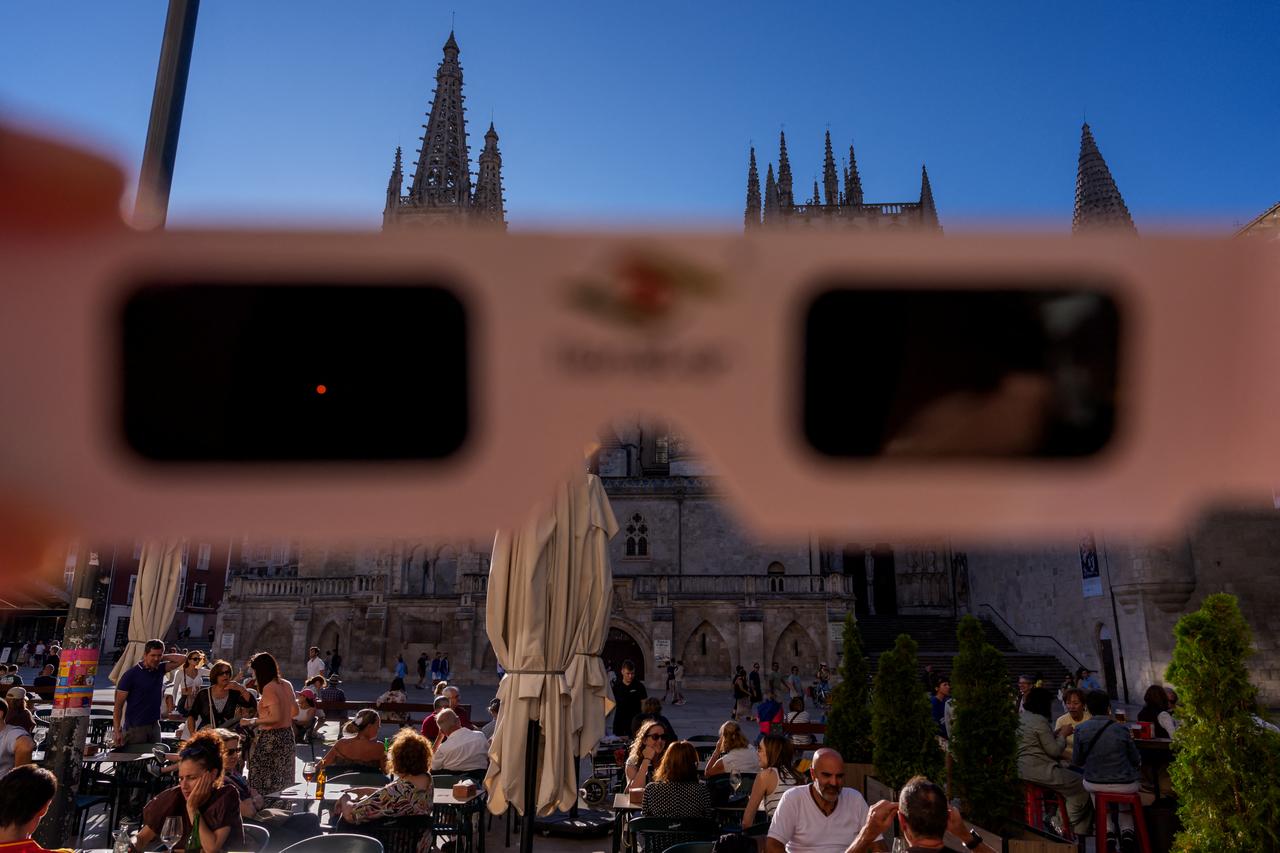
Experts warn against looking directly at the sun during an eclipse, as doing so can cause severe, permanent eye damage. To safely observe the event, individuals should use specialized eclipse glasses that meet the ISO 12312-2:2015 safety standard to filter out harmful ultraviolet radiation.
Because the human retina lacks pain receptors, individuals who view an eclipse without protection often do not notice the resulting damage until hours later.
This risk was clearly illustrated following the 2024 total solar eclipse in the United States, when search engines recorded a massive surge in queries for the phrase "my eyes hurt" in the hours after the event.


 Set as preferred source
 Set as preferred source




 1 min read