Newsletters


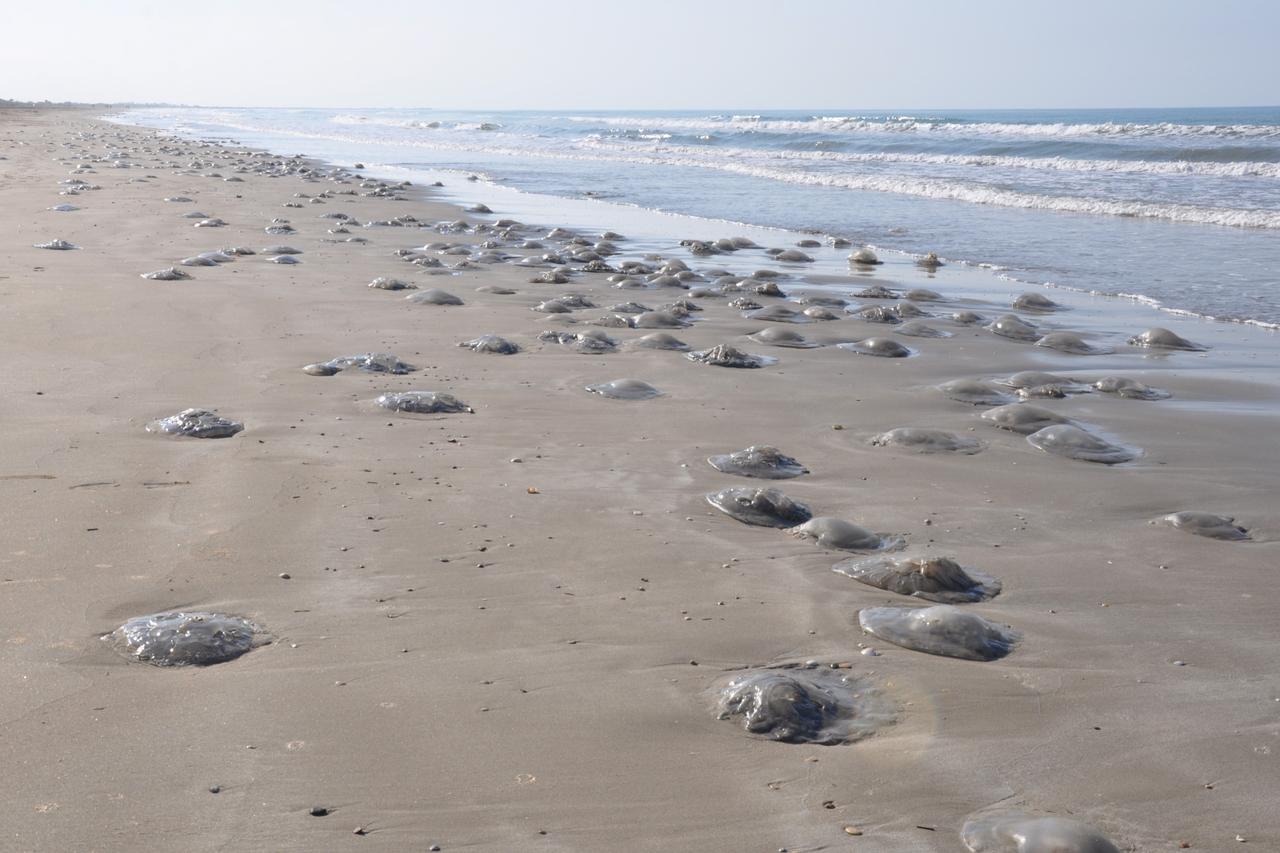


Dead migratory jellyfish (Rhopilema nomadica), believed to have originated from the Red Sea, have accumulated along the Kum Neighborhood coastline, creating noticeable concentrations. Experts warn that while the jellyfish are dead, they can still pose health risks and affect local marine activities.
Professor Deniz Ayas, director of the Marine Sciences Research and Application Center at Mersin University (MEU), told Anadolu Agency that jellyfish naturally inhabit open seas, but seasonal storms, winds, and currents can drive them toward the coast.
“This species has become dominant in the Eastern Mediterranean. Its population increases when plankton is abundant, and during February to April, we frequently observe large numbers washing ashore following adverse weather conditions,” he stated.
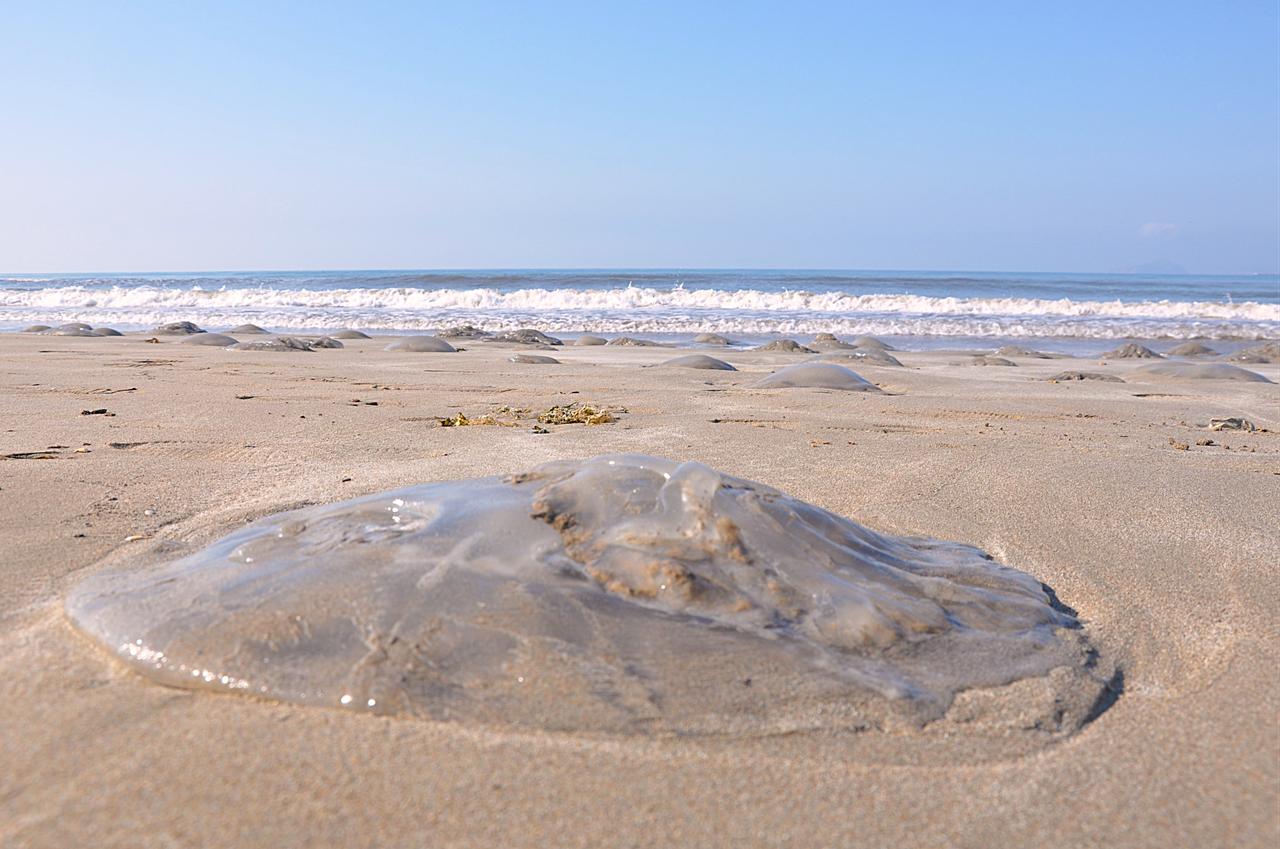

Authorities emphasize that contact with these jellyfish should be avoided. Even dead, their stinging cells may cause skin irritation, redness, swelling, and burning. Allergic individuals could experience severe reactions, potentially life-threatening. Immediate first aid includes rinsing the affected area with clean seawater and seeking medical attention without delay.
The influx of Rhopilema nomadica also poses challenges to tourism and fishing activities along the coast. As an invasive species, it can affect local marine ecosystems, raising concerns among environmental and fisheries experts.


 Set as preferred source
 Set as preferred source


 1 min read

 1 min read