Newsletters


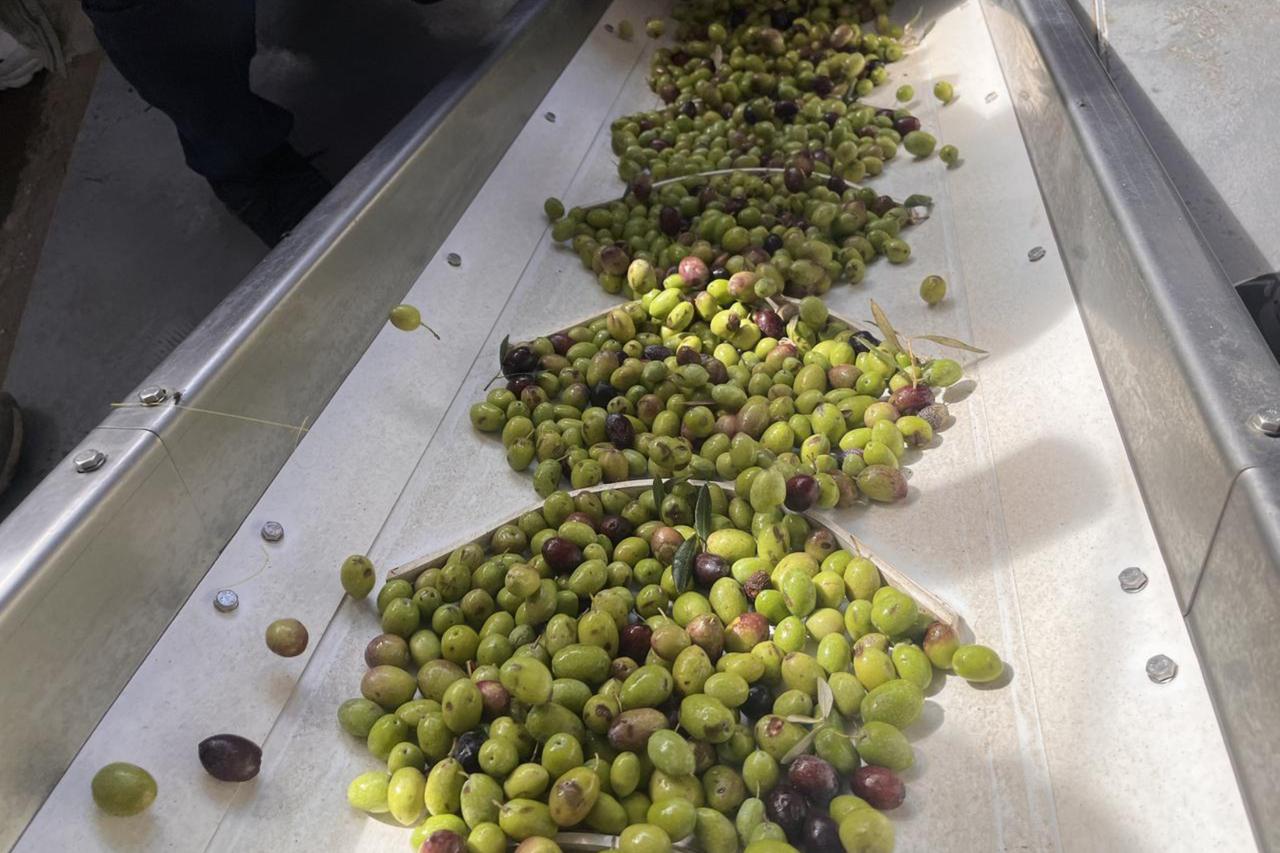


Olive and olive oil producers in Türkiye declared the 2025 season "barren" due to severe drought. Prices skyrocketed in response.
Data from the past eight months reveals a 45 percent increase in olive prices and a 60 percent surge in olive oil costs.
Consumers now calculate the cost of a single olive. Columnist Damla Turgutlu Soybas analyzed this economic shift, noting that an 850-gram jar of Gemlik olives contains roughly 170 pieces. One olive from this standard jar now costs ₺2.71 ($0.06). Retailers at Istanbul's Spice Bazaar sell a single olive for more than ₺5. Boutique producers charge up to ₺10 per unit.
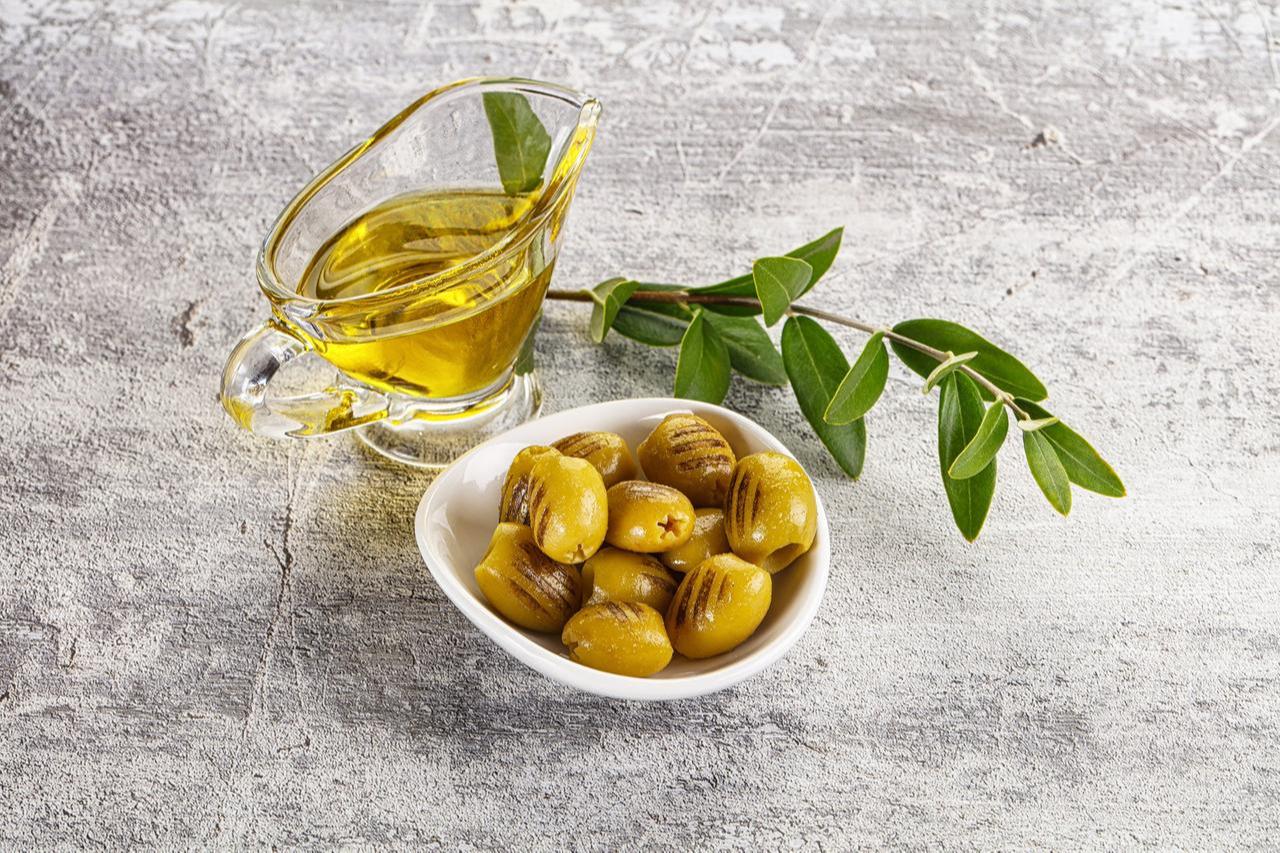

Prices for olive oil varieties experienced massive adjustments between August 2025 and April 2026. The commodity earned its title as liquid gold on market shelves.
Experts point to a crippled agricultural sector rather than simple inflation.
Drought crushed the initial harvest. Farmers then faced doubled agricultural wages and relentless fuel price hikes. Costs for fertilizer, pesticides, packaging, and pressing surged simultaneously.
Producers voice deep frustration over the hostile economic landscape. Many farmers told Soybas, "I cannot earn [enough], I will quit." Another price wave will hit the market between September and December 2026.
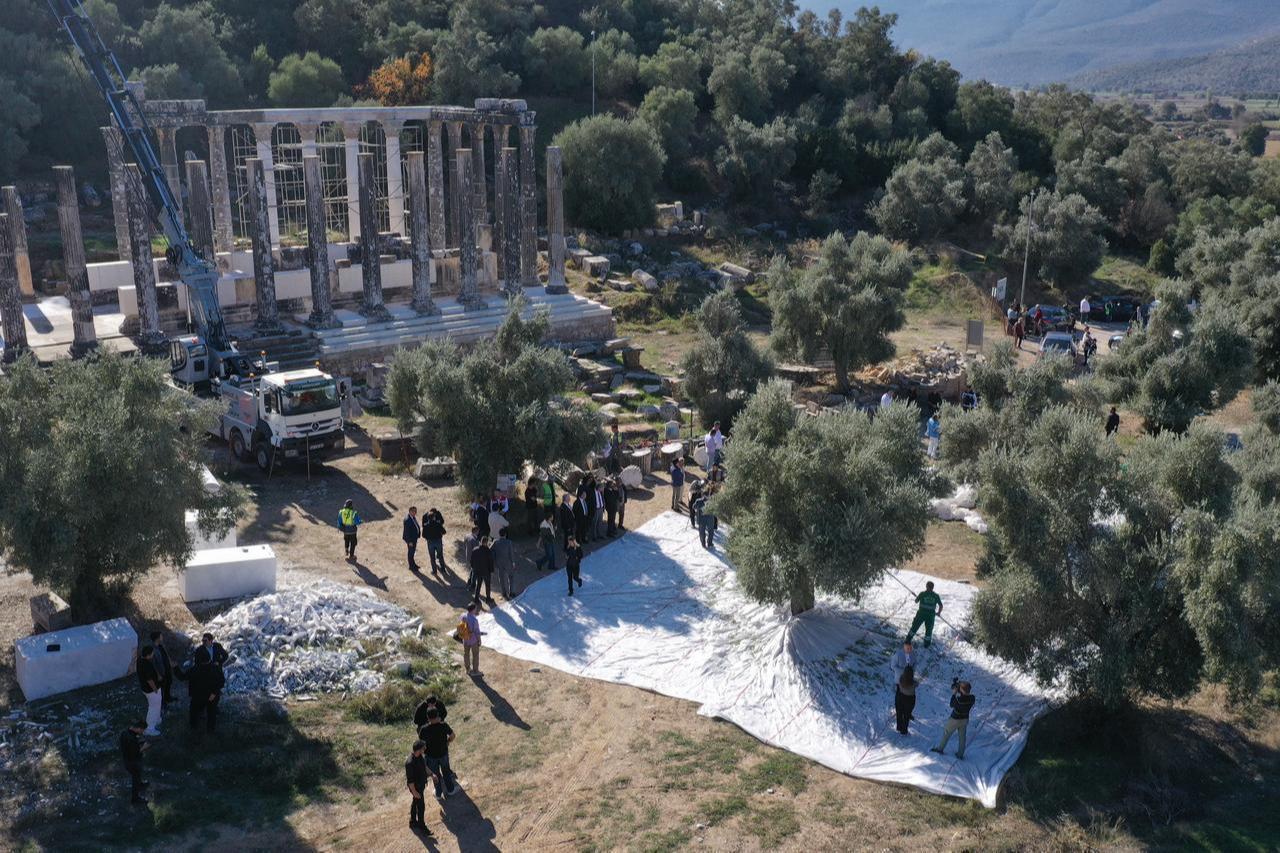
The economic crisis masks a permanent danger to the agricultural heartland of Türkiye.
Corporate mining operations actively consume the land that sustains these olive crops. The government issued an "urgent expropriation" order to seize 679 parcels of private village land in the Akbelen Forest.
This decree secures territory for the Limak-IC Ictas partnership to feed coal into the Yenikoy and Kemerkoy thermal power plants. Lawyer Arif Ali Cangi characterizes this state intervention as a direct hijacking of private property.
Villagers have routinely clashed with state forces to protect their ancient trees from this industrial expansion, but this resistance has been severely punished.
A local court jailed environmental activist Esra Isik on March 31 after charging her with insulting and resisting a public official. Her mother, Ikizkoy's elected local official, Nejla Isik, clarified that her daughter directed her anger at the corporations destroying their ecosystem, not the judicial committee.
"Esra's rebellion is the cry of a frontline activist against the plunder of her land," Nejla Isik stated. "These words are for those who destroy nature for profit."
Local women gathered outside the courthouse to support Isik during her hearing and protested the state institutions facilitating the corporate takeover. "They should write the company's name here, not Courthouse," one protesting woman shouted.
Authorities escalated their crackdown one week later to silence this growing local support. Officials abruptly transferred Isik to an Izmir prison on April 7, stranding her 200 kilometers away from her village. Lawyer Cangi views this sudden exile as a deliberate state tactic "aimed at preventing press statements and protests in front of the prison."
Villagers responded to this escalation by taking their fight to the capital, gathering at the Constitutional Court in Ankara to demand their stolen land back.


 Set as preferred source
 Set as preferred source



 2 min read