Newsletters


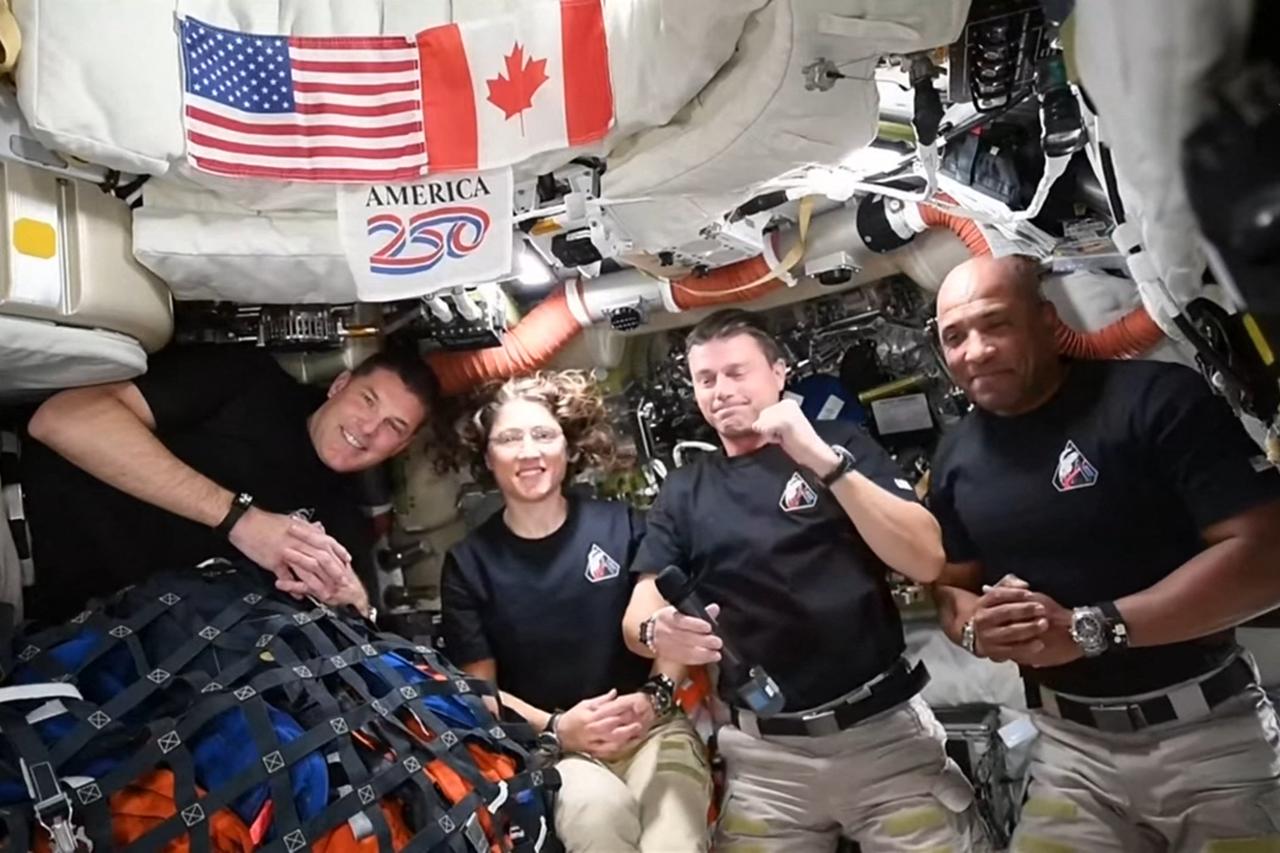


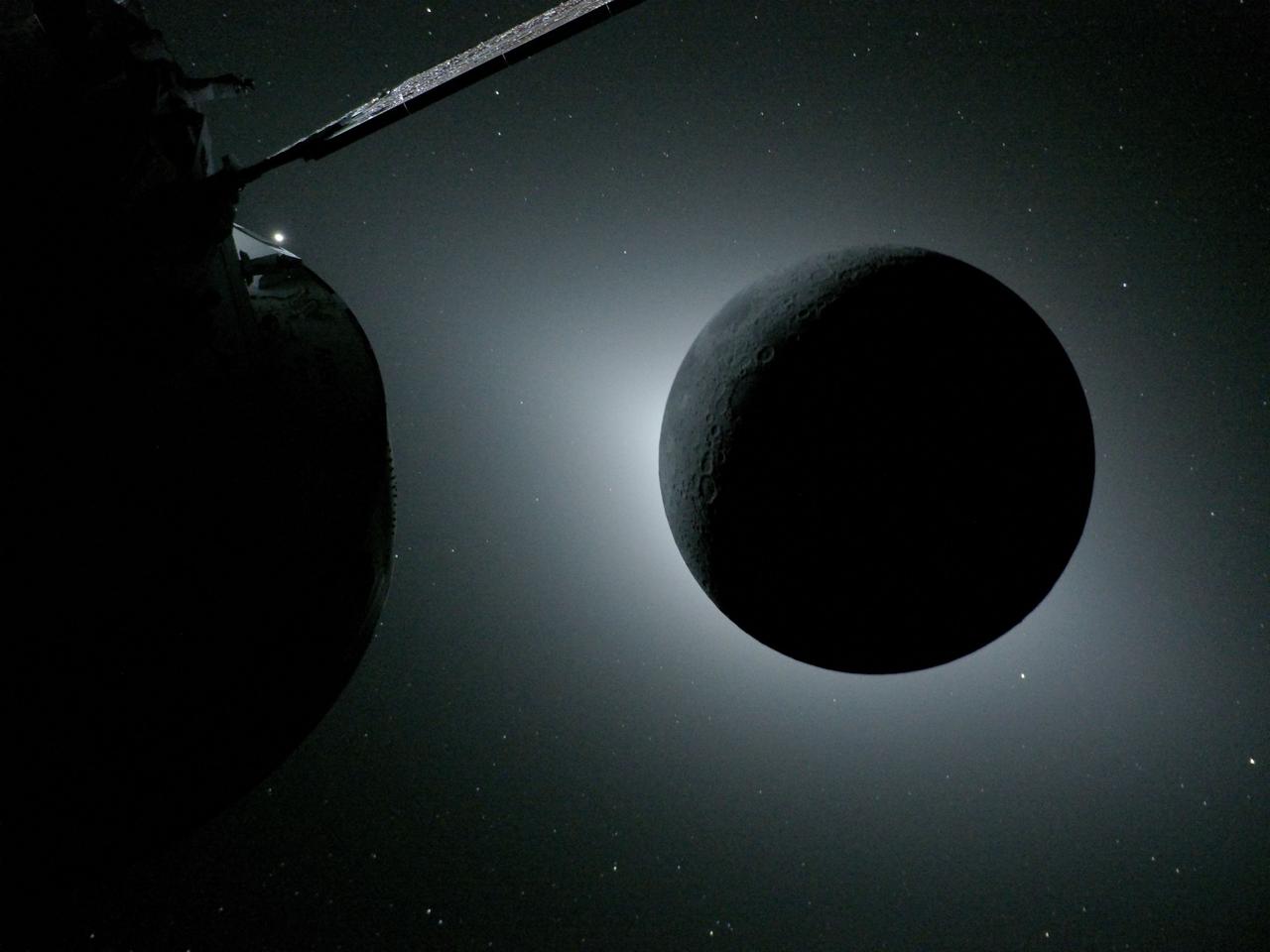
President Donald Trump held a 12-minute call with the Artemis II astronauts on Monday as they circled the far side of the moon.
The crew reached a record distance of 252,756 miles from Earth earlier that day, a milestone that officially surpassed the 1970 Apollo 13 record.
While the mission celebrates a triumph for global science, the live conversation was defined by a long period of silence and the president's claim that he saved the space agency from closing down.
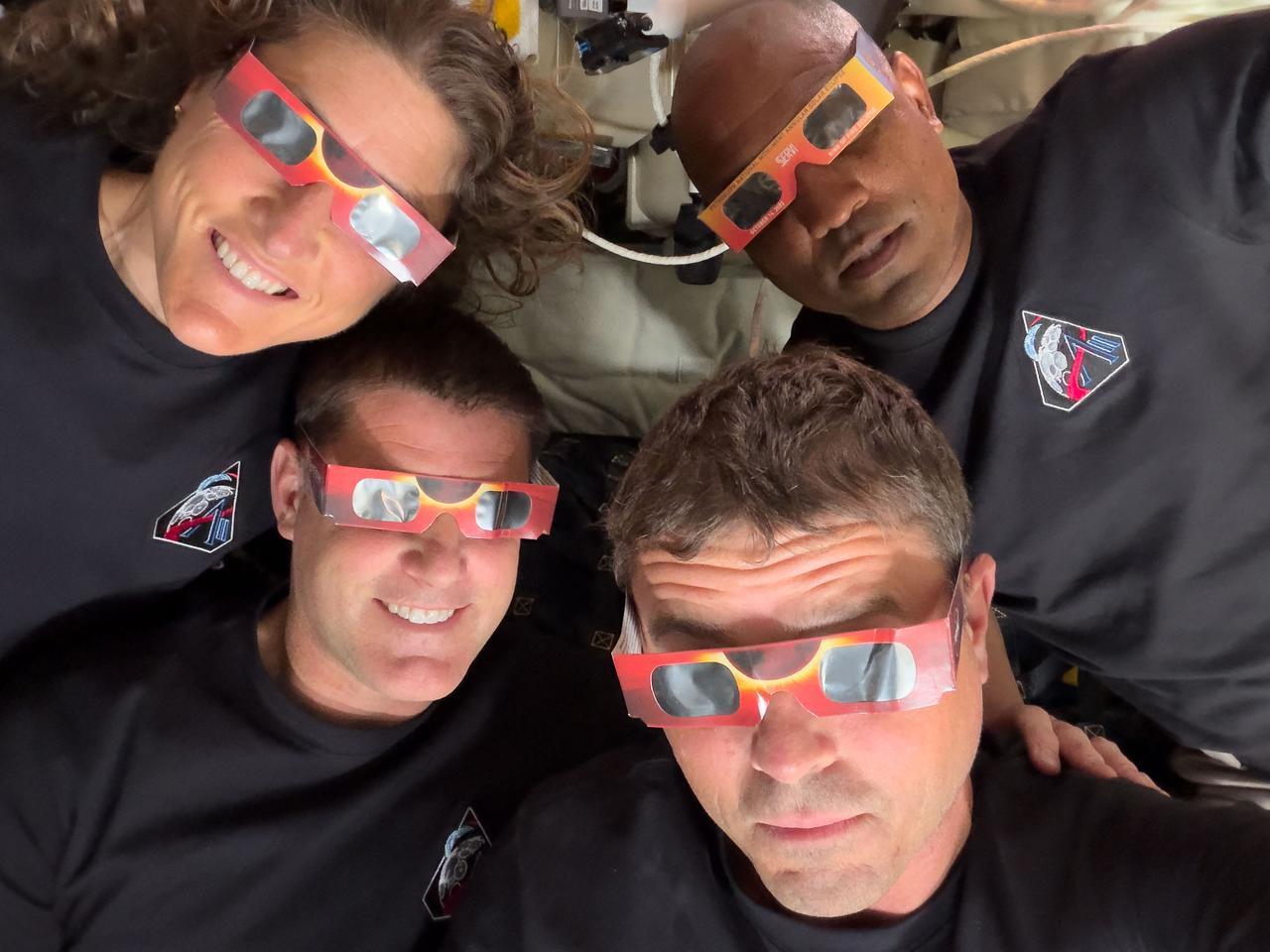

During the call, Trump told the crew that he faced a difficult choice during his first term regarding the future of the organization.
"What are we going to do at NASA? Are we going to have it be revived, or are we going to close it down?" the president asked. He stated that he had very little hesitation in reviving the agency.
However, this narrative contrasts with the fiscal reality of the current administration. Just days after the Artemis II launch, the White House unveiled a 2027 budget request that seeks a 23% reduction in NASA funding.
This proposal follows a 2025 attempt to slash the budget to $18.8 billion. Experts previously warned that such cuts would result in extinction-level reductions for science programs.
While the president continues to praise human spaceflight, Congress has consistently moved in a bipartisan fashion to restore the funding that his administration attempted to cut.
The most viral moment occurred when the president began a monologue about his friendship with Canadian hockey legend Wayne Gretzky.
Trump addressed Canadian astronaut Jeremy Hansen as a "neighbor" rather than acknowledging his nationality and questioned whether Gretzky would have the courage for such a journey.
This comparison carried significant weight because the president previously joked that the hockey star could serve as the governor of Canada if the country were annexed as the 51st state. "I’m not even sure if The Great One would want to do that, to be honest with you," the president said.
A period of dead air lasting 63 seconds followed his remarks.
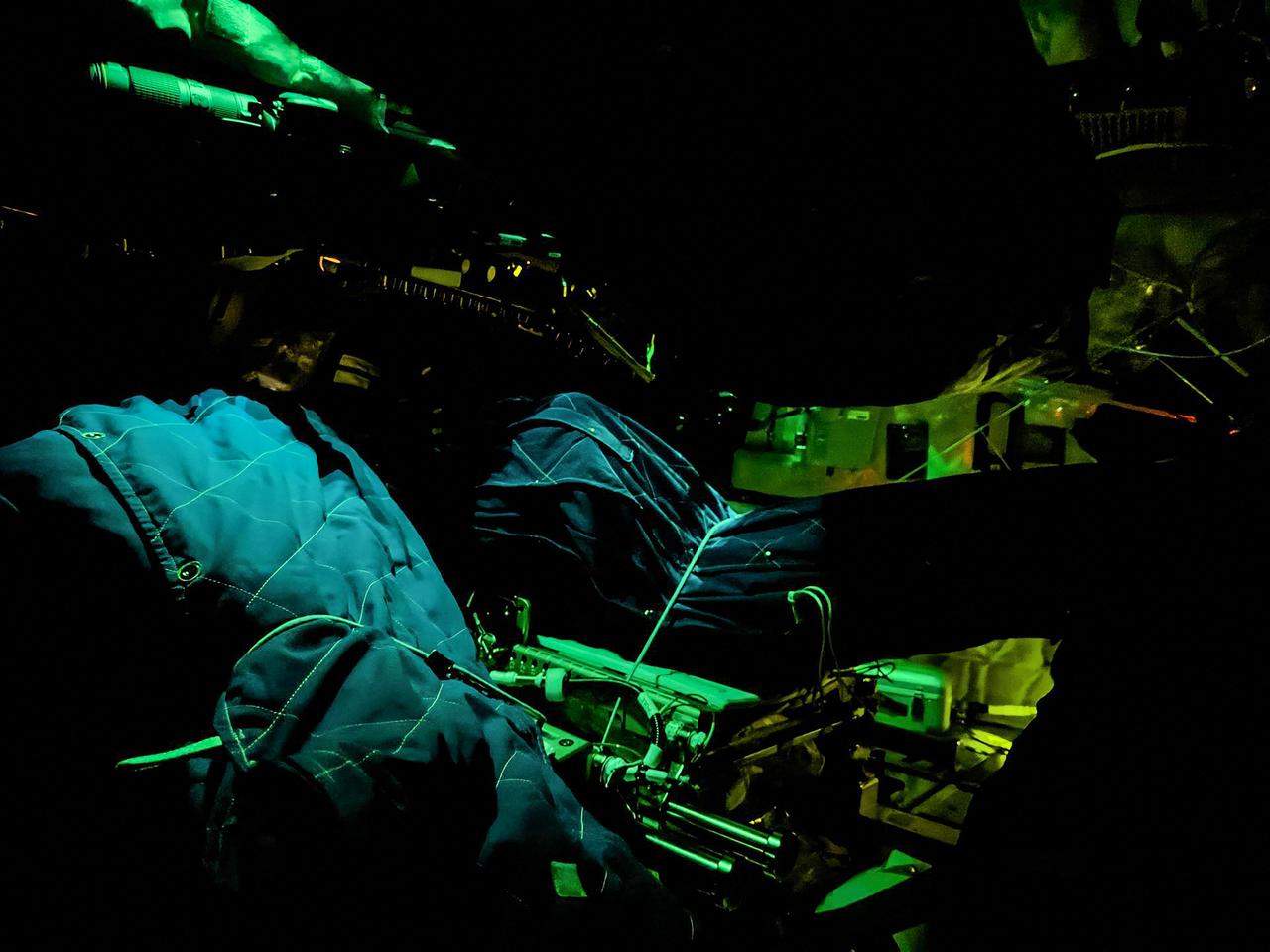
The four astronauts, including Americans Reid Wiseman, Victor Glover, and Christina Koch, floated in zero gravity while watching their microphone drift through the air. They did not respond to the comments about hockey or Canadian leadership.
Commander Reid Wiseman eventually broke the silence to ask for a communication check. "Administrator Isaacman, just get a quick comm check to make sure you guys are still on the line and we didn’t have a handover," Wiseman said.
Once the president confirmed his presence by saying, "I am, yes, I am," the crew offered only awkward smiles and visible side eyes instead of resuming the conversation.
Trump later blamed the pause on a nine-second delay caused by the distance from Earth, but the moment quickly spread across social media as an example of an uncomfortable political encounter.
The massive volume of public comments suggests that the interaction resonated far beyond space enthusiasts. Many observers praised the crew for their professional restraint.
One social media user noted, "Shouts to the astronauts for being willing to make this weird. No need to dig him out of this hole." Another wrote, "This is what integrity looks like. How refreshing to see people not laugh it up." A third observer described the reaction of the Canadian astronaut by stating, "Col. Hansen’s silence is eloquent."
The call also highlighted the current diplomatic tensions between the United States and its northern neighbor. The interaction occurred despite the president's previous rhetorical threats to annex Canada and turn it into the 51st state.
During the call, Trump claimed that "America is the hottest country in the world right now" and said the nation is back and stronger than ever. Despite the political friction, Hansen thanked the United States for its decision to lead and include international partners in the mission.
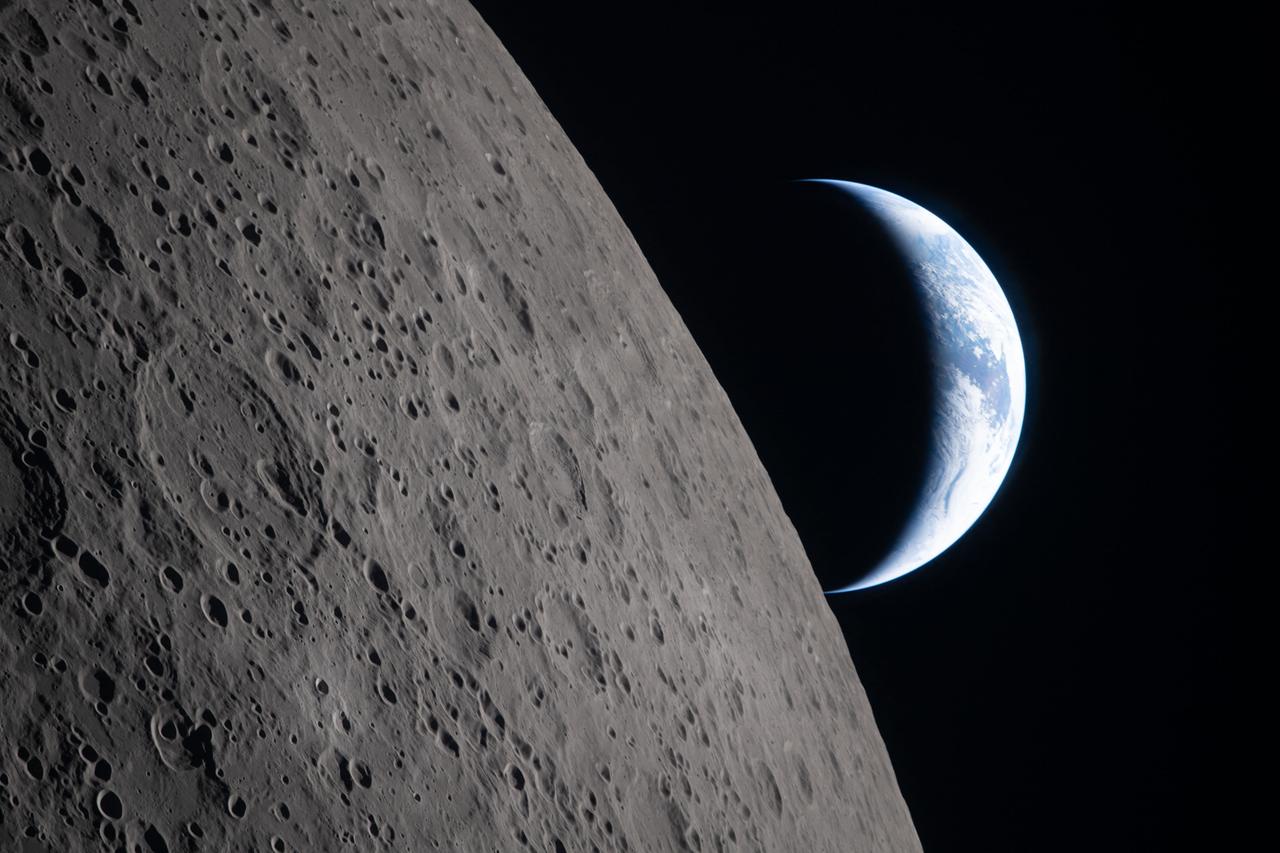
The crew is now traveling back toward Earth for a scheduled splashdown in the Pacific Ocean this Friday.
Commander Wiseman remarked that seeing Mars in the distance during the flight made the crew excited about the prospect of becoming a two-planet species.
Trump concluded the conversation by inviting the astronauts to visit him after their return. "I’ll ask Jared to bring you over, and I’ll ask for your autograph, because I don’t really ask for autographs much, but you deserve that," Trump said. The crew seemingly laughed out loud after this offer and gave side eyes.
This reaction reminded many of the president's controversial February call with the USA men's ice hockey team. During that earlier incident, Trump had joked that he only invited the women’s gold medal team to the White House to avoid being impeached, a comment that sparked accusations of misogyny.
One social media user suggested that the Artemis II crew "learned to keep their mouths shut after watching Trump’s call to USA Hockey."
The presence of Christina Koch heightened the irony. Although she is a record-breaking scientist and the first woman on a lunar mission, she sat in the frame while the president maintained a boy's club tone by focusing on men's hockey and Wayne Gretzky. The crew's nervous laughter and subsequent awkward silence reflected the contrast between their historic achievement and the president's rhetoric.
The success of the journey provides a rare moment of unity for those who follow the progress of the Artemis program. Despite the political friction on the ground, the crew continues to inspire the world as they prepare for their return home.


 Set as preferred source
 Set as preferred source



 2 min read