Newsletters


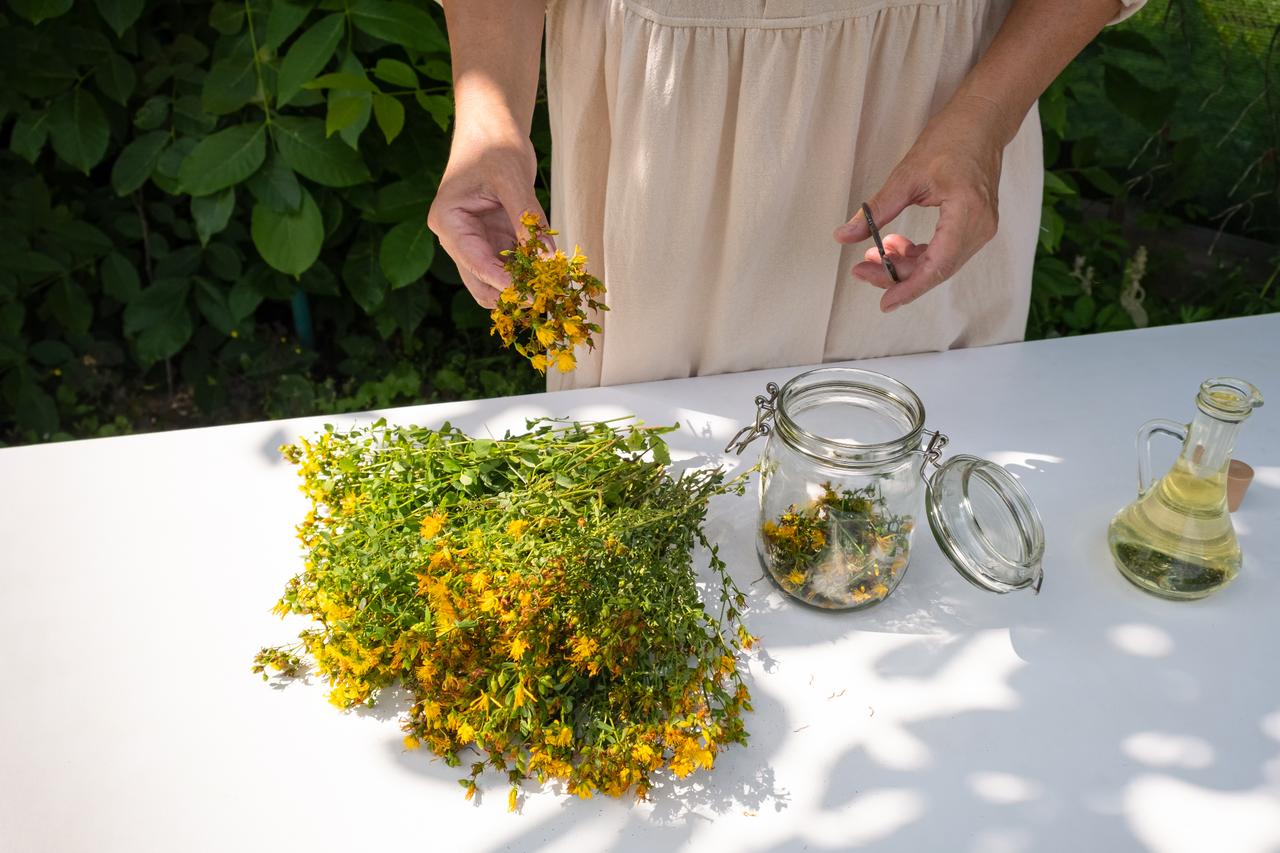


St. John’s Wort oil, known in Türkiye as "kantaron" oil, remains one of the most enduring herbal preparations linking ancient Mediterranean medicine with Anatolian household traditions.
Made from the flowers of "Hypericum perforatum," the oil is usually produced by steeping the plant in a carrier oil, most often olive oil, through a slow infusion method known as maceration.
Its most recognizable feature is its deep red color. This shade develops gradually as active compounds, especially hypericin, are released from the plant into the oil. For many families in Türkiye, that change in color is still seen as the sign that the oil has taken on its traditional character.
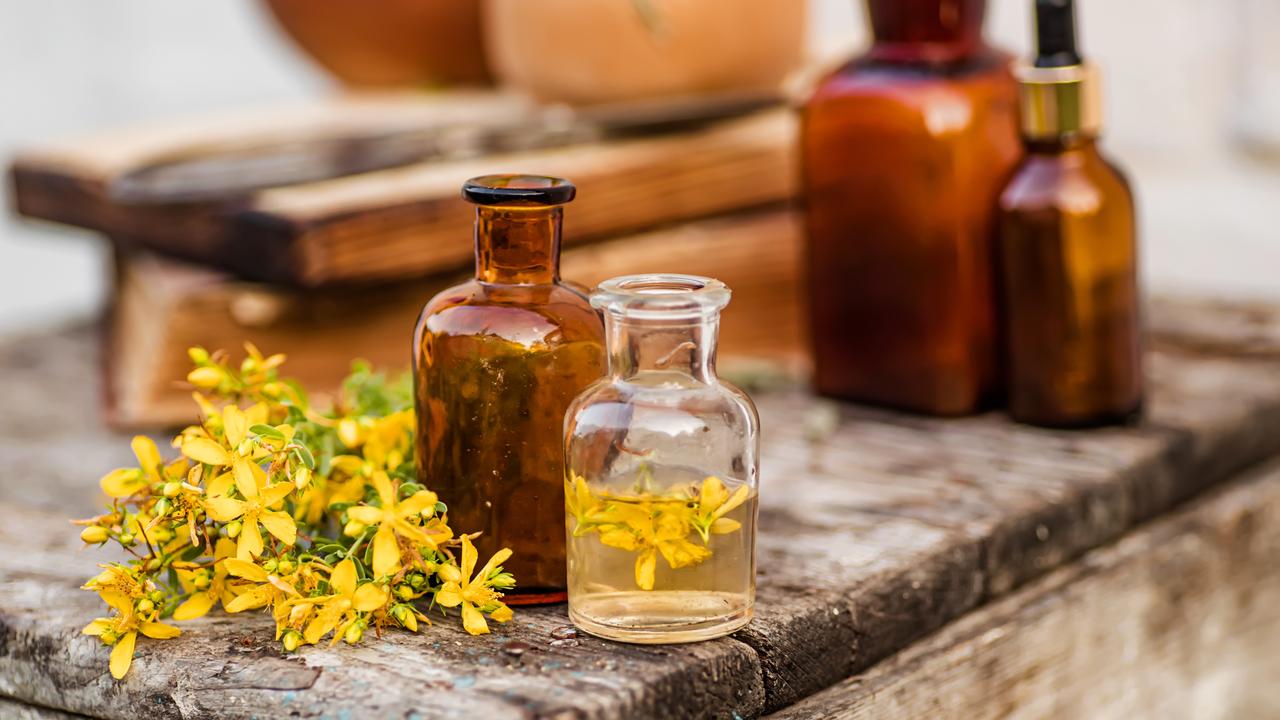

The use of St. John’s Wort dates back to Ancient Greece, where it was associated with wounds, burns and emotional disorders. Over time, it also gained a place in European folk medicine, where it became linked with healing, protection and rituals around St. John’s Day on June 24.
In Anatolia, the plant became part of traditional herbal medicine under the name "kantaron." It was especially known for skin injuries and digestive issues, and was used both on the skin and, in traditional remedies, internally in small doses.
This shared Mediterranean and Anatolian background gives St. John’s Wort oil a long cultural continuity. It has moved from ancient healing practices into modern home production, while still carrying many of the same associations: care, recovery and everyday first aid.
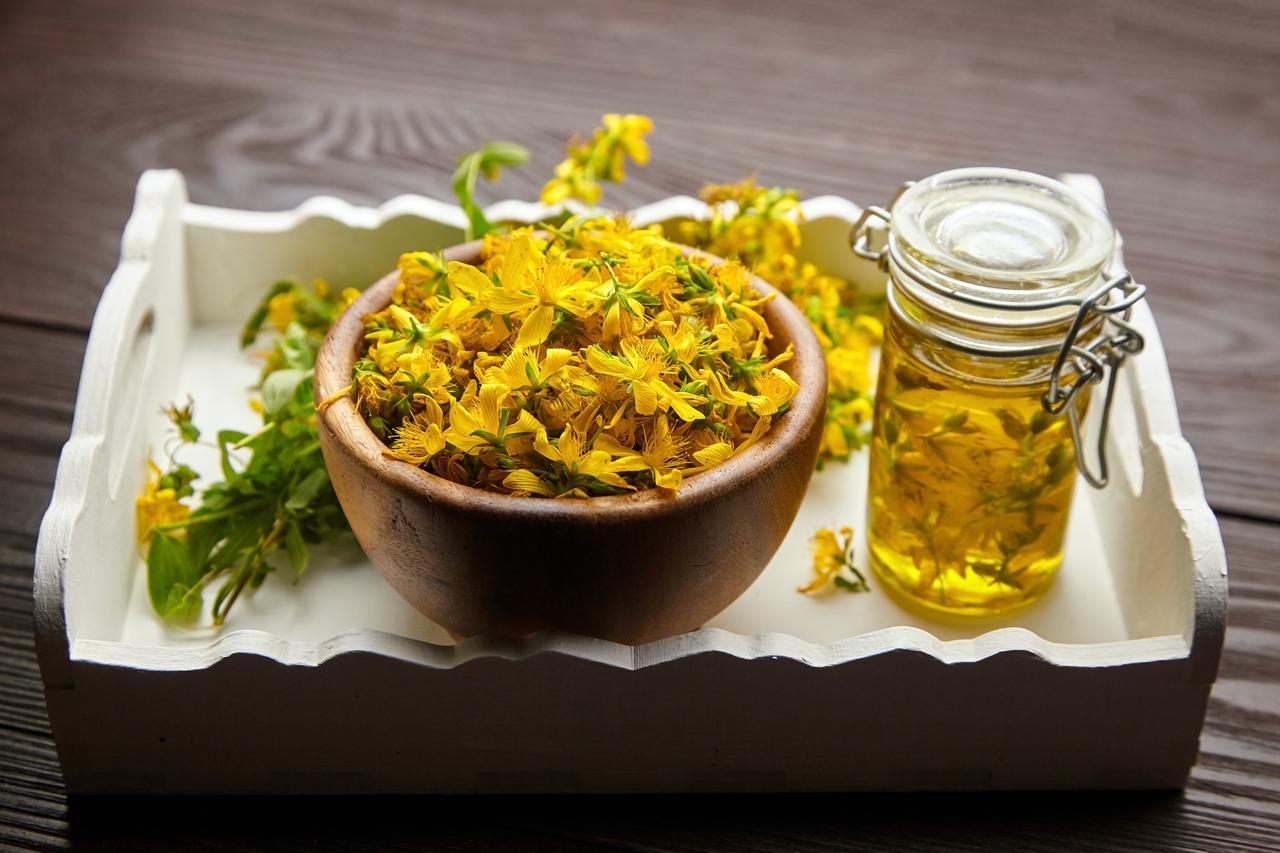
Across different cultures, kantaron oil has mostly been used for skin and wound care. It has been applied to cuts, burns and scars, while also being associated with skin regeneration and reduced inflammation.
The oil is also valued in traditional practice for its anti-inflammatory and antimicrobial qualities. It has been used for irritation, acne and some infections, although preparation methods and results can vary.
Another common use is pain relief. In this context, the oil is applied externally as a massage oil for muscle and joint pain. The plant itself is also associated with mild depression and anxiety relief, though this connection is more often linked to plant extract rather than the oil.
Modern medicine continues to study these effects, and internal use requires caution.
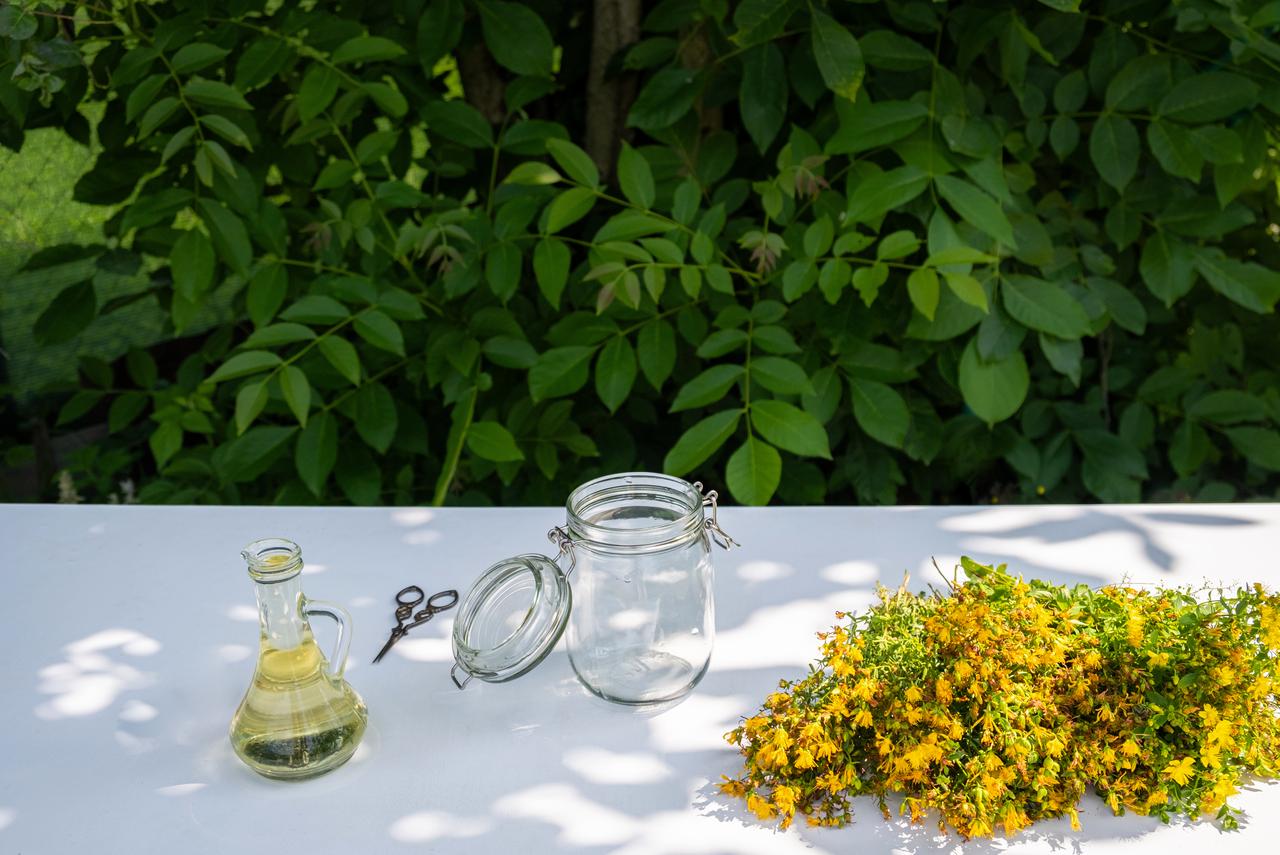
Kantaron oil can be prepared at home using a traditional method known as maceration, a slow infusion process in which the plant’s flowers are left to release their compounds into oil over time. As the process unfolds, the oil gradually takes on its characteristic red color before being filtered and stored.
Olive oil is traditionally preferred, especially in Türkiye, where home production remains common in rural areas. While the method is simple, it relies heavily on maintaining cleanliness and avoiding moisture throughout the process.
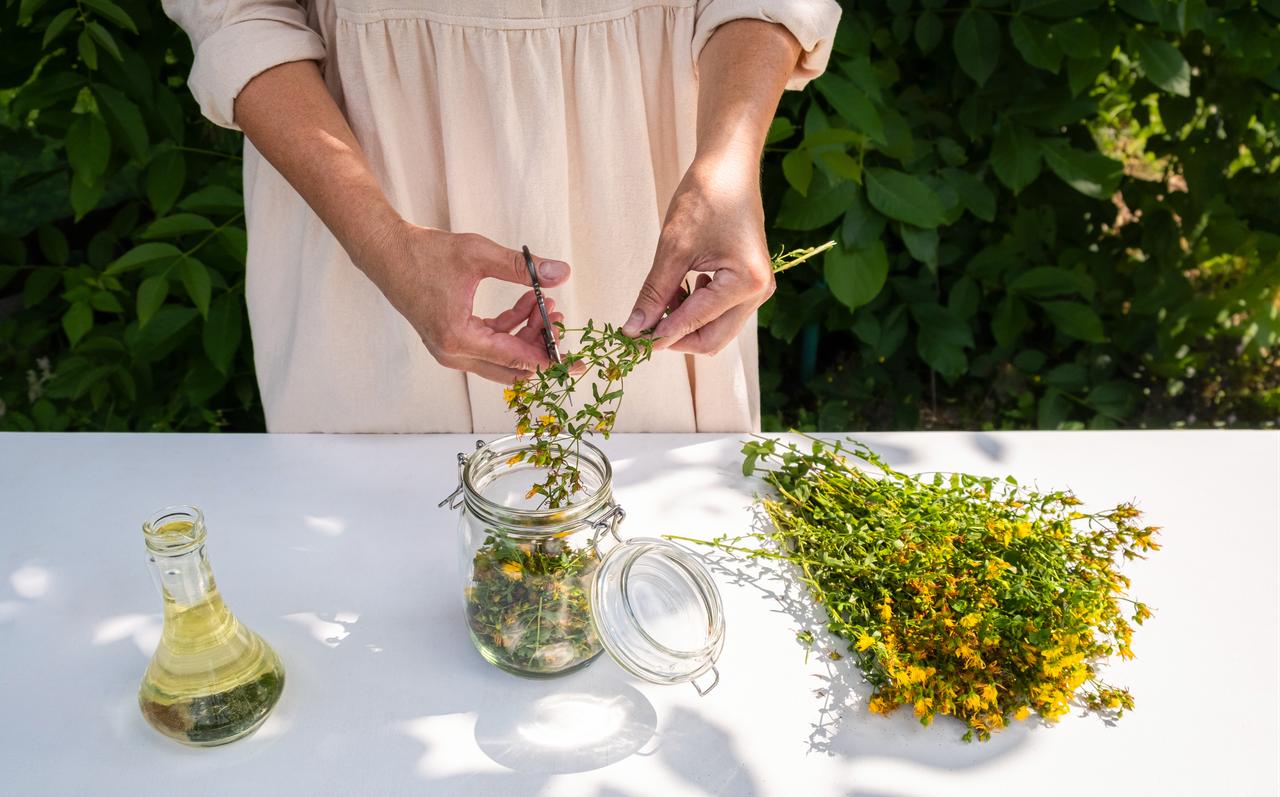
To begin, fresh St. John’s Wort flowers are placed in a clean glass jar and fully covered with olive oil. The jar is then closed loosely and left in a sunny spot for four to six weeks. During this period, it is shaken occasionally to support the infusion. As time passes, the oil turns reddish, indicating that active compounds have been released.
Once the infusion is complete, the oil is strained and transferred into a dark glass bottle for storage. Moisture is one of the main risks during preparation, as it may lead to spoilage or mold. For this reason, the flowers should not be washed with water before use, and the finished oil should be kept away from light to preserve its quality.
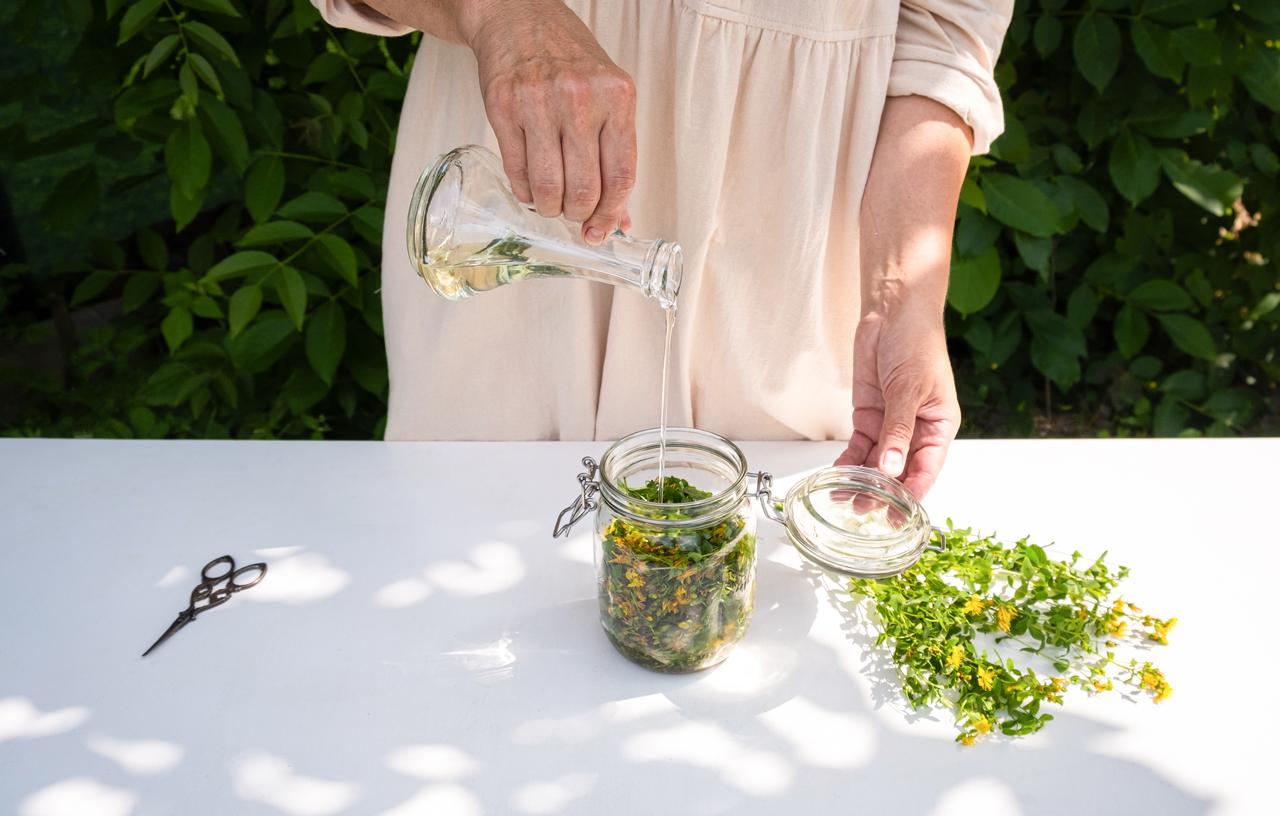
In Türkiye, kantaron oil is often prepared at home, particularly in rural areas where herbal knowledge is passed down through generations. It is commonly regarded as a natural first-aid oil and is also known locally by names such as “binbirdelik otu yagi.”
This domestic tradition is part of the oil’s continuing cultural importance. Rather than existing only as a commercial herbal product, kantaron oil remains tied to household practice, seasonal preparation and inherited knowledge.
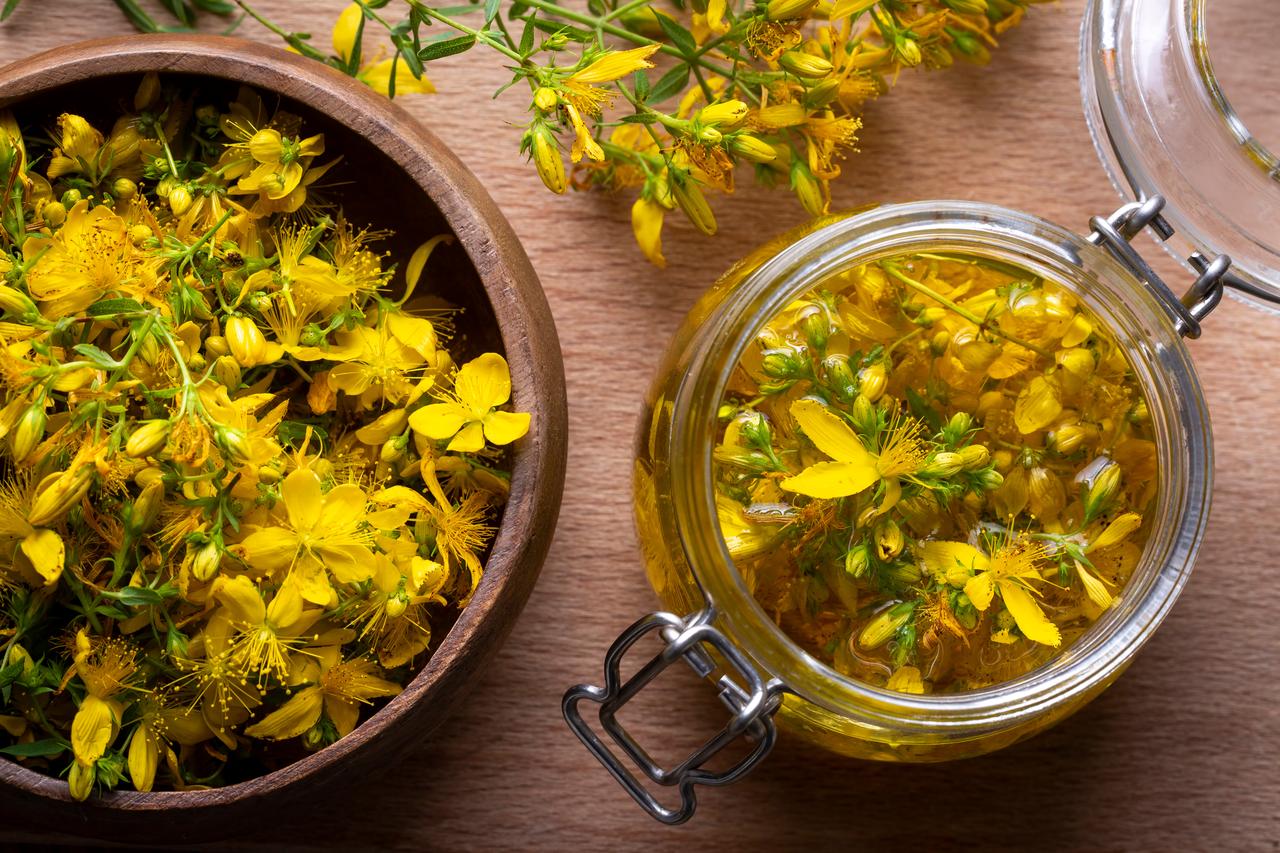
Modern research has focused on compounds such as hypericin and hyperforin. These compounds are associated with anti-inflammatory, antimicrobial and potential antidepressant properties.
However, the effects of St. John’s Wort oil may vary depending on how it is prepared and used. Dosage, plant quality and production method all shape the final product. For that reason, external use remains the clearest traditional application, while internal use should only be considered with professional guidance.
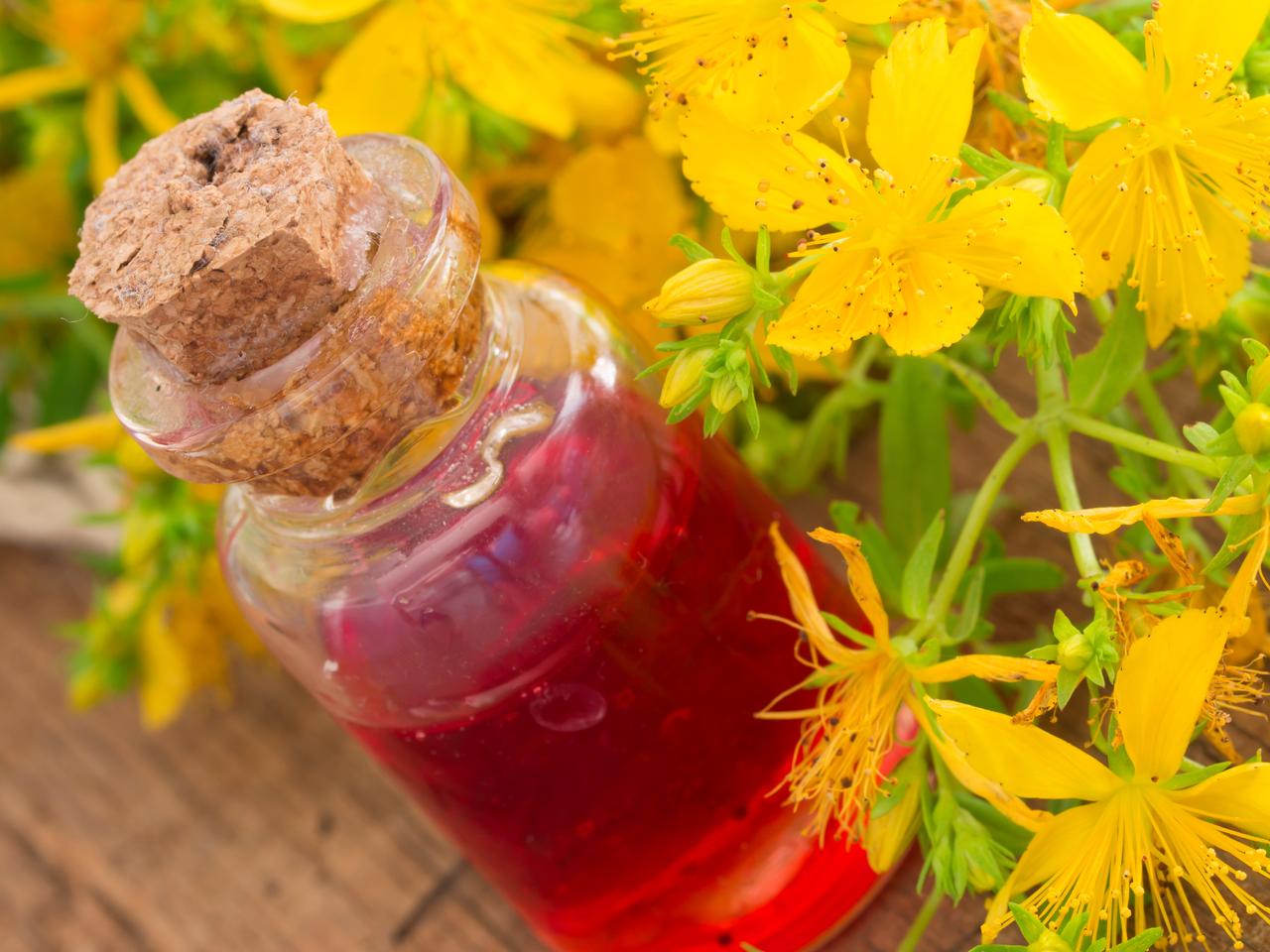
St. John’s Wort oil stands out as one of the oldest continuous herbal remedies still used in Türkiye today. Its history brings together Ancient Greek practice, European folk belief and Anatolian household medicine.
At the same time, its modern relevance comes from its place between folk medicine and phytotherapy, the study and use of plant-based remedies. It is still made at home with simple materials, yet it requires care, patience and knowledge to prepare safely.


 Set as preferred source
 Set as preferred source


 3 min read