Newsletters


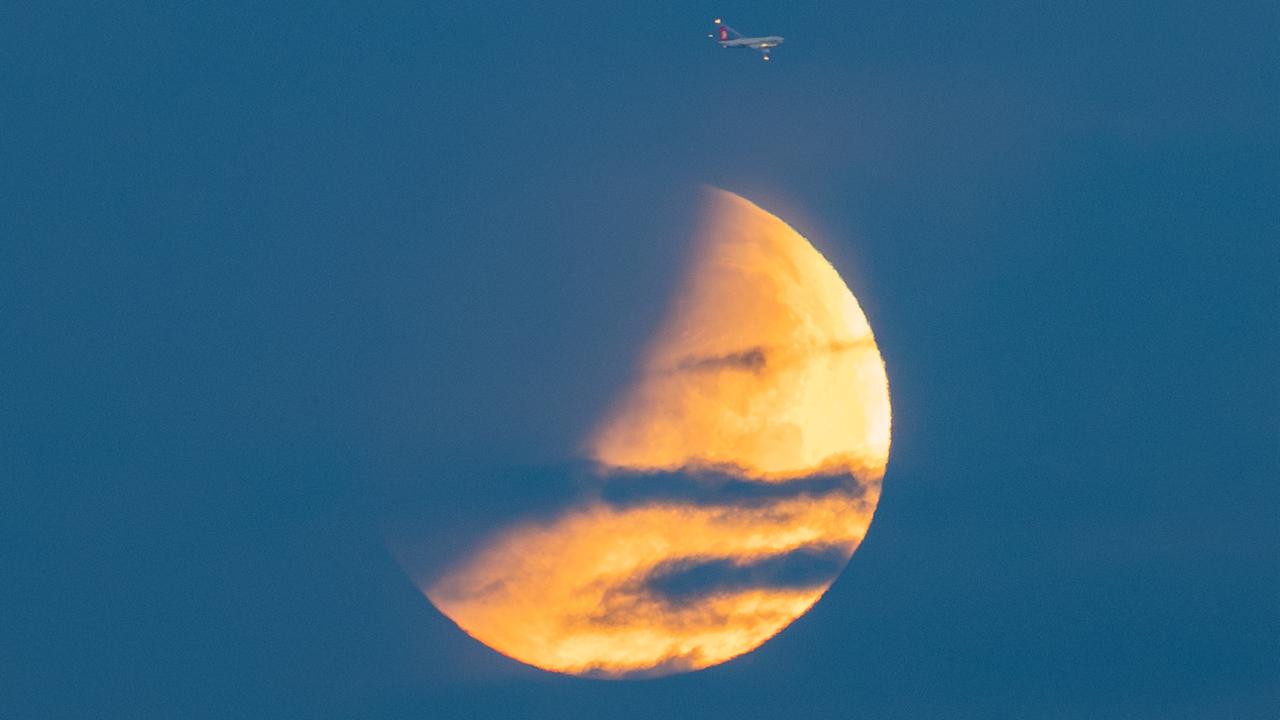
A partial lunar eclipse swept across the sky above Istanbul, Türkiye, yesterday, giving residents and photographers a striking view of the dimmed moon set against some of the city's most iconic landmarks.
The eclipse takes place when the moon moves into Earth's shadow, with the darker inner region, known as the umbra, gradually covering most of the lunar disk while the fainter outer region, the penumbra, affects the remaining edge.
The event began with the penumbral phase at 4:24 a.m. local time (1:24 a.m. GMT) on Aug. 28, as the moon first entered the lighter outer shadow of the Earth.
The partial phase, marked by the moon's entry into the umbra, started at 5:34 a.m. local time and grew progressively deeper over the following hours.
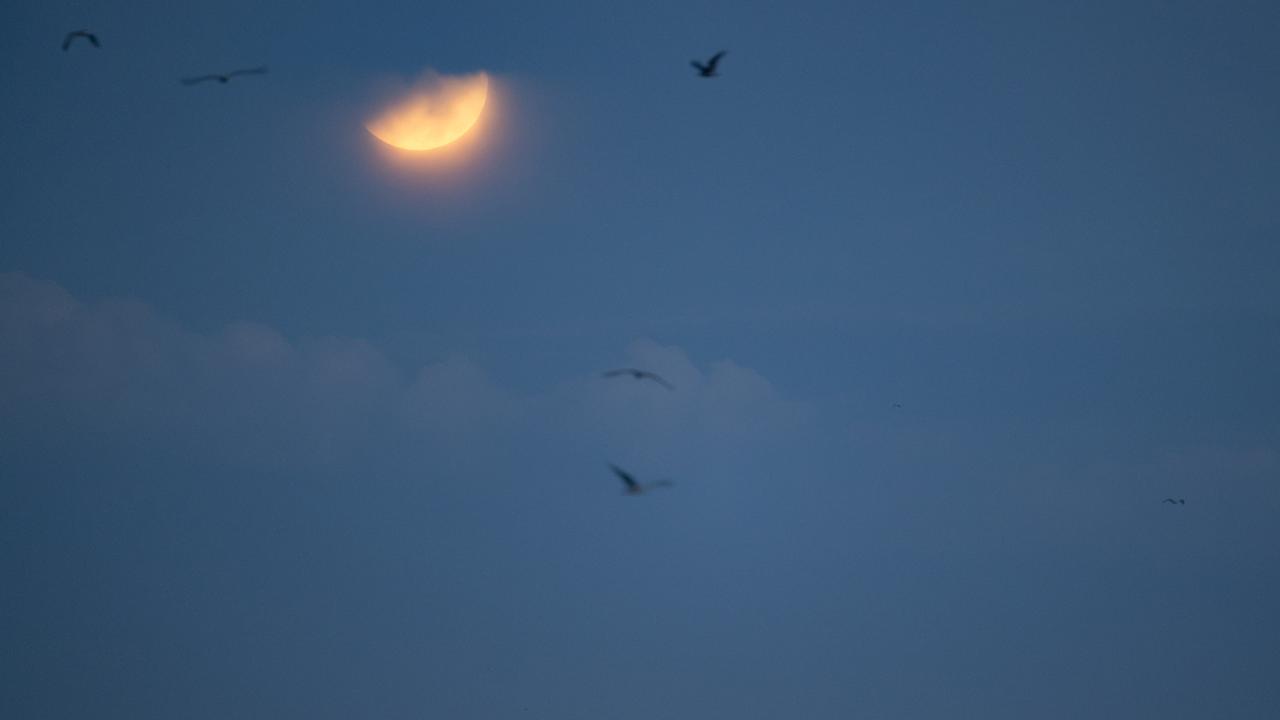
The eclipse reached its peak at 7:13 a.m. local time, when roughly 93% of the Moon's surface was covered by Earth's umbral shadow, making it one of the deepest partial lunar eclipses in recent years and just short of qualifying as total.
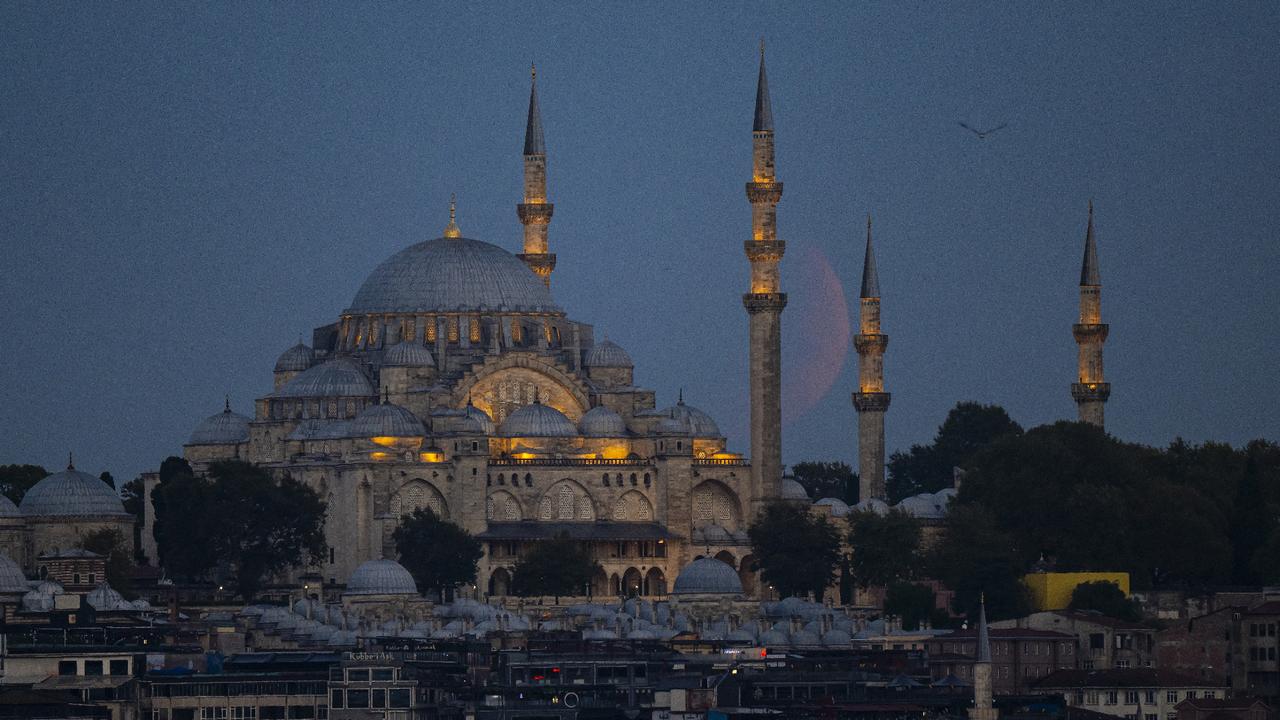
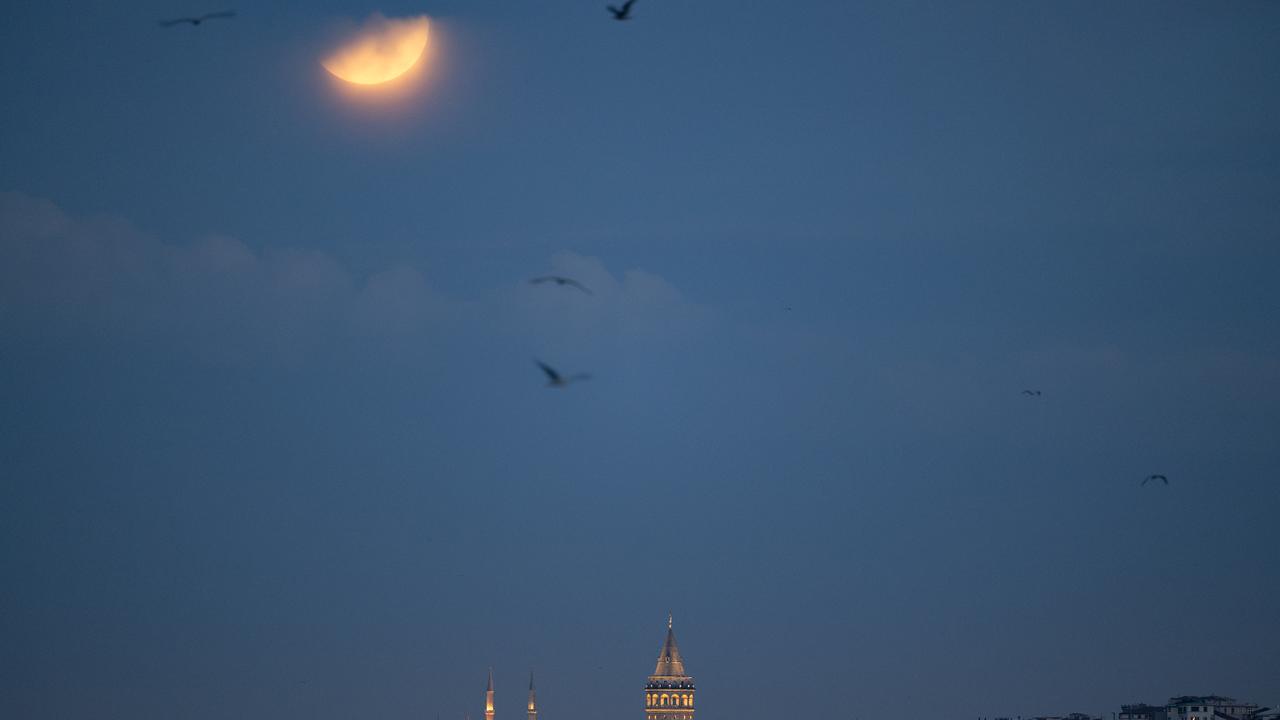
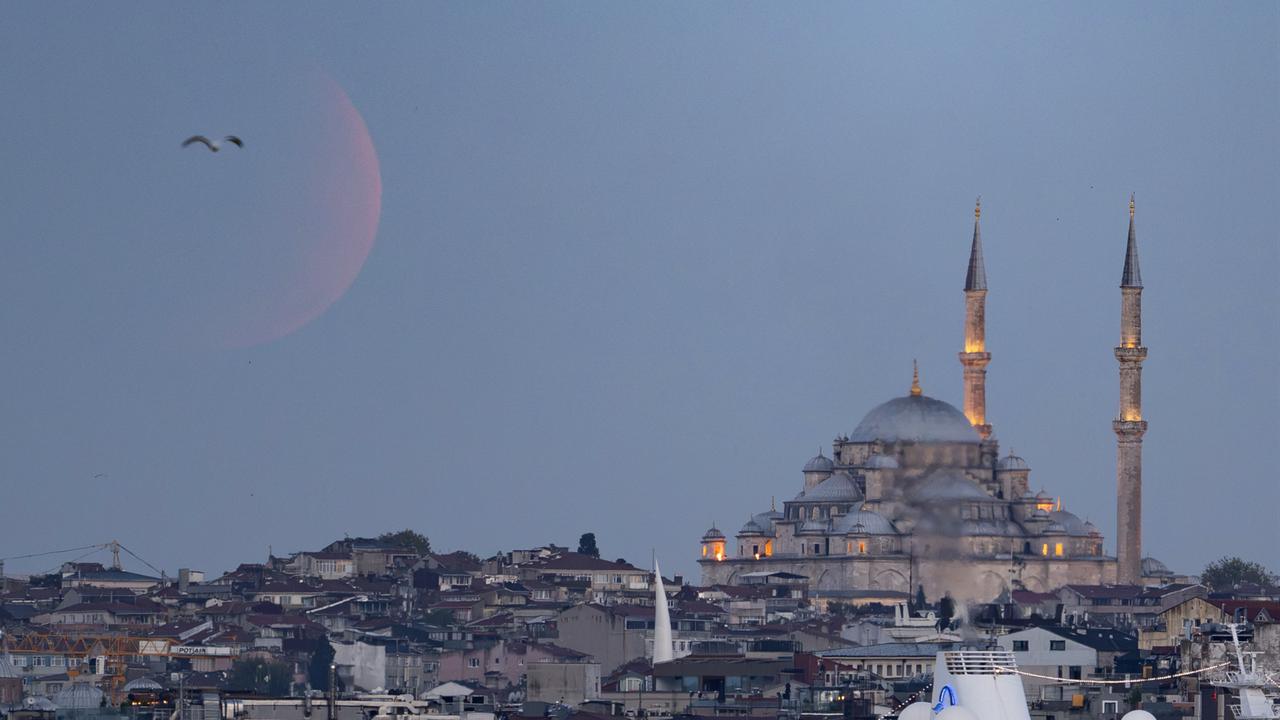
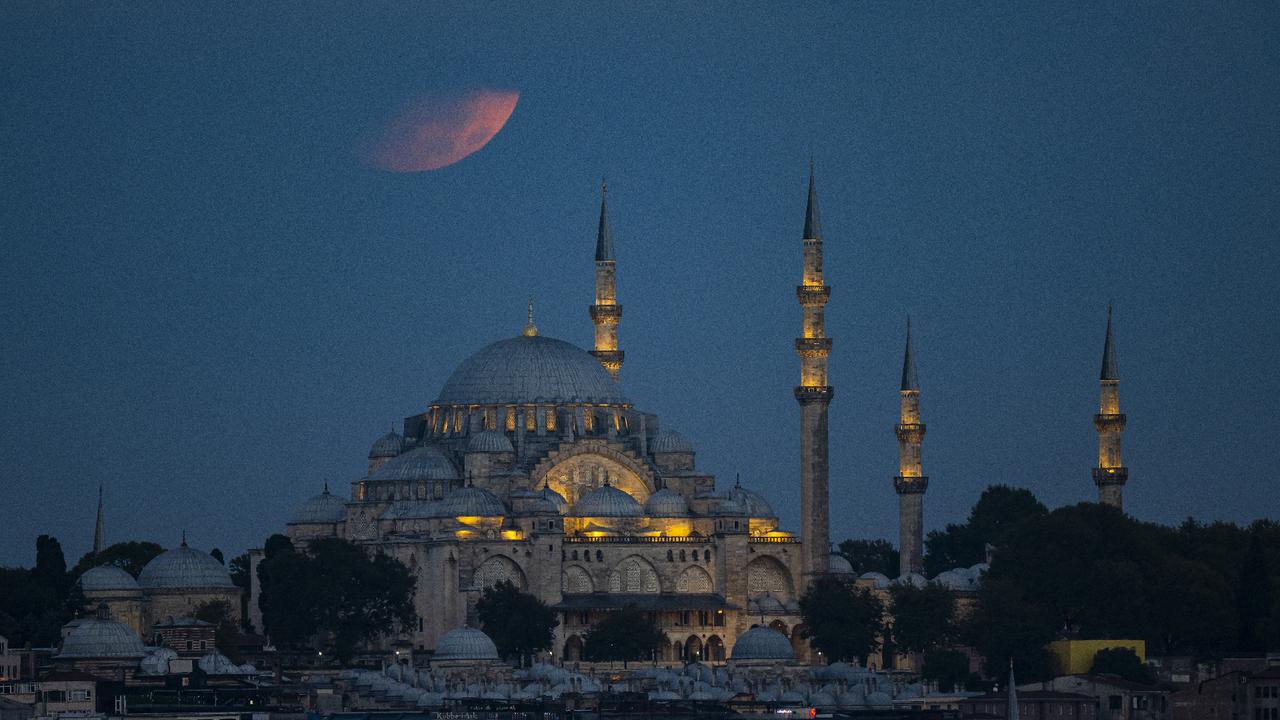
In Istanbul, images from the peak and closing stages of the eclipse showed the shadowed Moon hanging low near the horizon beside the Suleymaniye Mosque and the New Mosque, while a separate set of photographs captured it above the Galata Tower as birds crossed the frame in the early morning light.
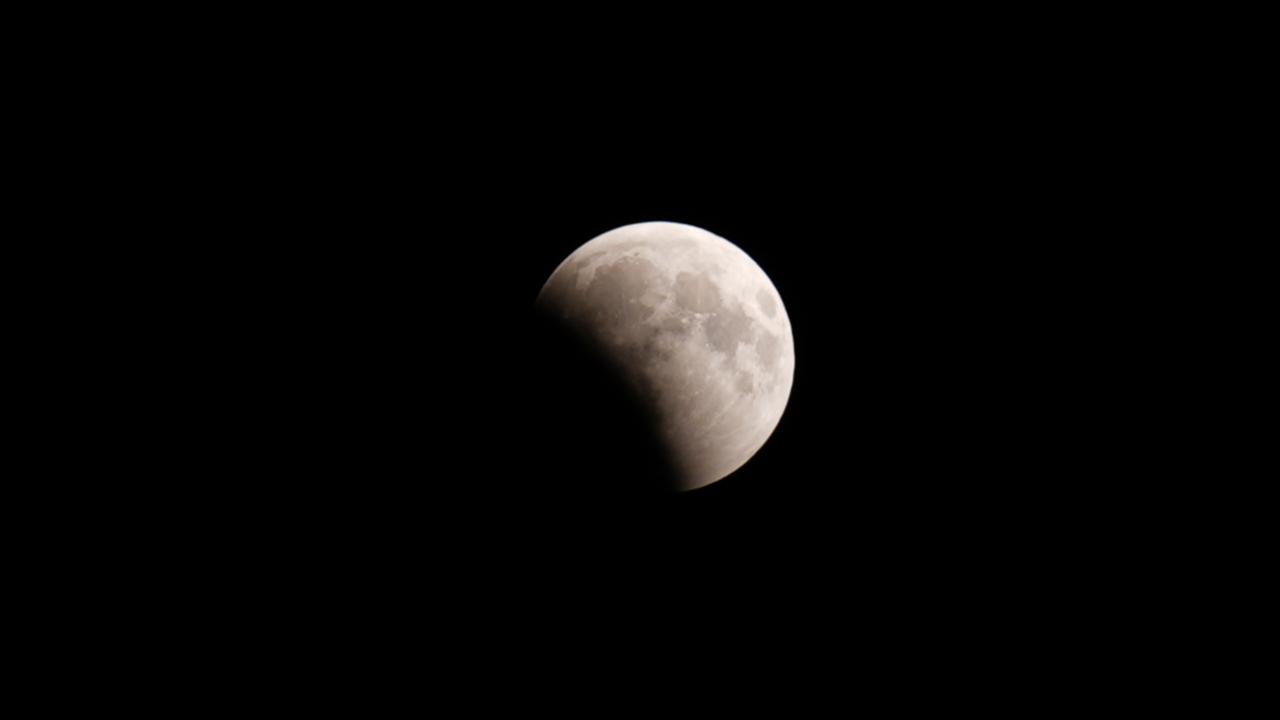
The phenomenon was visible from a wide swath of the globe beyond Türkiye, including most of Europe, Africa, and the Americas, as well as the eastern Pacific Ocean, though viewing conditions varied depending on local moonset and sunrise times.
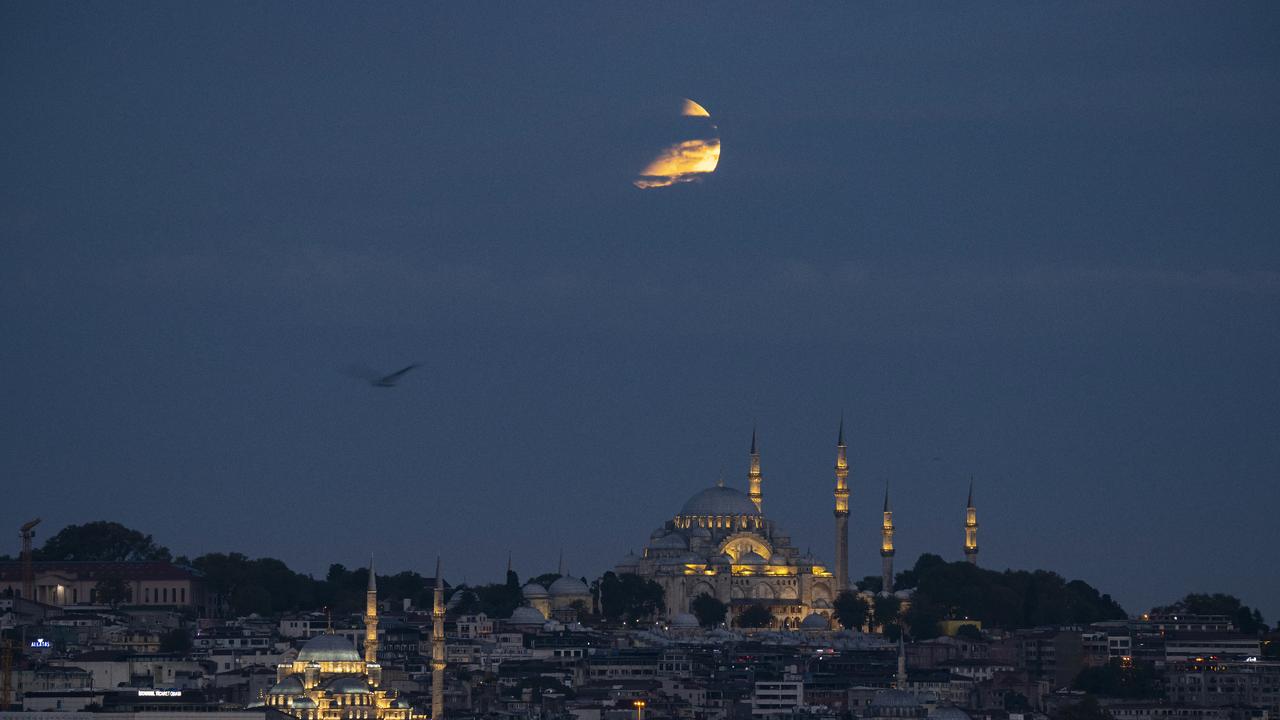
The eclipse concluded as the Moon fully exited the penumbral shadow at 10:02 a.m. local time, closing out the second and final lunar eclipse of 2026, with the next lunar eclipse visible from the region not expected until early 2027.


 Set as preferred source


 2 min read