Newsletters




Sakarya has hosted many civilizations through history and stands out for its ethnic diversity and rich cuisine. With Tarakli’s historic texture, Sapanca’s natural beauty and Karasu’s coastal pleasures, the province offers routes to suit every taste. “Islama kofte,” “kabak tatlisi” and flavours from the Balkan culinary tradition delight the palate.
According to local tales, the city takes its name from the “Sakarya River.” Known as “Sangari” during the Phrygian era, “Zakharion” in ancient Greek and finally “Sakarya” in the republican era, the city’s colourful cultures and socially diverse structure make Sakarya an extraordinary place.
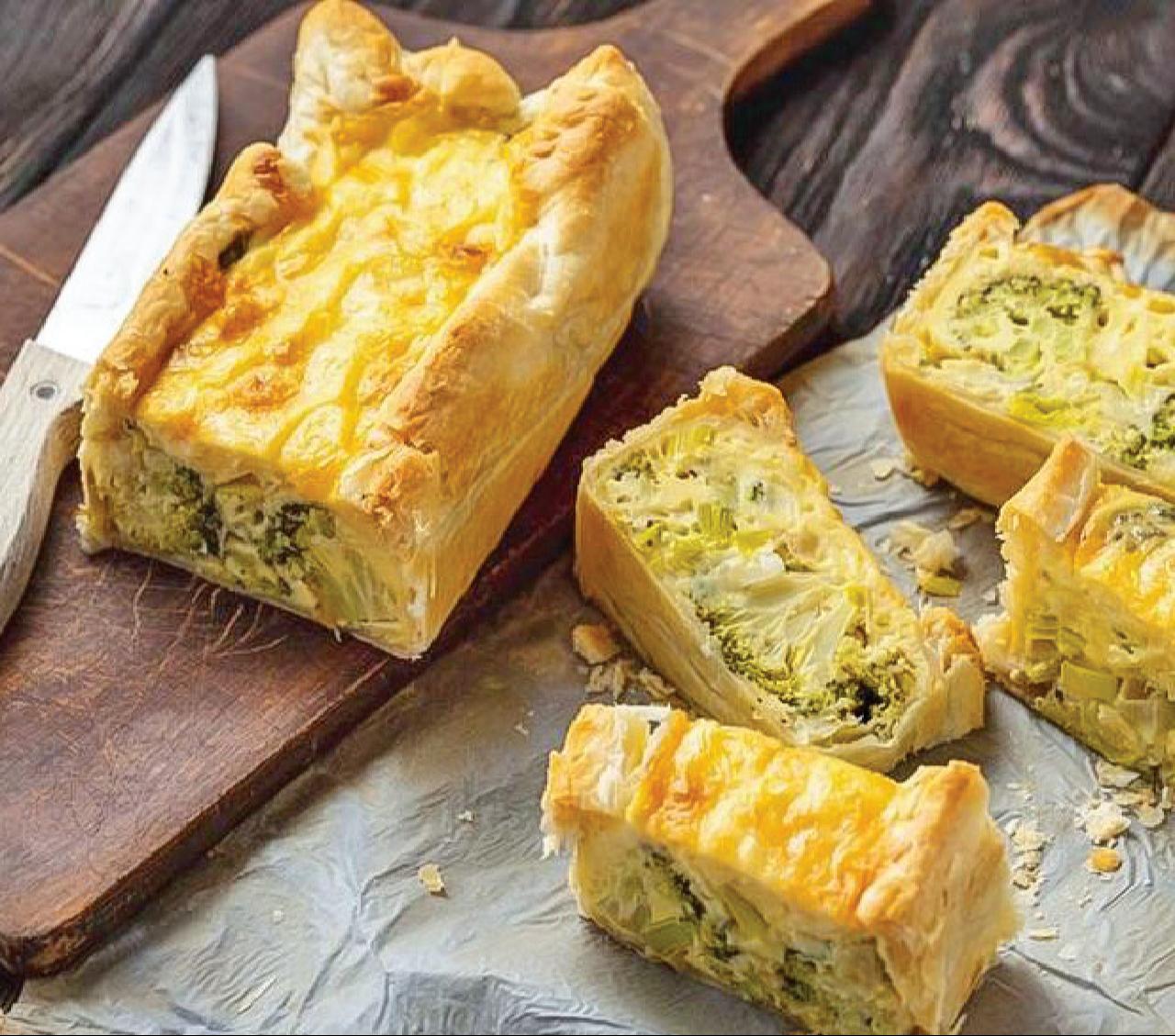

People of Middle Eastern, Balkan and Caucasian origin live here peacefully, and while the region may be underappreciated, its cuisine is surprisingly strong. Sakarya should not be reduced to its city centre, “Adapazari”, alone. Nearby districts such as “Sapanca,” “Tarakli” and “Karasu” each have distinct characters and are worth visiting. The area’s ethnic diversity is striking. If you want to greet Balkan culture, start with a borek — “Pekara” is, in my view, the most serious, tasty and enjoyable address for Balkan boreks.
For a traditional local breakfast my pick is “Haci Rifatlar Konagi” in Tarakli. Tarakli is famous for its narrow streets, wooden mansions and natural beauty. It once held the “Cittaslow” (slow city) title and was named an “Outstanding Tourism Village.” Settlement in Tarakli began in the 13th century.
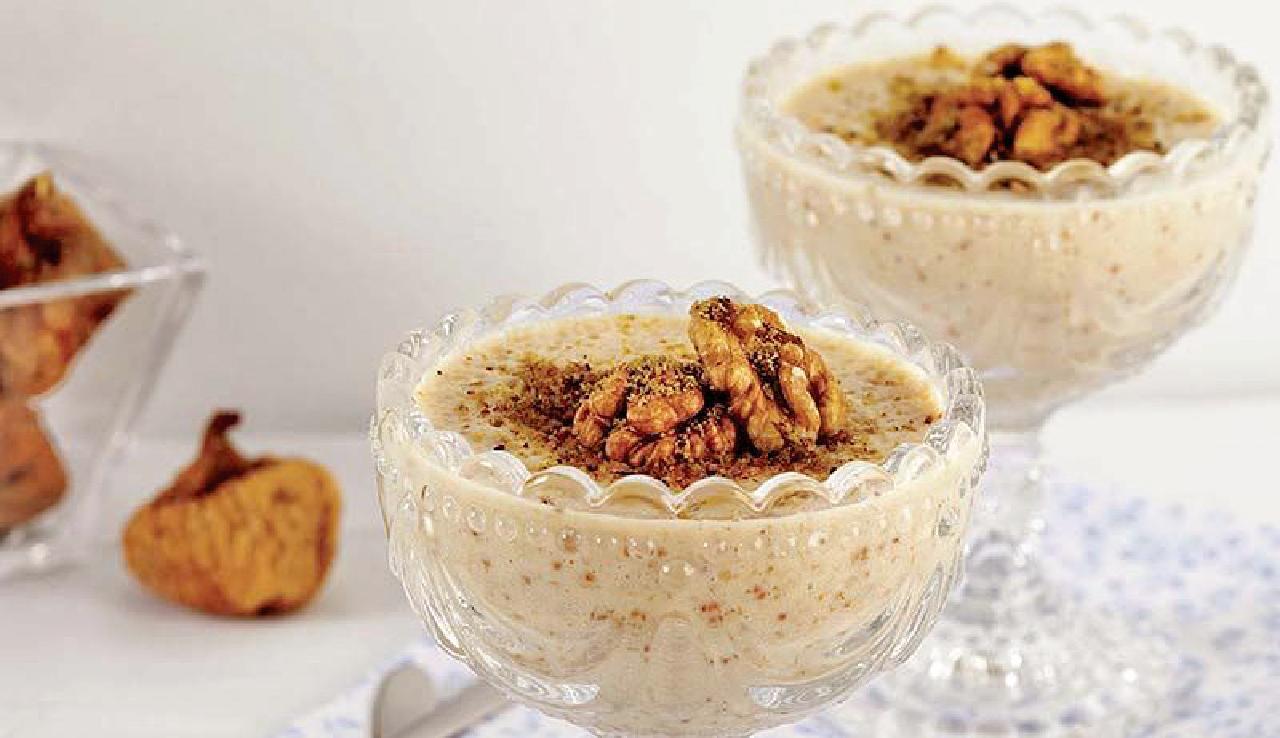
Built in a valley between two hills and popular for weekend visits due to its proximity to big cities, the town’s name reportedly comes from the boxwood trees grown locally and the woodcarving tradition they supported. When you think of Tarakli, “uhut tatlisi” comes to mind — the dessert is so labor-intensive that it is prepared only for special occasions.
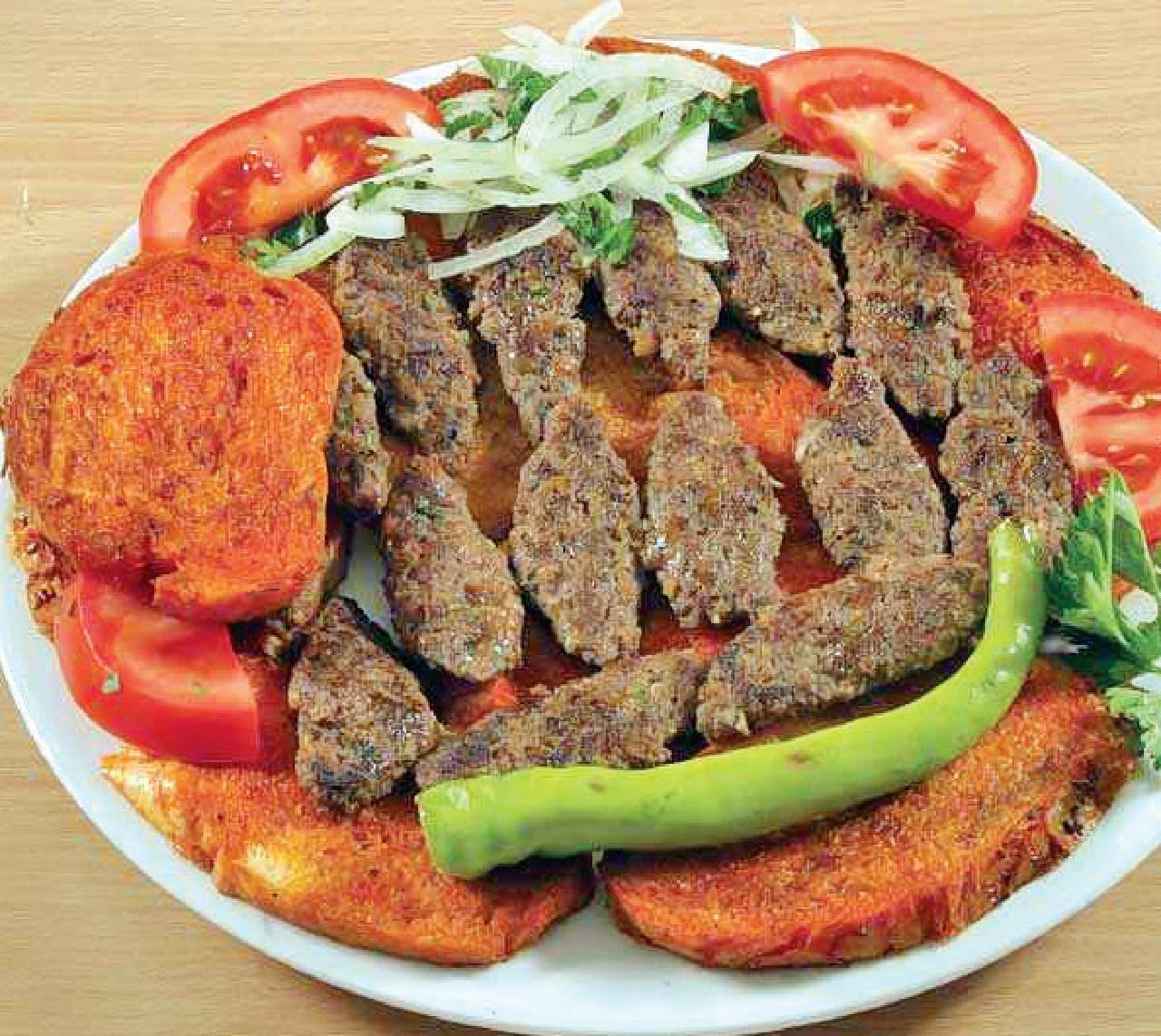
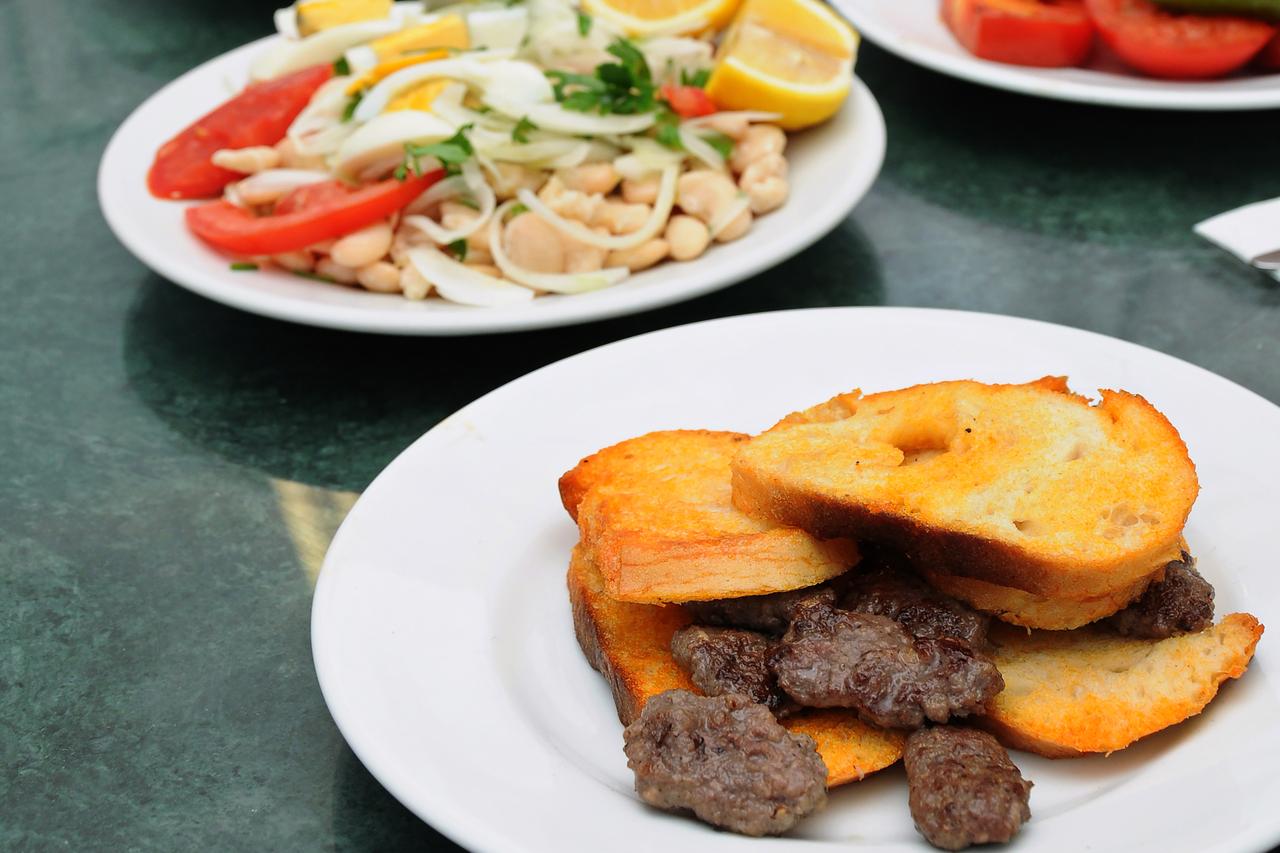
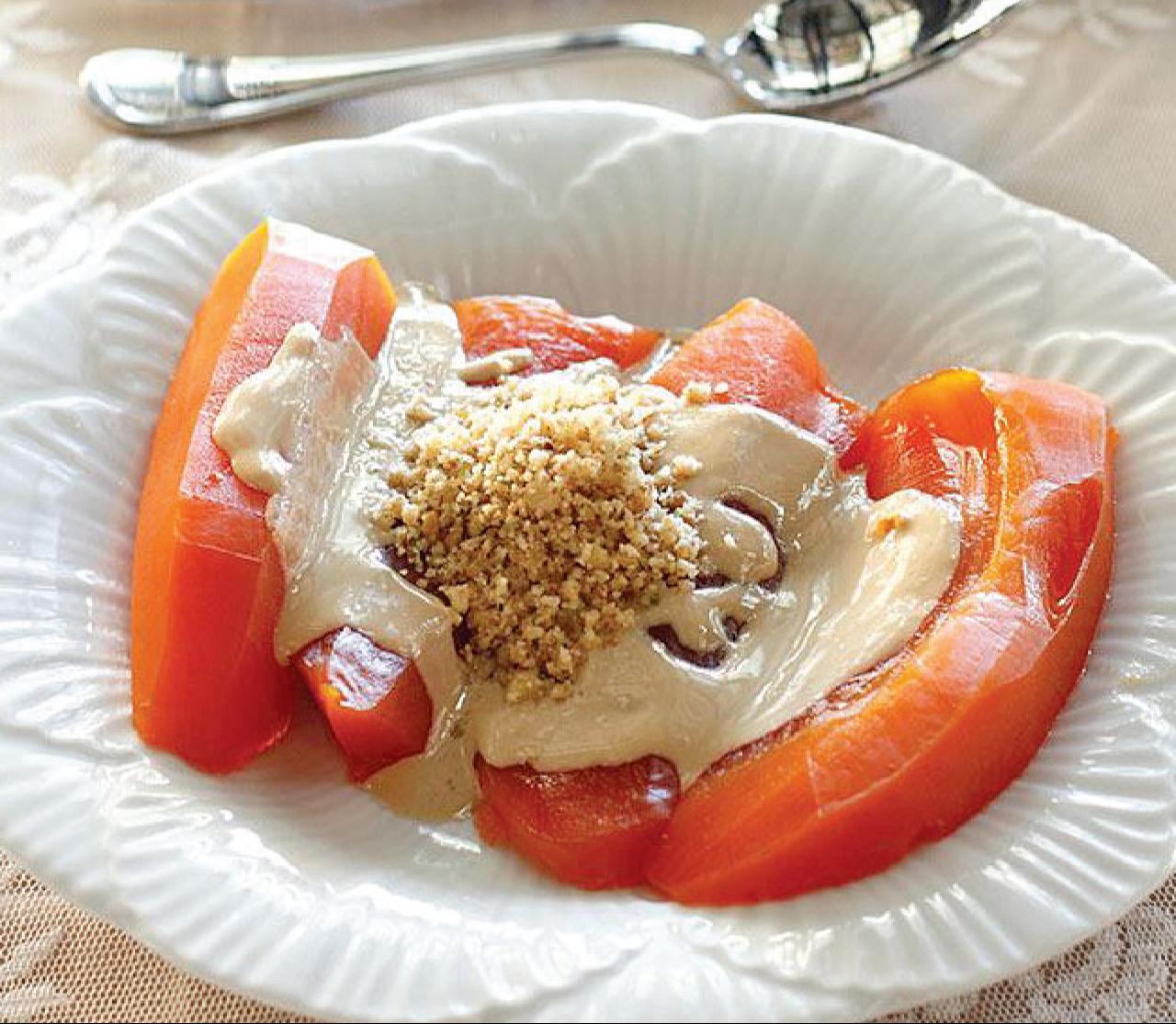
Back in Adapazari centre, two iconic dishes come to mind: “islama kofte” and “pumpkin dessert" (kabak tatlisi). For both, head to “Kofteci Haci Bekir.” Although there is a local habit of eating doner with garlicky yogurt in Adapazari, my doner kebab without yogurt recommendation is “Ada Doner."
There is a dramatic legend behind “islama kofte.” It is said that during the First and Second Balkan Wars, refugees endured famine and could find little but bone broth and stale leavened bread. They boiled bones and dipped bread into the broth. Over time, the idea of “islama kofte” was born from that hardship — a dish Balkan migrants brought to this land. For dinner, “Muhr uzade” (Muhr uzade) is truly a very special place.
Sapanca’s lush natural scenery should not be forgotten when speaking of Sakarya. “Sapanca Sasa” is one of the region’s legendary establishments, ideal both for a stylish dining experience and for accommodation, offering a peaceful atmosphere. Sakarya’s “Karasu” district opens to the Black Sea.
For fish in the “Ipsiz Recep” area, “Kadirin Yeri” serves excellent seafood and offers views of the Black Sea from the Sakarya River. Summer or winter, Sakarya deserves a top place on your travel and flavour route.
Ingredients
Preparation
Ingredients
Preparation
Ingredients
Preparation


 Set as preferred source
 Set as preferred source


 2 min read