Newsletters


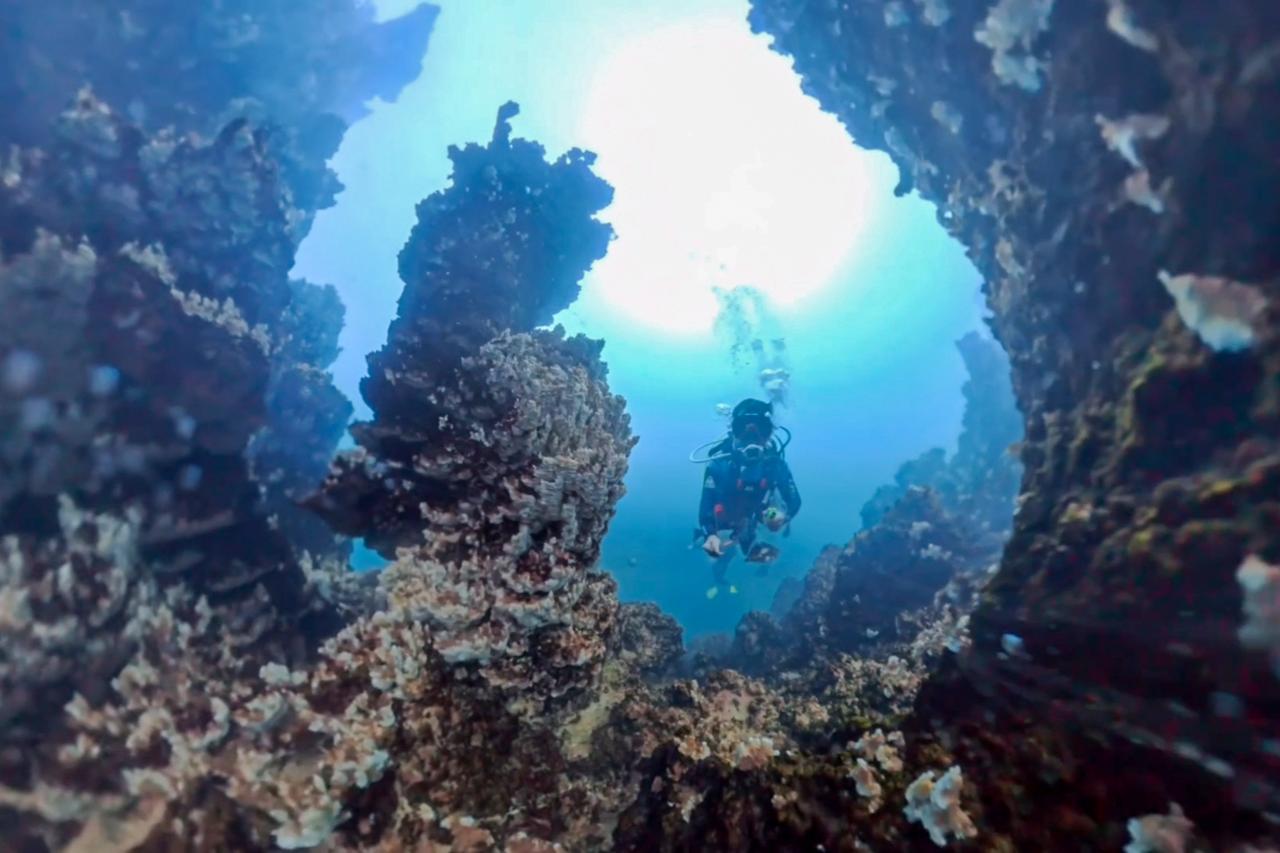


An international team of scientists has dived into Lake Van in eastern Türkiye to collect microbialite samples for research that could eventually be compared with material expected to be brought back from Mars.
The researchers sampled microbialite formations from different locations and depths in the lake, focusing on carbonate nanospheres found in biofilms growing across the structures. Microbialites are mineral formations shaped through interactions between microorganisms and their surrounding environment.
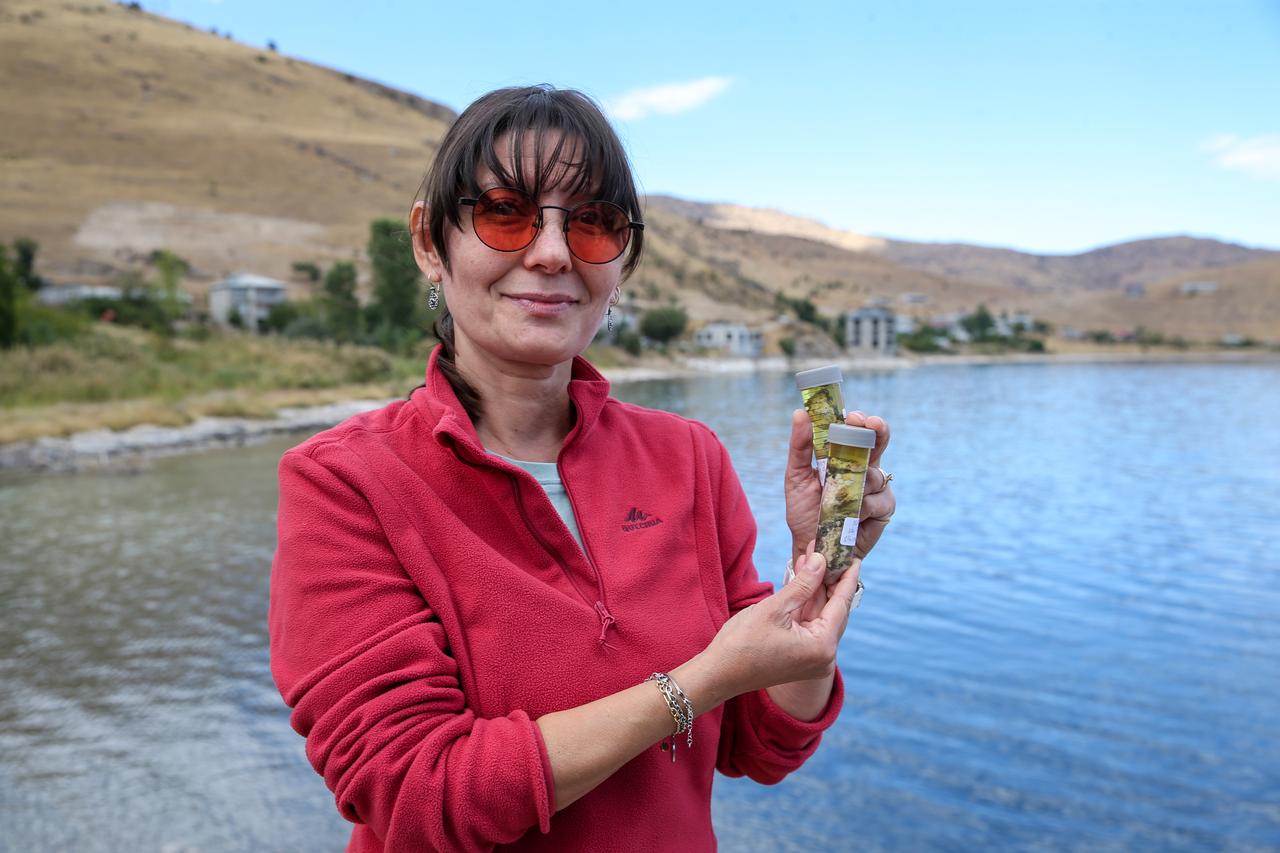

The project brings together researchers from Van Yuzuncu Yil University, Pamukkale University, the University of Warsaw, the University of Calabria and the China University of Geosciences.
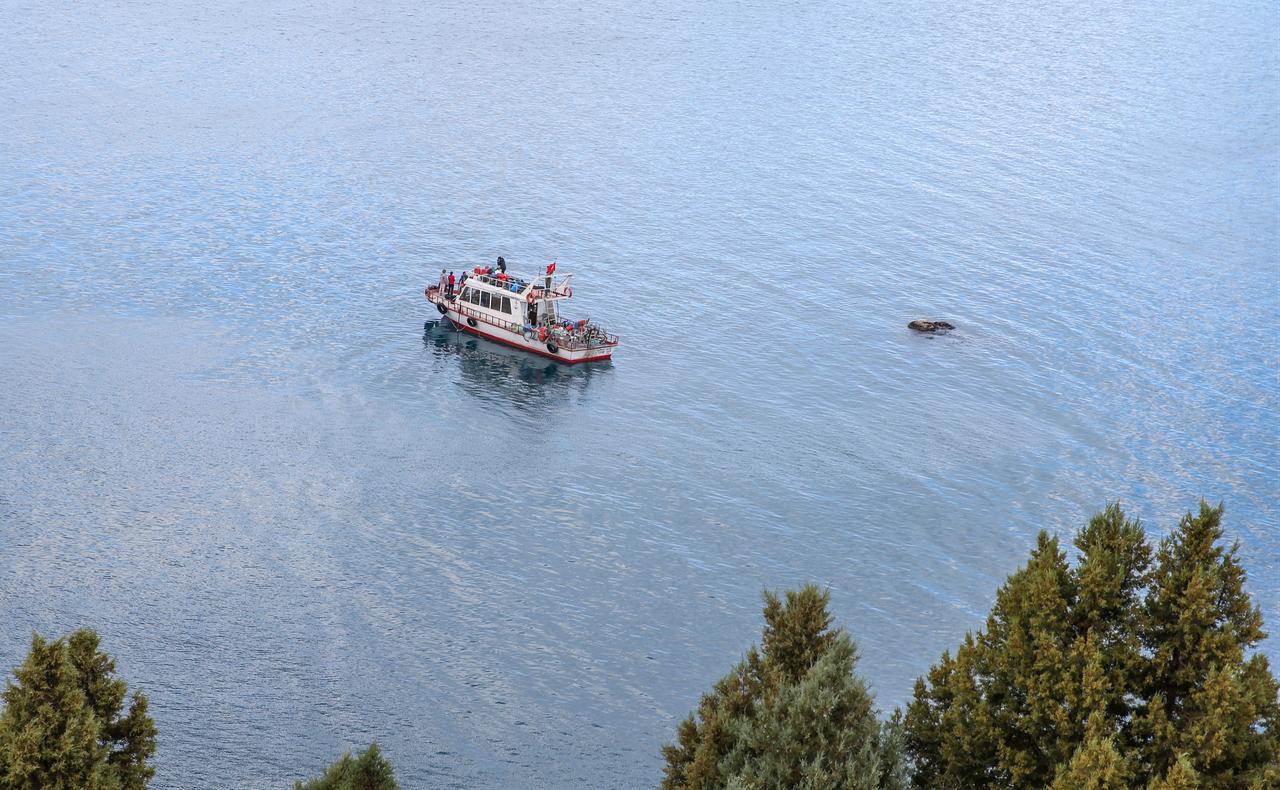
During dives near Altinsac in Van's Gevas district, the team collected samples that will be sent to laboratories in different countries to investigate how the carbonate nanospheres form and where they come from.
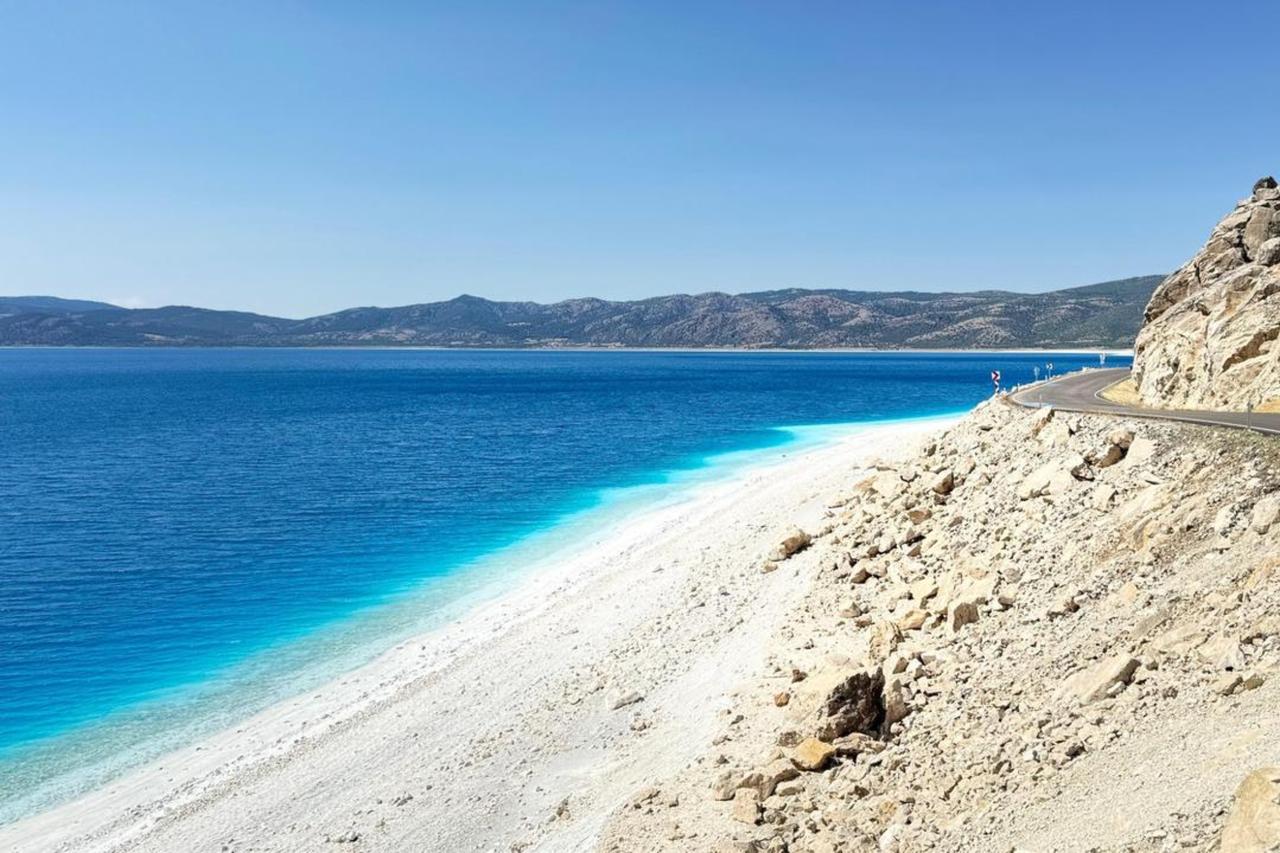
Project coordinator Cetin Yesilova said the first goal is to identify the origin of the nanospheres before comparing the findings with material from Lake Salda and, later, Jezero Crater on Mars.
"Our aim in this project is to determine the origin of the nanospheres found in these microbialites. Once we determine their origin, we plan to correlate them with samples from Lake Salda and Jezero Crater," Yesilova said.
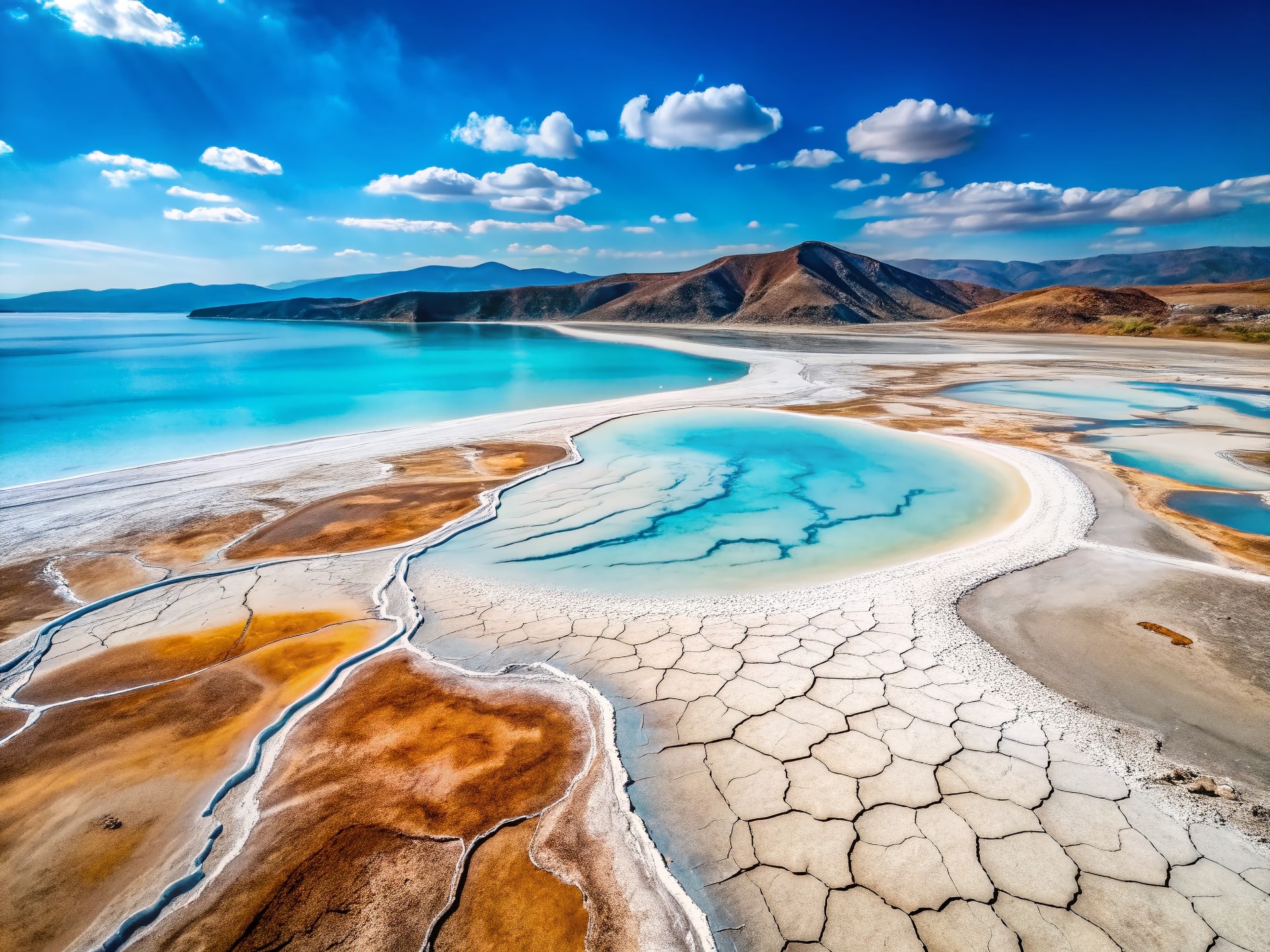
Because Mars samples are not currently available and are expected to arrive in 2029, researchers will first work with samples from Lake Salda.
The team also measured the lake's pH, temperature and dissolved oxygen during the fieldwork, building up environmental data alongside the microbialite samples.
University of Warsaw professor Miroslaw Slowakiewicz said Lake Van and Lake Salda both have strongly alkaline conditions, with pH levels close to 10.
That makes the two lakes particularly valuable for examining environments where conditions for life are challenging and for understanding how microbial processes can operate under such conditions.


 Set as preferred source
 Set as preferred source


 1 min read
 1 min read