

 Newsletters


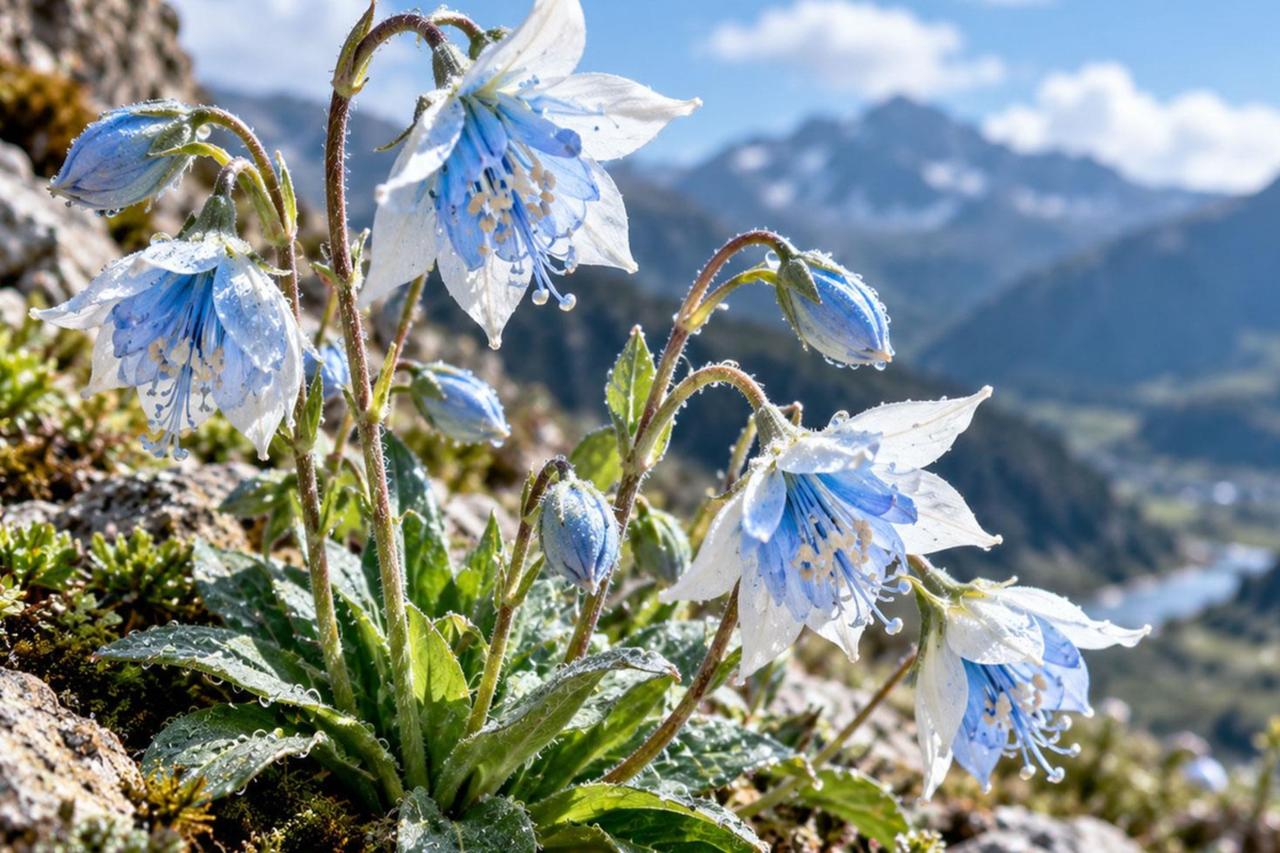


A newly identified plant species in the Peruvian Andes has been named "Salvia messii" in honor of Argentine football star Lionel Messi, with its light blue and white flowers resembling the colors of Argentina's national football team.
The species, which grows only in a limited part of Peru, has already been classified as endangered by researchers because of its restricted geographical distribution.
The discovery was documented in a study recently published in the international botanical journal Phytotaxa by Peruvian botanists Paul Gonzales and Jean Capcha-Ramos, alongside Argentine researcher Rolando Uria.


The newly described plant belongs to the Lamiaceae family, which also includes mint and sage, and grows as an aromatic shrub reaching approximately 1.5 meters (4.9 feet) in height.
Its flowers feature pale blue and white shades that resemble Argentina's national football jersey, which Messi has worn throughout his international career.
The species grows in rocky and shrub-covered areas of the central and southern Peruvian Andes, at elevations ranging from approximately 2,000 to 2,400 meters above sea level.
 1 min read

Despite its recent scientific identification, Salvia messii is already considered endangered because it is found only within a relatively small geographical area.
Researchers also highlighted the broader ecological significance of the discovery, explaining that the shrublands surrounding the remaining forests of the western Andes represent an overlooked center of plant diversity.
The findings suggest that these mountainous habitats support distinctive plant species that have not yet received sufficient scientific attention.


 Set as preferred source
 Set as preferred source




 1 min read


