Newsletters


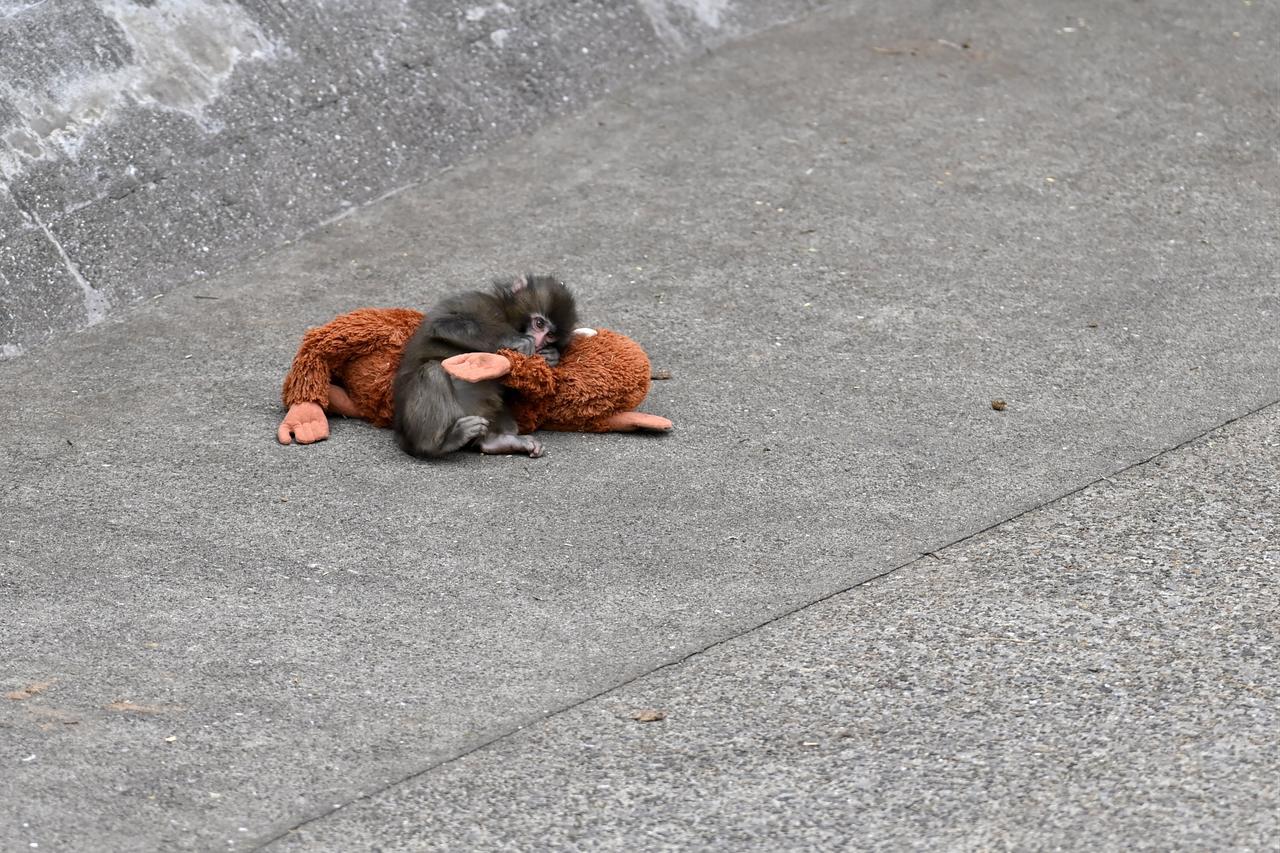


Baby macaque Punch has captured hearts around the world after videos of him hugging a stuffed toy went viral, showing the resilience of the orphaned six-month-old as he navigates life without his mother at the Ichikawa City Zoo in Chiba Prefecture, Japan.
Without maternal care, Punch lacked the comfort and guidance typical for infant macaques, who rely on their mothers to develop physical strength, social skills, and emotional security.
Zookeepers intervened, creating an artificial nest with blankets and towels and hand-rearing him. They also introduced a large orange orangutan plush toy as a surrogate companion, which quickly became his constant source of comfort.
The toy provides a sense of security and helps reduce stress, but it cannot replace social learning from his troop,” explained Dr. Emily Bethell, a primatologist at Liverpool John Moores University, to the Daily Mail.
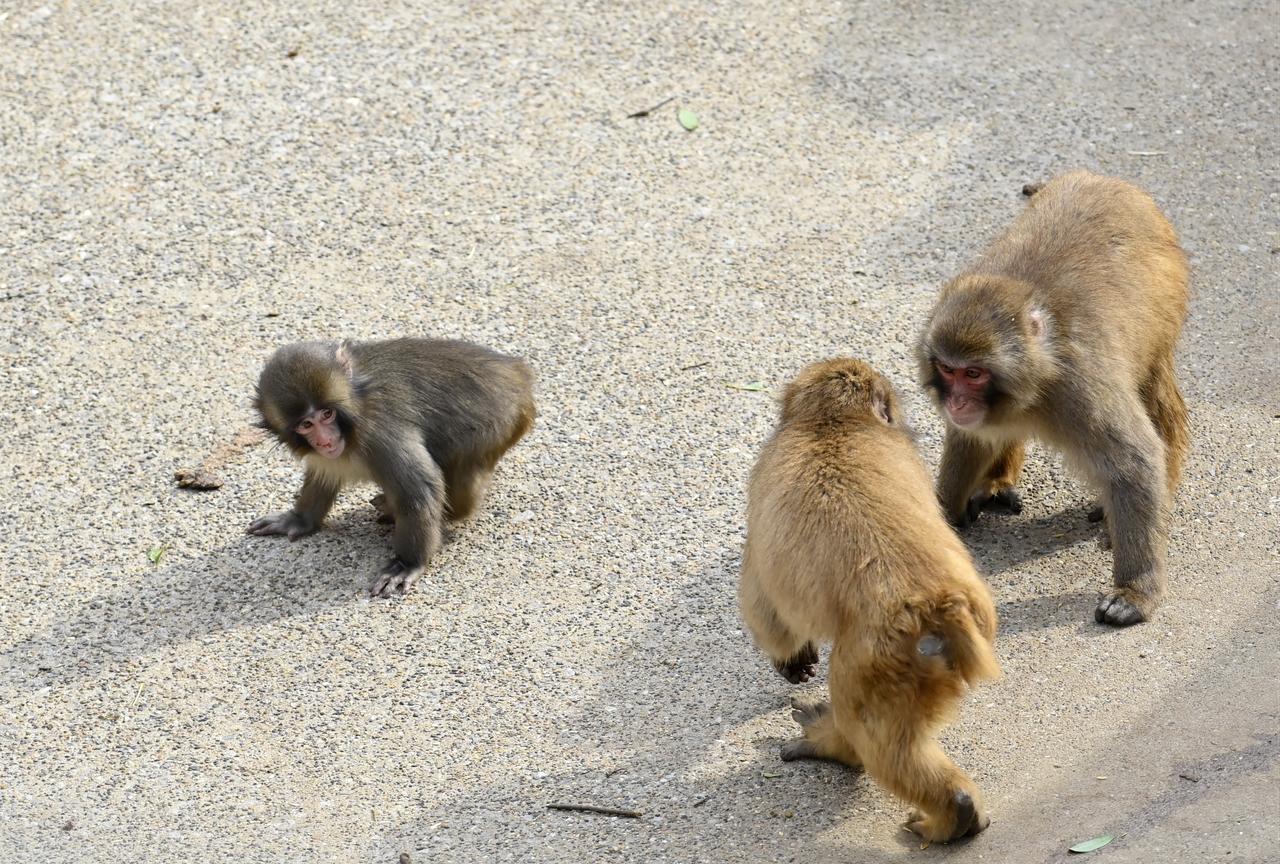

Footage of Punch interacting with his plush toy and attempting to engage with other juvenile macaques went viral on platforms such as X and TikTok, sparking worldwide empathy. Audiences were moved by his solitary struggle and resilience, dubbing him “the sad baby monkey” and prompting hashtags like #HangInTherePunch to trend globally.
The viral attention also affected commerce: the specific IKEA plush toy he carries saw surges in demand, temporarily selling out in several countries. Visitors to the zoo have increased as fans travel to see him in person, though staff urge patience and caution to avoid stressing the animals.
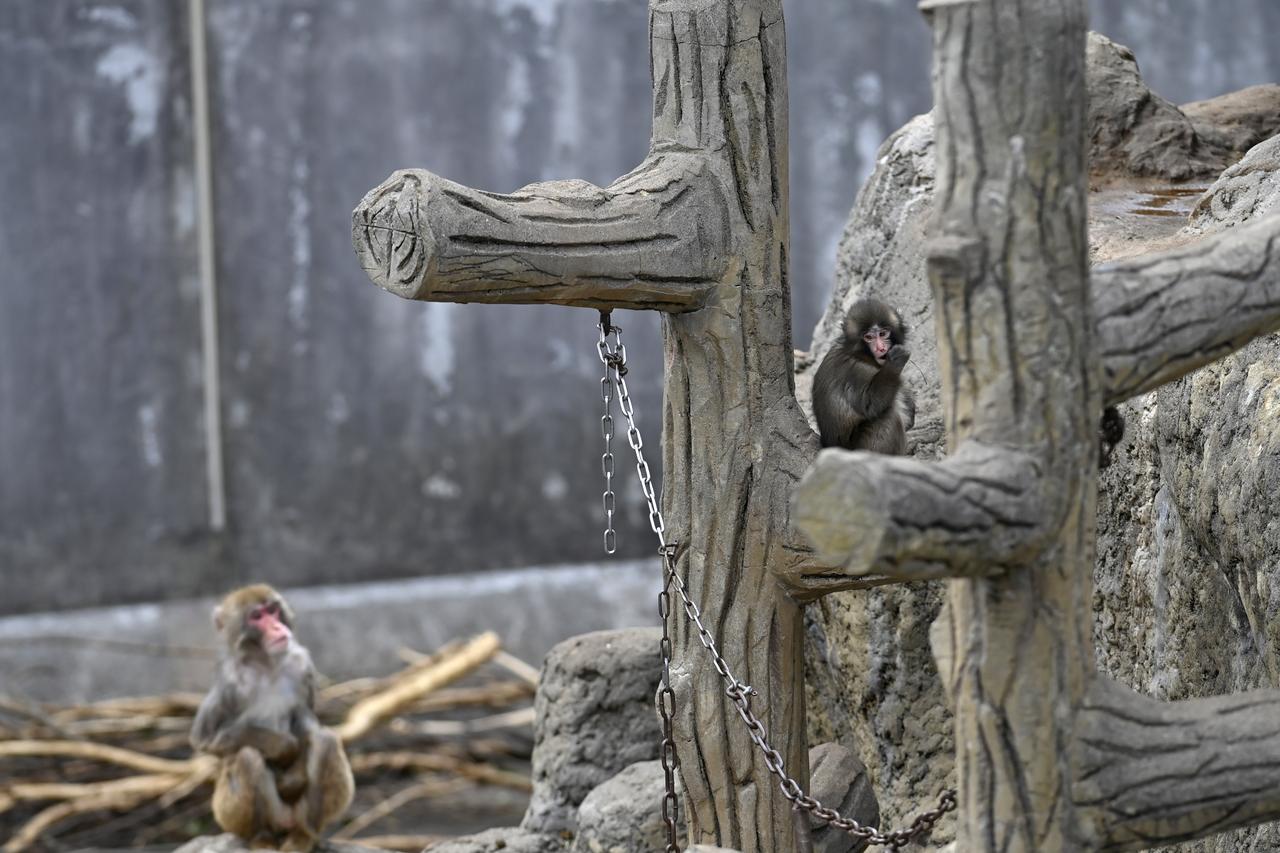
While some clips appeared to show Punch being excluded or lightly scolded by older macaques, zookeepers clarified that such interactions are normal within macaque social hierarchies and are essential for teaching him boundaries and survival skills. Experts warn that removing him from the troop could impede his development of critical species-specific behaviors.
Recent footage shows Punch gradually interacting with other juveniles, being groomed, and participating in small social exchanges, suggesting progress in his integration with the group. Being male may benefit him in the long term, as male Japanese macaques eventually leave their natal troop to join new groups, offering a fresh start.


 Set as preferred source
 Set as preferred source


 3 min read