Newsletters


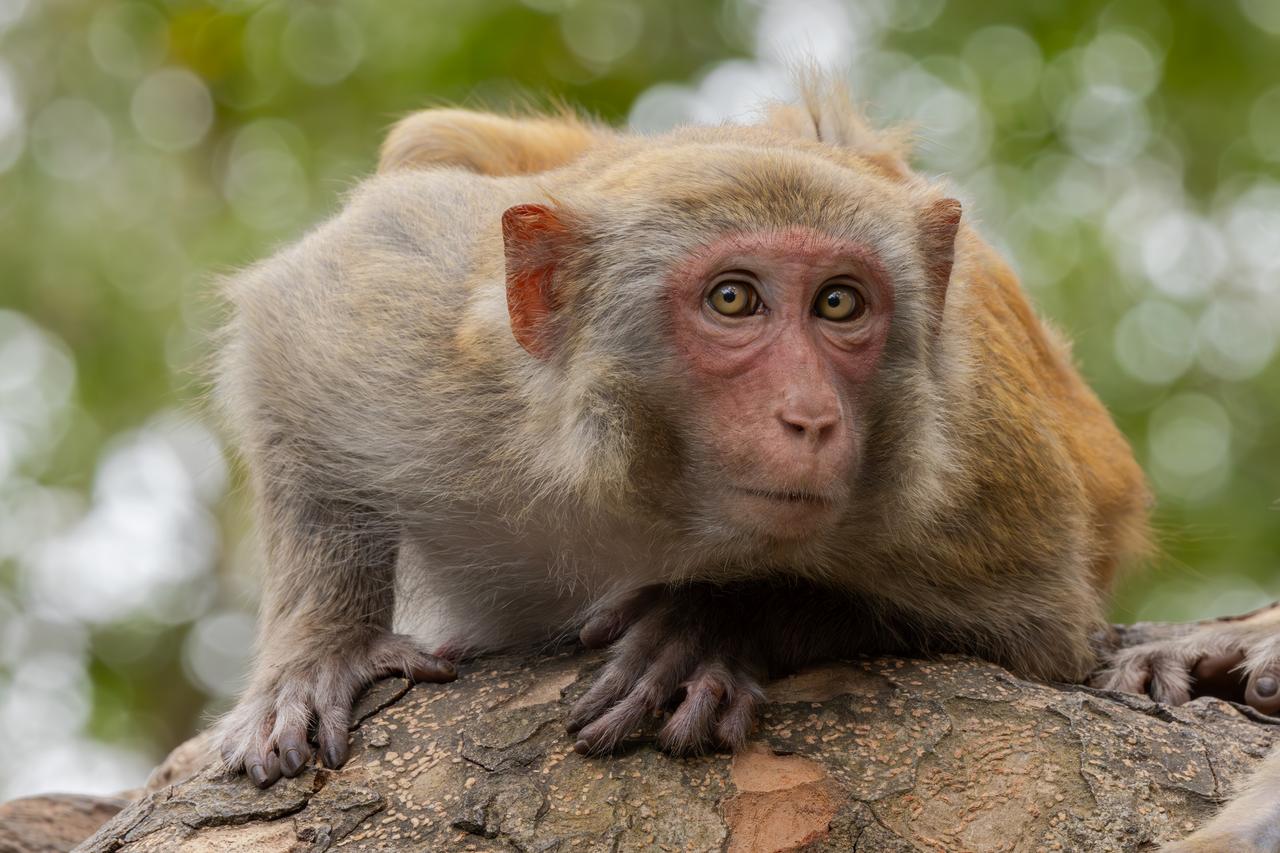


People wiped down their groceries and washed their hands frequently to avoid illness, even before scientists fully understood how the coronavirus spread. A new study suggests this behavior isn't limited to humans.
The study found that Japanese macaques that went through a deadly disease outbreak later became much more cautious about potentially contaminated food sources.
The findings suggest that experience and social learning can shape disease avoidance in primates. Researchers describe this approach as a “behavioral immune system.”
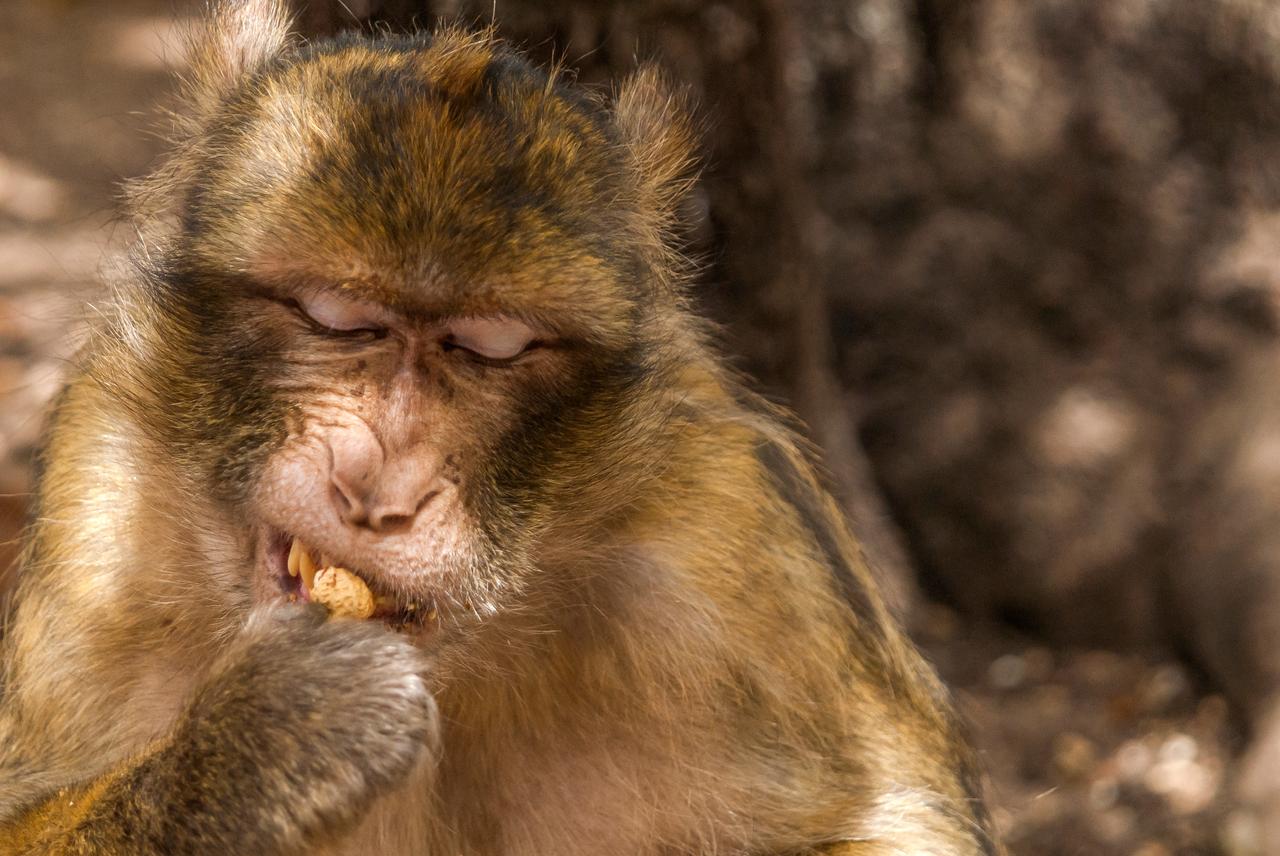

In early 2020, as coronavirus cases rose, a lesser-known outbreak struck a macaque facility in Texas, a state in the southern United States.
A virus similar to HIV, spread through bites and scratches, affected three of the four macaque groups at the facility.
Staff separated, tested, and quarantined the animals. Some macaques died within a short time from severe bleeding, while others fell ill over time. Many of the monkeys that did not become sick closely observed their sick companions.
After the threat passed, the researchers began their experiments. The researchers gave the macaques two pieces of food.
They placed one on a clean surface and the other on a board covered with macaque feces. The researchers sealed the feces under epoxy to remove the smell and reduce the risk of infection.
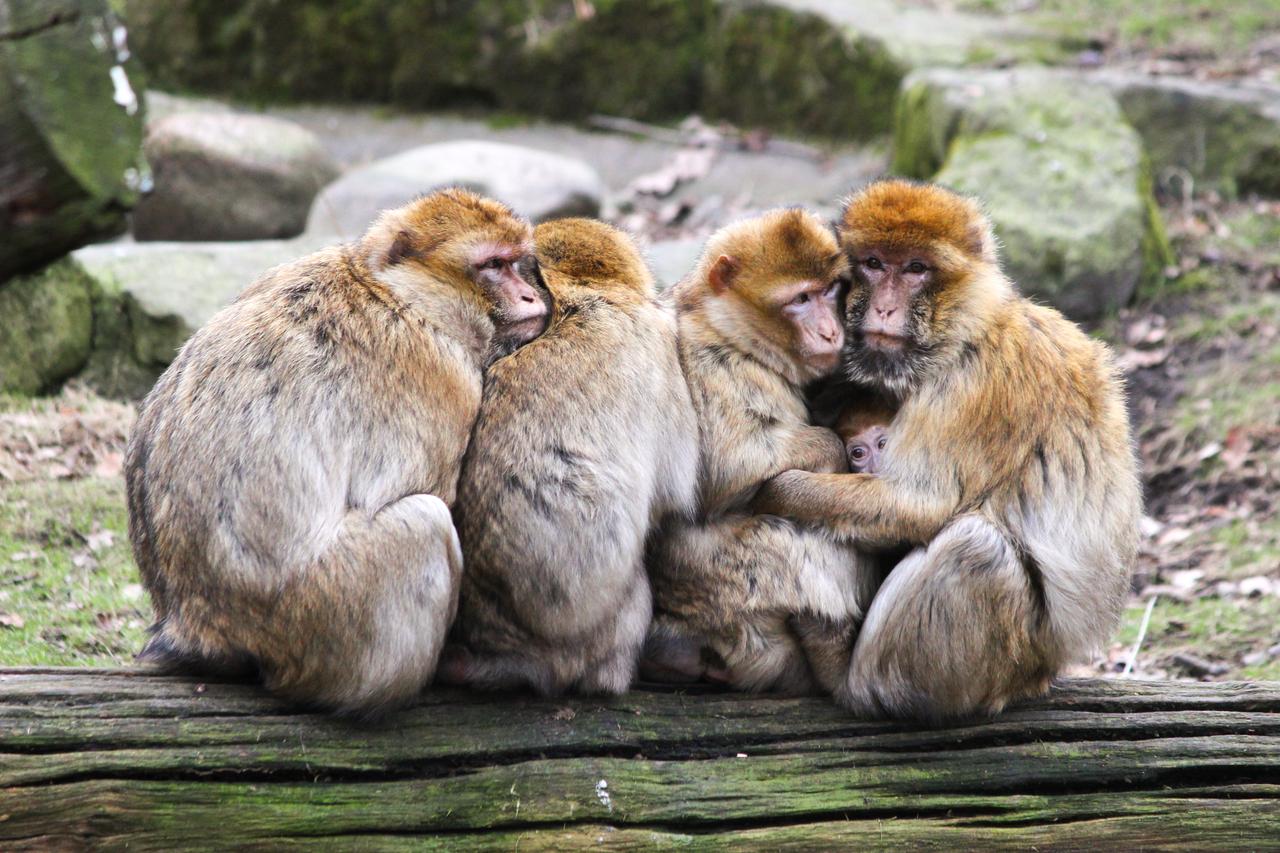
Feces do not always bother macaques. In the experiment, however, monkeys that had experienced the outbreak were far less likely to choose food on the contaminated surface.
They ate it in only 47% of trials, compared with 79% among monkeys that had not witnessed the outbreak. Federico Rossano, a study author and director of the Comparative Cognition Lab at the University of California San Diego, said the monkeys adjusted to a perceived risk.
The virus spread through bites and scratches, not through contaminated food.
Even so, after seeing the disease and sick individuals, the monkeys became more cautious about a risk unrelated to the actual route of transmission.
Stephan Kaufhold, a cognitive science researcher and co-author of the study, said the monkeys became more generally sensitive to disease after observing sick individuals.
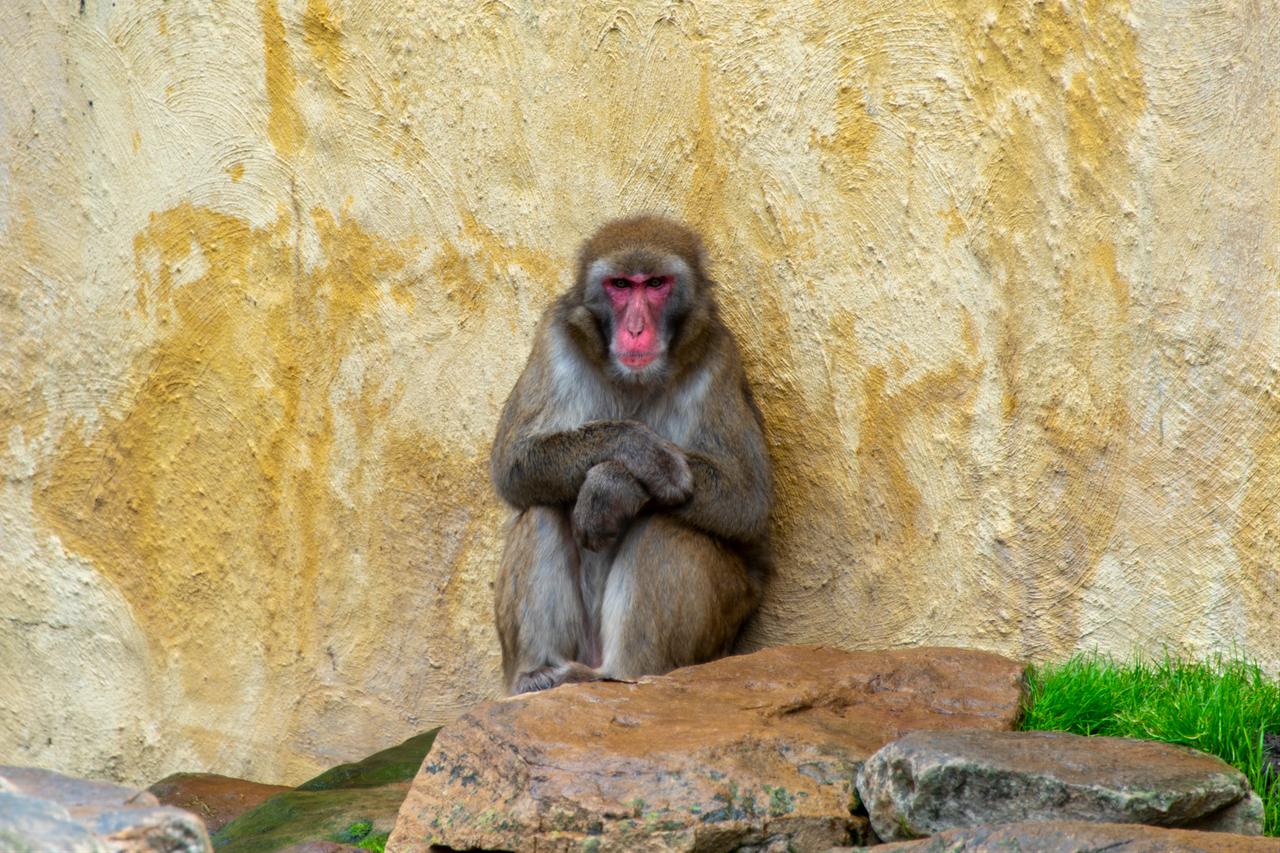
The study produced another unexpected result. Animals that never became ill but lived alongside monkeys that experienced the outbreak were just as careful about avoiding contaminated food. Rossano said animals living with sick companions showed the same behavior.
The macaques at the facility had varied backgrounds. Some were born at the facility and others in zoos. Some had previously been used as laboratory animals, while others had been raised as pets.
Macaques raised by humans were more likely to eat contaminated food. Researchers think these animals may have had fewer chances early in life to learn avoidance behavior from their mothers or other macaques.
Elodie Freymann, a primatologist at Brown University not involved in the study, said primates’ past experiences matter for understanding their behavior.
According to Freymann, the study is a good example of research that does not overlook animals’ histories and experiences.
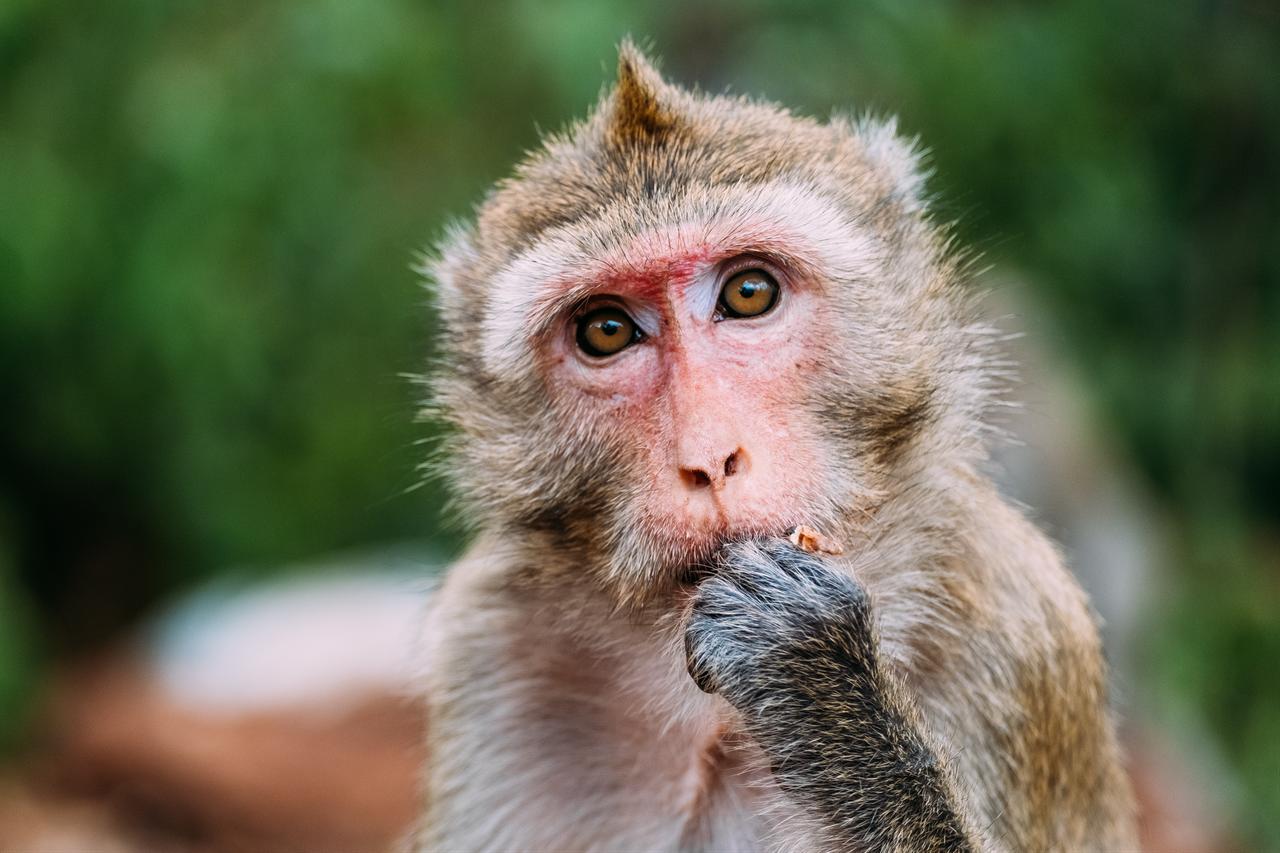
Animals avoiding things that could make them sick is not new. Some studies show that behavior resembling social distancing occurs in the wild.
Animals of different species can change their behavior both to avoid becoming ill and to stay away from sick individuals.
For example, some mandrills sniff feces to check for parasites before grooming one another. Some species isolate themselves from others when infected.
The research indicates that avoiding disease risk is not unique to humans and that experience and social interaction can shape primate behavior.


 Set as preferred source
 Set as preferred source



 2 min read