Newsletters





Between 10 and 20% of people diagnosed with lung cancer each year have never smoked, according to research.
The disease follows a different course in this group, and symptoms are often noticed late.
Chest disease specialist Professor Sevket Ozkaya announced that Türkiye ranked first in the world in 2025, with smokers consuming an average of 17.1 cigarettes a day.
Data from the Turkish Statistical Institute (TurkStat) show the share of people aged 15 and over who use tobacco products daily rose from 28.3 percent in 2022 to 30.1 percent in 2025.
In 2023, 41,000 people in Türkiye were diagnosed with lung cancer, 34,000 of them men and 7,000 women.
Medical oncology specialist Professor Saadettin Kilickap told the Turkish daily Cumhuriyet that lung cancer is becoming more common among non-smokers.
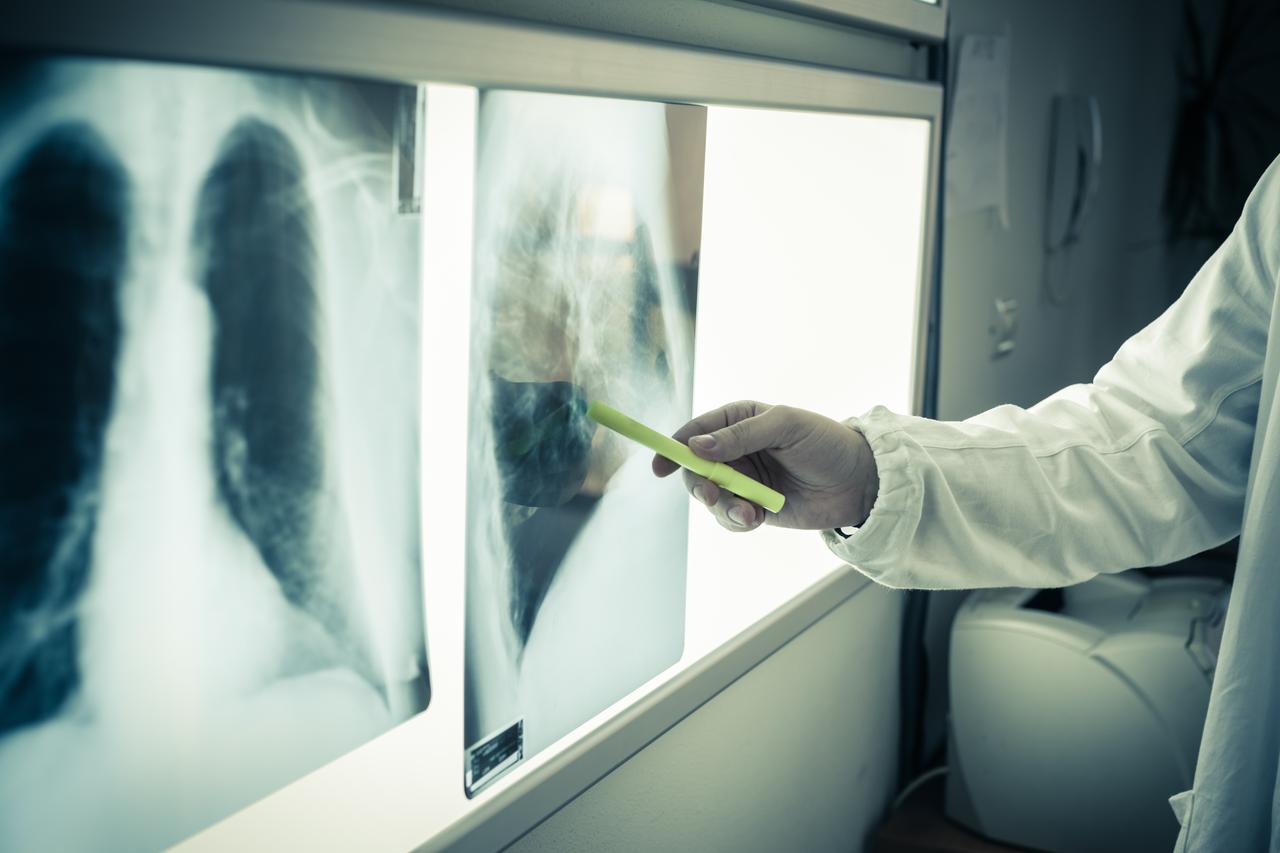

Mikkael A. Sekeres, an oncologist writing in The Washington Post, says smoking is most closely linked to small cell and squamous cell cancers, while non-smokers more often develop adenocarcinoma, which starts in cells that produce secretions such as mucus.
Patients who have never smoked are diagnosed at an average age of 67, compared with 70 for smokers. Cough or shortness of breath rarely prompts suspicion of lung cancer in a non-smoker, so patients see a doctor later, and the cancer is more likely to have spread by diagnosis.
Sekeres also points to genetic changes in genes that regulate cell growth.
The most common is a change in the EGFR gene, found in about three-quarters of non-smoking patients. Targeted drugs that work differently from standard chemotherapy exist for such cancers, so testing a tumor’s genetic profile at diagnosis can change treatment.
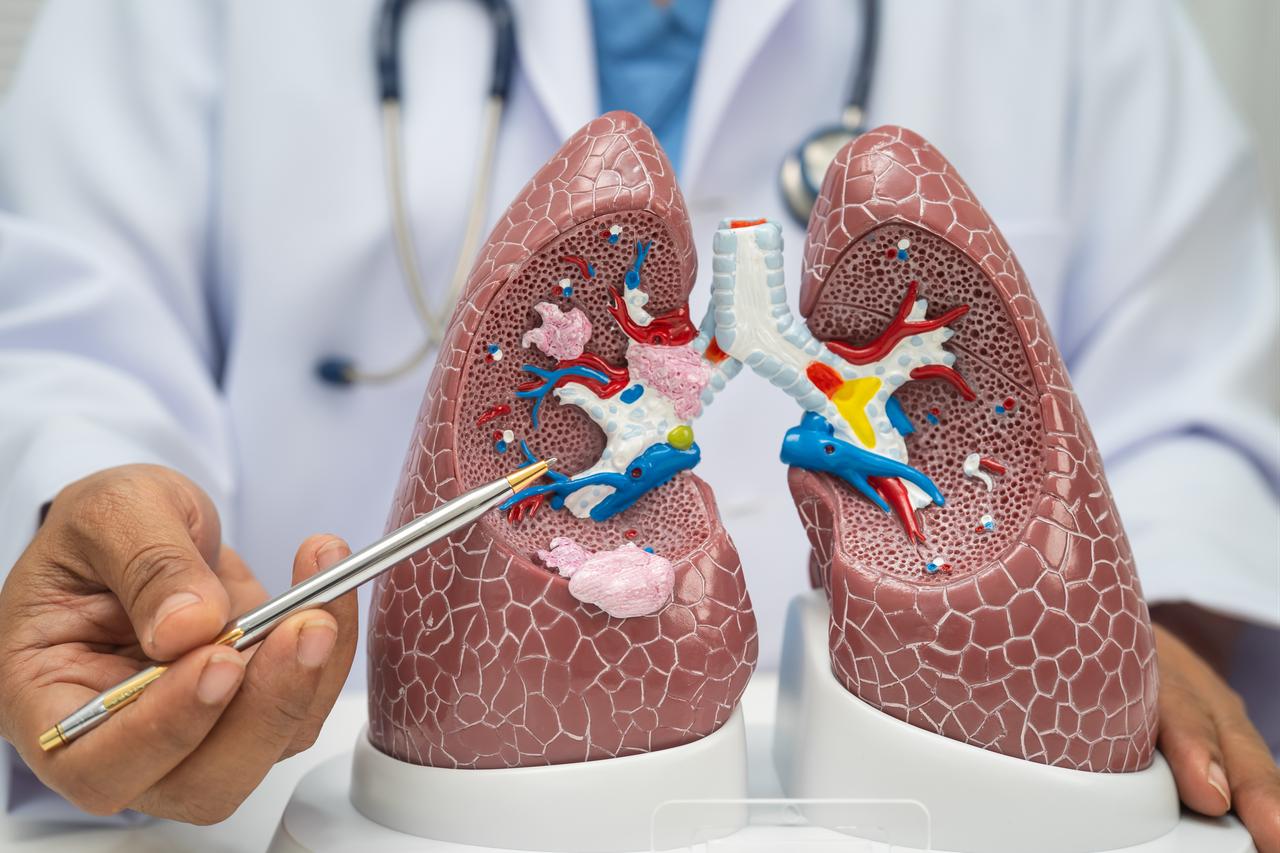
Radon, a colorless, odorless, and radioactive gas released from rocks, soil, and water, is one environmental factor. It can build up in homes in high-radon areas, and a French study linked genetic changes common in non-smokers’ lung cancer to such regions.
In 2014, the Turkish Atomic Energy Authority (TAEK) measured over 7,000 homes across 81 provinces and found an average of 81 becquerels per cubic meter, a unit of radioactivity in air.
TAEK guidelines set a limit of 300 becquerels per cubic meter for homes, while the World Health Organization (WHO) recommends 100.
Air pollution was linked to about 200,000 lung adenocarcinoma cases worldwide in 2022.
Inflammatory lung diseases such as COPD and bronchitis, asbestos exposure and previous chest radiotherapy may also raise risk. Passive smoking increases it by about 30 percent.
 2 min read
About 80 percent of lung cancer cases occur in smokers, making quitting or never starting the most effective measure.
Non-smokers can have home radon levels measured, and home buyers can have buildings checked for asbestos. Wearing an N95 mask outdoors on heavily polluted days may also help.
Doctors advise seeing a physician for a cough lasting four weeks or longer, bloody sputum, shortness of breath or chest pain.


 Set as preferred source
 Set as preferred source



 1 min read