Newsletters


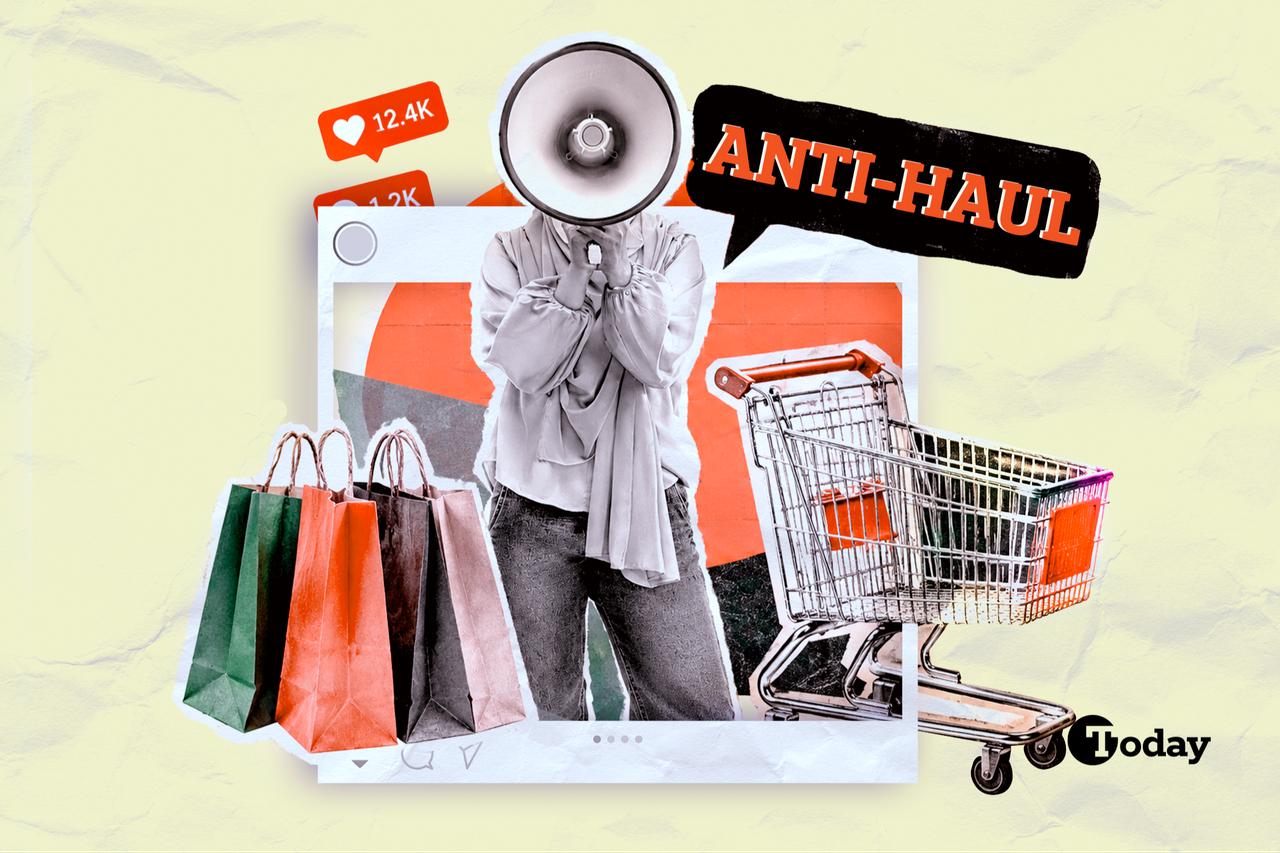


"Don’t buy it. Trust me."
The voice from the phone is bright and conspiratorial, and it arrives just as her thumb hovers over “Add to Cart,” the little orange glow of it pulsing against the dark of her bedroom. The thumb retreats. The screen dims. Somewhere in a server farm, a number ticks up by one.
Videos that tell viewers not to buy something get more comments than regular influencer posts, according to a 2026 analysis.
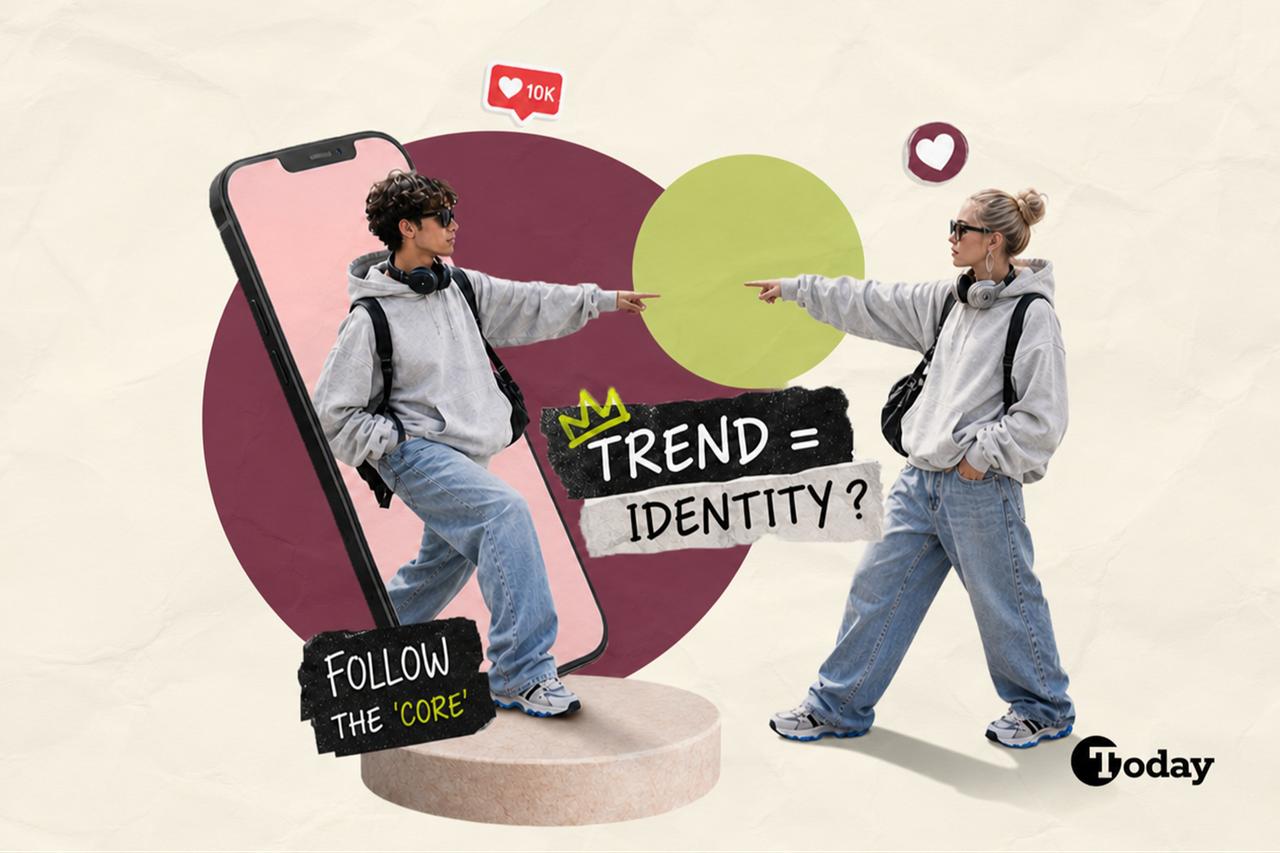
Researchers remain split: is de-influencing a true rebellion against consumer culture, or simply its latest disguise?
The term first emerged as pushback against viral product hype. Yet the format still leans on personal branding and algorithmic boosts, and often swaps pricey picks for budget-friendly alternatives.
Whether this signals real change or just a remix of old habits depends on your perspective.

The trend took off in January 2023, when the creator @sadgrlswag gave it a name.
Videos under the tags #deinfluencing and #antihaul urged viewers to think twice before buying popular beauty and fashion products, offering an alternative to the usual haul videos. One academic estimate says the trend has over 1.5 billion views on TikTok.
The idea caught fire. By summer 2024, a new wave called underconsumption core surfaced, with creators showing simple wardrobes, basic skincare routines, and using everyday items until they were finished.
In 2025, mentions of de-influencing rose 79%, according to Brandwatch, which also found joy was the leading emotion in these conversations at 36%.
Critics quickly noticed the similarities. Lucia Bainotti, a researcher for the Association of Internet Researchers, said de-influencing criticizes consumerism but still depends on the same habits. She sees it as calling out the influencer industry while also building a personal brand, using TikTok’s own methods.
This push-and-pull plays out on screen. One viral creator openly called it ironic: many, herself included, recommend budget versions of the very products they caution against.
Engagement stats also have limits. The analysis looked at just 216 posts, and the authors suggest the comment spike comes from a more persuasive style.
Even restraint has turned into a trend. Lifestyle Asia notes that underconsumption core is now an aesthetic, raising the question: can ordinary consumer habits ever truly become a lasting movement
So far, academic studies don’t all agree. One study at the European Marketing Academy’s 2025 conference surveyed 76 people and found that both de-influencing and regular influencing strongly affected what people wanted to buy.
De-influencing had a direct effect, while regular influencing worked through brand image. Participants saw both as similar persuasive strategies.
A bigger set of experiments with 1,456 participants found that de-influencing made influencers seem more trustworthy by lowering doubts about their motives.
This trust made people more likely to buy products the influencer recommended later. However, the effect was weaker if the influencer later promoted a brand they had previously criticized.
Another paper in the Journal of Business Research describes de-influencing as a cause-driven type of influencer marketing. It aims to fight overconsumption by encouraging people to make thoughtful choices. This view sees the trend as cause-driven influencer marketing, which differs from earlier criticism.
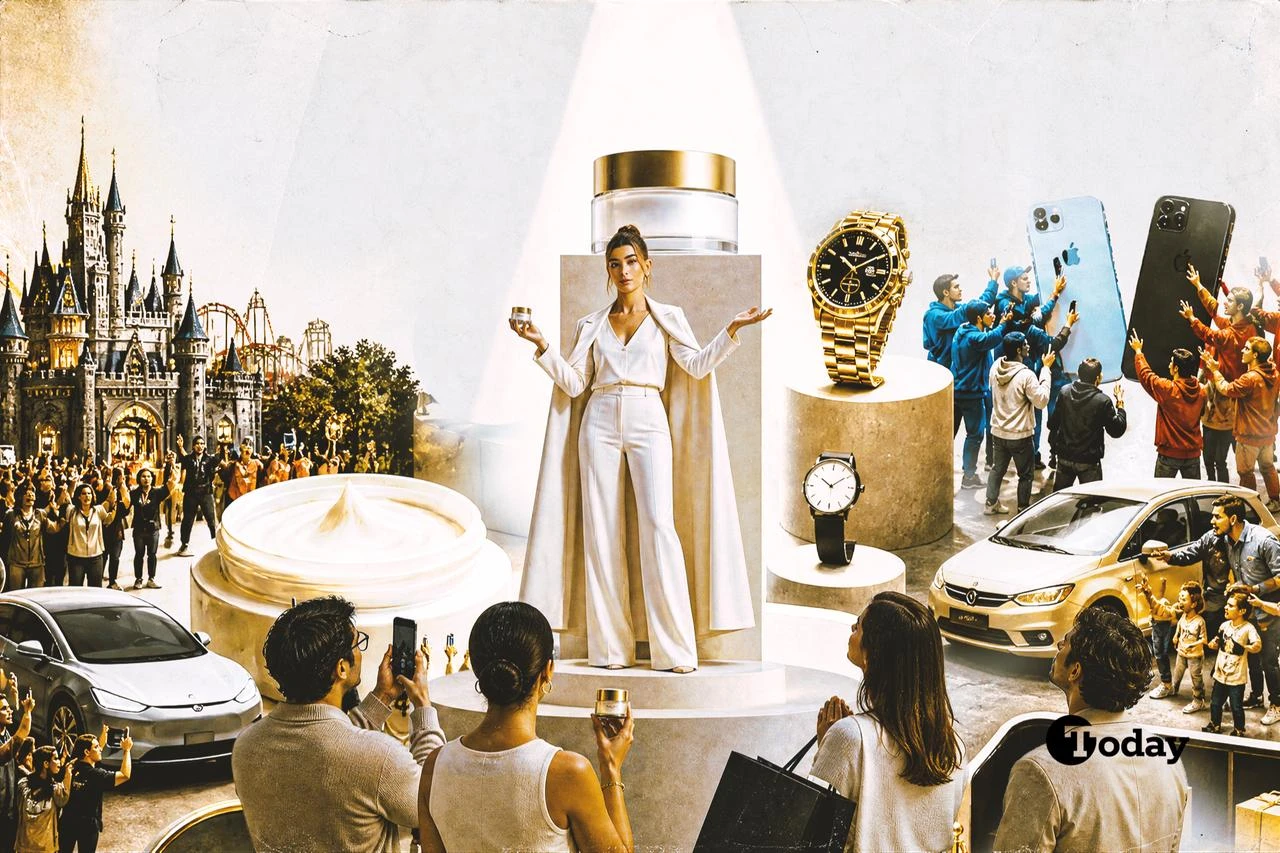
The industry has taken notice too. Brandwatch now helps brands keep up with the trend, noting that influencer marketing was expected to exceed $30 billion in 2025.
They also note that 88% of consumers say they have bought something because of an influencer’s recommendation.
Gittemarie Johansen encourages her followers to buy less, even though she uses platforms designed for selling. She told Türkiye Today how she balances the two. Johansen started posting on Blogspot in high school, sharing outfits and dreaming of a fashion career.
In 2014, a waste-reduction movement changed how she viewed sustainability. She began to see it as more about personal habits than laws or committees. Over the past 12 years, her work has expanded to include lectures and workshops on consumption, as well as cooking demonstrations.
When asked if making money on social media conflicts with telling people to buy less, Johansen is direct. It "does very much," she says, since selling products is "a really good idea" for anyone wanting to earn from these platforms.
She keeps other jobs so she does not rely on social media income alone. She sums up her view simply: "if you don't need it, it's not sustainable."
She still uses her secondhand camera from 2018, even if it means not keeping up with others who always upgrade. Whether any of it changes anything, Johansen is careful not to overclaim. Repairing a phone screen will not change the world, she says.
Her argument is that small acts, like repairing and buying secondhand, are an entry point: people start caring about things, then about legislation and large corporations.
Followers write to say they tried a plant-based recipe or repaired something instead of replacing it. Those accounts are self-reported. She says the work changes the world by "a smidge."
Now, the thing people share is the purchase they didn’t make. The same machine that once pushed shopping sprees films the restraint, tags it, and sends it out into the feed.
So when someone closes the app with nothing in the cart, what really happened?
Maybe they found the willpower. Maybe they just took someone else’s word for it. Either way, the ledger balances.
The viewer kept their money.
The creator got a view.
The platform kept the viewer’s eyes a little longer.
Nobody lost, which is exactly what makes it so hard to pin down.


 Set as preferred source
 Set as preferred source


 2 min read
 1 min read