

 Newsletters


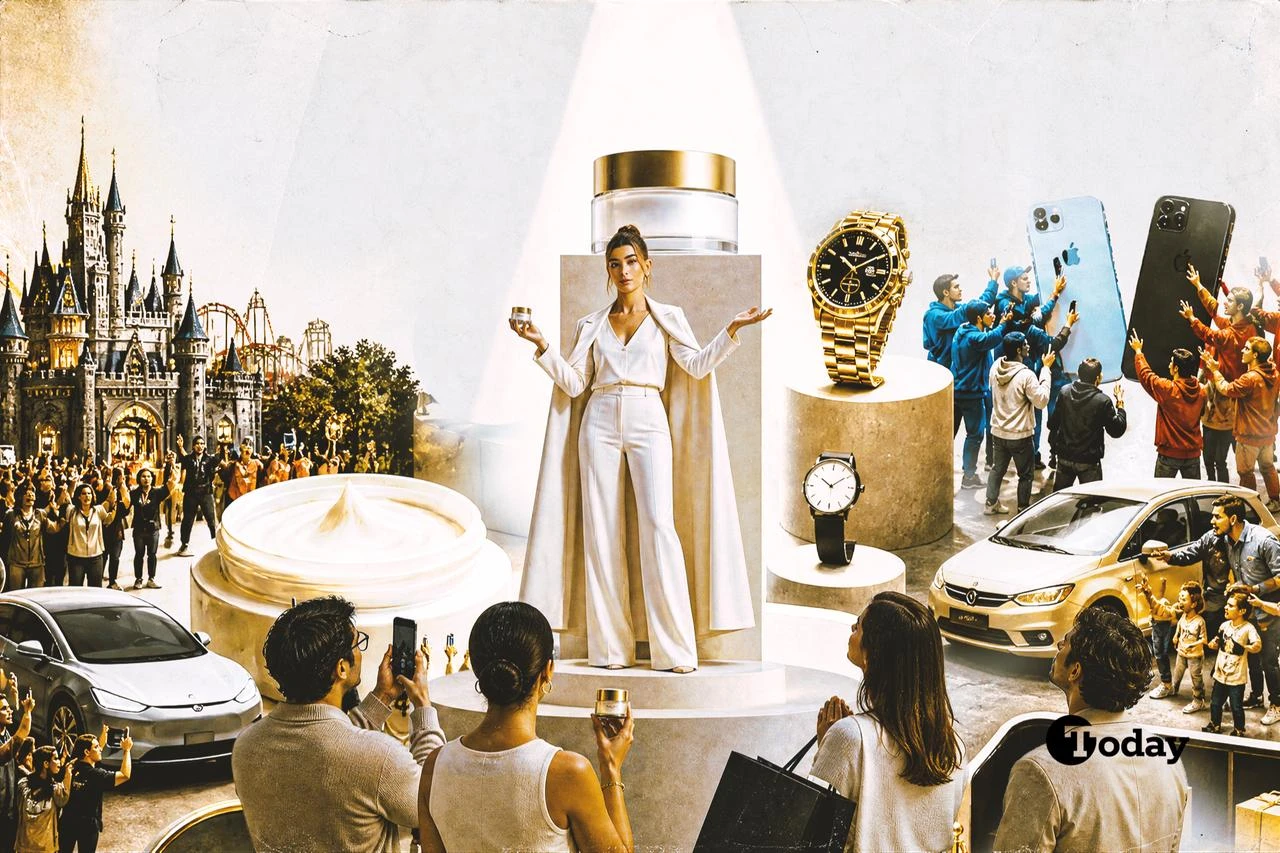


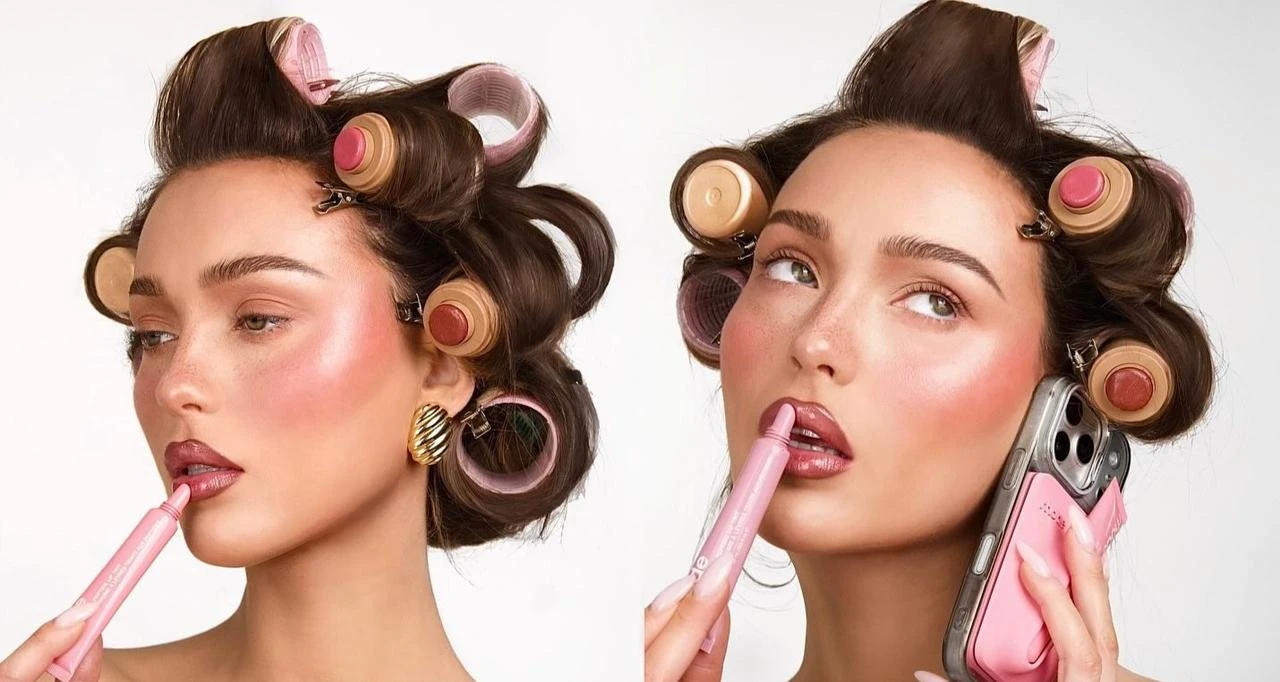
Open the Rhode Beauty site; the first thing you see isn’t a product. Instead, you’re greeted by Hailey Bieber’s face, her routine, and her voice explaining why a certain balm exists.
The brand doesn’t just offer a persona for customers to try on; it points to one person to embody it. Bieber isn’t just a celebrity endorser standing next to the product.
She’s the origin story, the face, and the proof that it works. Each formula is presented as something she personally needed, used, or created from her own routine.
In terms of belief systems, this is the difference between sharing an aesthetic and following a chosen leader: customers aren’t just buying a look; they’re buying into her.
Loyalty to the brand, almost by design, becomes loyalty to a person, and defending the product starts to feel a lot like defending them.
Rhode isn't an isolated case. It’s just a clear example of what most major brands now do: they focus less on selling products and more on building a community of followers.

A clinical psychologist specializing in consumer psychology, who asked not to be named per her employer's media policy, describes this through a concept known as the "extended self. This means people take a brand’s image and make it part of who they are. It happens slowly. First, someone chooses the brand over others.
Then, they show it off—wearing the logo, carrying the bag, putting on the sticker. Over time, the brand stops being just something a person owns and starts to become part of who they are.
This helps explain why online arguments about whether an iPhone or a Galaxy is "better" can turn into heated debates. For the most devoted users, criticizing the product feels like criticizing them personally.
The clinical psychologist says this is what happens when loyalty goes too far. People start defending purchases that stretch their budgets, treat rival brands with open hostility, and see normal criticism as a personal attack.
Nike figured out the first part of this before most brands. Its ads rarely focus on shoe technology. Instead, Nike sells a persona: the athlete, the striver, the person who "just does it." Customers get to step into that role when they buy the shoes. The shoes themselves almost seem secondary.
Rhode takes this further. Instead of letting customers fill in the persona themselves, it gives the role to one specific person and asks customers to follow her, not just imagine themselves in her place.
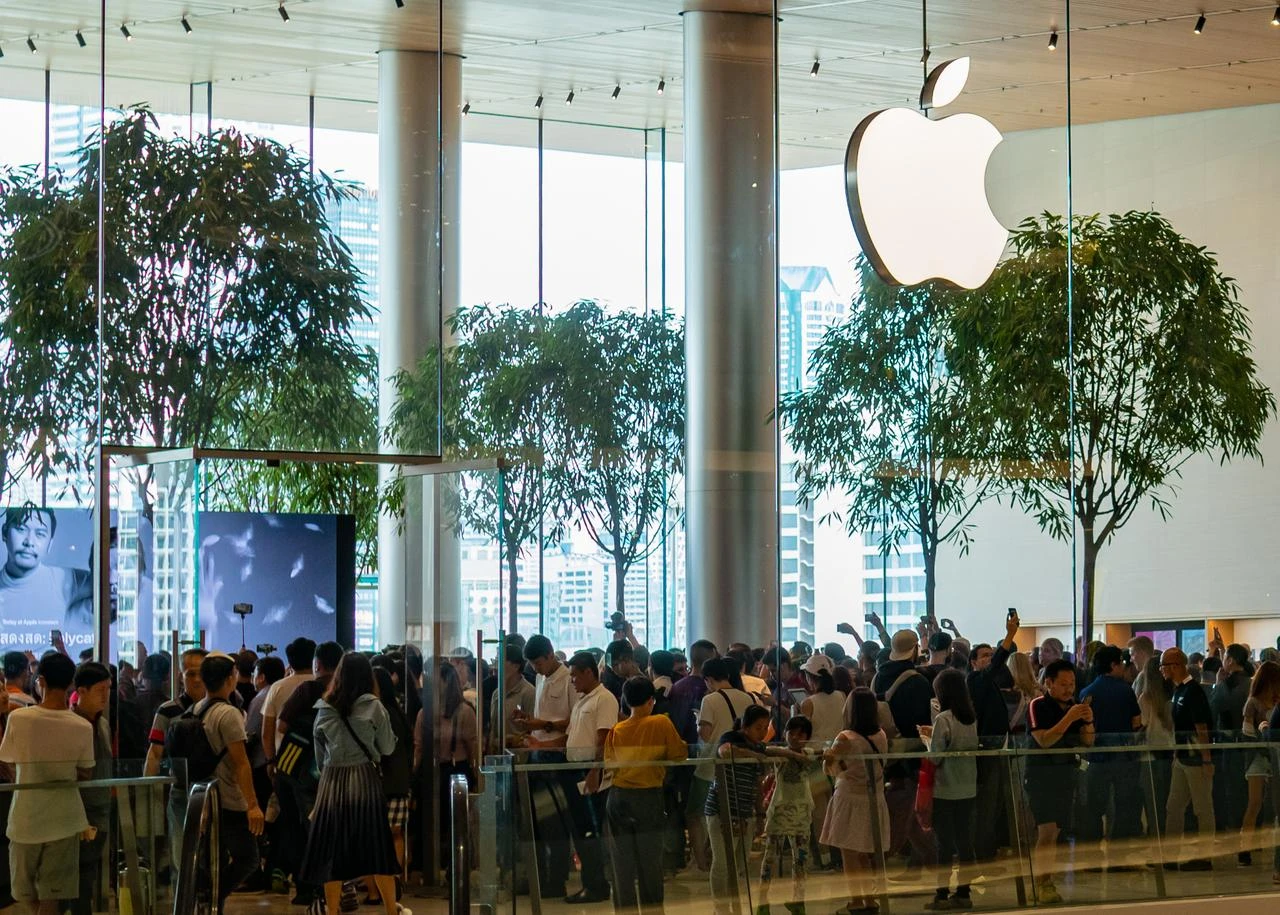
If you stand outside an Apple Store on launch day, you’ll see a similar scene play out on a bigger scale. People line up overnight.
There’s a hush when the doors open. Employees applaud as customers walk in, almost like a ceremony. No one in line would call it worship, but everyone can sense there’s more going on than just buying something.
The psychology here draws a clear line: basic necessities are judged on function alone.
Nobody buys a garbage bag to make a statement. But for things like phones, watches, cars, or skincare, what the item says about you often matters more than how it works.
When someone buys a device or a skincare product, they’re also answering the question, "Who am I, and who do I want others to see me as?"—without saying a word.
That’s why a Rolex and a quartz watch that works just as well cost such different amounts. It’s also why, in some circles, owning a Tesla or a Toyota sends completely different messages about the owner, no matter how the cars actually perform.
The sociological side of this story is, in some ways, more unsettling. Traditional sources of community and belonging—like extended family, neighborhoods, religious groups, and unions—have weakened in much of the developed world because of urbanization and individualism. Brands have stepped in to fill that gap, often very successfully.
A brand community offers something similar to what a traditional community once did: shared symbols, shared rituals, and a shared identity.
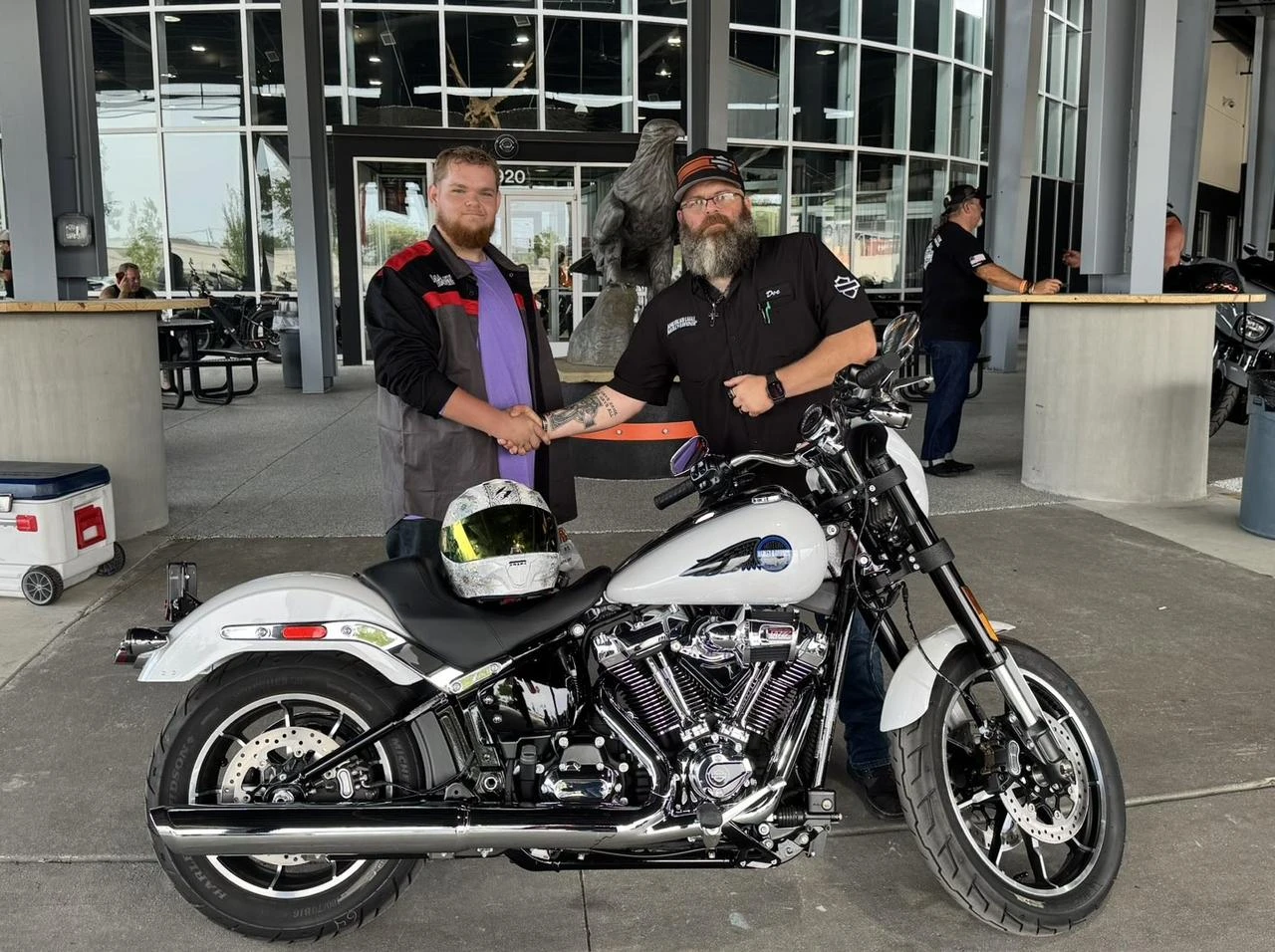
Harley-Davidson has built an entire subculture with rallies, tattoos, and a shared vocabulary, all centered around what is, at its core, just a motorcycle. Disney has done something similar on a much larger scale, with annual passholders, fan conventions, and even an entire adult identity built around a company whose main product is a theme park ticket.
As the clinical psychologist puts it, modern marketing has found a way to commercialize the human need to belong. Identity, community, and status—things people once built through years of relationships and shared effort—are now available for purchase, packaged as a subscription or a limited-edition drop.
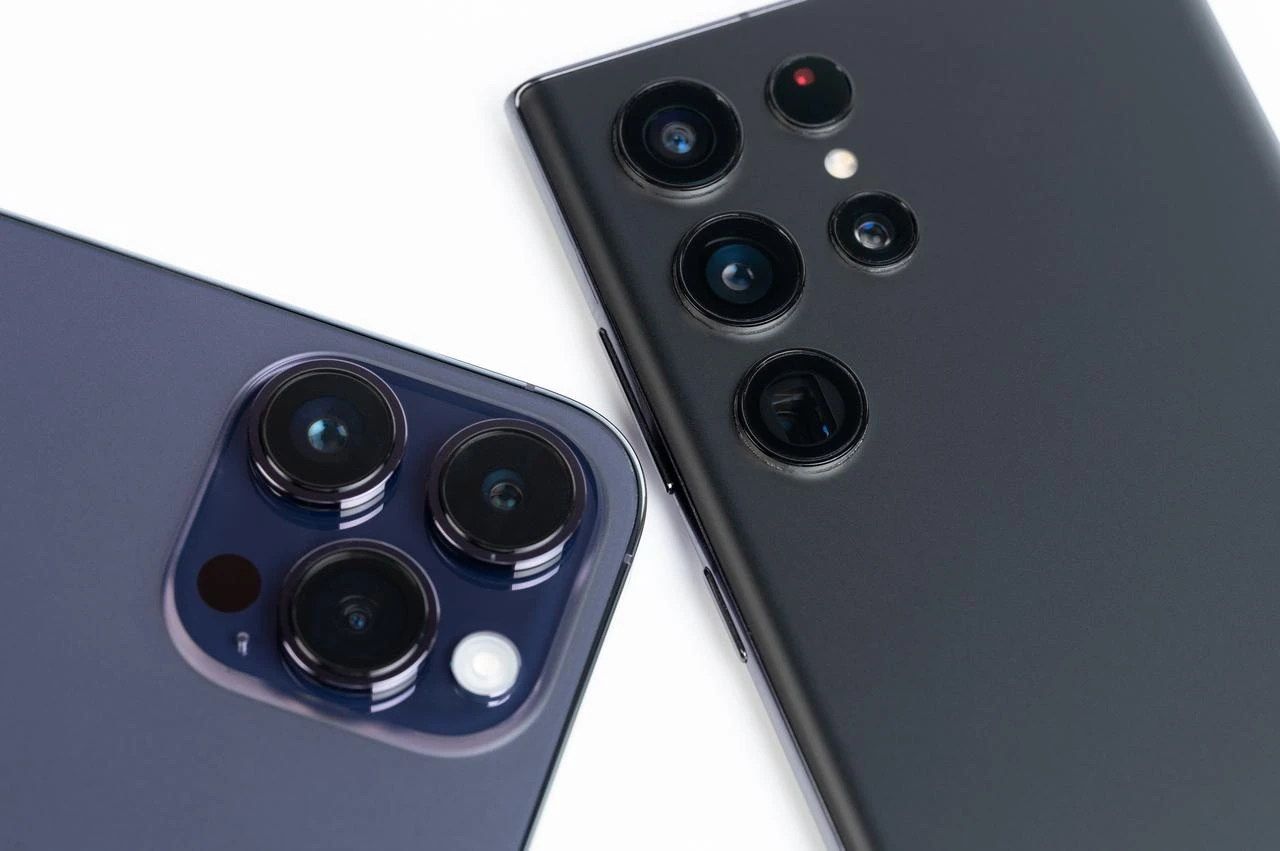
Brand loyalty also functions as a shortcut for finding "people like us" in a world that increasingly struggles to define who "us" is.
In a culture fragmented along political, geographic and generational lines, a shared brand allegiance can signal shared values, aesthetics or worldview faster than a conversation could.
Recognizing another iPhone user, another Disney enthusiast, another Rhode customer offers an instant—if shallow—sense of tribal recognition.
This doesn’t mean brands are actual cults with strict rules and defectors. Most people who love a brand can still leave it without any real harm. But the patterns are similar: shared values, group rituals, a leader to follow, a sense of privilege for insiders, and, at the extreme, a loyalty so strong that disagreement feels like betrayal.
When identity, community and status can all be acquired at checkout, and even a leader can be handed to you rather than found, two things get skipped: the slow work of building belonging through real relationships, and the thought process that would otherwise judge a product on its actual function and quality.
What a brand sells is rarely the object itself. It's a shortcut to everything harder to earn—identity, belonging, a place among people who feel like your own. The product is just what comes with it.


 Set as preferred source
 Set as preferred source


 2 min read
 1 min read


