Newsletters


This year, the number of rainy days in Türkiye fell to 86, around 14% below the long-term average. According to figures compiled by Anadolu Agency from the General Directorate of Meteorology under the Ministry of Environment, Urbanization and Climate Change, rainfall measured between October 1 and September 30 each year known as the “water year” is a key indicator for assessing meteorological drought.
During the 2025 water year (October 1, 2024–September 30, 2025), Türkiye’s average total rainfall reached 422.5 kilograms per square meter. This represents a 26.3% decrease compared with the 1991–2020 average and a 29.2% drop from the previous year, marking the lowest level recorded in the last 52 years.
Rainfall declined by more than 60% in parts of southeastern Türkiye and around Hatay, while increases above 20% were recorded in Sinop, Samsun, Ordu, Giresun and Trabzon. Eskisehir, Hatay, Malatya and much of Southeastern Anatolia, received less than 250 millimeters of rain.
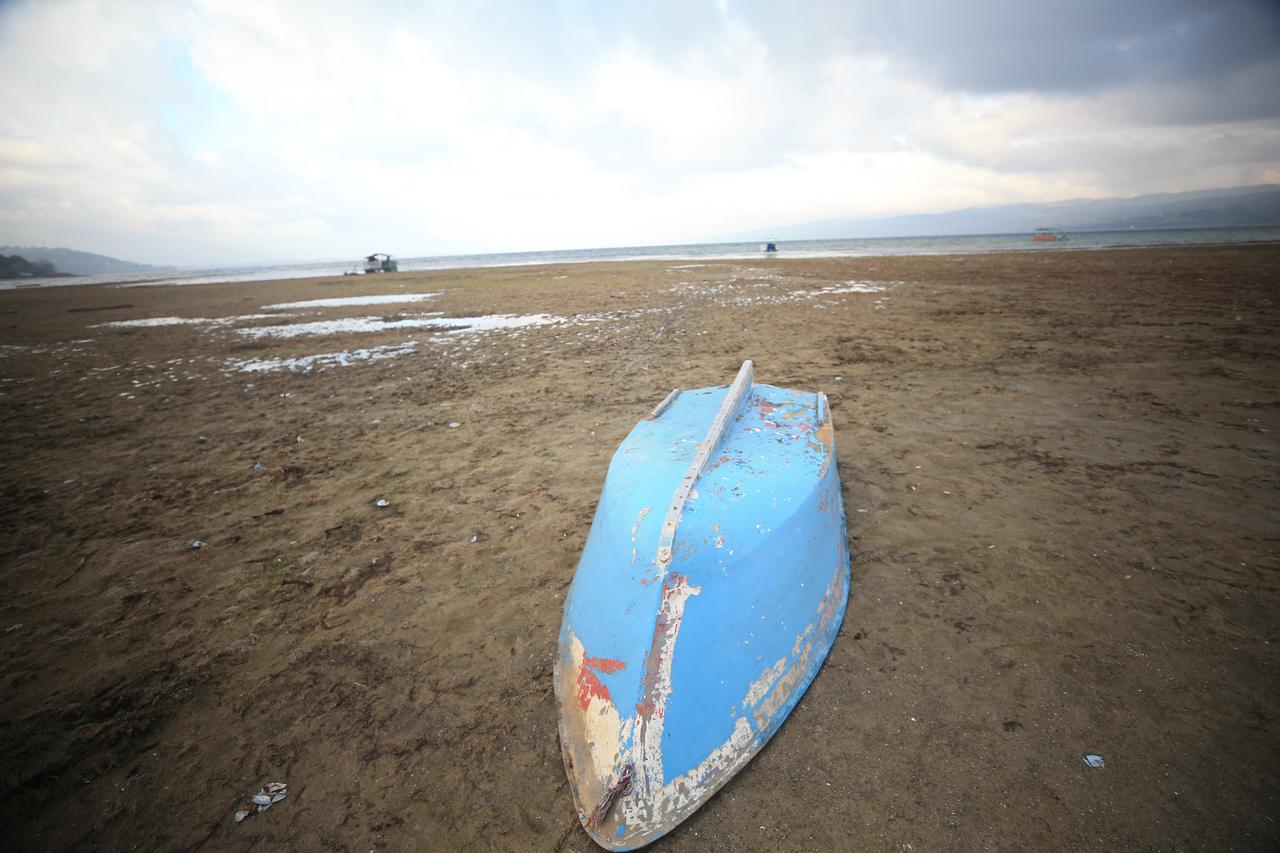

Across all regions, rainfall remained below both long-term norms and last year’s totals. The sharpest decline was observed in Southeastern Anatolia, where precipitation dropped by 53%. Water-year rainfall fell to its lowest levels in 65 years in Southeastern and Central Anatolia, 63 years in Marmara, 51 years in the Mediterranean and 18 years in the Aegean.
With the exception of the Coruh and Eastern Black Sea basins, all basins received below-average rainfall. Record lows were recorded in the Meric-Ergene, Sakarya, Asi and Euphrates-Tigris basins over the past 65 years; in the Lake Van basin over 64 years; in the Akarcay, Seyhan and Ceyhan basins over 52 years; and in the Konya Closed Basin over 51 years.
The Asi Basin recorded the steepest decline 64% 'below normal' while the Konya Closed Basin had the lowest total rainfall at 256 millimeters.
Rize reported the highest rainfall, with 1,812.1 kilograms per square meter. Giresun and Trabzon recorded the largest increases compared with normal levels, at 30%. The lowest rainfall was measured in Sanliurfa at 182.8 kilograms per square meter, while Hatay saw the greatest decrease relative to normal, at 66%.
In many provinces, including Bilecik, Eskisehir, Gaziantep, Hatay, Kayseri, Mardin, Sanliurfa, Van and Batman rainfall in the 2025 water year dropped to the lowest levels observed in decades, in some cases reaching 40–65-year lows.
The number of rainy days also decreased notably in southern regions. While the long-term national average is about 100 rainy days per year, the 2025 water year recorded 86 days.
More than 120 rainy days occurred in parts of the Central and Eastern Black Sea regions, as well as in Sakarya, Duzce, Zonguldak, Ardahan and eastern Kars. In contrast, Mersin, Adana, Hatay, and southern areas of Southeastern Anatolia experienced fewer than 50 rainy days.
April had the highest average number of rainy days (14.2), while July had the fewest (2.8). The Eastern Black Sea Basin recorded the greatest number of rainy days at 157, whereas the Asi Basin had the lowest at 51.2 — also posting the largest decline compared with normal levels, at 44%.


 Set as preferred source
 Set as preferred source


 1 min read
 1 min read