Newsletters


NASA has released more than 800 gigabytes of lunar science data from its Artemis II mission, including 12,000 photographs, previously unheard astronaut recordings and detailed observations from April's historic moon flyby.
The complete archive, unveiled Wednesday at the International Astronautical Congress in Antalya, Türkiye, is now available to researchers worldwide, offering new opportunities to examine the lunar surface through observations collected during the first crewed journey around the moon in more than 50 years.
The newly released material includes more than eight hours of previously unpublished crew audio alongside handwritten notes, sketches and technical information linked to thousands of photographs taken during the mission.
Although NASA had already made the images available online, the latest release adds around 300 fields of metadata to each photograph. Metadata provides technical details that allow scientists to examine, compare and interpret images accurately.
The archive also contains three scientific reports covering how to use the data, how the mission's science operations were carried out and preliminary findings across 10 areas of lunar research.
NASA Deputy Administrator Matt Anderson described the release as a starting point for further scientific investigation.
"This release represents not the end of Artemis II lunar science, but a new beginning. Today you can dive deep into the data," Anderson said.
Mission lunar science lead Kelsey Young explained that the preliminary findings were intended to help researchers identify potential studies while encouraging the wider scientific community to explore additional possibilities.
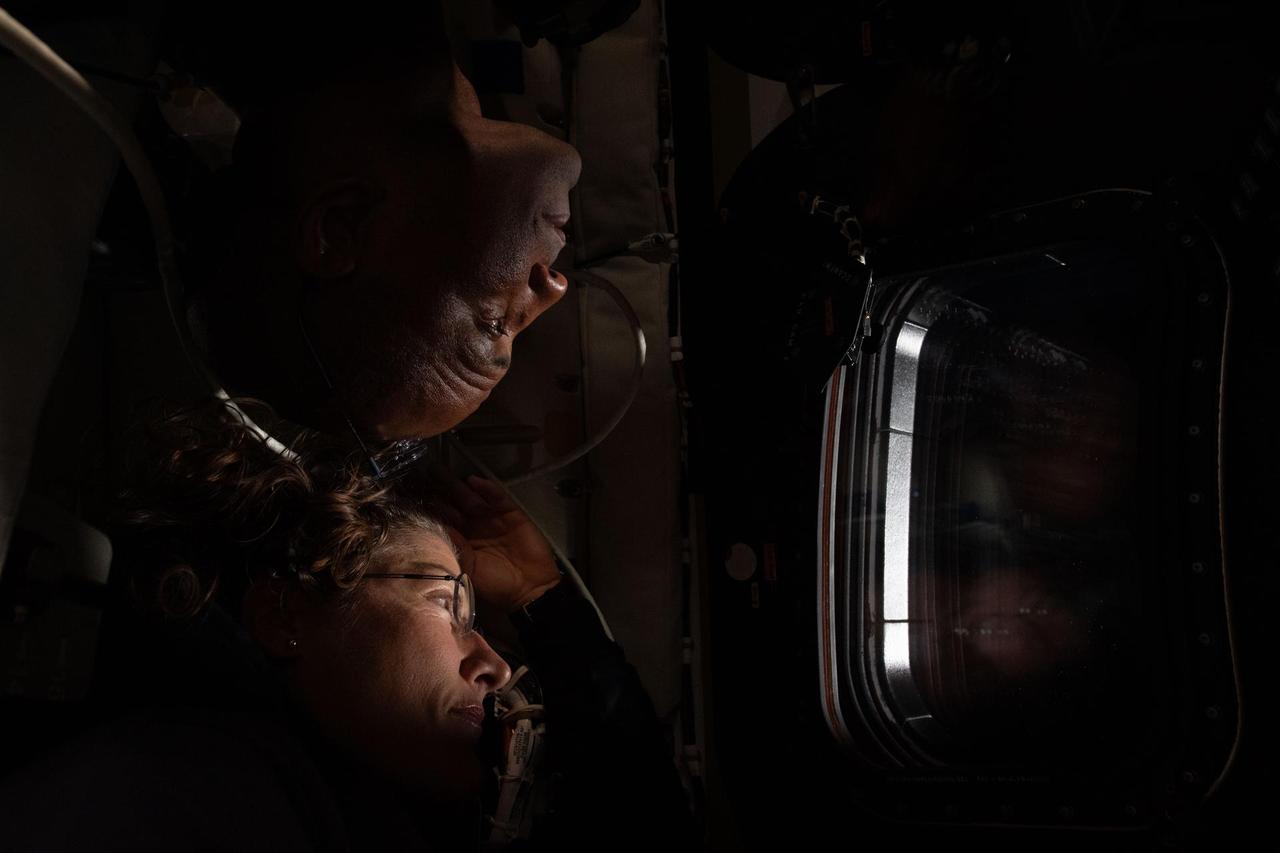

Artemis II launched from Florida on April 1 with NASA astronauts Reid Wiseman, Victor Glover and Christina Koch, alongside Canadian astronaut Jeremy Hansen.
Rather than landing on the moon or entering lunar orbit, the crew traveled around its far side before returning to Earth and splashing down in the Pacific Ocean on April 10.
During the April 6 flyby, the astronauts reached a distance of 406,771 kilometers (252,756 miles) from Earth, surpassing the human spaceflight distance record set by Apollo 13 in 1970.
While the mission primarily tested NASA's Orion spacecraft and new rocket, astronauts also carried out scientific observations by working in pairs and describing selected lunar features to researchers in Houston.
One recording captures Koch describing the Aristarchus Plateau, a region of scientific interest, as resembling "a yellow snow-capped mountain" with a faint green tint. Researchers subsequently used her description to bring out additional color details in the photographs.
The recordings also document the crew witnessing a total solar eclipse from space and observing brief flashes caused by small space rocks striking the lunar surface.
NASA science chief Nicola Fox emphasized the importance of astronauts providing real-time descriptions of lunar features, describing the crew as "the most powerful science instruments that we've ever flown."
Following the successful Artemis II mission, NASA plans to carry out Artemis III in 2027, keeping astronauts in Earth orbit to practice docking with experimental lunar landers developed by SpaceX and Blue Origin.
The agency then aims to return humans to the lunar surface in 2028 through Artemis IV, targeting the moon's south pole.
If successful, the mission would mark the first human lunar landing since 1972.


 Set as preferred source
 Set as preferred source


 1 min read


 1 min read