Newsletters





Superpower has launched an artificial intelligence (AI)-powered "Doctor" platform built around persistent patient memory and evidence-linked reasoning, presenting the product as an effort to complement existing healthcare services and address the time limitations often associated with primary care visits.
Digital health platform Superpower has officially launched its AI Doctor product, developed over several months of engineering work spanning 247 code committees and approximately 140,000 lines of code.
The product is built on a central premise: continuity of care that consistently identified in clinical research as one of the strongest predictors of improved health outcomes and lower mortality, remains largely inaccessible to most patients in modern healthcare systems.
The average primary care visit lasts roughly 15 minutes, and studies indicate that patients are typically interrupted within 11 seconds of beginning to describe their symptoms. Superpower says its AI Doctor is designed to address this structural gap by offering sustained, longitudinal engagement.
The product incorporates a proprietary compressed-memory architecture that stores all patient-reported information from each interaction without time constraints.
Beyond recording symptoms, the system captures clinical details such as symptom laterality, time of onset, aggravating and relieving factors, and explicitly excluded conditions. According to the company, the AI retains full contextual awareness even after 50 user interactions.
The platform also analyzes temporal correlations by tracking biomarker trends, medication history, lifestyle modifications, and behavioral patterns over time.
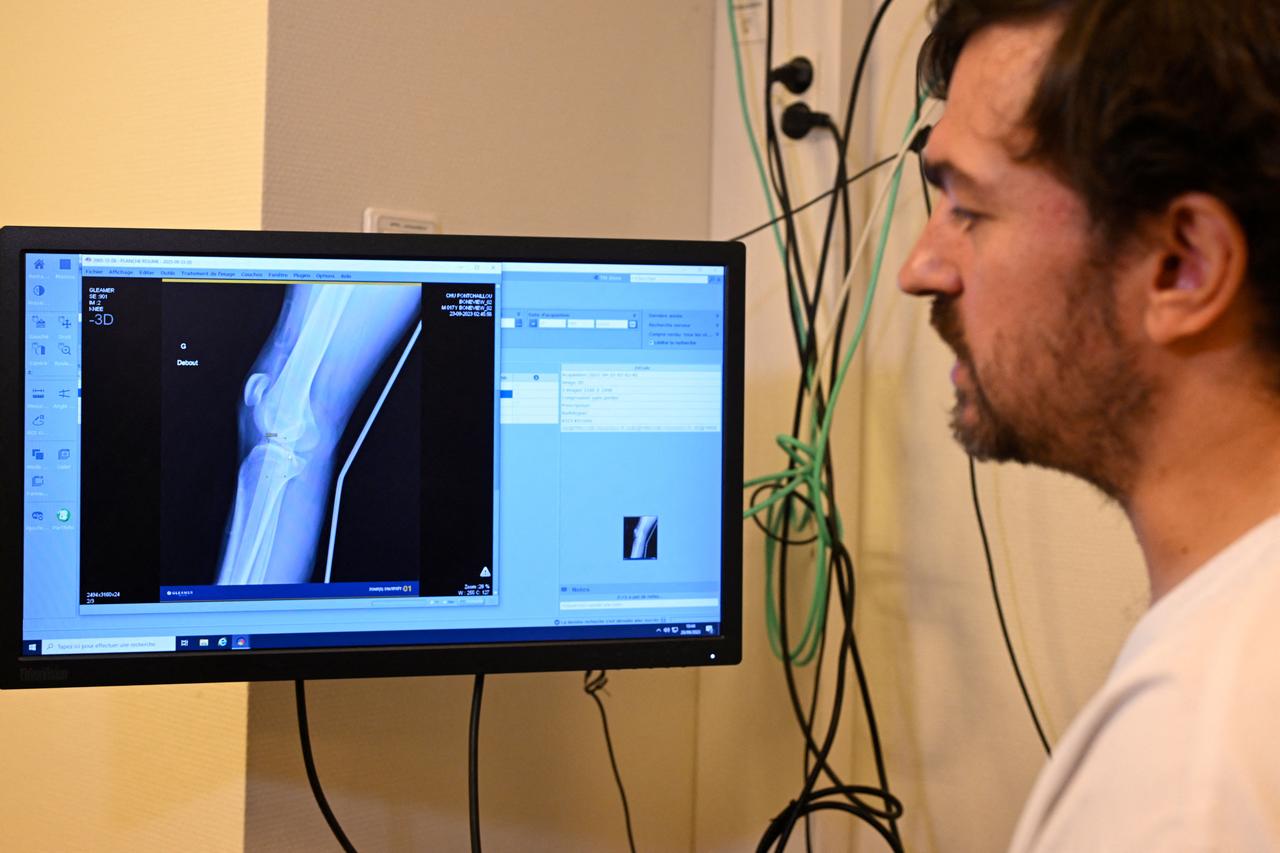

The launch comes amid growing scrutiny of artificial intelligence in clinical settings.
A 2026 study conducted by the University of Oxford and published in Nature Medicine evaluated approximately 1,300 U.K. participants using AI chatbots, including OpenAI’s GPT-4o, Meta’s Llama 3, and Cohere’s Command R+.
The study found that users correctly identified their health condition in roughly one-third of cases and selected the appropriate course of action about 45% of the time—results comparable to standard internet searches.
Co-author Rebecca Payne stated that AI is "not yet ready to take on the role of a doctor."
Superpower says it has sought to address such concerns through design features aimed at transparency and traceability. AI Doctor provides inline citations that link each recommendation to relevant laboratory data or prior consultation notes.
A visible "Think" tab allows users to review the system’s chain of reasoning, including differential diagnoses considered and supporting data points evaluated.
A biochemist speaking to Türkiye Today, who wishes to remain anonymous, noted that when a patient queries an isolated abnormal result, such as elevated glucose, a general-purpose AI system may generate a standard differential diagnosis, such as diabetes. But it may not fully enumerate underlying causes or flag clinically significant comorbidities.
"The difference," the expert explained, "is that a physician evaluates the patient comprehensively—from head to toe—and incorporates family history, laboratory data, imaging, physical examination findings, and clinical context."
Isolated AI queries, the expert argued, cannot replicate that integrative process.
The expert also distinguished consumer-facing AI systems and tools embedded within clinical institutions.
AI platforms developed by organizations such as the Mayo Clinic—which integrate age, weight, sex, prior diagnoses, and complete medical histories—have demonstrated value in identifying overlooked findings and supporting stepwise treatment planning under physician supervision.
Superpower’s AI Doctor represents a technically ambitious entrant into the evolving clinical AI market, emphasizing longitudinal memory, evidence-linked reasoning, and structured transparency.
However, both expert consensus and emerging data suggest a consistent limitation: AI systems perform most effectively when integrated into physician workflows rather than positioned as direct substitutes.
Ultimately, the platform’s long-term impact will depend less on its launch metrics and more on whether its architecture can scale responsibly, delivering continuity of care while preserving clinical rigor.


 Set as preferred source
 Set as preferred source



 2 min read