Newsletters


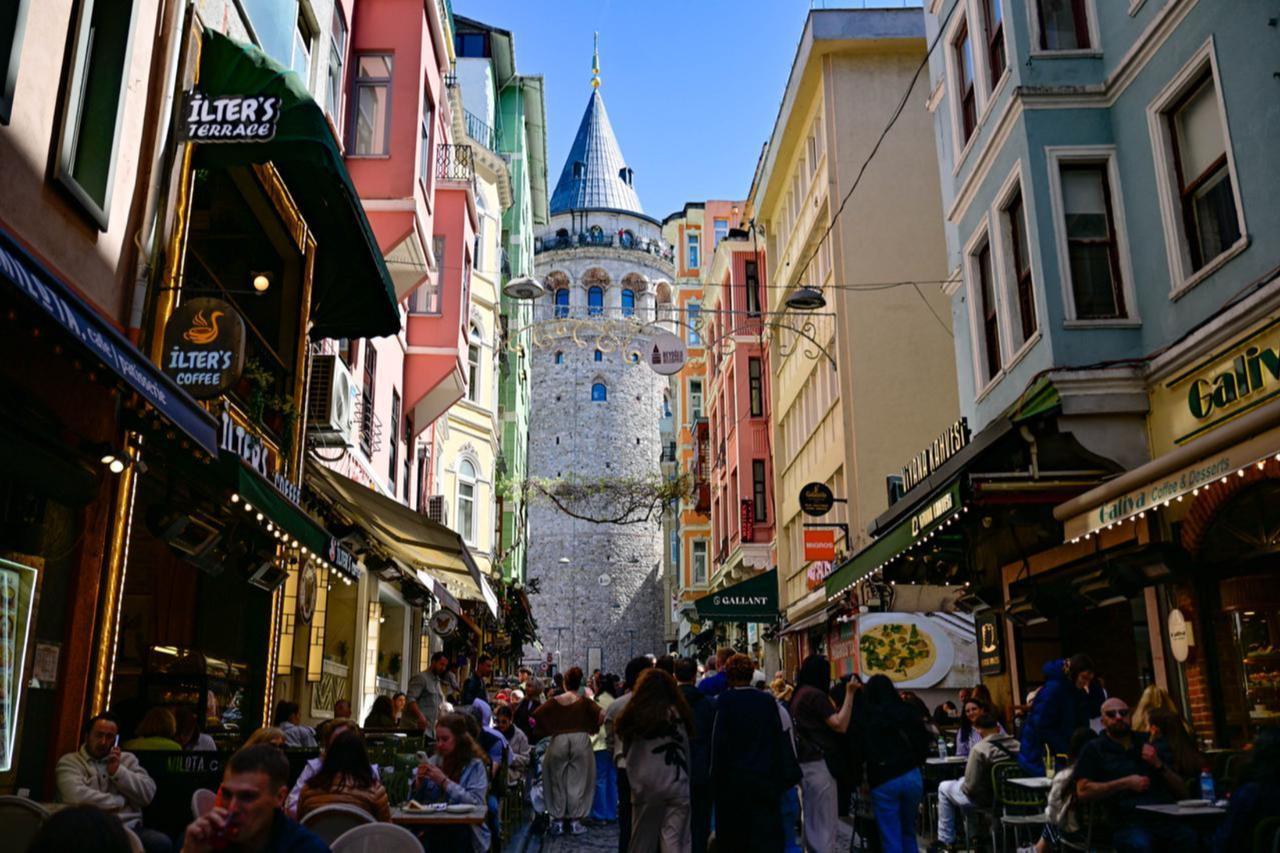


Türkiye is heading into that rare national ritual when the calendar loosens, highways fill, airports swell, and Istanbul briefly remembers how to breathe.
The 2026 Eid al-Adha holiday will begin with the eve on Tuesday, May 26, and run through Saturday, May 30. President Recep Tayyip Erdogan has announced that an additional 1.5 days of administrative leave will be added to the break, extending the holiday period to nine days, from May 23 to May 31.
For visitors and expats, that means Istanbul will not run on its usual rhythm. Many Turkish families use the Eid holidays to visit relatives, return to hometowns, or escape to the coast, while others remain in the city because travel has become increasingly expensive.
Istanbul may feel lighter than usual, though anyone expecting tumbleweed on Istiklal Avenue should manage expectations. The better bet is to use the slower pace wisely, before the city remembers it is Istanbul again.
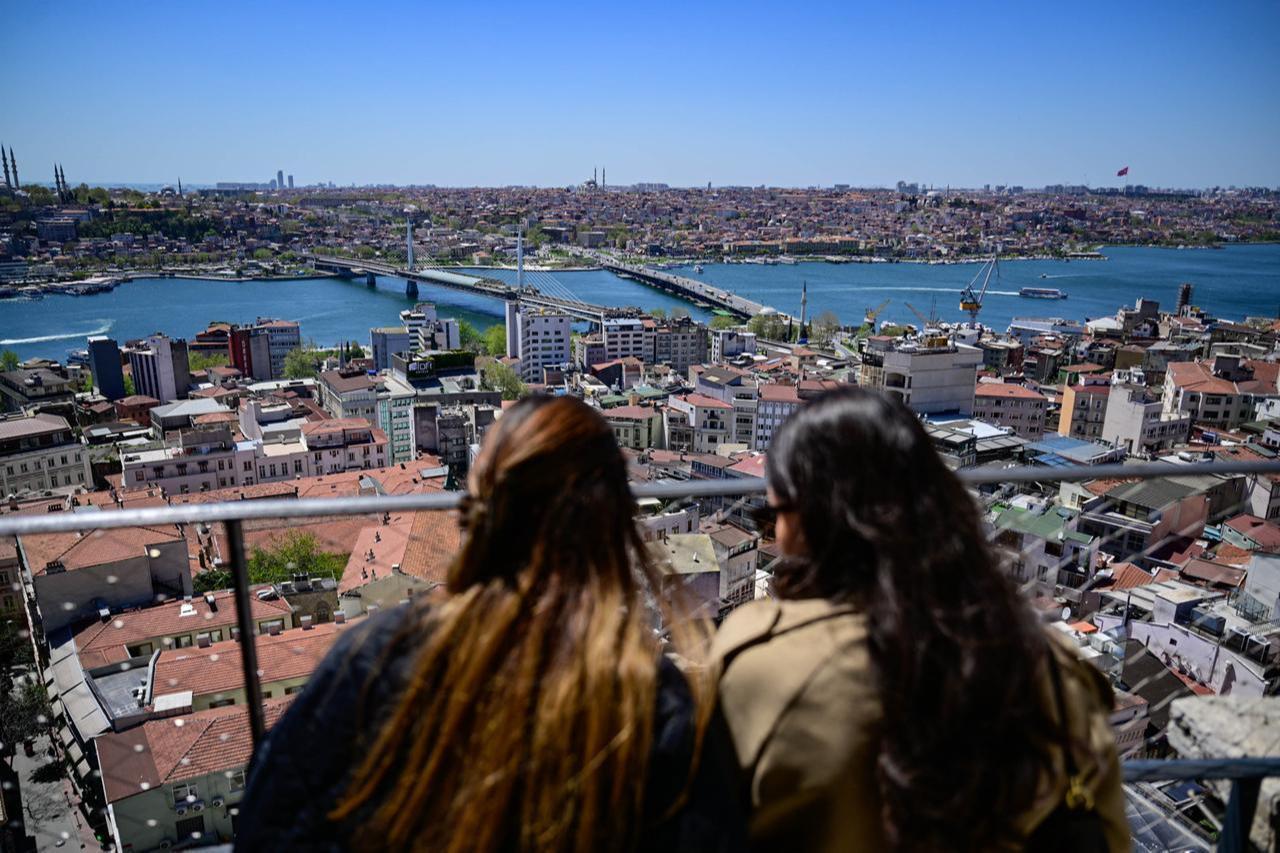

Eid al-Adha, known in Türkiye as Kurban Bayrami, is one of the country’s most important religious holidays.
For many families, Eid is not a break from obligations but a rearrangement of them, with relatives to visit, meals to attend, hometowns to reach, roads to survive, and a social calendar that does not always understand the concept of rest.
The first day of Eid is usually the slowest. Public institutions, banks, and many local businesses close, while some restaurants, cafes, museums, and shops may either open later, close for the day, or operate on holiday hours.
Major tourist areas are more likely to stay active, but visitors should still check opening times before treating Google Maps like a binding legal document.
The bigger disruption is travel, but that is usually not something to worry about during the holiday.
Roads out of Istanbul, airports, and intercity bus terminals can become crowded before the holiday begins, while the return rush tends to build toward the end of the break.
Inside the city, the picture is mixed. Some neighborhoods may feel unusually calm as residents leave, while waterfronts, malls, parks, and family-friendly attractions can still draw crowds, especially if the weather behaves itself.
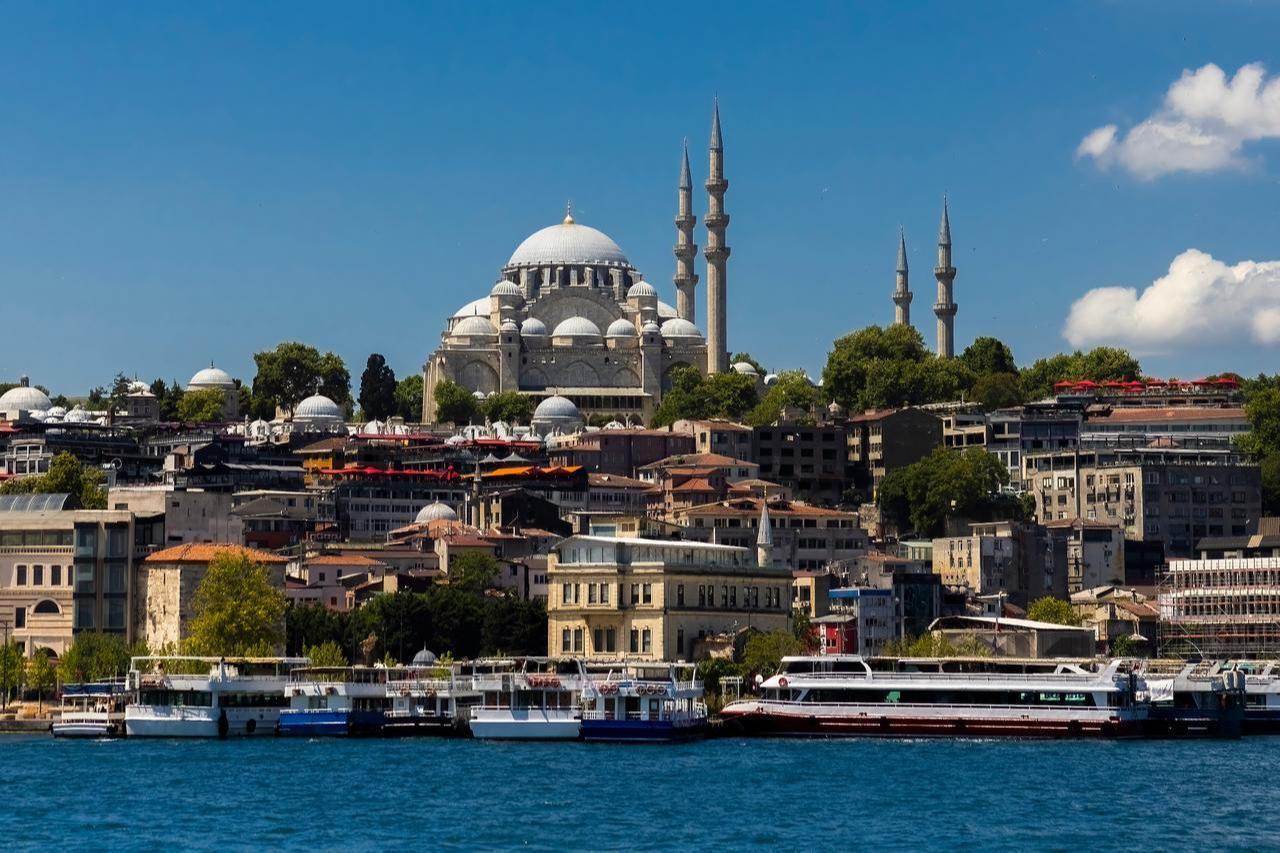
The first rule of Eid in Istanbul is not to confuse quieter with quiet. This is still a city where a peaceful walk can turn into a queue, a ferry plan, a simit purchase, and a minor logistical crisis before noon.
But the holiday can soften the city’s usual pace, especially in places that normally feel like they are being operated at full volume.
This is a good moment to attempt the classics.
Sultanahmet, Hagia Sophia, the Blue Mosque, Topkapi Palace, the Basilica Cistern, Galata Tower, Istiklal Avenue, the Grand Bazaar, and the Spice Bazaar are obvious for a reason. They are also the places many residents avoid on ordinary days because the crowds can make sightseeing feel like being slowly carried by a human river.
During Eid, that pressure often eases, particularly in the mornings and outside peak visiting hours. Visitors can use the slower rhythm to walk through the Historic Peninsula, move from Sultanahmet toward Beyazit and Eminonu, or cross to Galata and Karakoy without treating the day like an obstacle course.
The same logic applies to neighborhoods that are better experienced slowly. Cihangir, Moda, Kuzguncuk, Balat, Ortakoy, and the backstreets around Galata offer cafes, bookshops, waterfront views, old houses, and the kind of wandering that Istanbul rewards.
Still, the holiday is not a magic spell. Some shops, restaurants, and museums may close or change their hours, especially on the eve and first day of Eid. Tourist-heavy districts are more likely to stay open, but readers should check before going.
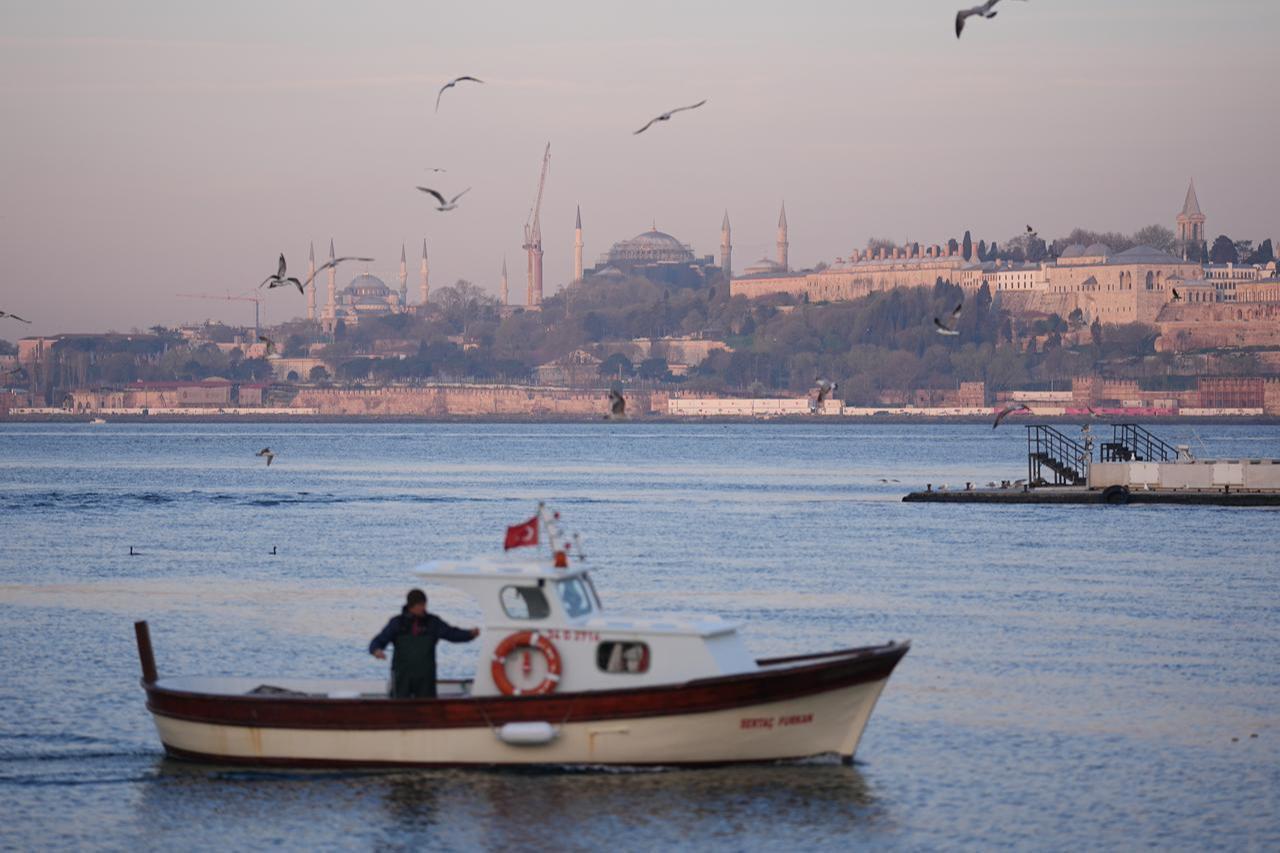
If Istanbul has a cheat code, it is the ferry.
A Bosphorus ride from Eminonu, Karakoy, Kadikoy, or Uskudar can turn a basic transfer into a small holiday of its own, with tea, wind, gulls, and the rare pleasure of seeing Istanbul from a distance.
The Princes’ Islands are another obvious choice, especially in late May.
Buyukada, Heybeliada, Burgazada, and Kinaliada offer walking routes, sea views, old houses, and enough distance from the mainland to make Istanbul feel temporarily optional. They are good for visitors who want a day trip without entering the national sport of long-distance holiday traffic.
But this is where expectations need discipline. The islands may be calmer than central Istanbul on an ordinary weekend, but they are not secret.
Good weather, a long public holiday, and thousands of people with the same idea can change the mood quickly. Leaving early, checking ferry schedules, and choosing a smaller island can make the difference between a charming sea escape and a queue with better scenery.
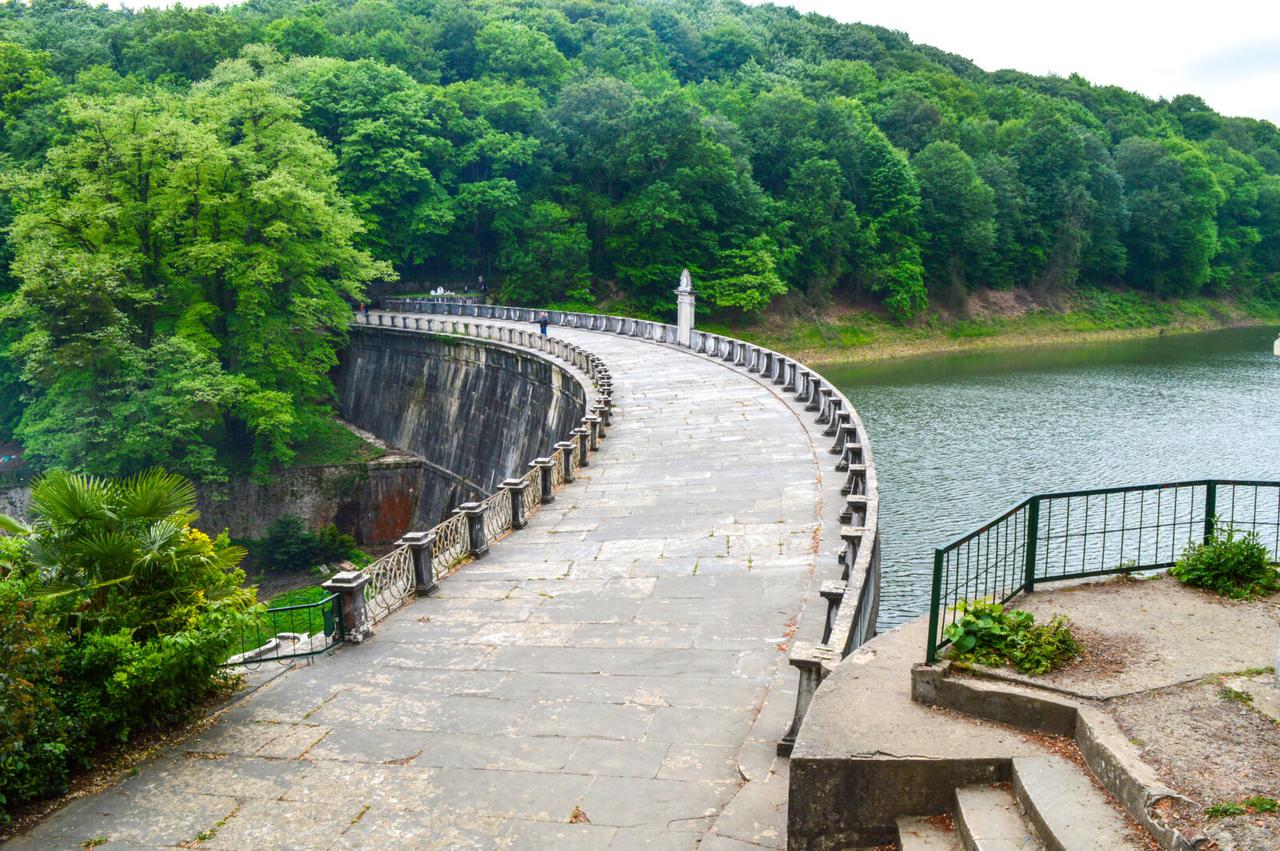
Not every Eid plan needs a museum ticket, a palace courtyard, or a heroic attempt to understand Istanbul traffic.
For readers who want trees, oxygen, and the temporary illusion that they do not live in a city of more than 15 million people, the holiday is also a good time to look toward Istanbul’s green edges.
Belgrad Forest remains one of the most obvious escapes on the European side, with walking routes, picnic areas, and enough shade to make late May feel forgiving.
Ataturk Arboretum, Emirgan Park, Fethi Pasa Grove, and Baltalimani Japanese Garden offer gentler options for those who want greenery without committing to a full countryside expedition.
On the Asian side, Validebag Grove, Aydos Forest, and Nezahat Gokyigit Botanical Garden can give the holiday a slower pace, especially for readers who have spent too much of the year negotiating with concrete.
For a longer break without leaving Istanbul province entirely, Polonezkoy, Riva, Sile, and Agva are useful choices. They work well for breakfast, walking, forest routes, sea air, or a day that feels more like a proper escape than a neighborhood stroll.
Something to keep in mind is that parks, picnic areas, and coastal villages can also draw families during Eid, particularly when the weather is good. Early starts and flexible plans will help keep the day from becoming another crowd management exercise.
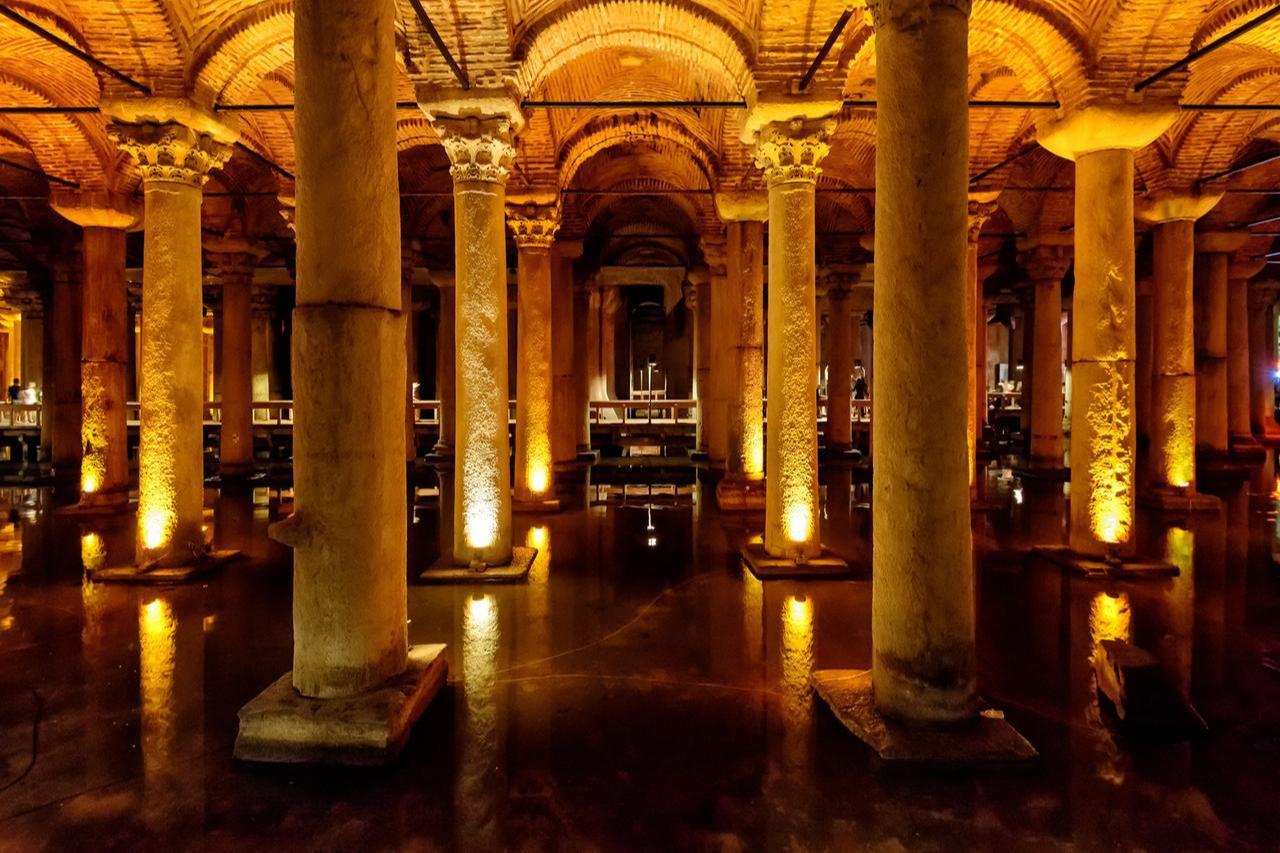
Eid can also be a good time to do what many Istanbul residents postpone for years: enter the museums they confidently recommend to visitors but somehow never visit themselves.
For families, bad weather days, or anyone who wants culture without a full archaeological expedition through the city, Istanbul has enough indoor stops to keep the holiday moving.
A few useful options include:
During Eid, the better plan is usually a generous but modest one: choose one museum, pair it with a nearby cafe, park, or waterfront walk, and leave enough space for Istanbul to behave like Istanbul.
The city rarely rewards anyone trying to complete it like homework. It is much better at offering small victories: a quiet courtyard, a good table, a ferry view, or the smug satisfaction of having planned less and enjoyed more.


 Set as preferred source
 Set as preferred source


 2 min read