Newsletters


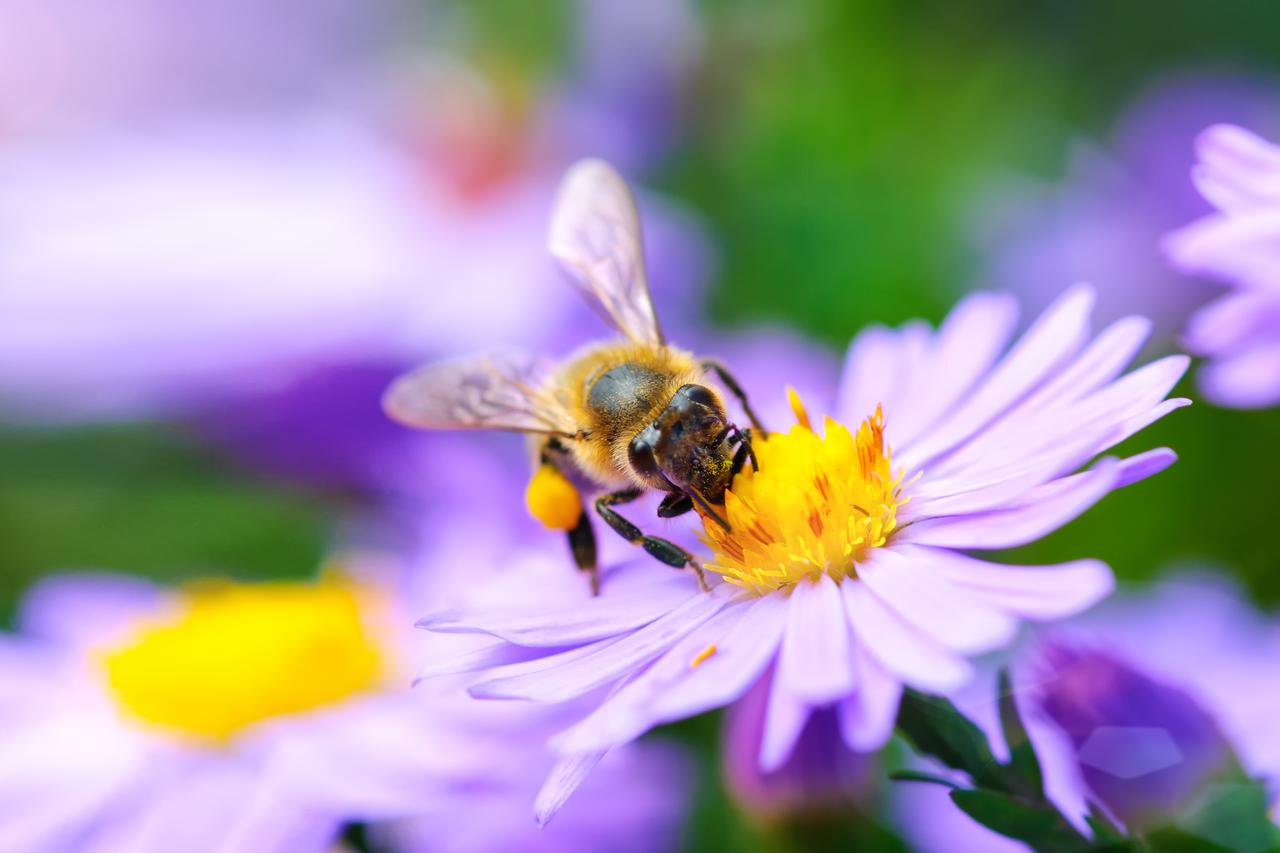


Bee populations around the world are under growing pressure from climate change, with scientists warning that rising temperatures, shifting seasonal patterns, habitat loss and pesticide use are combining to destabilize colonies critical to global food systems.
The threats come into focus on World Bee Day, observed each year on May 20 to honor bees' contributions to human health and ecosystems. The date was chosen to coincide with the birthday of Anton Jansa, a pioneer of modern beekeeping.
The Food and Agriculture Organization (FAO) of the United Nations set the theme for 2026 as "Bees with people and planet: the partnership that sustains us all," drawing attention to the historical and ecological ties between humans, bees and agriculture.
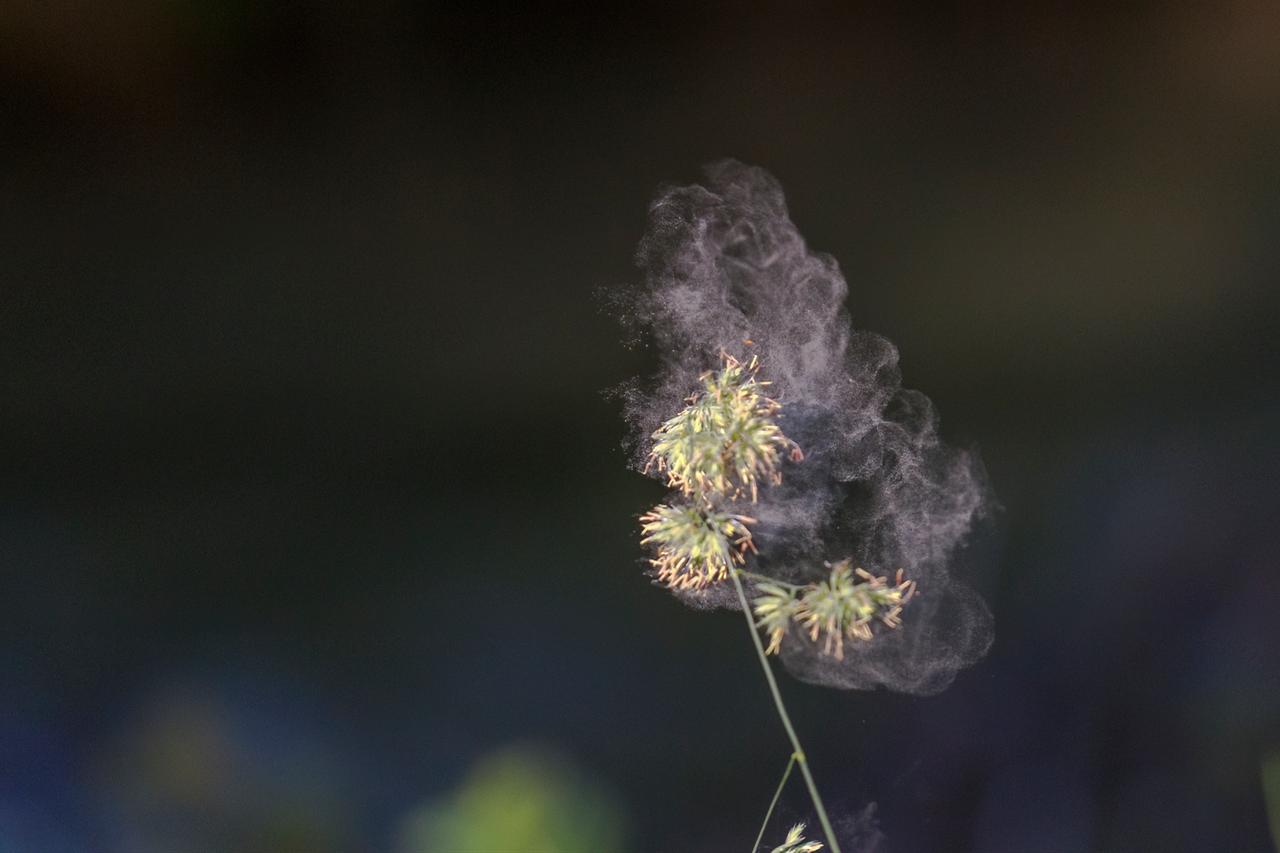

The scale of agriculture's reliance on bees is significant. According to FAO data, approximately 25,000 bee species exist across every continent except Antarctica.
Bees contribute to the production of not only honey but also pollen, royal jelly, propolis and beeswax.
Around one-third of global food production depends on bees, and approximately 75% of the world's leading crop varieties, particularly fruits, vegetables, and nuts, rely on bees and other pollinators during their growth cycles.
Some 90% of the world's flowering plant species also depend on pollinators such as bees to reproduce.
Experts note that bees play a vital role in both agricultural output and ecosystem balance, and also contribute to reductions in environmental pollution.
The United Nations has warned that approximately 1 million species face extinction risk, including several bee species.
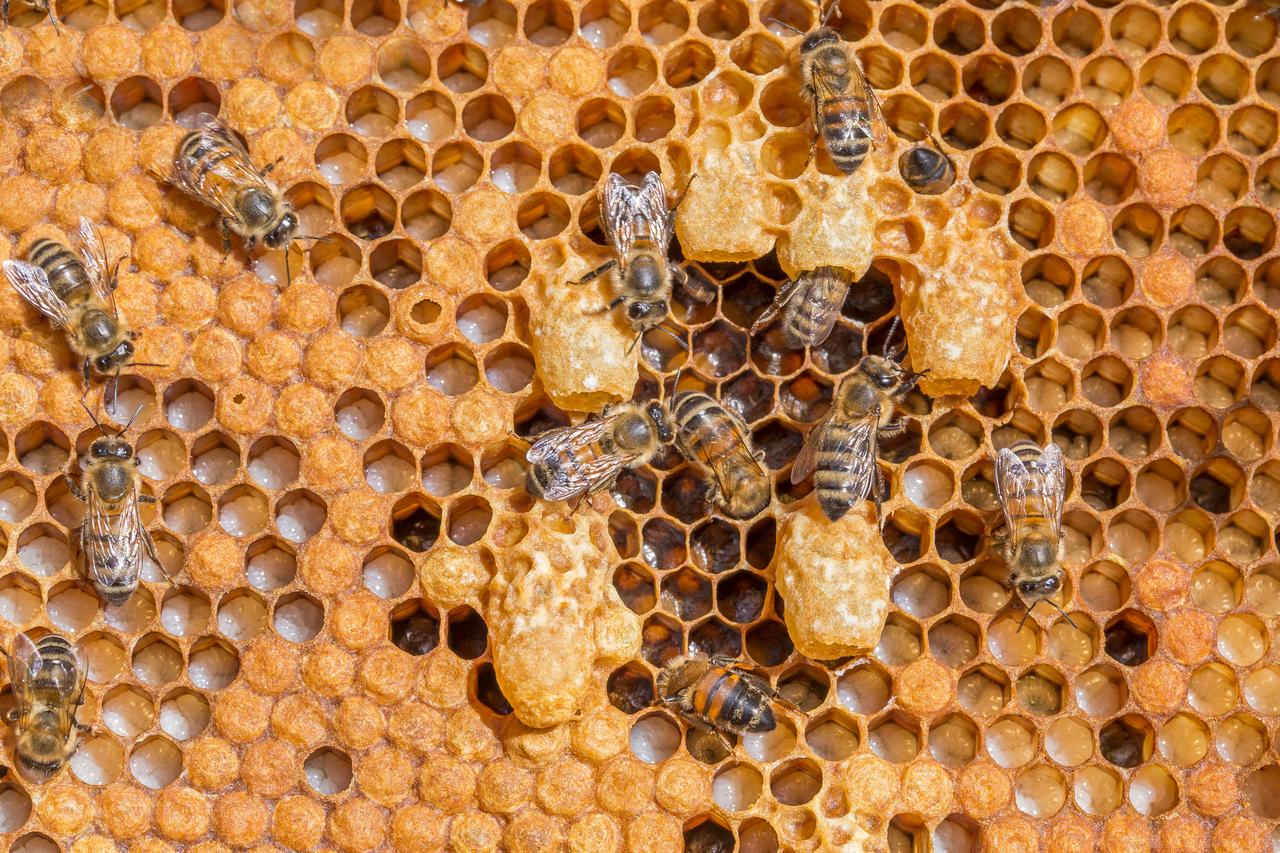
A study conducted at the University of Regensburg in Germany found that bumblebee queens exposed to climate-related environmental stress early in life showed reduced lifespans and diminished reproductive capacity.
The research identified two key mechanisms. Mild winters cause bees to emerge from dormancy earlier than normal, depleting their energy reserves before adequate food sources are available.
Meanwhile, unseasonal heavy rainfall disrupts pollen and nectar collection, making it harder for colonies to secure sufficient nutrition.
In North America, the effects of record heat waves have been documented at the colony level. Following extreme heat events, bee colonies began their reproductive cycles 17 days earlier than the previous year. This shift has long-term consequences for colony stability and population dynamics.
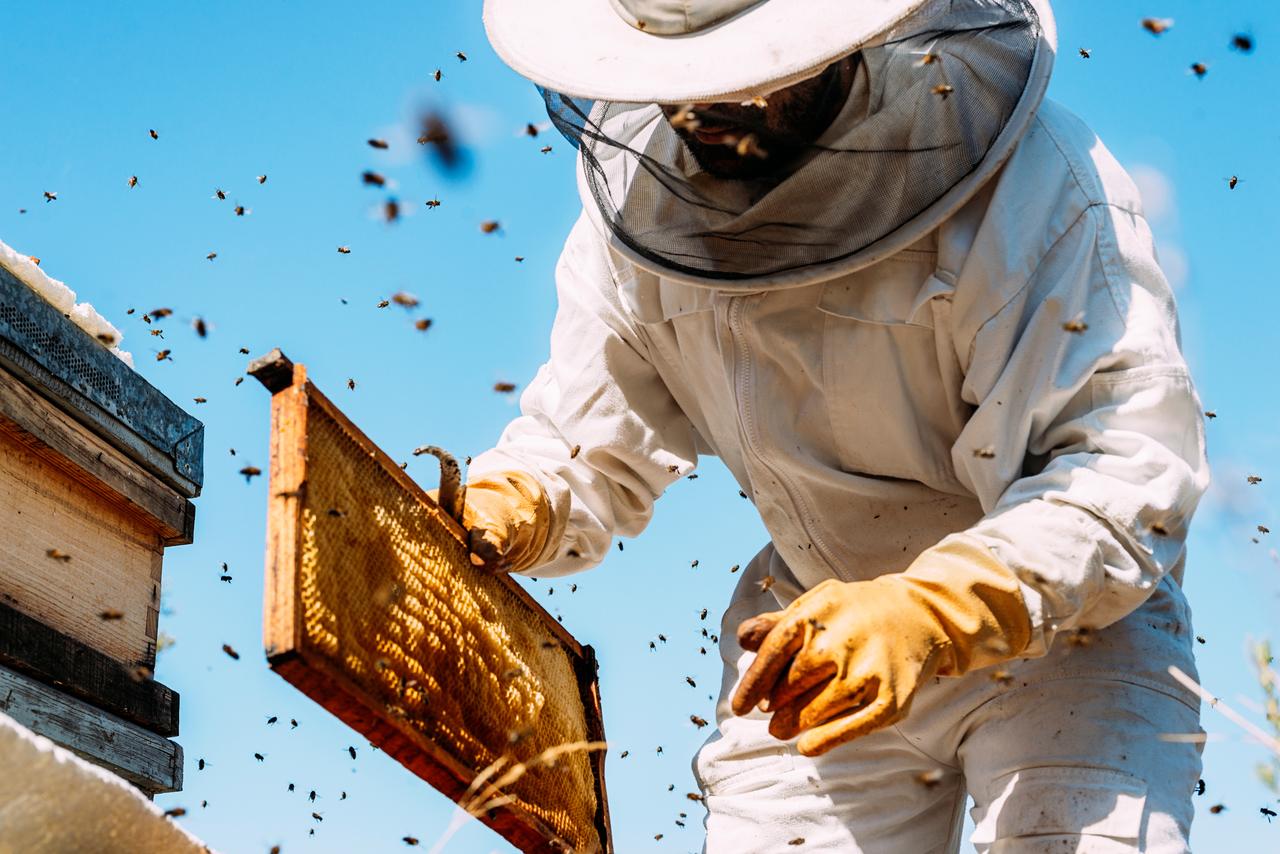
FAO has called on governments, the agricultural sector, and consumers to take concrete steps to protect bee populations.
Recommended measures include cultivating flowering plants, establishing nesting areas for wild bees, and reducing lawn mowing frequency to preserve foraging habitats.
The organization has also called for greater support for local beekeepers, wider adoption of sustainable farming practices, and the development of national strategies by governments specifically aimed at protecting pollinator populations.
Food industry businesses have been urged to strengthen environmentally responsible production by increasing supply chain transparency, investing in research, and engaging more closely with farmers.
Experts stress that combining traditional knowledge with modern technology is key to advancing sustainable beekeeping, protecting bee health, and securing the future of global food systems.


 Set as preferred source
 Set as preferred source



 1 min read