Newsletters


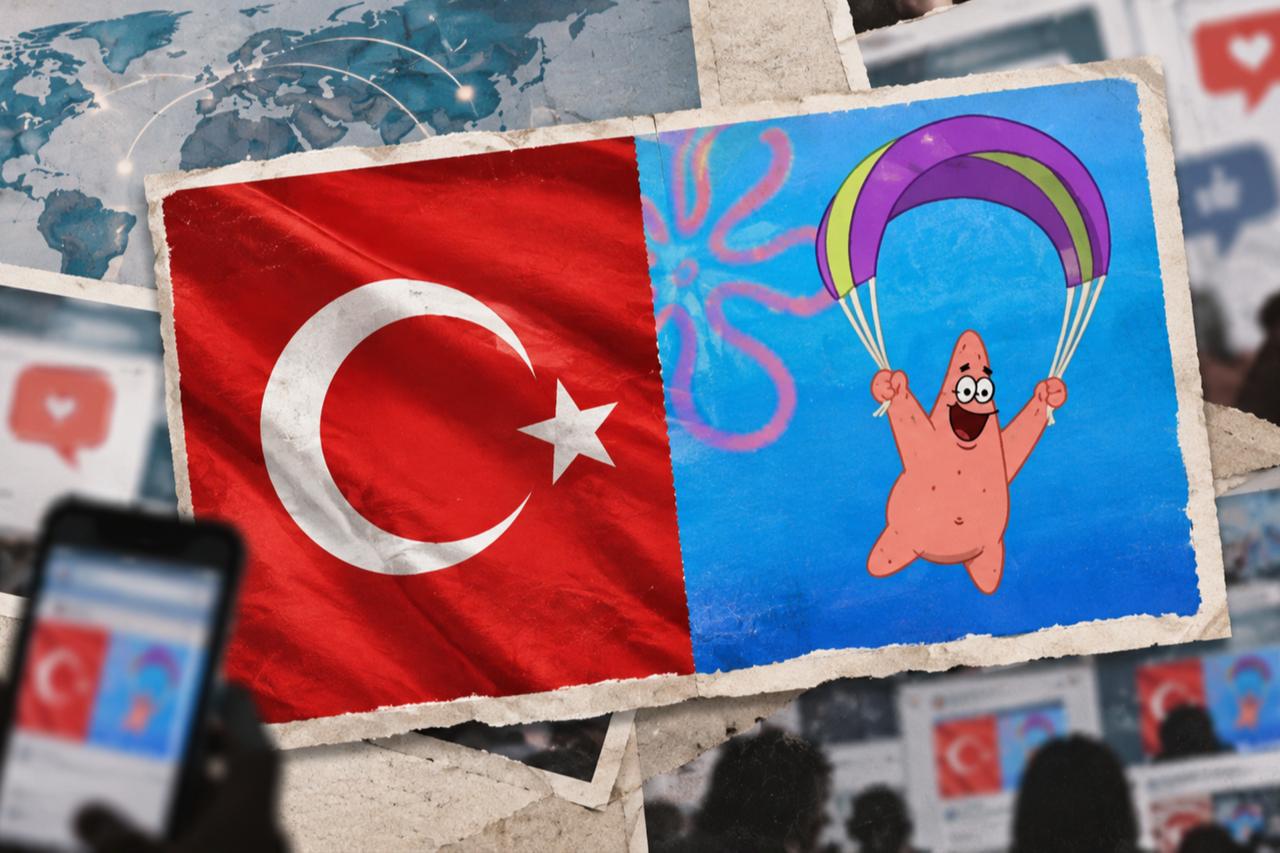


A social media dispute between Turkish and Chinese users on X has spread beyond the two countries, with Japanese and other international accounts joining an exchange of memes, historical references and jokes about national identities.
The online confrontation reportedly began on Oct. 19, when a Chinese user shared an image placing Patrick Star, a character from the animated series SpongeBob SquarePants, beside the Turkish flag and questioned whether the flag had been designed that way.
The post prompted responses from Turkish users, who turned to references about the Great Wall of China, which, according to some historical accounts, was built by China to prevent Turkish invasion, setting off an increasingly widespread exchange involving history, economic conditions and popular culture.
Some X users cautioned that thousands of comments from seemingly Chinese accounts may be AI-generated as part of a psychological operation. The allegations come shortly after X dismantled a massive network of Chinese AI-powered bot accounts designed to manipulate online discourse.
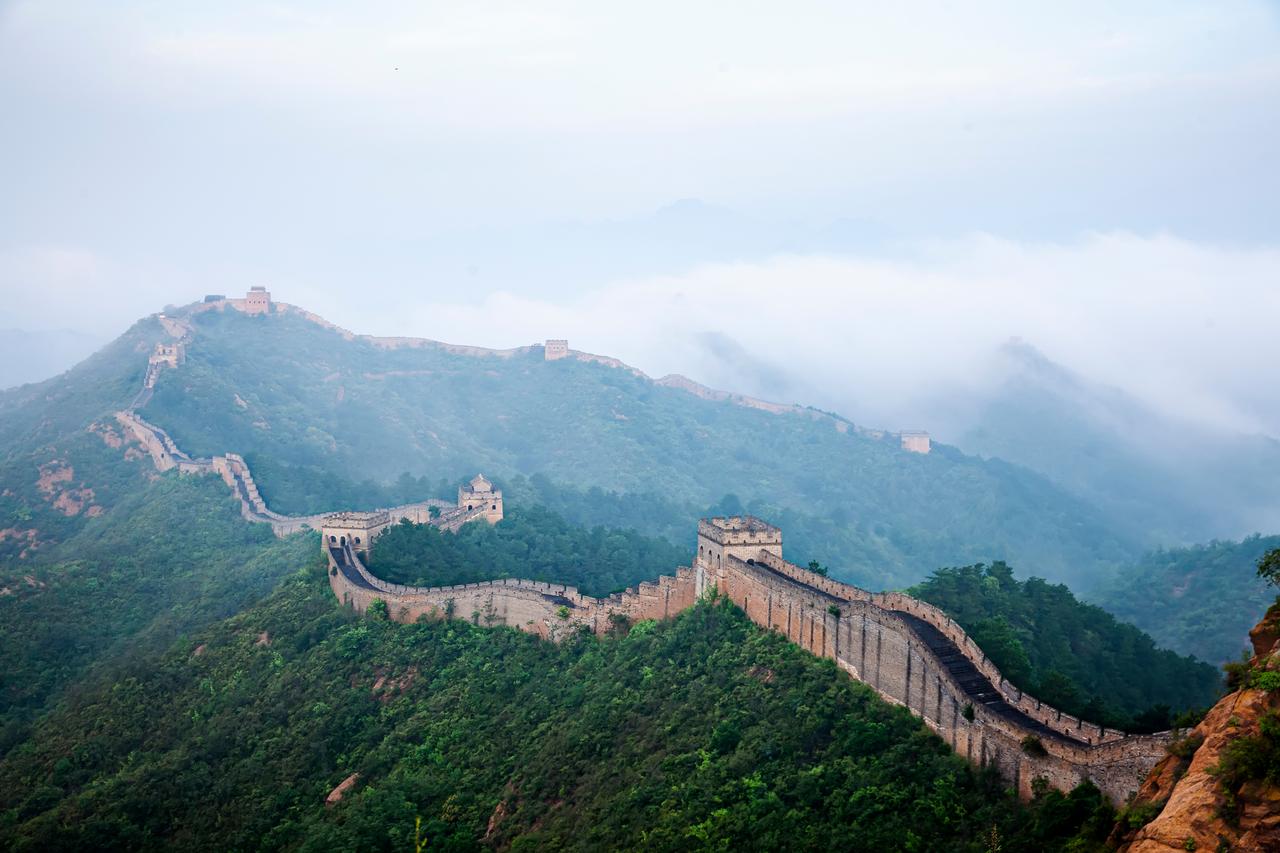

Turkish users responded to the original flag meme with jokes suggesting that the Great Wall of China had been built to protect against attacks by ancient Turkic peoples.
Chinese users pushed back by pointing to the geographical distance between present-day Türkiye and the Great Wall, while others brought up historical conflicts involving China's Han dynasty and the Xiongnu, an ancient nomadic confederation.
As the exchanges continued, some users also referred to historical developments involving the Ottoman Empire and East Turkestan, a term associated with the Xinjiang region in present-day China.
The dispute subsequently moved beyond historical references, with Chinese accounts making jokes about Türkiye's economic conditions and the depreciation of the Turkish lira. Other posts compared national brands, cultural symbols and ratings on IMDb, the online database for films and television productions.
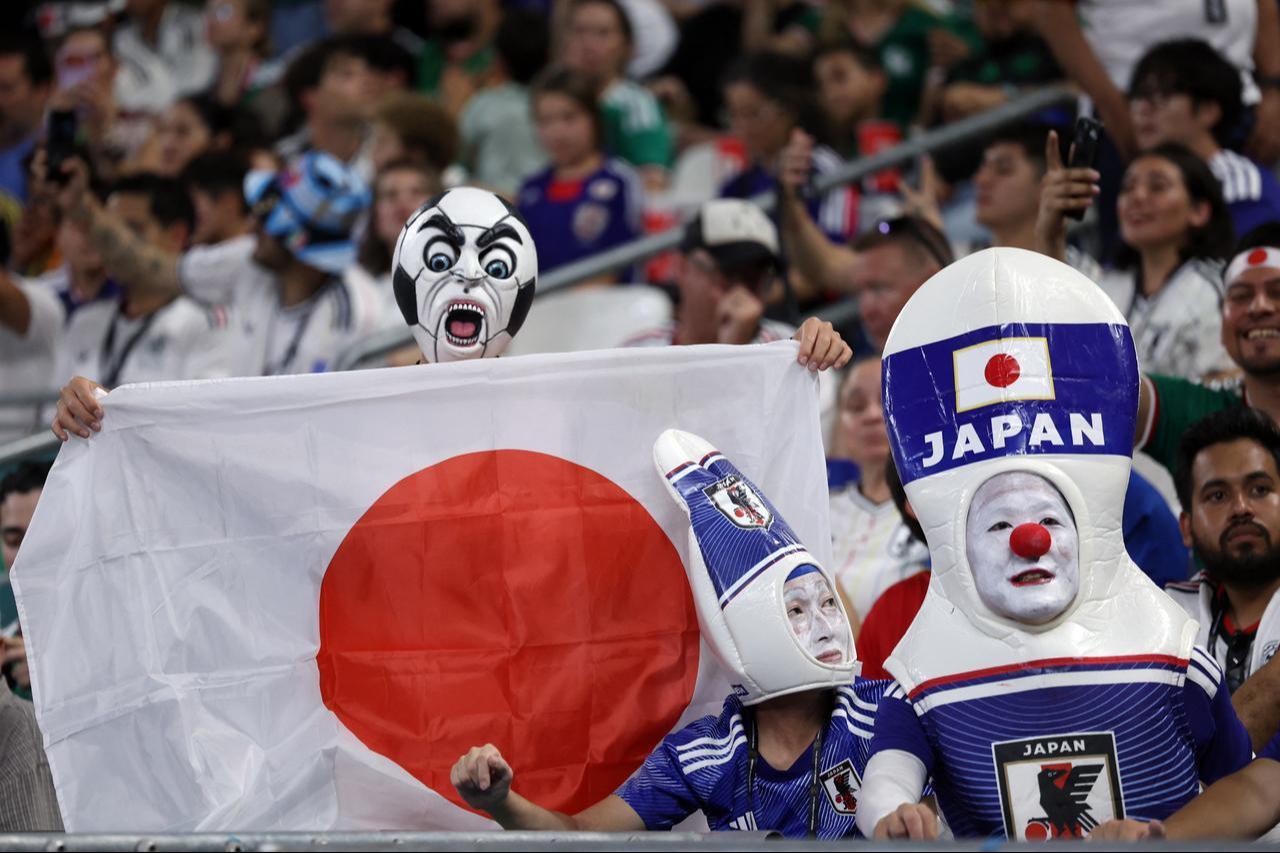
The exchanges drew attention from users in other countries, including Japan, where some accounts posted messages supporting Turkish users and joined the arguments with Chinese accounts.
Reports also described participation from Spanish users, while accounts associated with Azerbaijan and Taiwan appeared in the wider conversation.
The growing involvement of different online communities turned the initial exchange over a national flag into a broader series of arguments involving cultural identities, historical events and entertainment.
Language barriers and automated translation tools also emerged as possible factors affecting how users interpreted one another's posts.
Expressions involving sarcasm, slang and culturally specific humor can lose their intended meaning when translated between Turkish and Chinese, potentially making lighthearted remarks appear more confrontational.
However, there is no confirmed evidence that translation errors triggered the original dispute. The exchanges largely developed through users responding to memes, historical references and remarks about national identities.
Many of the historical claims circulating in the discussion were presented as jokes or online provocations rather than verified accounts of historical events.
Reports published on Oct. 20-21 also documented the flag meme, Great Wall exchanges and participation from Japanese and Taiwanese accounts.


 Set as preferred source
 Set as preferred source



 2 min read