

 Newsletters


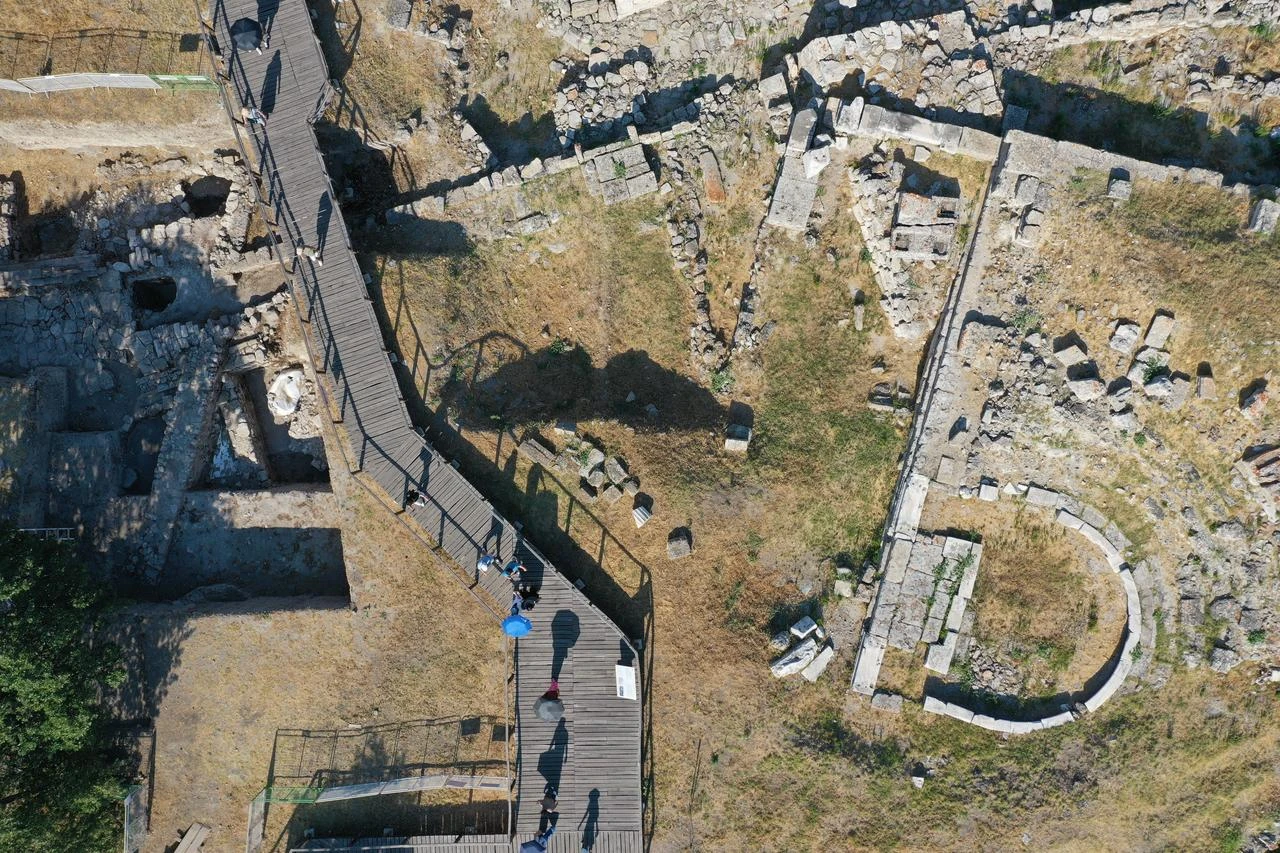
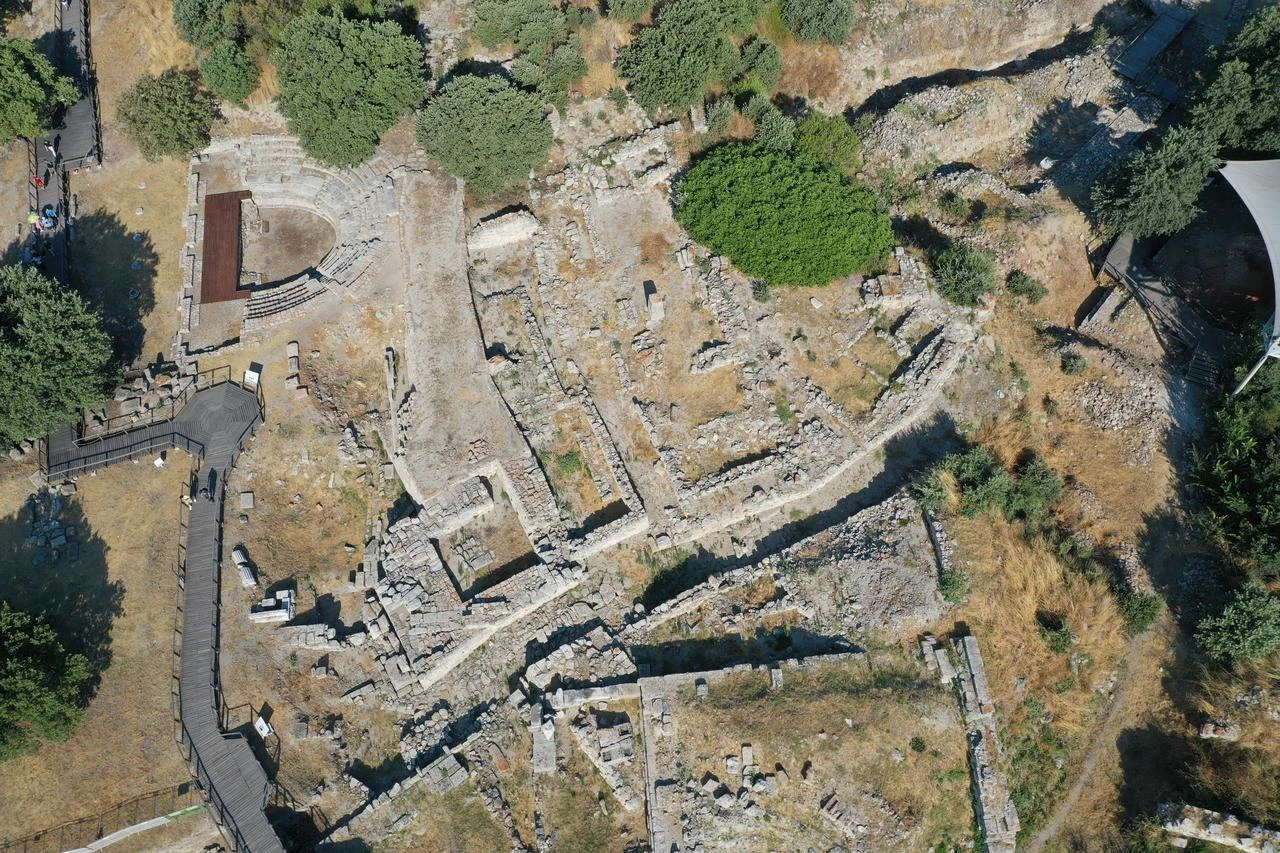
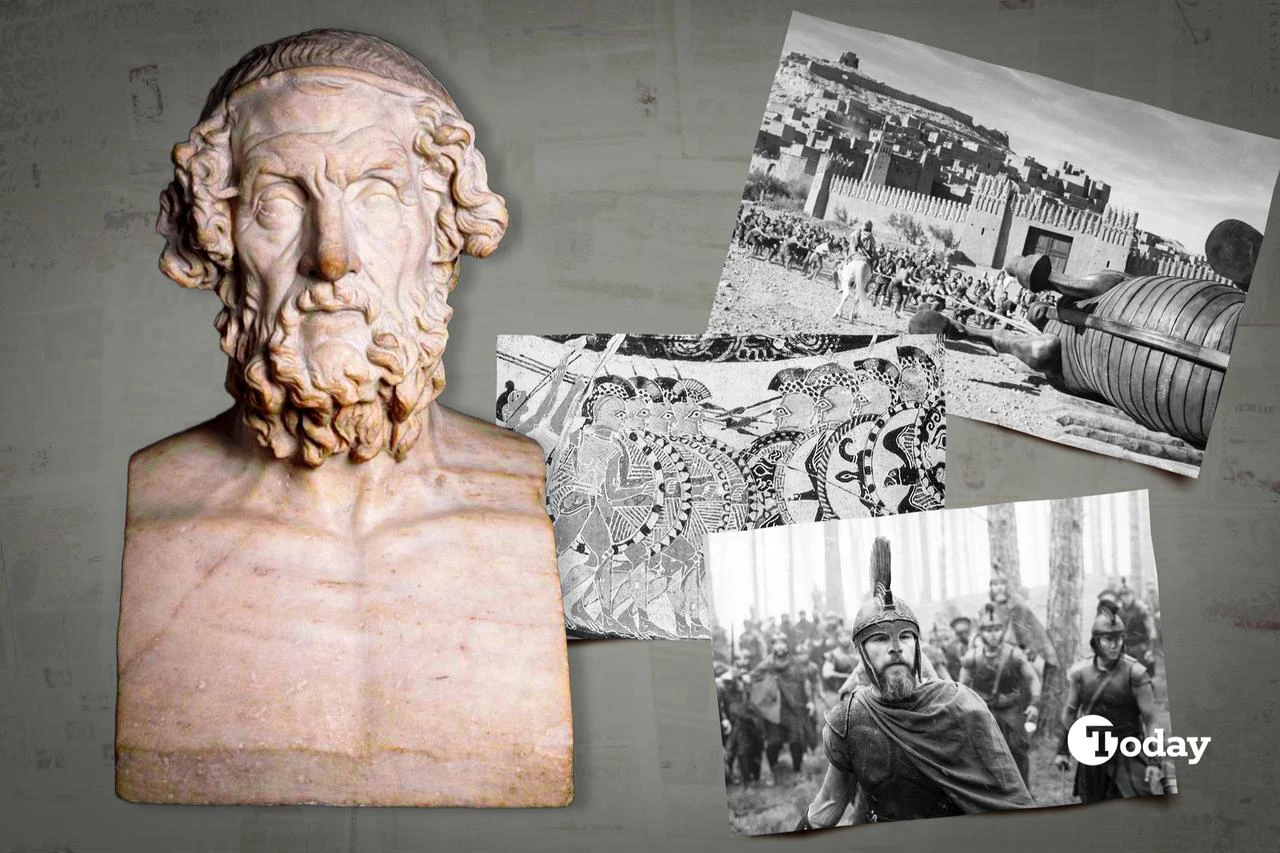
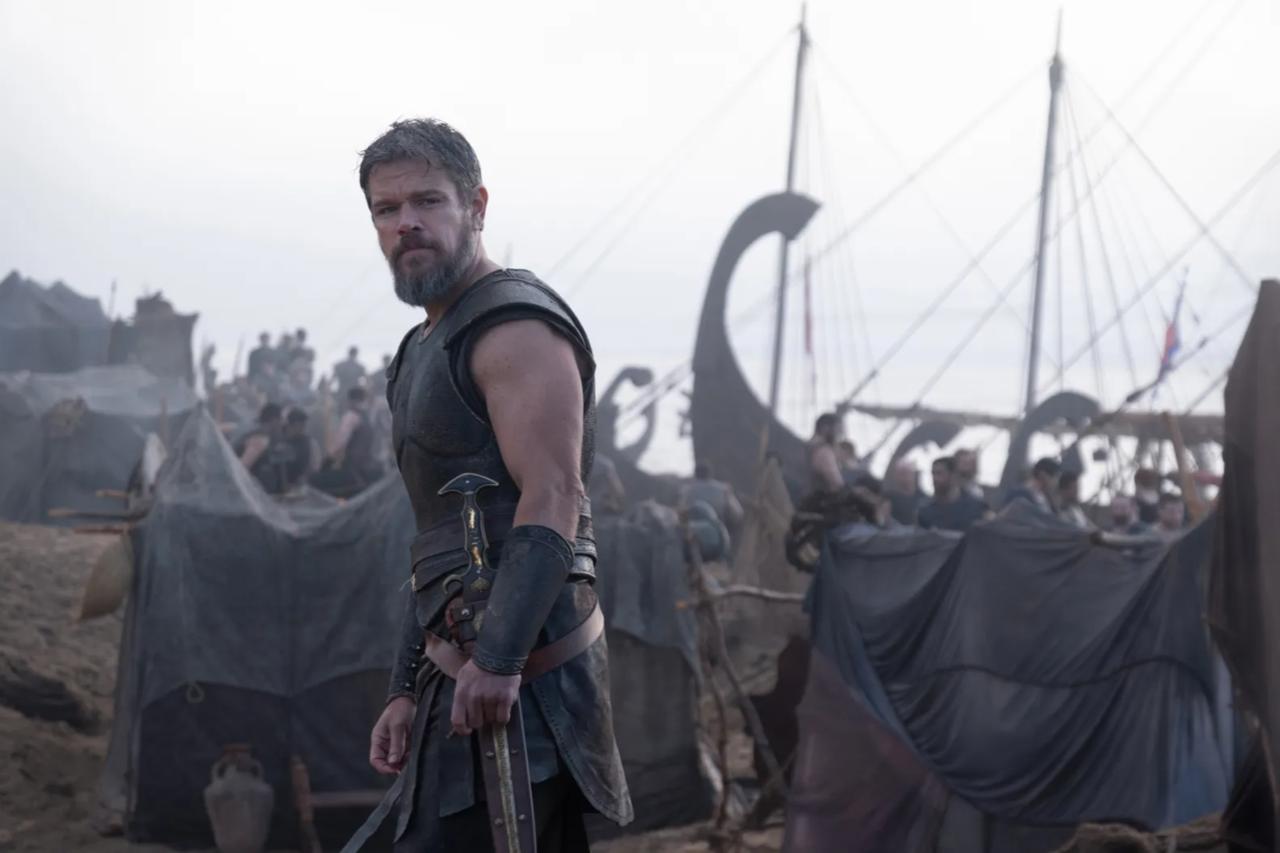
Interest in the Troy Ancient City, a UNESCO World Heritage Site visited by an average of 400,000 domestic and foreign tourists annually, is expected to rise following the release of director Christopher Nolan's upcoming film "The Odyssey," an adaptation of Homer's epic poem.
Prof. Rustem Aslan, head of the Troy Ancient City Excavation Team, told Anadolu Agency that the mythological action film follows Odysseus, the king of Ithaca, on his journey home after the Trojan War, adding that it will contribute significantly to promoting the ancient city and the surrounding region.
Aslan said international interest in Troy had already grown following the Troy Exhibition, which opened at the Colosseum in Rome in June through a collaboration between Türkiye's Ministry of Culture and Tourism and Italy's Ministry of Culture.
He said the exhibition, among the most comprehensive on Troy in recent years, featured artifacts from Anatolian civilizations linked to the ancient city and is expected to benefit regional tourism over the long term.

The exhibition, titled "Troy and Rome: Myths, Legends, Stories of the Ancient Mediterranean," runs from June 12 to October 18 at the Colosseum Archaeological Park and features more than 300 artifacts, including over 220 objects on loan from 19 Turkish museums.
It stems from a bilateral cultural cooperation agreement signed in April 2025 between Italy's culture minister and Türkiye's minister of culture and tourism.
Aslan recalled that the 2004 film "Troy," directed by Wolfgang Petersen, had previously drawn increased attention to the site.
Referring to Nolan's upcoming film, he said, “There is no doubt this film will also make a significant contribution to Troy tourism and interest in Troy.”
Aslan said he watched the film during a private screening in Canakkale, a province in northwestern Türkiye on the Dardanelles Strait near the Aegean coast, where the ancient city is located.
He said Nolan largely remained faithful to Homer's epic while reinterpreting Odysseus's journey home through a contemporary cinematic lens.
 1 min read

Troy was added to UNESCO's World Heritage List in 1998, recognized for documenting more than 3,000 years of continuous settlement and for its significance in understanding an early stage of European civilization, in addition to its enduring link to Homer's account of the Trojan War.


 Set as preferred source
 Set as preferred source




 1 min read


