Newsletters


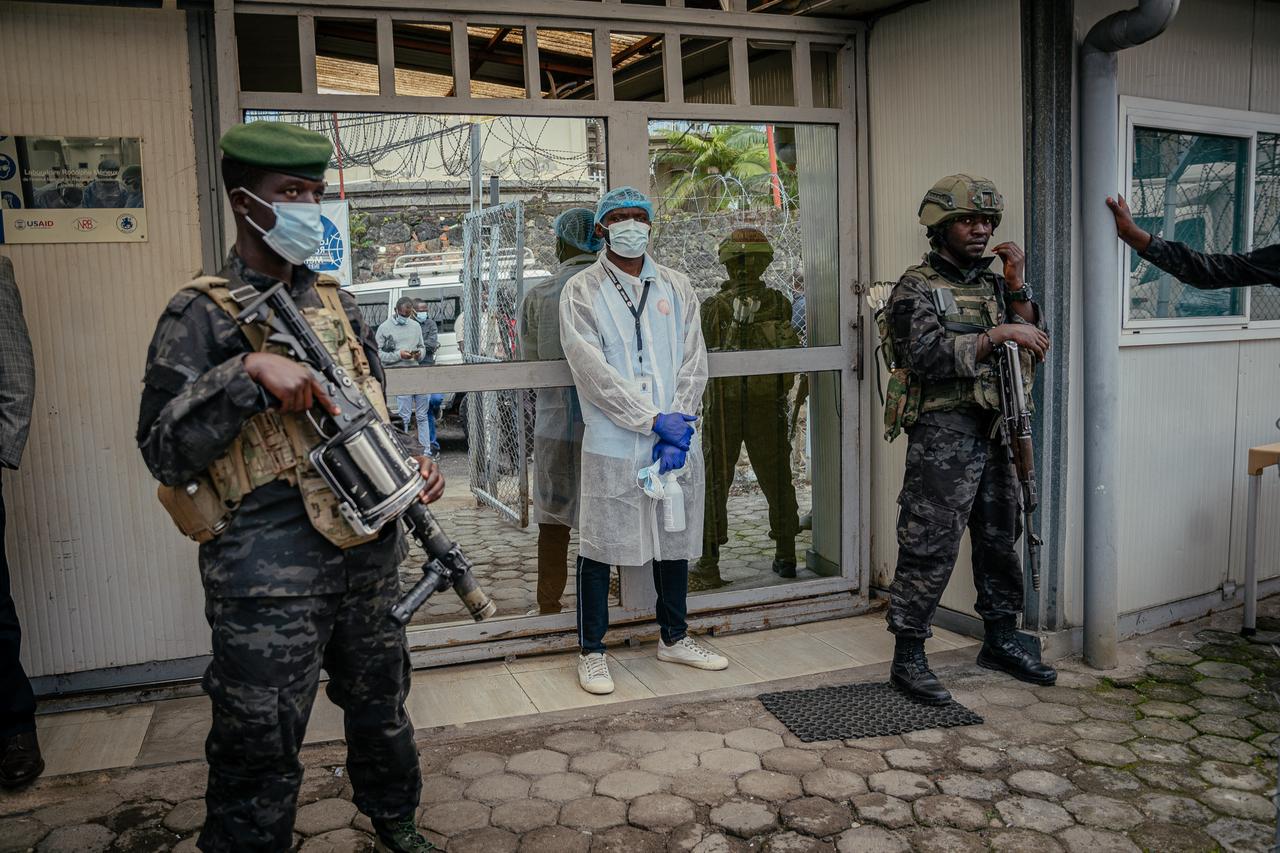


South Korea's Foreign Ministry raised its travel warning for all of Uganda from Level 2, which advises against nonessential travel, to a special travel advisory, Yonhap News Agency reported.
The government urged South Korean nationals to cancel or postpone planned travel to Uganda and advised those already in the country to exercise heightened caution.
The ministry also announced plans to issue a Level 4 travel ban for Ituri Province in the Democratic Republic of the Congo (DRC).
The Korea Disease Control and Prevention Agency designated Congo, Uganda, and South Sudan as priority countries for Ebola virus disease quarantine management.
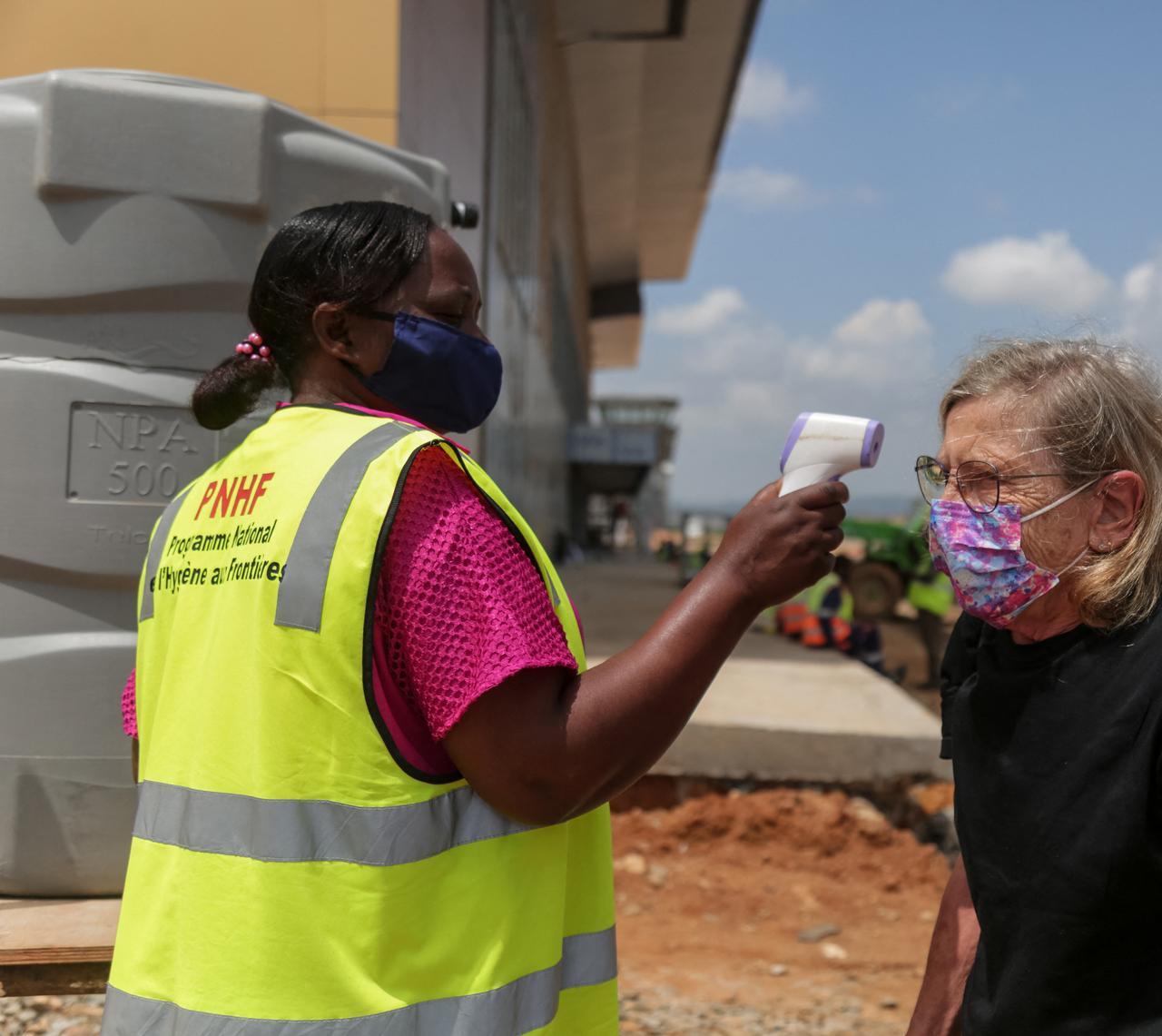

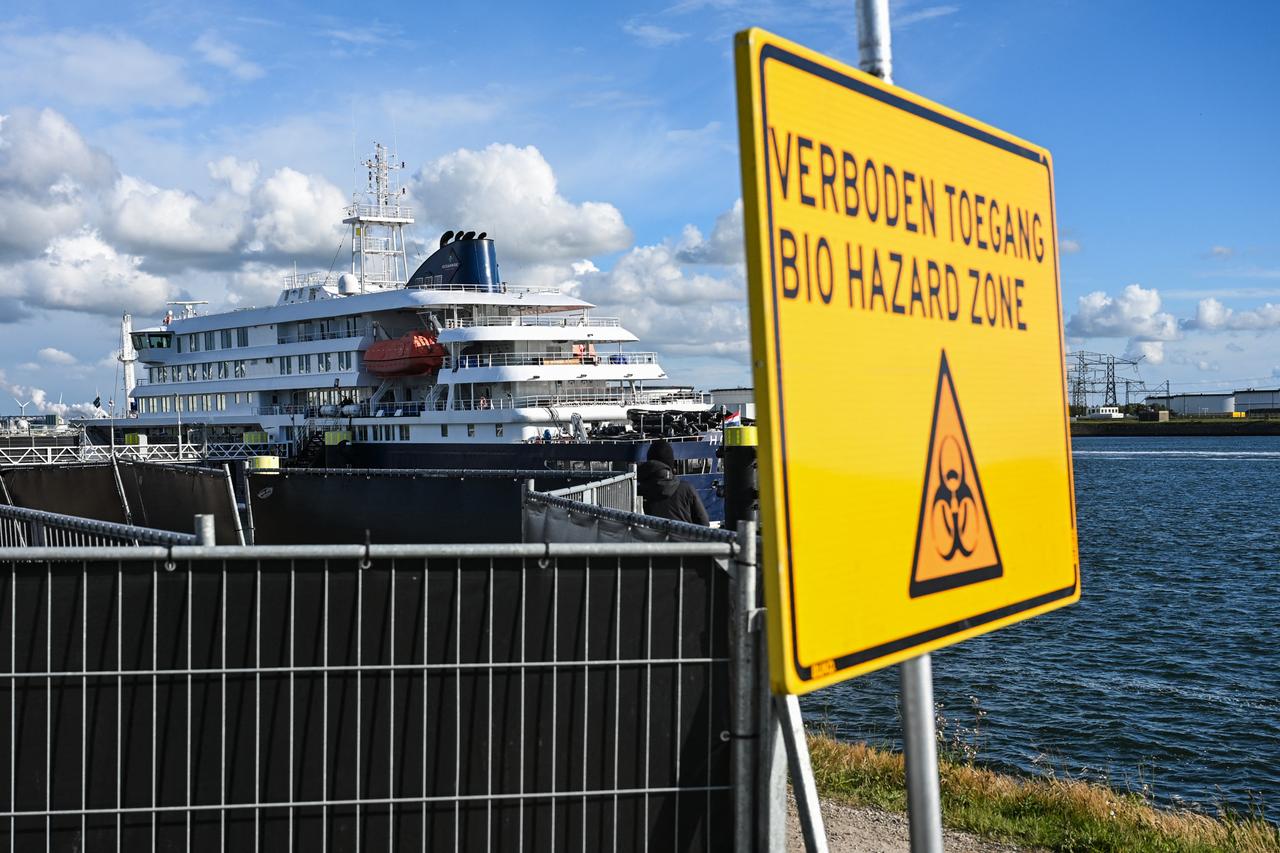
India's Health Ministry issued a travel alert for passengers who had traveled from countries reporting Ebola cases.
The alert, shared by Indira Gandhi International Airport on social media, asked passengers who had come into direct contact with the blood or bodily fluids of a person infected with Ebola to report to the airport health desk before clearing immigration.
The ministry added that any traveler who develops symptoms within 21 days of arrival should immediately seek medical care and inform health care authorities of their travel history.
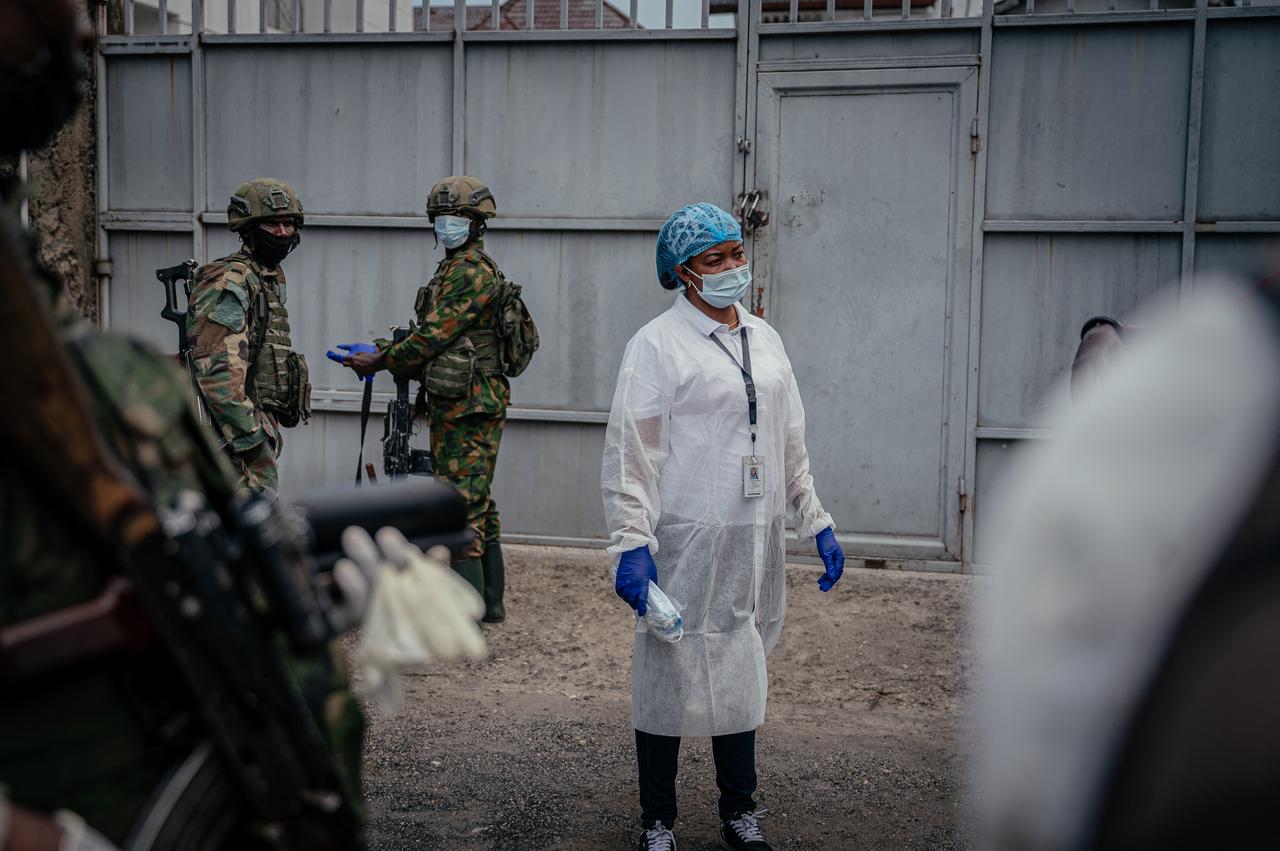
Thailand's Ministry of Public Health convened planning meetings with airlines and other stakeholders to align public health protocols following the WHO's declaration of a public health emergency of international concern (PHEIC).
Citizens were advised to avoid travel to high-risk areas, including Congo, Uganda and neighboring countries. Those required to travel were asked to register through the Thai Health Pass system.
Foreign passengers are required to complete the Thailand Digital Arrival Card (TDAC) in full to support effective disease tracking and surveillance.
Thailand's Civil Aviation Authority (CAAT) confirmed that surveillance, prevention and control measures had been stepped up at airports in line with ministry guidance.
Airlines operating routes to outbreak-affected regions were instructed to brief passengers on public health measures before departure, respond immediately to travelers who show symptoms, and share passenger seat and travel data with authorities.
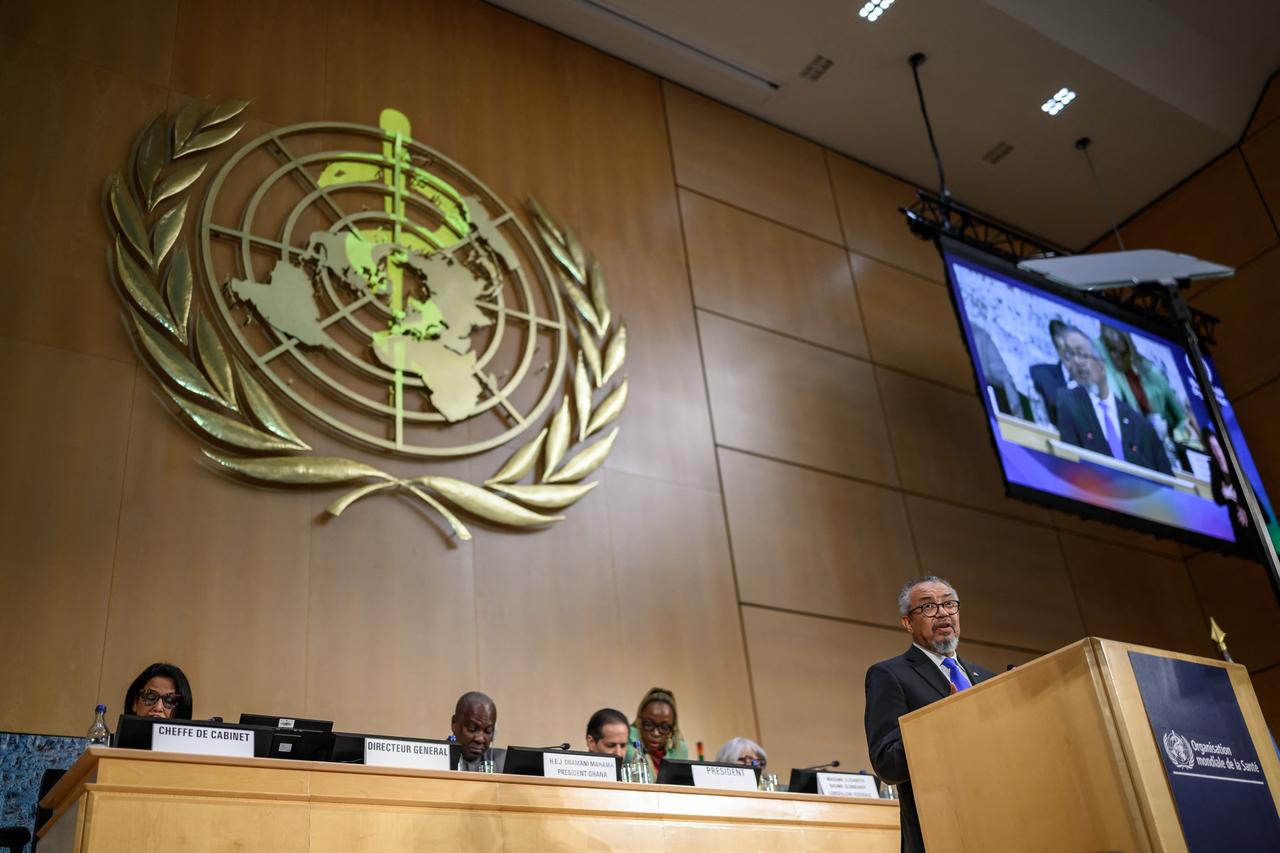
The World Health Organization (WHO) declared the Ebola outbreak in the DRC and Uganda a public health emergency of international concern.
WHO Director-General Tedros Adhanom Ghebreyesus confirmed the designation, citing the spread of the disease across borders.
According to the WHO, 51 Ebola cases have been confirmed in the DRC, particularly in the provinces of Ituri and North Kivu, including in the cities of Bunia and Goma.
Uganda has reported two confirmed cases in the capital, Kampala, including the death of a person who had traveled from the DRC.
DRC government spokesman Patrick Muyaya separately reported the country's total case count had reached 435, with 118 deaths.
The current outbreak is caused by the Bundibugyo strain, a rare variant of Ebola for which no approved treatment or vaccine exists, according to health authorities.
The fatality rate associated with the Bundibugyo strain is estimated at between 25% and 40%, according to Doctors Without Borders (MSF).
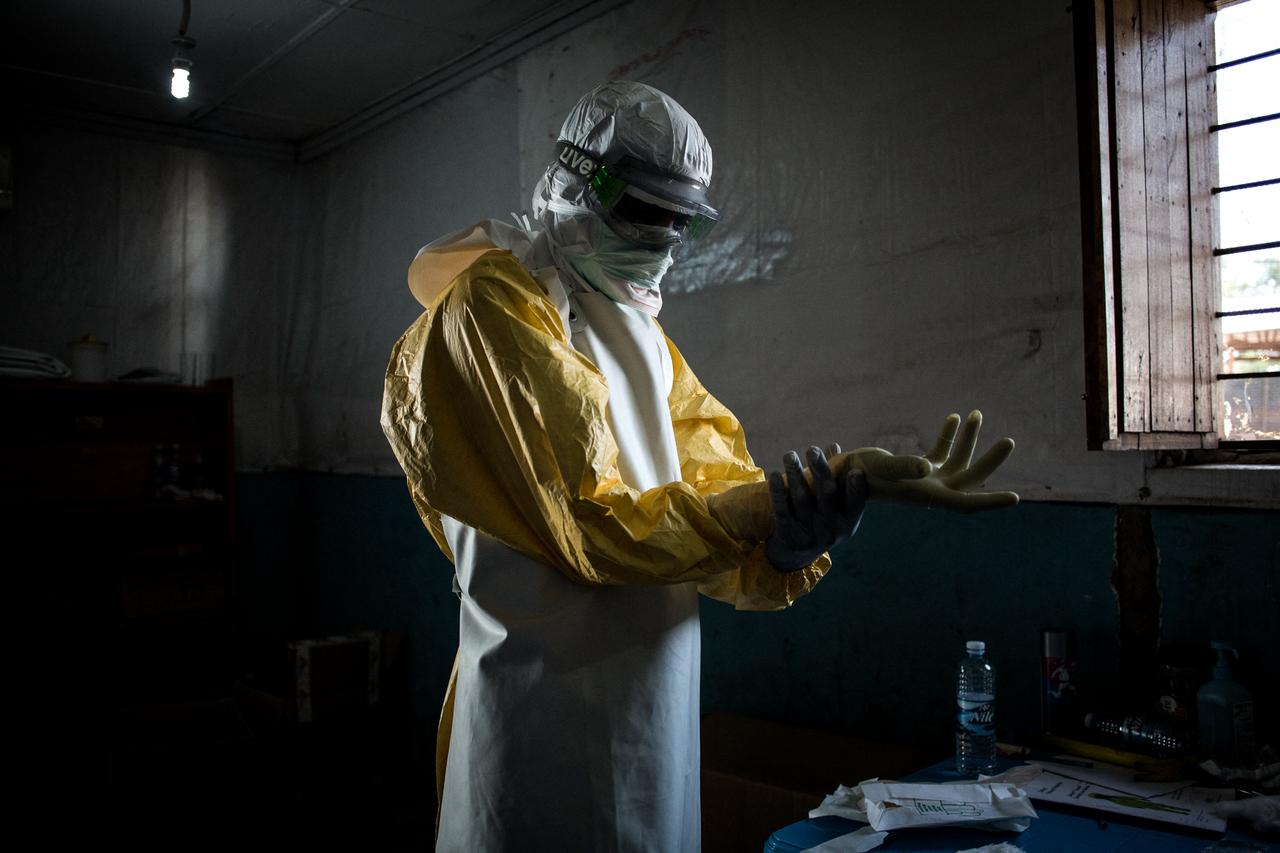
Ebola symptoms include fever, muscle pain, rash and, in some cases, bleeding. The virus spreads through direct contact with bodily fluids, including contact with contaminated materials or with a person who has died from the disease.
The virus was first identified in 1976 during simultaneous outbreaks in Nzara, Sudan and Yambuku in the DRC, with the disease named after the Ebola River near the village where the DRC outbreak began.
A major outbreak across West Africa between 2014 and 2017 infected approximately 30,000 people in Guinea, Liberia and Sierra Leone, killing more than 11,000.


 Set as preferred source
 Set as preferred source


 1 min read
 1 min read