Newsletters


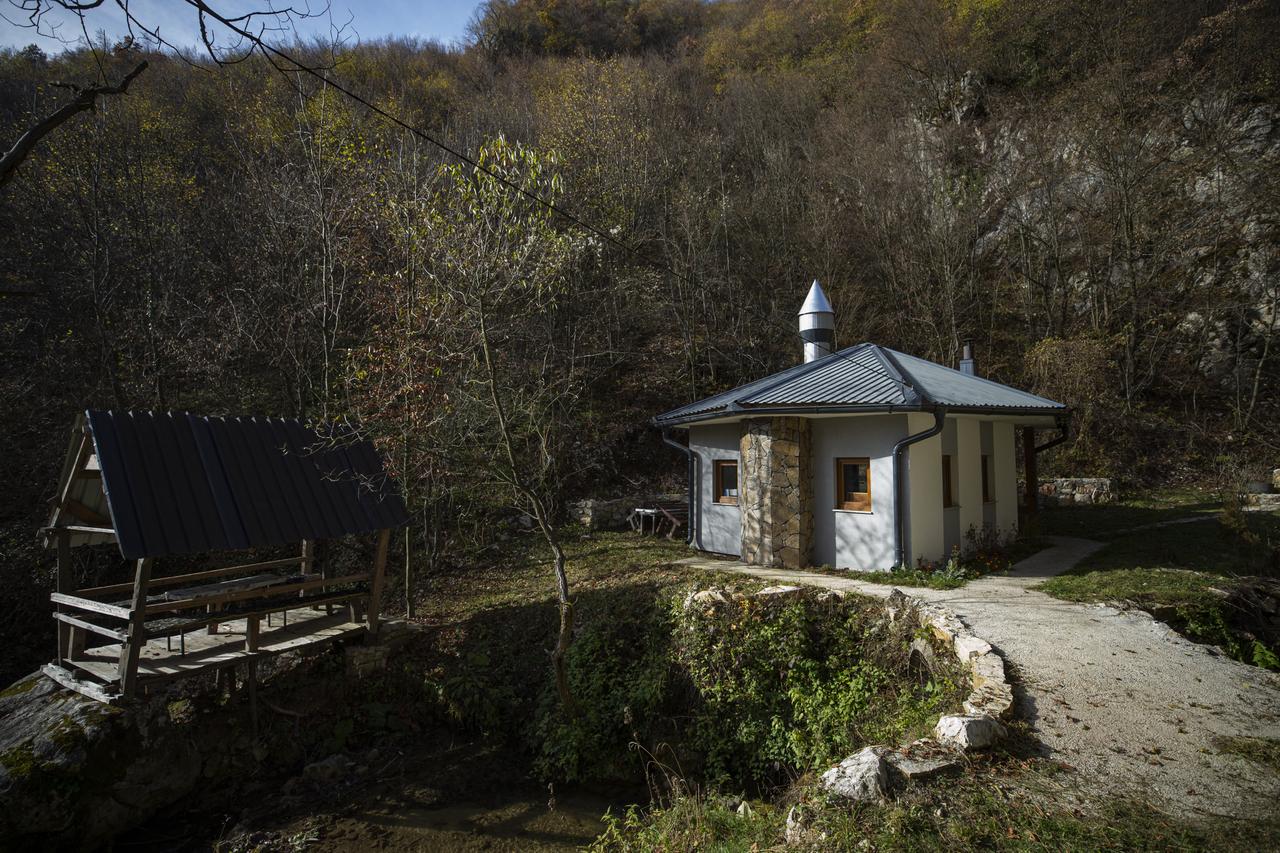


Built in 2023 along a rural road near Zenica, a 16-square-meter mosque in the village of Pojske stands out for its compact design, practical purpose, and growing appeal among travelers and visitors from abroad.
Located beside the Poscanska River, the mosque was intentionally kept small, as it was meant to serve travelers passing through the area rather than a large local congregation. At full capacity, it can accommodate up to 10 worshippers at a time, placing it among the smallest mosques in the country.
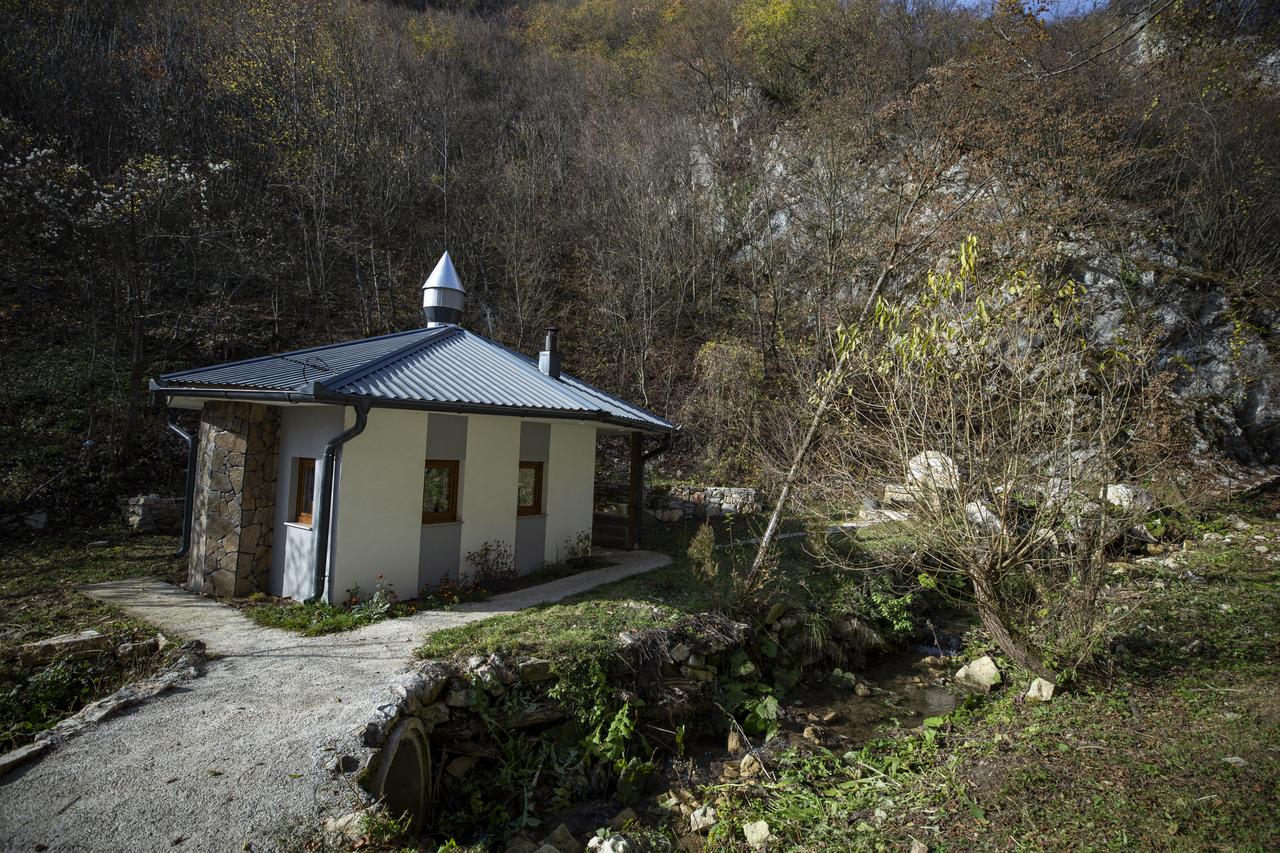

Visitors are often surprised by the building’s size, which measures 4 by 4 meters. According to worshipper Mirzet Skopljak, who spoke to Anadolu Agency, the mosque’s exact dimensions reflect its original idea, which was to ensure that people traveling along the road could find a suitable place for prayer without needing to enter a town or village center.
Skopljak noted that many people have welcomed the presence of a mosque in such a location, especially those who spend long hours on the road. Over time, however, interest in the structure has gone beyond its practical role, with its unusually small scale drawing increasing attention.
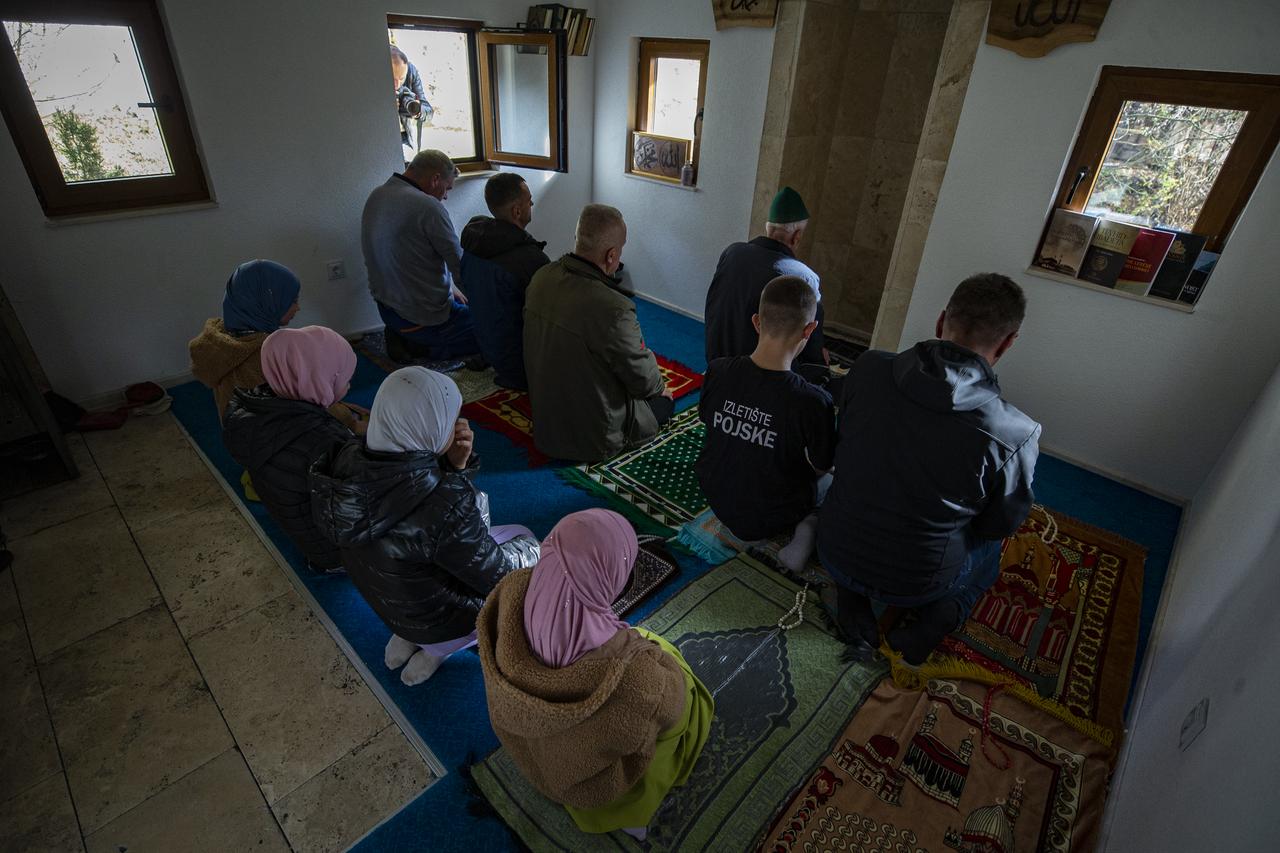
Although it was built with passing travelers in mind, the mosque has gradually turned into a point of interest in its own right. Skopljak explained that since its construction, thousands of people from across Bosnia and Herzegovina have visited the site, often stopping to see how a fully functional mosque fits into such a limited space.
Interest has not been limited to the country’s borders. Visitors from Türkiye, Germany, France, and the United States have also made their way to Pojske to see the mosque, combining religious observance with curiosity about its design and setting. As a result, the building has taken on an additional role, functioning as a small but notable stop within the region’s rural tourism landscape.
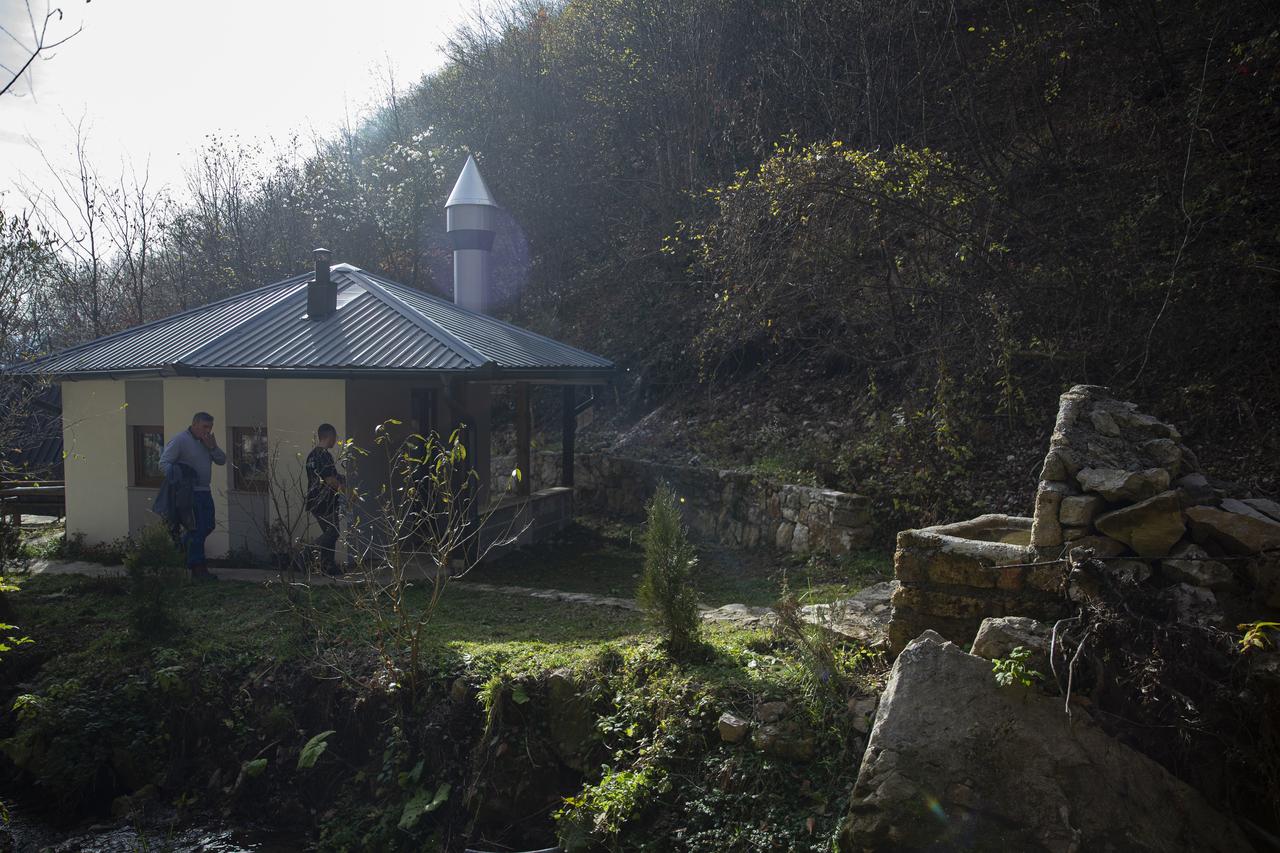
Set against the natural surroundings of the Poscanska River, the mosque’s simple structure blends into the landscape while still standing out for its purpose-driven design.
While it continues to serve travelers looking for a place to pray, it has also become a symbol of how modest community projects can draw wider attention without losing their original function.


 Set as preferred source
 Set as preferred source



 1 min read