Newsletters


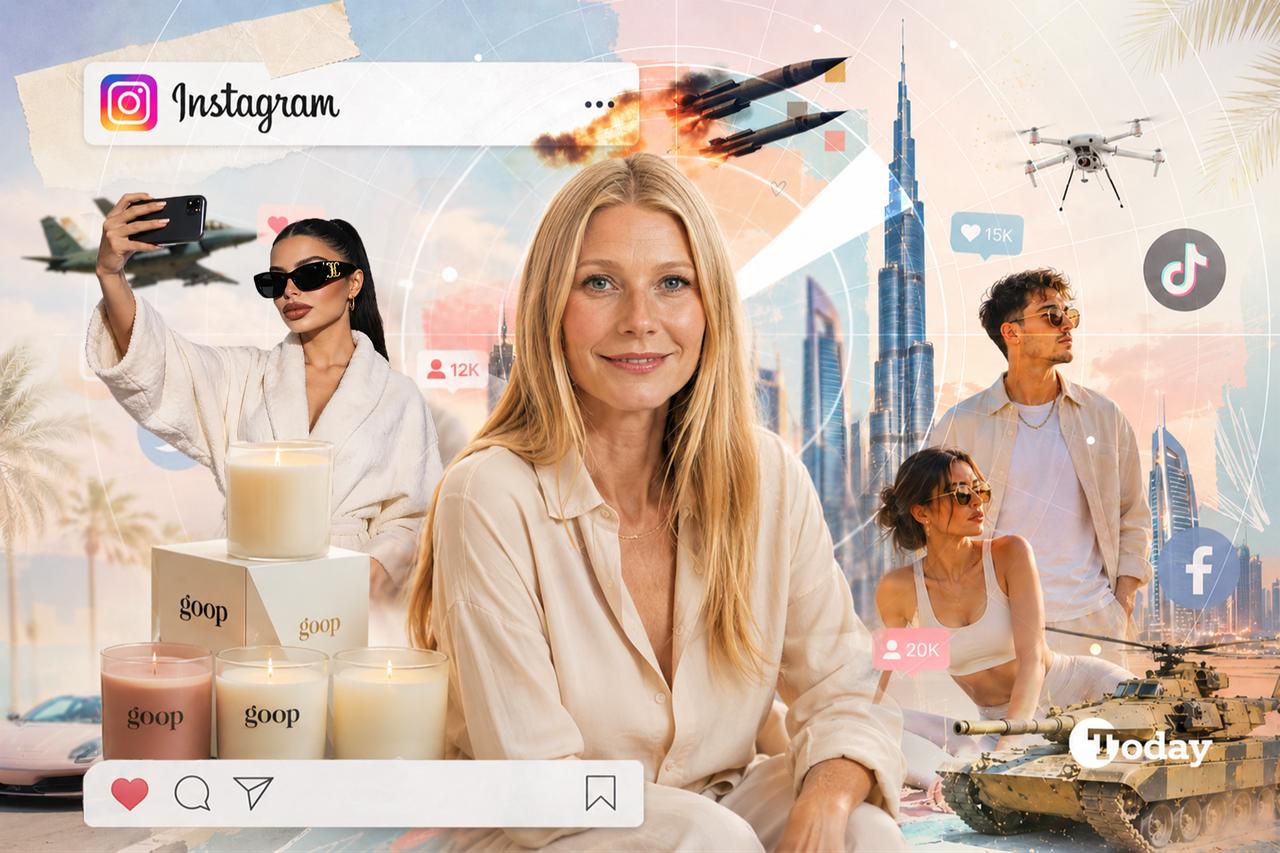


Declaring that “the battlefield has evolved,” the Trump administration last night announced the next phase of Operation Epic Fury: a sweeping campaign against Goopster-in-Chief Gwyneth Paltrow and other social media influencers in America and abroad who oppose further military operations in the Gulf.
“Twenty years ago, wars were debated by newspapers, diplomats, and experts,” said one senior official, speaking on condition of anonymity because he had not yet cleared his remarks with his podcast producer.
“Today, geopolitical stability can be threatened by a woman in Dubai or Arizona saying ‘I’m just asking questions’ while applying concealer.”
Chloe, a one-name British expat with aerodynamic cheekbones and curves engineered at Istanbul’s Doctor Kabobi Institute, immediately released a Declaration Code Beige from her bunker beneath the DLady Boss Preowned Luxury Boutique in Dubai.
“All influencers are created equal,” Chloe fired back. “We are endowed with certain unalienable Rights, that among these are Botox, Silicone and Hyaluronic Acid.”
The anti-influencer operation, internally code-named "Enduring Engagement Metrics," reportedly identifies hostile actors through a sophisticated threat matrix incorporating antiwar sentiment, unexplained spikes in follower growth, and the use of phrases such as “thoughts?” and “this isn’t sitting right with me.”
Particular concern centered on creators posting videos featuring maps, ring lights and captions beginning, "I did a deep dive.”
Officials confirmed that military analysts spent weeks examining a dangerous emerging alliance of antiwar fitness influencers, skeptical lifestyle creators, amateur geopolitical explainers, and a man in Hamburg, Germany, whose entire online presence consists of saying “mainstream media won’t tell you this” before mispronouncing the names of foreign capitals.
Defense planners reportedly became alarmed after discovering that opposition to Gulf escalation was spreading across TikTok, Instagram, YouTube, and a newsletter platform previously used mainly for restaurant recommendations, essays about burnout and couples live-streaming their divorce proceedings inside the massive online gaming playground Roblox.
“This is no longer conventional dissent,” one official said gravely while standing before a PowerPoint slide titled INFLUENCER THREAT VECTOR LANDSCAPE. “This is algorithmic insurgency.”
A declassified briefing warned that critics abroad had become particularly dangerous because they possessed “high audience trust indicators” and “the ability to say complicated things while walking toward a camera.”
The briefing also identified luxury content creators living in Gulf states as a uniquely volatile category.
For years, analysts have watched how Gulf influencer networks, particularly expatriate creators, market a flawless mix of luxury, safety, aspiration and lifestyle to the world. Critics argue influencer economies can flatten political realities into seamless digital aesthetics.
Now officials fear the opposite phenomenon.
“What happens,” asked one intelligence contractor, “when aspirational-content infrastructure begins generating unauthorized nuance?”
Early warning signs reportedly appeared when creators interrupted videos about rooftop brunches and imported supercars to discuss airspace closures, regional instability, and civilian fears.
“That’s mission creep,” said one official.
Under Operation Epic Fury’s expanded mandate, authorities would reportedly confront antiwar influencers through a series of calibrated countermeasures.
Among them:
Deploying patriotic cooking influencers to explain deterrence theory while making short-rib sliders.
Launching Operation Authentic Voices, featuring highly relatable content creators saying things like, "I'm not political, but regional escalation reminds me of my journey toward personal growth.”
Recruiting retired generals to appear on podcasts hosted by men wearing fitted black T-shirts who describe everything as “absolutely wild.”
Flooding social platforms with emotionally resonant videos of aircraft carriers set to inspirational piano music.
Sources confirmed that planners had considered more aggressive responses but rejected them after focus groups found Americans were “fatigued by conflict but highly receptive to dogs greeting soldiers at airports.”
Meanwhile, influencer management agencies rushed to adapt.
“Creators need flexibility,” said one talent executive who recently fled Dubai for Istanbul. “If your niche was luxury skincare and now it’s maritime security architecture, that’s just audience evolution.”
Several creators had already pivoted.
One former travel influencer posted: “Five Hidden Gulf Missile Defense Systems You Need to See.”
Another uploaded a sponsored video titled "GRWM While Discussing Regional Force Projection.”
At press time, officials confirmed the campaign faced one unexpected challenge after military analysts discovered that pro-war influencers, antiwar influencers, conspiracy influencers, luxury influencers, finance influencers, and three separate men reviewing watches from Lamborghinis had all become locked in a six-hour argument over the relationship between 19th-century Persian history and Gwyneth Paltrow's anatomically aromatic candles.
“Frankly,” one exhausted intelligence official admitted: "We may have underestimated the enemy.”


 Set as preferred source
 Set as preferred source


 1 min read
 1 min read