Newsletters





Consumers in Türkiye are paying significantly more for food labeled as “safe” or pesticide-tested, as concerns over chemical residues reshape how people shop for basic produce.
Recent data shows that choosing verified or analyzed food products can cost up to 73% more than buying the same items from discount retailers, raising questions about access, regulation, and public health.
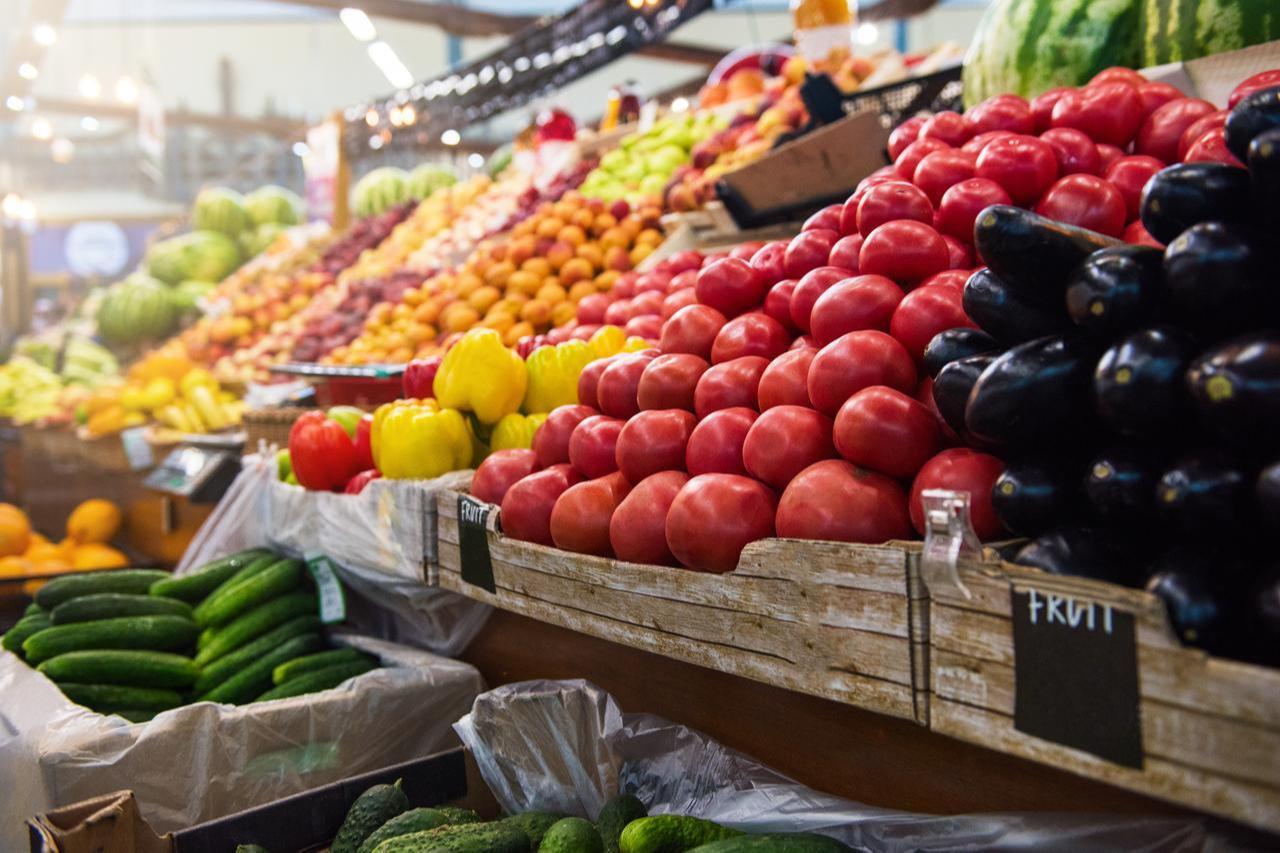

A basic basket of produce, including carrots, potatoes, onions, oranges, green apples, tomatoes, and pears, costs around ₺406 ($9) at discount supermarkets.
According to Cumhuriyet's report, the same basket rises to ₺702 ($16) when purchased from retailers offering pesticide-tested or certified products, meaning consumers pay 73% more for safer food.
This gap reflects a growing market where food safety is treated as a premium category rather than a standard. Retailers have expanded shelves for “certified” and “lab-tested” goods in response to rising public awareness, particularly after repeated alerts linked to Türkiye-origin food products in the European Union’s food safety monitoring systems.
However, it remains unclear how much of the price increase comes from production and certification costs and how much is driven by retail pricing strategies.
Consumer advocates warn that this pricing structure creates inequality. Ergun Kilic, head of the Consumer Rights Association, said safe food should not depend on market dynamics.
“This issue cannot be left to companies. Risk-free food being accessible only to certain groups is against both the constitution and universal consumer rights,” he said.
Agricultural engineer Gazi Kutlu also warned against normalizing unsafe food, saying this does not justify a system where unknown-content food becomes standard while safe food becomes the exception.
Concerns over pesticides continue to shape public debate.
A 2025 report cited by BBC found that one in three food samples in Istanbul contained pesticide residues exceeding legal limits, while unauthorized pesticide use was detected in 33% of tested products.
Pesticides are widely used to increase agricultural yield, but experts warn they can cause serious health problems, including neurological disorders, hormonal disruption, and cancer risk with long-term exposure.
Many samples also contained multiple pesticide residues, raising concerns about cumulative effects.
At the same time, alternative food networks that aim to connect producers directly with consumers have struggled to reduce costs. A mixed package of fruits and vegetables sold through these systems can reach ₺500 ($11), around 53% more expensive than discount supermarket prices.
Experts say structural issues such as logistics, storage, and small-scale production continue to keep prices high.
Yasar Adali, director of the social initiative Postane, said ecological production differs from conventional agriculture, where environmental and health costs are often shifted elsewhere.
“In ecological production, costs are directly reflected in product prices. To prevent this and make fair food the norm, it must be supported through public incentives,” he said.
Other experts point to the need for broader reforms, including increased transparency in pesticide monitoring, stronger support for local production, and reduced dependence on chemical inputs.
Oya Ayman from the Bugday Association said Türkiye could meet its food needs through ecological methods if production and distribution systems are redesigned.
“There are scientific studies showing that Türkiye’s entire population can be fed through ecological farming methods,” she said.
Rising awareness of pesticide risks is changing how food is priced and sold across Türkiye, with certified and tested products increasingly positioned at a premium. For consumers navigating local markets and supermarkets, price differences can signal how products are sourced, tested, or marketed.
Experts say that without stronger oversight and public support, access to safer food will remain uneven, making informed choices more dependent on both knowledge and budget.


 Set as preferred source
 Set as preferred source



 2 min read