Newsletters


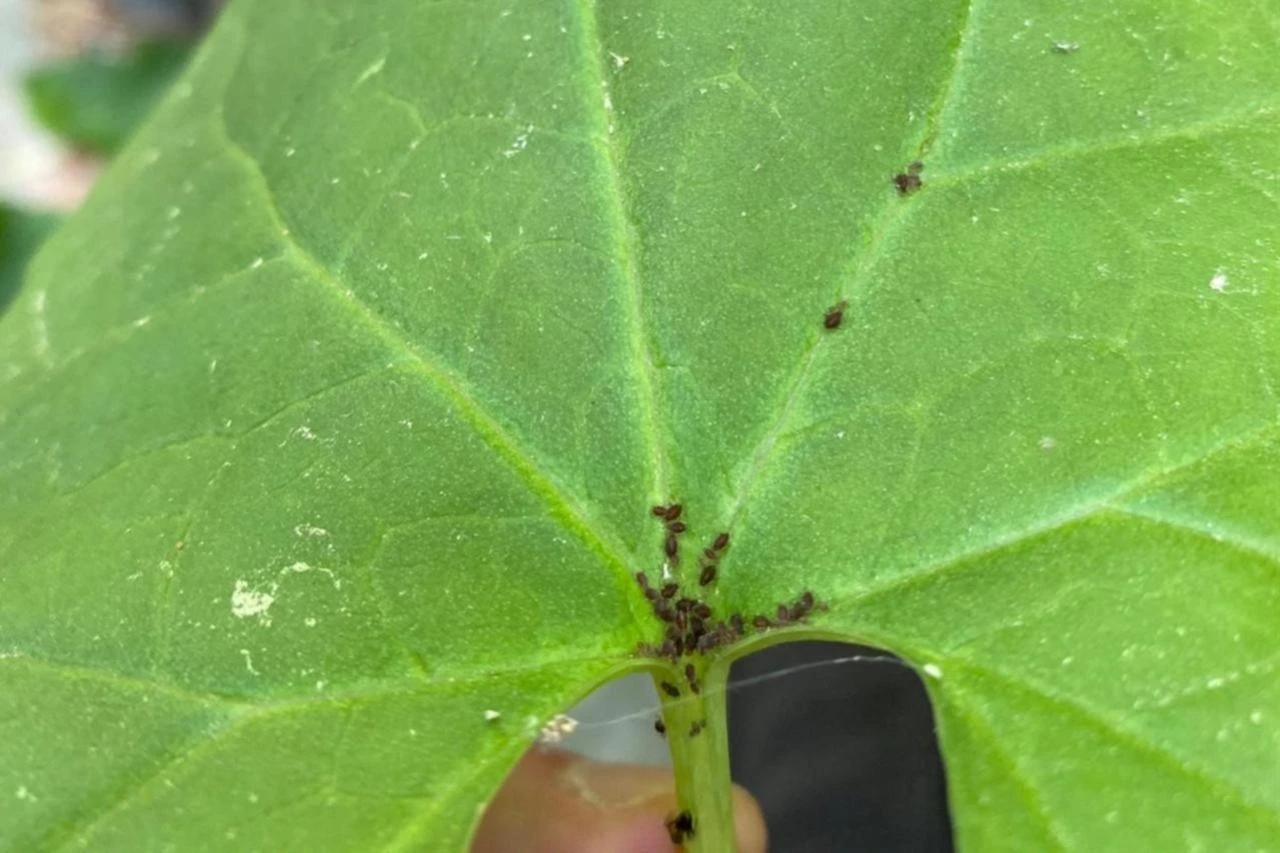


Scientists may have identified only a small share of the insects living on Earth, with a new statistical analysis suggesting that the real number of insect species could reach around 20 million.
The estimate is far higher than the roughly 1 million insect species formally described so far, meaning species that have been scientifically named, classified and recorded. It also goes well beyond the long-standing estimate of about 6 million insect species worldwide.
The study, published in the Proceedings of the National Academy of Sciences, used statistical modeling based on insect surveys in Costa Rica's Guanacaste National Park, a biodiversity-rich area that served as the basis for wider estimates.
Researchers focused partly on parasitoid wasps, a highly diverse group of insects that lay their eggs inside other insects. By looking at different survey methods, including trap data and the analysis of parasitized caterpillars, scientists found that the species identified by each method overlapped only slightly.
That limited overlap suggested that even detailed local surveys may pick up only a fraction of the insect species actually present in one area.
Using statistical techniques originally developed in epidemiology—the study of how diseases spread through populations—the research estimated hidden insect populations in a national park. These methods are uniquely suited for the task, as they excel at accurately quantifying groups that are otherwise difficult to observe directly.
The researchers calculated that the Guanacaste National Park alone may contain more than 300,000 insect species, far more than previously recorded there.
They then scaled up the estimate globally by comparing insect diversity with patterns seen in tree species. On that basis, the study concluded that Earth may host between 13 million and nearly 25 million insect species, with a midpoint estimate of about 20 million.
Brian Fisher, curator of entomology at the California Academy of Sciences, said the estimate shows that current figures probably fall short of Earth's real insect diversity, while also noting that the exact total remains uncertain.
Researchers said the findings underline the scale of undiscovered biodiversity at a time when many insect species are believed to be declining because of habitat loss, climate change and other environmental pressures.
The study suggests that large parts of Earth's insect life remain unknown, raising concerns that some species could disappear before they are ever formally recorded.


 Set as preferred source
 Set as preferred source




 6 min read