Newsletters


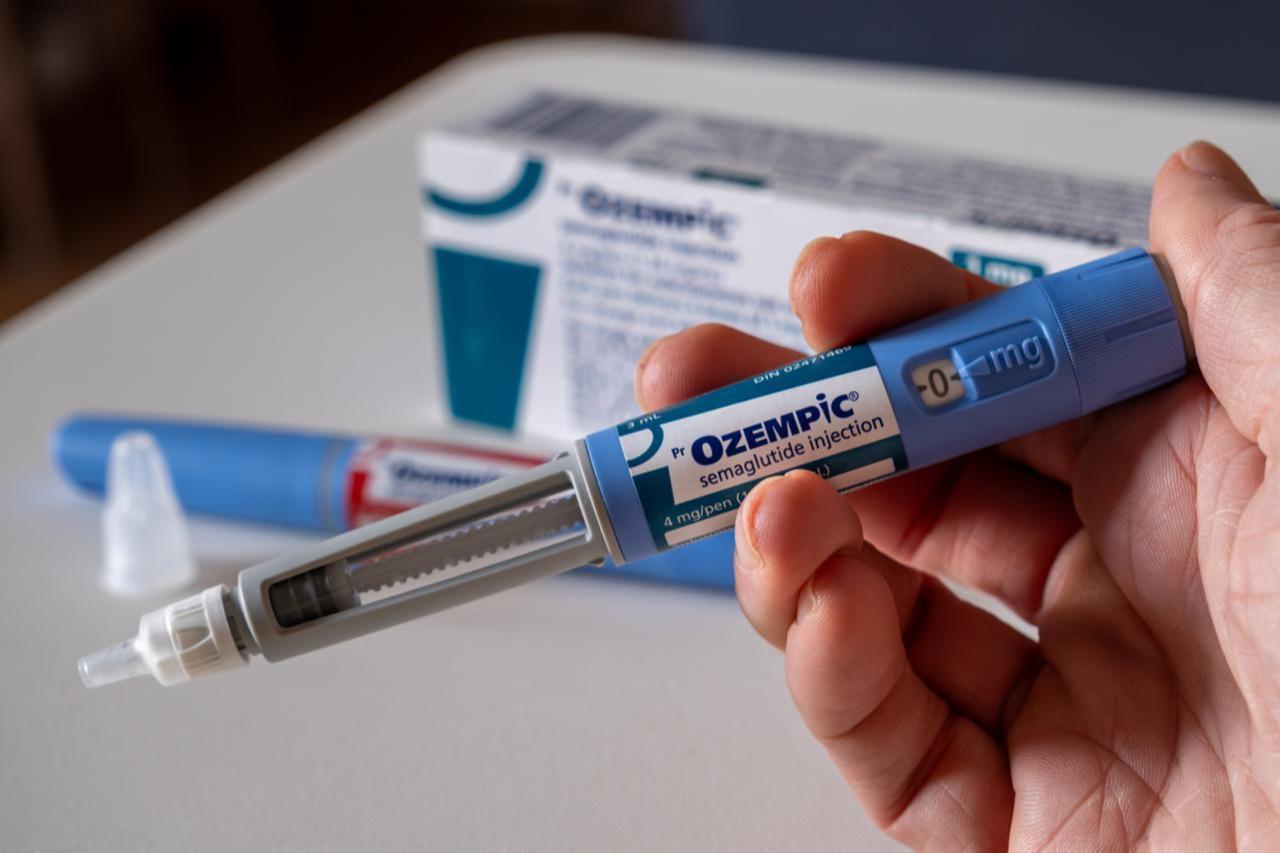


Reports of health problems linked to injectable weight-loss medicines have nearly doubled in the Netherlands, as experts warn that more people are using powerful drugs without medical supervision.
Healthcare professionals submitted 149 reports in 2025 involving patients who had used injectable weight-loss drugs, up from 76 reports in 2024, according to data from the Dutch National Poisons Information Centre, known as NVIC, at University Medical Center Utrecht. Dutch broadcaster NOS reported the figures on Monday.
The center, which advises medical professionals on poisoning cases, believes the real number may be higher because not every incident is reported or officially connected to these medicines.
A major concern for health officials is how patients are obtaining the drugs.
Around 40% of the reports involved medicines obtained outside regular medical channels, meaning they were not prescribed or monitored through standard healthcare routes.
Experts say this points to a growing informal market in which people buy weight-loss injections online or through private networks rather than through doctors. This makes it harder to check the quality of the products, guide patients on correct doses or respond early when side effects appear.
Medicines such as Ozempic were originally developed for type 2 diabetes and later became associated with obesity treatment under medical supervision.
However, their rising visibility on social media and through celebrity endorsements has pushed up demand among people seeking weight loss without clinical guidance.
Researchers warn that this move from regulated care to self-directed use increases the risk of incorrect dosing, overdosing and adverse reactions.
Medical specialists are also concerned about retatrutide, an experimental weight-loss medication sometimes referred to as "Triple G." The drug is not approved for prescription use in the Netherlands and is not available through legitimate medical channels.
Despite that, NVIC recorded six poisoning reports linked to retatrutide in 2025, followed by 12 cases in the first five months of this year alone.
Officials say the drug may still be reaching users through online markets.
Toxicologists warn that so-called "powerful variants" such as retatrutide may create higher risks, especially when used without professional oversight.
Misuse or overdosing of injectable weight-loss drugs can lead to acute symptoms that may require emergency treatment.
Reported concerns include severe gastrointestinal reactions and metabolic complications.
Experts also warn that longer-term health risks may involve harm to the liver, kidneys, and nervous system, particularly when people use these medicines without medical assessment, follow-up, or dosing guidance.
The rise in reports has added to concerns that the popularity of weight-loss injections is moving faster than public understanding of their risks, especially when the drugs are taken outside regulated healthcare systems.


 Set as preferred source
 Set as preferred source



 2 min read