Newsletters


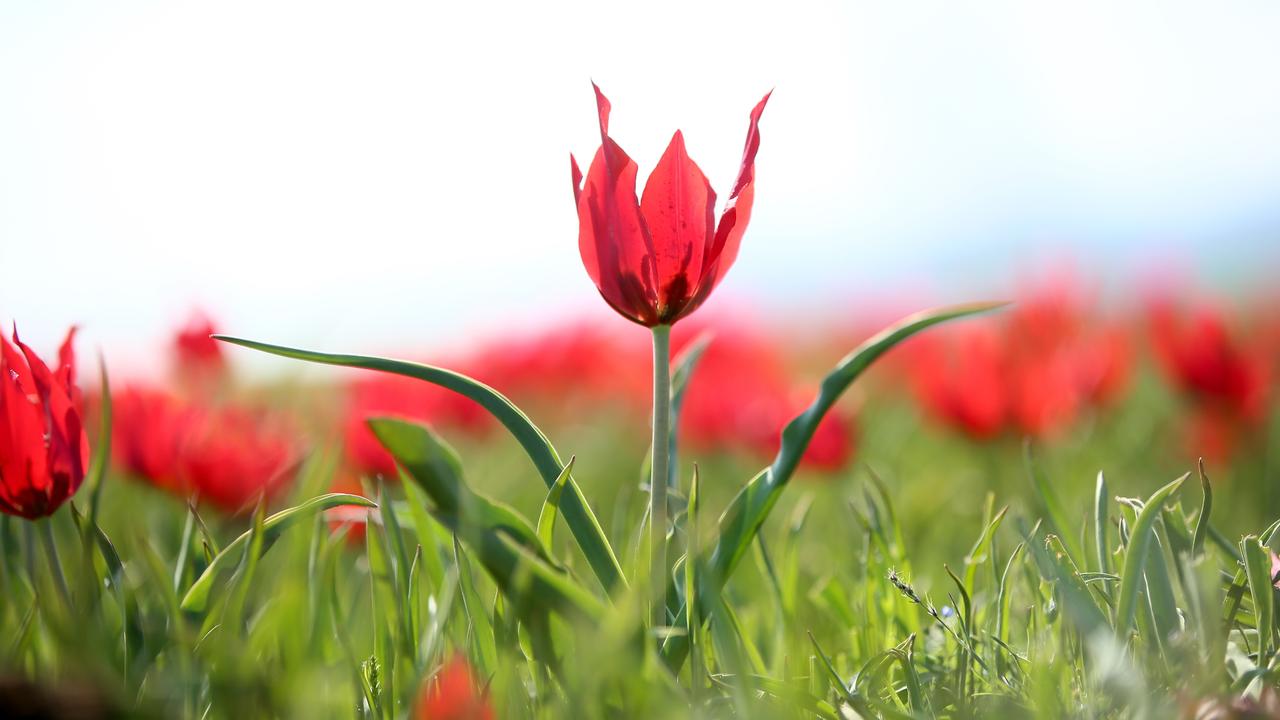
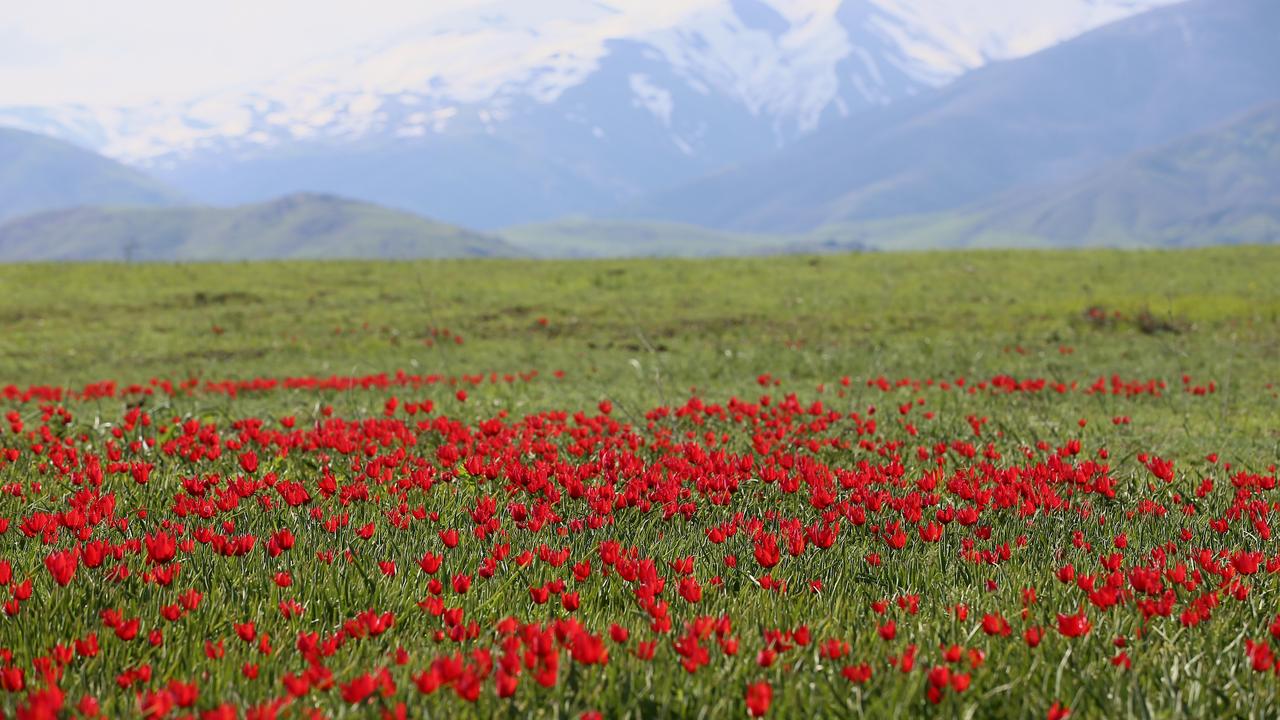
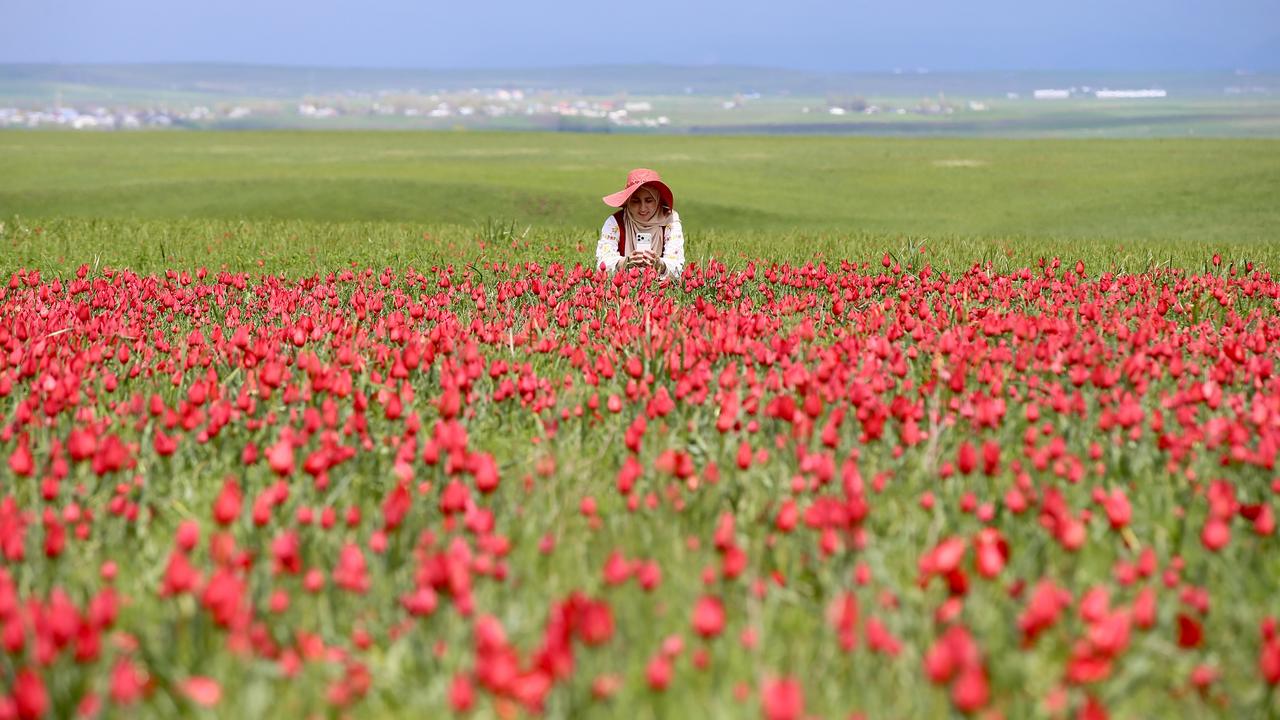
Each spring, the Mus Plain in eastern Türkiye turns a deep crimson as the endemic Mus tulip blooms across open fields and meadows.
The species—registered in 2015 under the name "Mus 1071" by the Ministry of Agriculture and Forestry's General Directorate of Plant Production—exists nowhere else on earth
But its range is shrinking. Urbanization, the conversion of land to agriculture and uncontrolled grazing on pastures have pushed its population lower year by year.
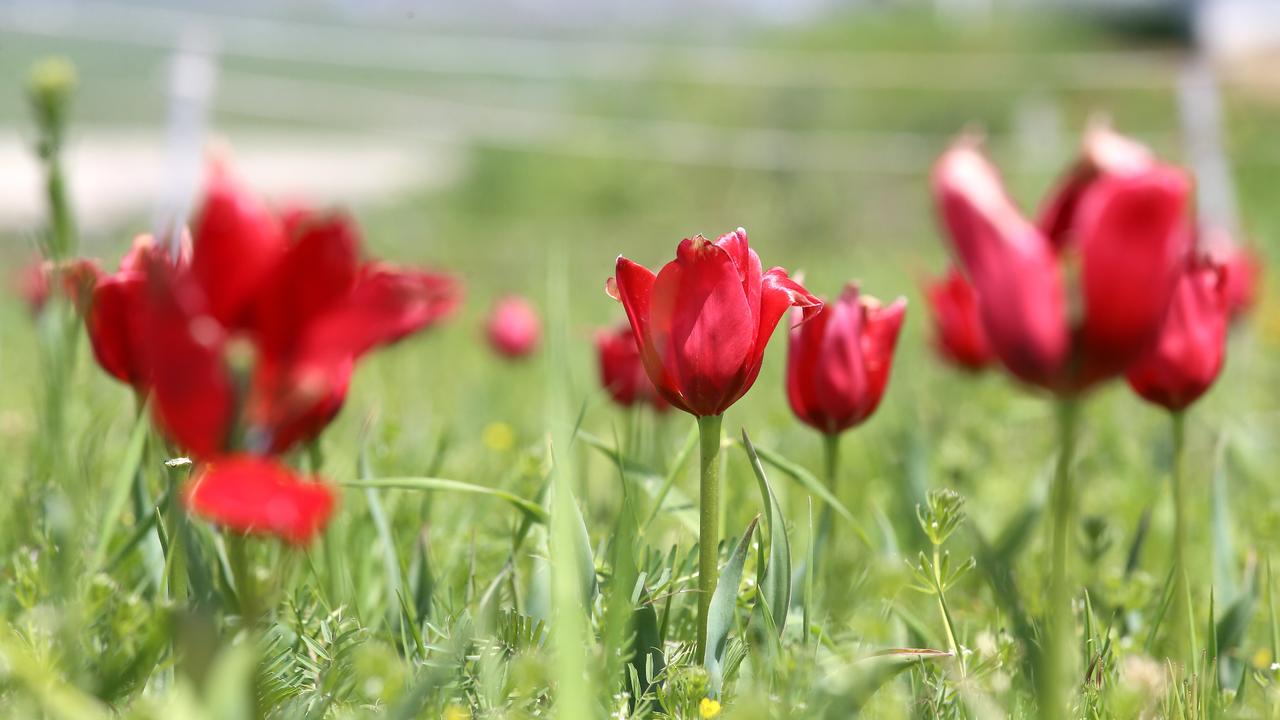
The Mus Tulip Application and Research Center at Mus Alparslan University leads efforts to cultivate, multiply and improve the endemic species.
The center was established specifically to address the long-term survival of a flower that reproduces slowly in the wild and is difficult to cultivate under controlled conditions.
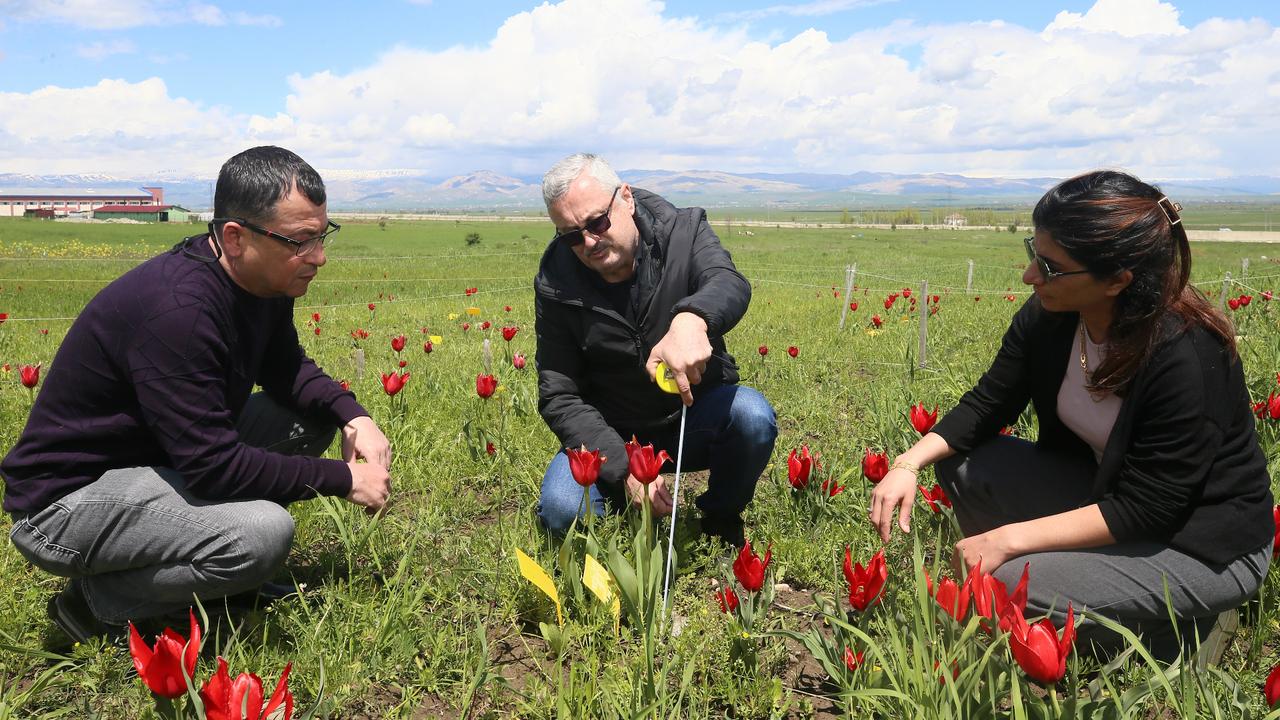
Dr. Ahmet Yenikalaycı, director of the Mus Tulip Application and Research Center, examines tulip bulbs as part of ongoing breeding research at Mus Alparslan University, Mus, eastern Türkiye.
Yenikalayci and his colleagues have been conducting cultivation and breeding studies on the Mus tulip for eight years.
A key challenge in cultivating the Mus tulip is its unusually low reproduction rate.
Unlike most cultivated tulip varieties, a single Mus tulip bulb produces only one offspring bulb the following year—a trait that makes population growth slow and large-scale cultivation difficult.
Researchers identified this biological bottleneck early in the project and set it as their primary target for improvement.
Through selective breeding, researchers at Mus Alparslan University have developed genotypes of the Mus tulip capable of producing three to four offspring bulbs per cycle—a significant departure from the single-bulb baseline found in wild populations.
The center has also submitted two candidate varieties to the Seed Registration and Certification Center Directorate, with registration trials ongoing for two years.
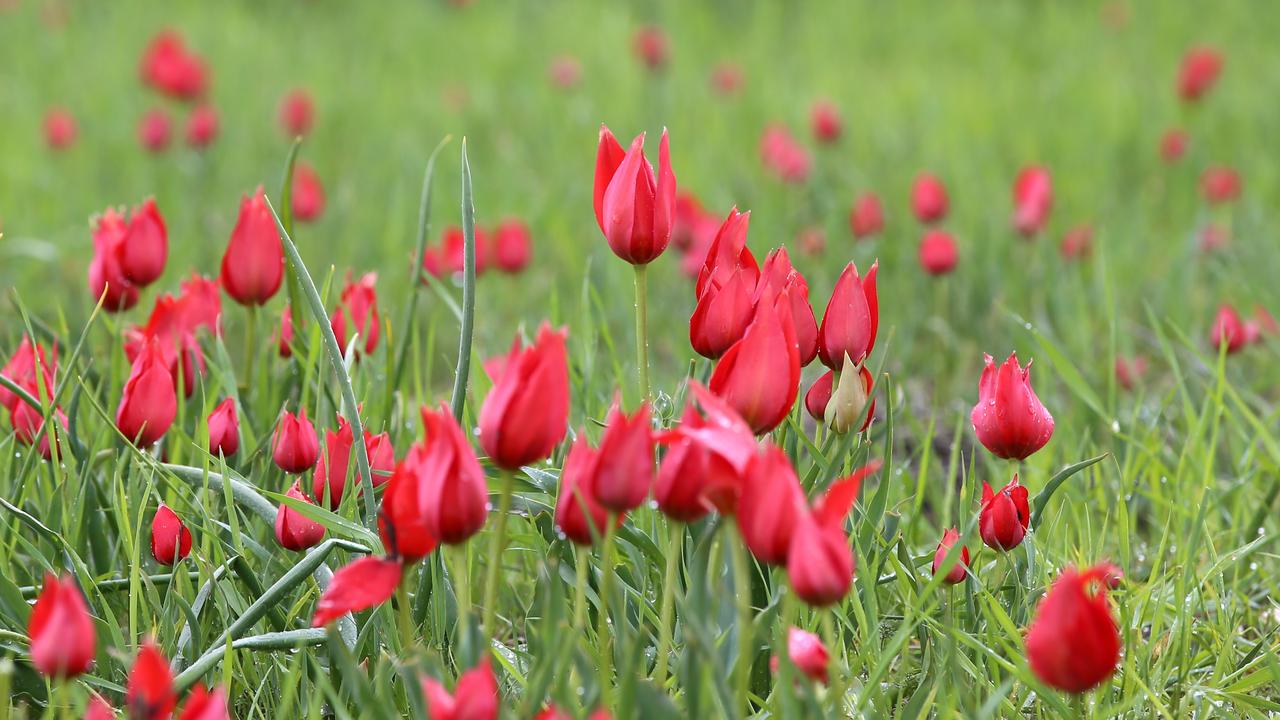
Alongside bulb yield, researchers are working to extend the number of days the Mus tulip remains in bloom and to improve its visual qualities—including petal size and overall appearance.
Breeding work focuses simultaneously on bulb weight, offspring bulb count and flower aesthetics, with the goal of producing varieties suited both for conservation and wider cultivation.
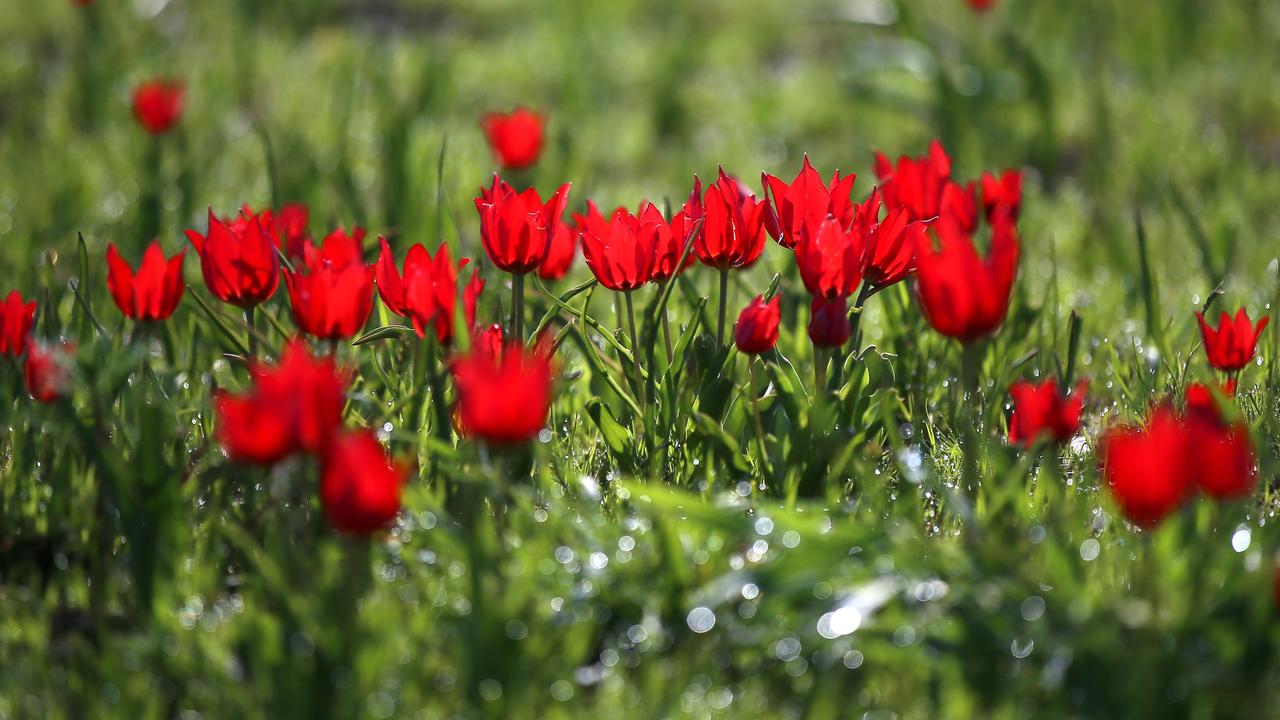
Urbanization, agricultural expansion and uncontrolled grazing on pastures continue to reduce the natural habitat of the Mus tulip year by year, according to Yenikalaycı.
The population decline is ongoing, and researchers describe formal cultivation and breeding programs as essential to securing the species' future.
Wild populations of the tulip now occupy a shrinking share of the plain they once covered.
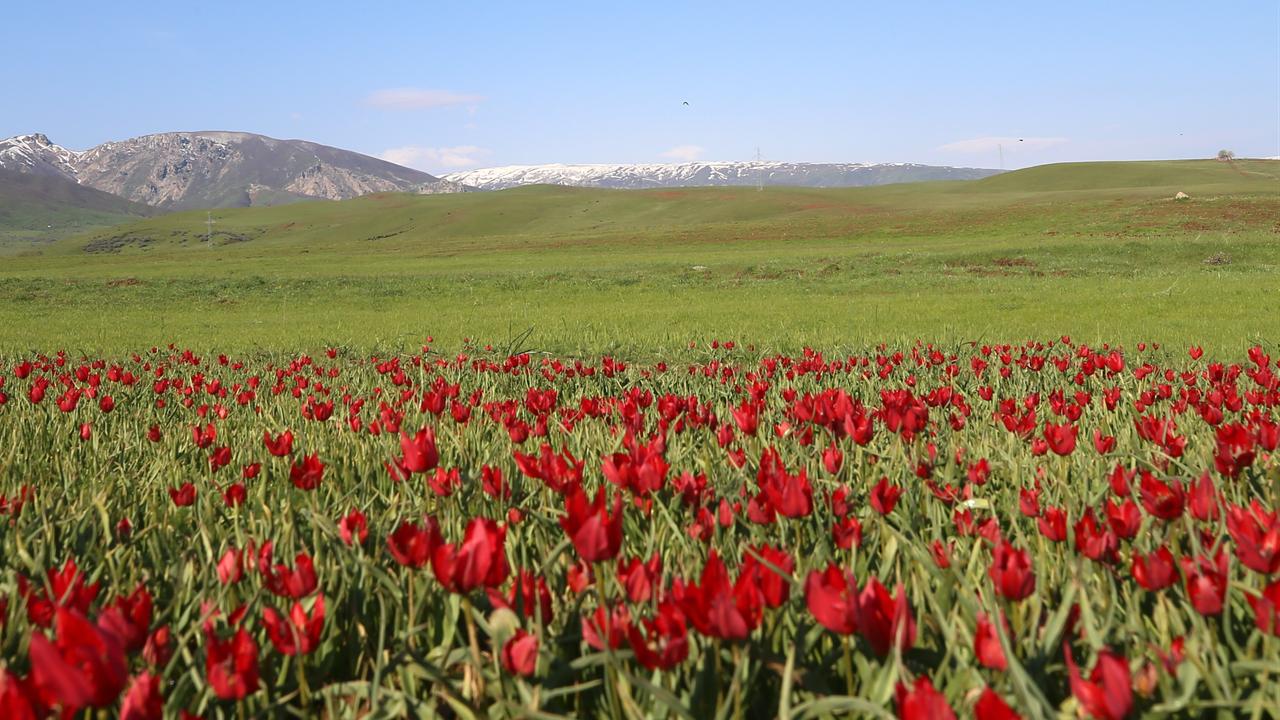
Visitors from across Türkiye make their way to the Mus Plain each spring to photograph the tulip fields.
A group of 60 academics from various Turkish universities visited the plain to observe the protected tulips during a recent bloom season.
Among them, Professor Adnan Baki of Trabzon University described the sight of endemic tulips growing entirely in their natural environment as both striking and rare.
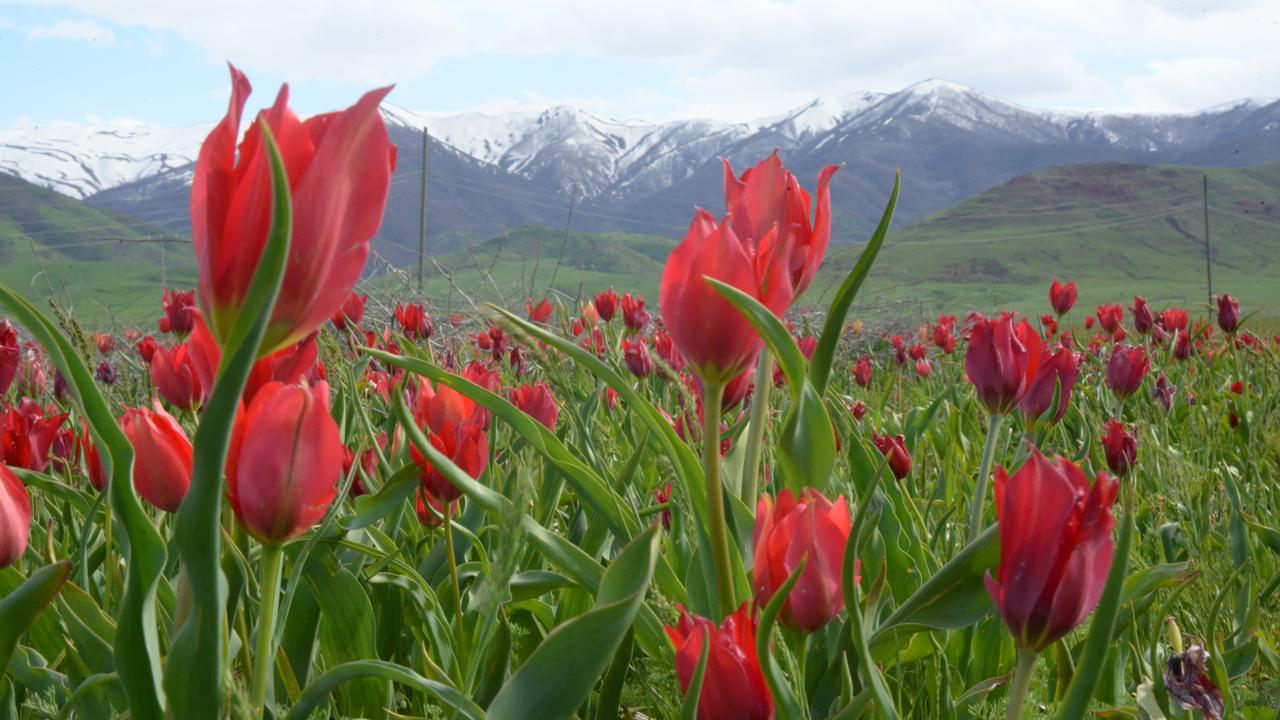
Photographer Iskender Selcuk of Bitlis visits the Mus Plain each season to document the bloom, noting that the fields turn red as the tulips emerge.
Visitors and nature photographers from across the country are drawn to the plain during the bloom period, an annual event that researchers and local authorities say contributes to awareness of the species and to the broader promotion of the region.

 1 min read


 Set as preferred source