Newsletters


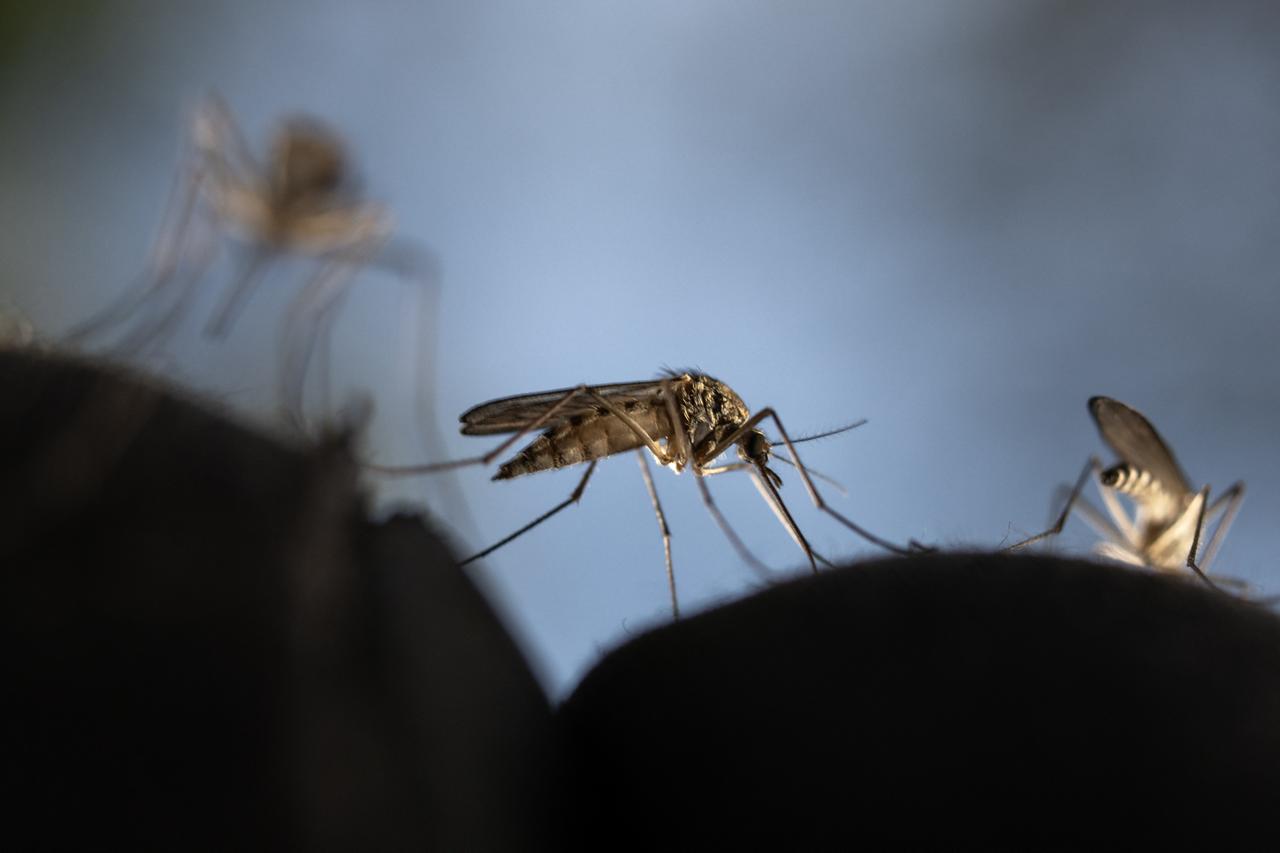


Research shows that some people are significantly more likely to attract mosquitoes than others, and the reasons extend well beyond chance. Scientists have identified a range of biological and behavioral factors—from genetic makeup to what a person drinks—that influence mosquito attraction.
Only female mosquitoes bite, as they require blood to develop fertile eggs. They use finely tuned receptors to detect chemical signals and can identify carbon dioxide trails from up to 120 feet away.
Swedish scientist Rickard Ignell, who led a recent study on the subject, told AFP that carbon dioxide is the primary signal that triggers mosquito behavior at long range.
Within about 10 meters, body odor compounds begin to contribute alongside CO2. As mosquitoes close in further, body temperature and skin humidity also factor into target selection.
Humans release between 300 and 1,000 different odorous compounds, according to researchers.
A 2017 study published in PNAS found that mosquitoes can detect nearly 150 of them. Compounds in sweat—including lactic acid, ammonia and uric acid—are particularly attractive, as are higher skin concentrations of steroids, cholesterol and carboxylic acids.
Genetics also play a significant role. A 2015 twin study published in PLOS One found that genetic makeup may account for roughly 67% of mosquito attraction, a proportion comparable to the genetic influence on height and IQ.
Identical twins showed greater similarity in attraction levels than fraternal twins, suggesting that individual scent profiles are largely inherited.


A 2004 Japanese study found that tiger mosquitoes—known scientifically as Aedes albopictus, capable of transmitting dengue and chikungunya—showed a preference for individuals with blood type O.
Those with type O blood had an 85% likelihood of attracting bites, compared with around 45% for other blood types. A 2019 study published in the American Journal of Entomology reached a similar conclusion.
However, Frederic Simard of France's Institute of Research for Development told AFP that the blood type connection "has no scientific basis," noting that existing studies involved very few participants. Associate Professor Nigel Beebe of the University of Queensland echoed that position, stating there is no evidence that blood antigens influence mosquito attraction.
Alcohol consumption also raises attraction levels. A 2023 study conducted in the Netherlands found that volunteers who had consumed beer in the previous 24 hours were 1.35 times more attractive to female Anopheles mosquitoes.
Researchers linked this to increased body temperature, higher CO2 output and altered skin odor.
People with higher metabolic rates—including those exercising—emit more carbon dioxide and are similarly at greater risk of bites.
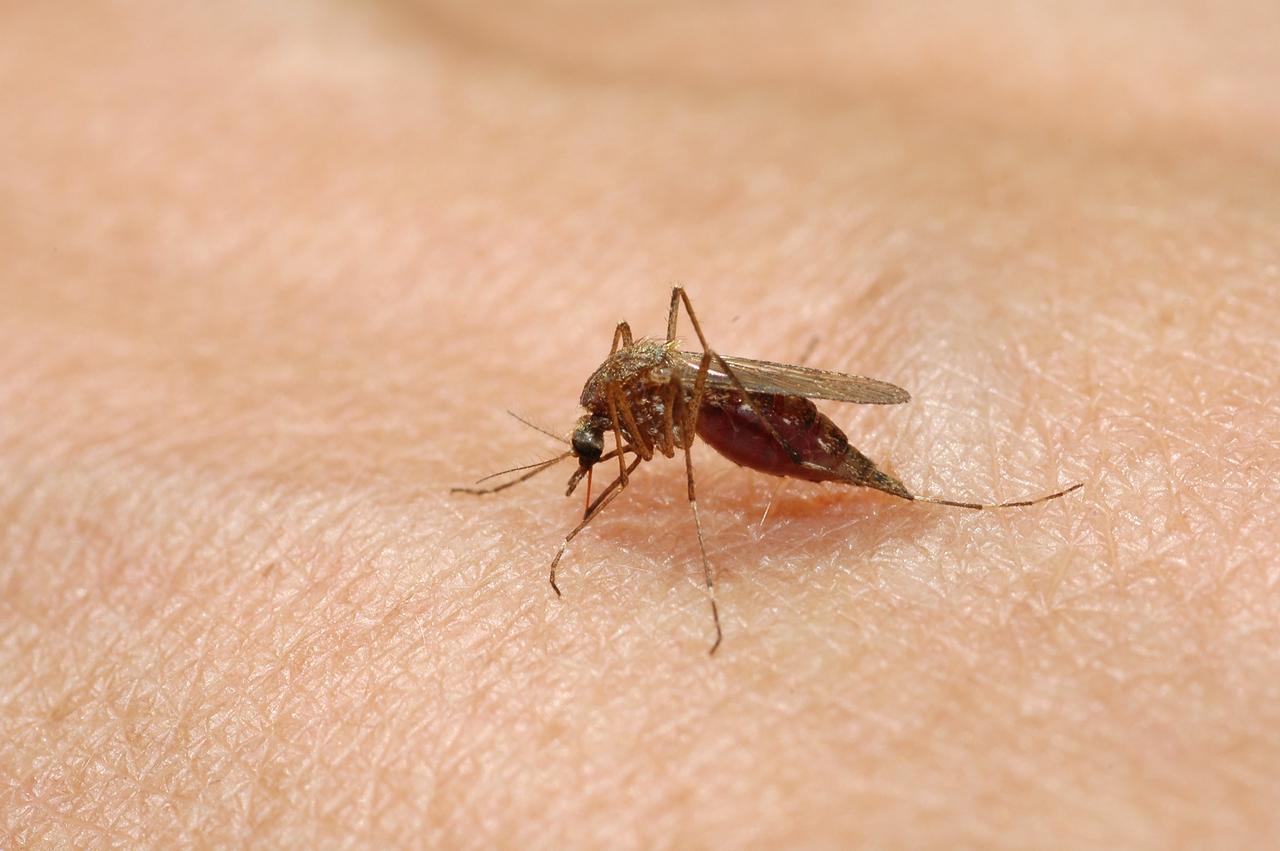
Biology professor Jeffrey Riffell of the University of Washington told Time Magazine that mosquitoes respond to both scent and visual cues.
Dark colors—including black, navy, red and orange—attract more attention, as they resemble the shadows mosquitoes use for shelter. Lighter tones such as white, green and gray are less appealing.
Strong floral perfumes and certain skincare products, including moisturizers containing lactic acid and anti-aging products with alpha-hydroxy acids, also increase attraction.
Emergency medicine specialist Christopher Bazzoli told the Cleveland Clinic that mosquitoes are drawn not only to natural body odor but also to the products people use to mask it.
Simard advised wearing loose-fitting clothing that covers the skin, using mosquito repellent, and applying mosquito nets when in affected areas. He also recommended eating light meals and limiting alcohol consumption to reduce CO2 output and skin odor changes.


 Set as preferred source
 Set as preferred source



 3 min read