Newsletters





Every autumn, Turkish television launches a new season with a cliffhanger. This year, the cliffhanger is the industry itself. In the drama you watch, everyone is a millionaire with a Bosphorus mansion and a corner office at a holding company. The industry behind them is having a harder time paying the bills.
The new season traditionally kicks off in September and October, with channels rolling out dozens of fresh dramas to fill prime time through the winter and into early summer. It is also the stretch that feeds the country’s export business: the same shows that dominate Turkish evenings are later sold to viewers from Latin America to the Gulf, bringing in close to $1 billion a year, by industry estimates.
This year, the season has opened with an uncomfortable question hanging over it.
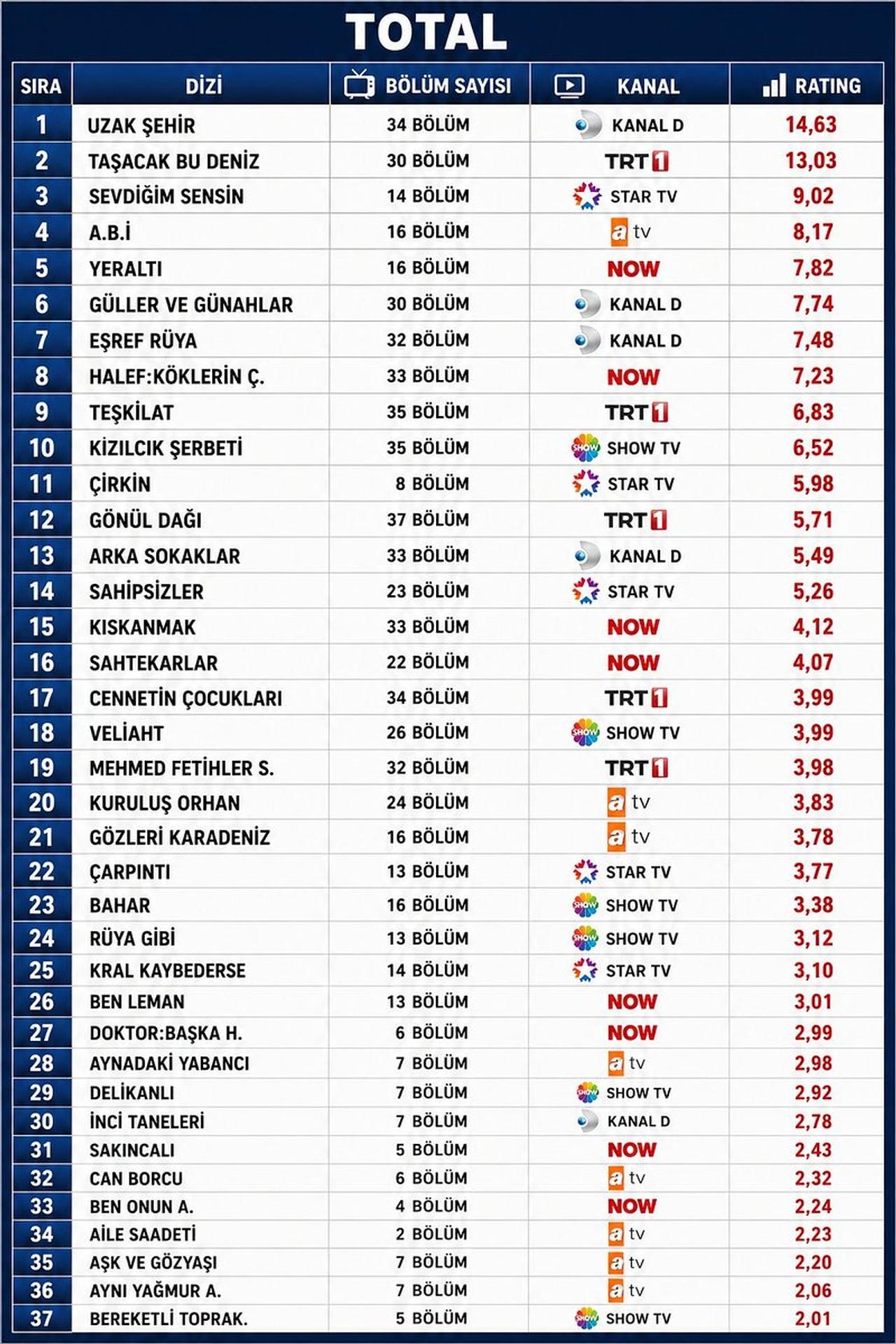
Thirty-six series premiered, down from the 57 that used to launch a season. Six have already ended since October. And over the past week, executives and commentators have gone public with warnings that the economics of Turkish drama are breaking down, with wholesale cancellation of series being discussed.


The numbers being cited are estimates, not audited figures, but they point in one direction.
Columnist Ali Eyuboglu said a single episode that cost ₺20 million-₺25 million last year now costs around ₺30 million. Some productions are expected to keep per-episode budgets between ₺20 million and ₺30 million, roughly $400,000-$600,000.
The money coming in is not keeping up.
Viewers moving to digital platforms is pulling advertising away from television, and the audience for national channels increasingly skews over 40.
Some sources cite this season as the lowest October ad revenue in 30 years.
The problem seems to be the widening gap between production expenses and ad income, not the quality of the dramas or their ratings. Broadcasters are playing on an uneven field. Turkish channels face limits on certain ads, such as food supplements, while digital platforms do not. And channels give away productions costing hundreds of millions of liras for free, while streaming services charge subscriptions.
The ratings pressure is real, too.
In Türkiye, a TV rating is the percentage of the measured audience watching a program, tracked daily through meters in a sample of households. It matters because ratings determine how much broadcasters can charge advertisers, so a show that slips below the threshold its producers need can quickly find itself facing cancellation.
Series ratings generally dip on days when football is broadcast, so channels avoid scheduling dramas at those hours; a project falling below a 6 rating faces the danger of ending.
Some already have: "Cirkin" on Star TV ended on Oct. 4, followed by three ATV series, "A.B.İ.," "Ask ve Taht" and "Mercan Kosk."
For viewers at home, the loss would be felt directly: people in Türkiye watch an average of three hours and 38 minutes of television a day.
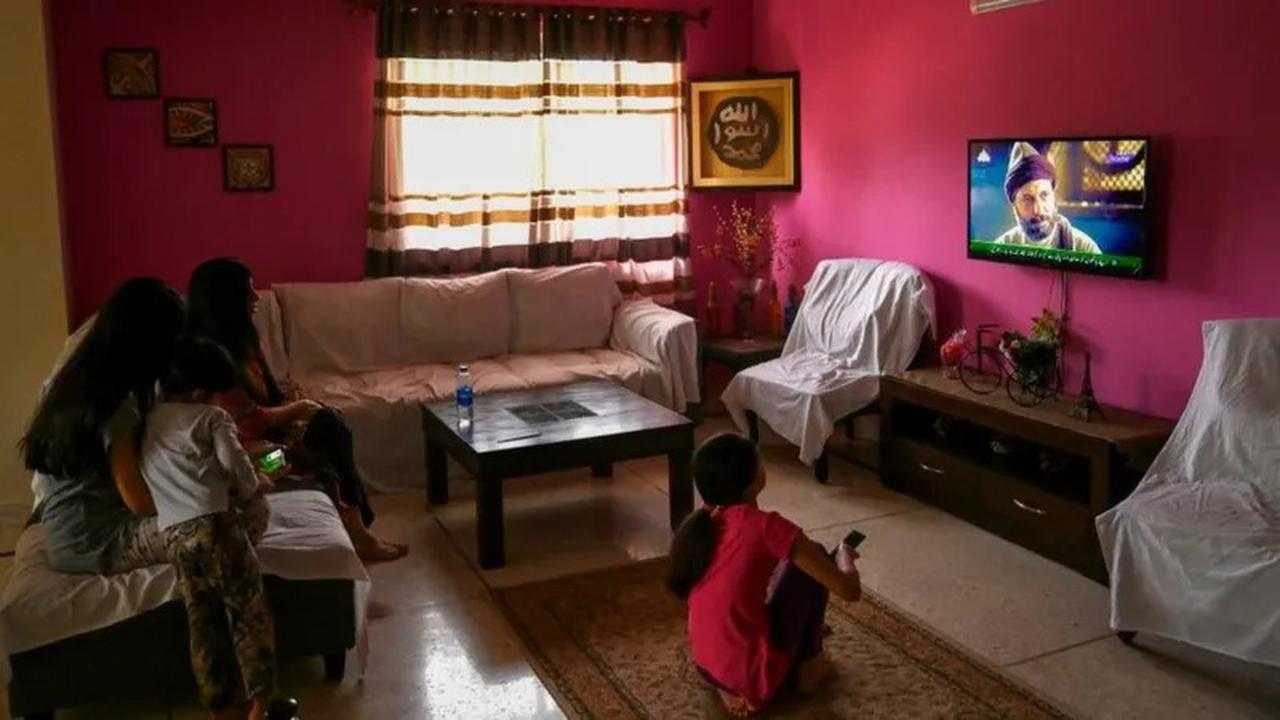
Here is where the story gets more interesting. Turkish dramas became a global phenomenon, and that success is now part of the debate.
Journalist Oya Dogan argued that series are increasingly made for foreign buyers rather than local viewers. The result, she said, is a screen full of Bosphorus mansions, glamorous couples and corporate holdings, with little room for ordinary life. “Nobody goes to a regular shop,” she said. She also called episodes running up to 160 minutes unsustainable.
Armagan Caglayan, a TV personality and producer, made a similar point on social media. He said the export-driven approach has produced repetitive storylines and inflated fees, and concluded: “I think the well is running dry.”
Dogan added a sharper warning. Many Turkish producers have started setting up companies in the Gulf and Latin America and filming there.
“Why would they buy series from us?” she asked. In her view, the foreign market that justified the high costs may not stay loyal to Türkiye.
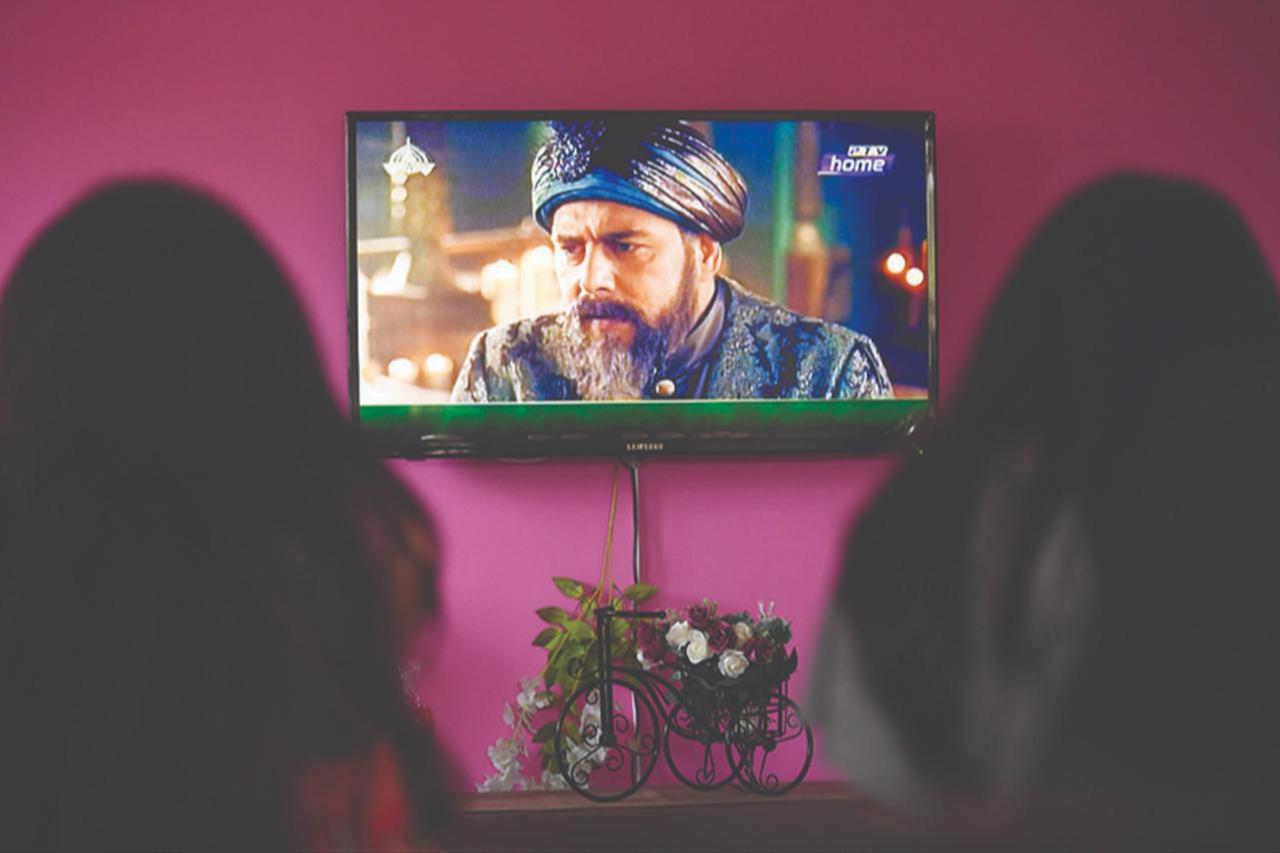
When budgets tighten, the spotlight turns to actors’ pay.
Producers have sought to curb costs by asking performers to accept pay cuts or forgo raises. Actors say that misses the point.
Ozge Ozpirincci said the sector supports thousands of people, so a pay cut for the leads will not fix it, and she rejected calling it a “sacrifice,” since gains and losses belong to everyone.
Burcu Biricik said million-lira salaries are limited to a handful of names and that the sector “will not be saved by money cut from actors.”
 1 min read

Similarly, Asena Tugal called the star’s earnings “a very small part” of the issue and said other actors are in a very difficult situation. Kaan Urgancioglu pointed to the people further down the call sheet, saying he knows things are hard for set workers.
So, what's the next scene in the scenario?
The industry is trying to answer that question itself. According to industry reports, networks have asked producers to cut production costs by 25%, and representatives of both sides have begun drafting a joint response.
Producers have reportedly countered with a plan that would cut episodes from as long as 140 minutes to 110, a change that would also end the use of second film crews, which many productions hire to finish episodes in time for weekly broadcast. That would save money, though it also means fewer jobs on set.
The reports say actor pay is next. Top earners have reached as much as ₺5 million a week, including bonuses, and industry representatives have reportedly agreed that such payments will no longer be covered. One option still under discussion would see networks and producers refuse to work with actors who do not accept the cuts.
Turkish dramas have survived plot holes, evil ex-lovers, and diseases. Whether they survive the budget is what we will find out in the next episode.


 Set as preferred source
 Set as preferred source


 1 min read