Newsletters


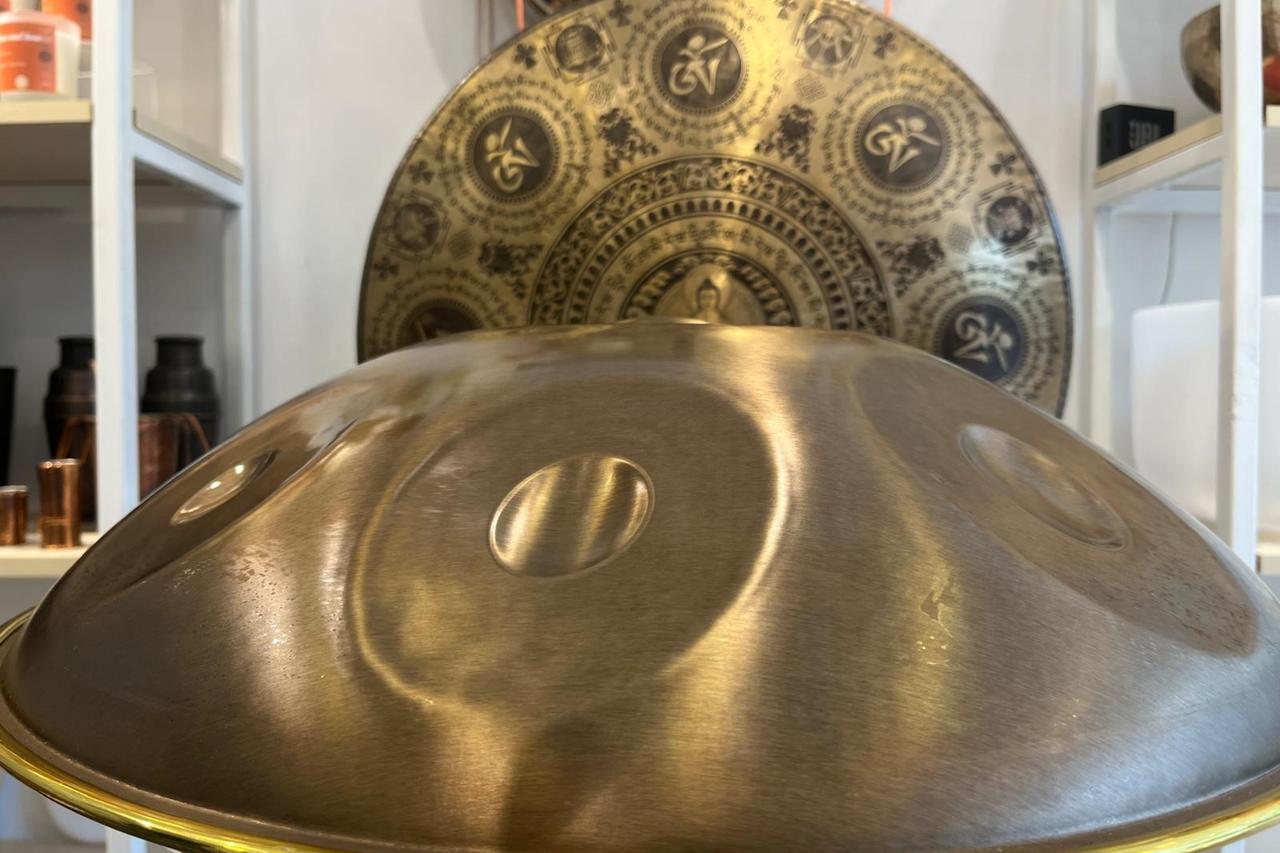


Sound healing traditions originating from Tibet and Central Asia are experiencing a resurgence as modern instruments and meditation techniques bring ancient practices into contemporary wellness culture. Utilizing specific sound frequencies, these therapies are designed to harmonize the mind and body, offering a scientifically informed approach to stress reduction and mental relaxation.
Yavuz Baskurt, a sound therapy practitioner, highlighted the growing interest in these methods, noting that instruments such as singing bowls, handpans, crystal bowls, gongs, and shaman drums play a central role in contemporary sessions.
“Each instrument has a unique frequency that positively affects human physiology and mental states,” Baskurt said.
“We often perform these sessions after yoga in a restorative posture, allowing participants to fully experience the calming vibrations.”

Also, he stated that sound therapy can influence brainwave activity, guiding participants through alpha, beta, and theta states, effectively creating a meditative experience between wakefulness and sleep.
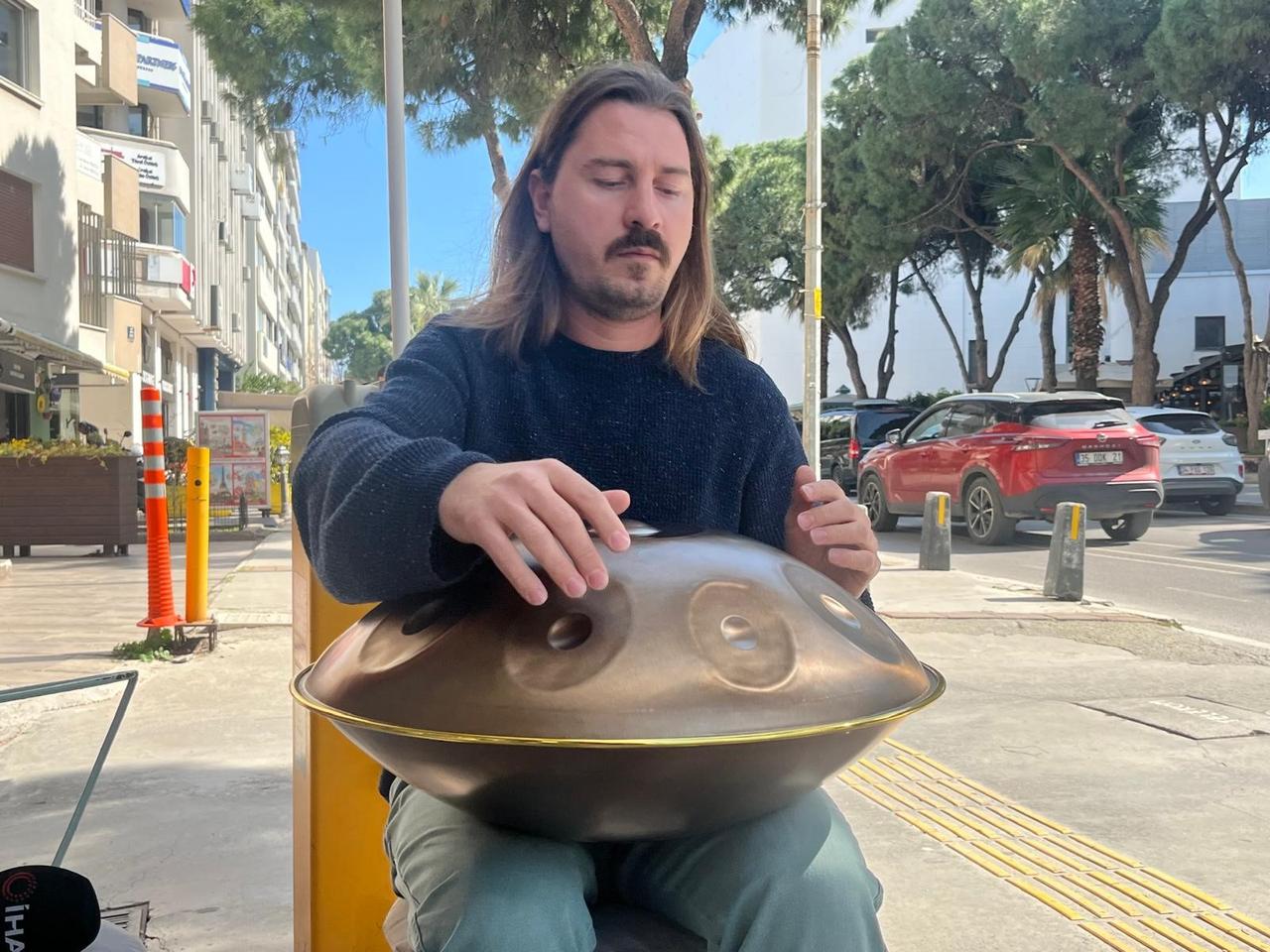
He emphasized the handpan’s versatility, noting that it has become a modern addition to traditional sound healing practices, capable of producing meditative and therapeutic effects.
In urban wellness programs, sound healing has become a preferred method for stress relief and mindfulness practice.
Participants often attend sessions in yoga studios, wellness centers, or specialized workshops, experiencing the calming effects of harmonious vibrations while disconnecting from urban chaos.
 1 min read
Modern instruments such as handpans and crystal bowls complement traditional Tibetan singing bowls, expanding the range of frequencies available for therapeutic sessions.
These tools enable practitioners to target different energy centers, or chakras, in the body, promoting balance, emotional stability, and a deeper sense of inner peace.
The sessions also aim to align the body’s seven energy centers, with lower chakras linked to foundational emotions like security and confidence, while upper chakras relate to expression, intuition, and spiritual connection.
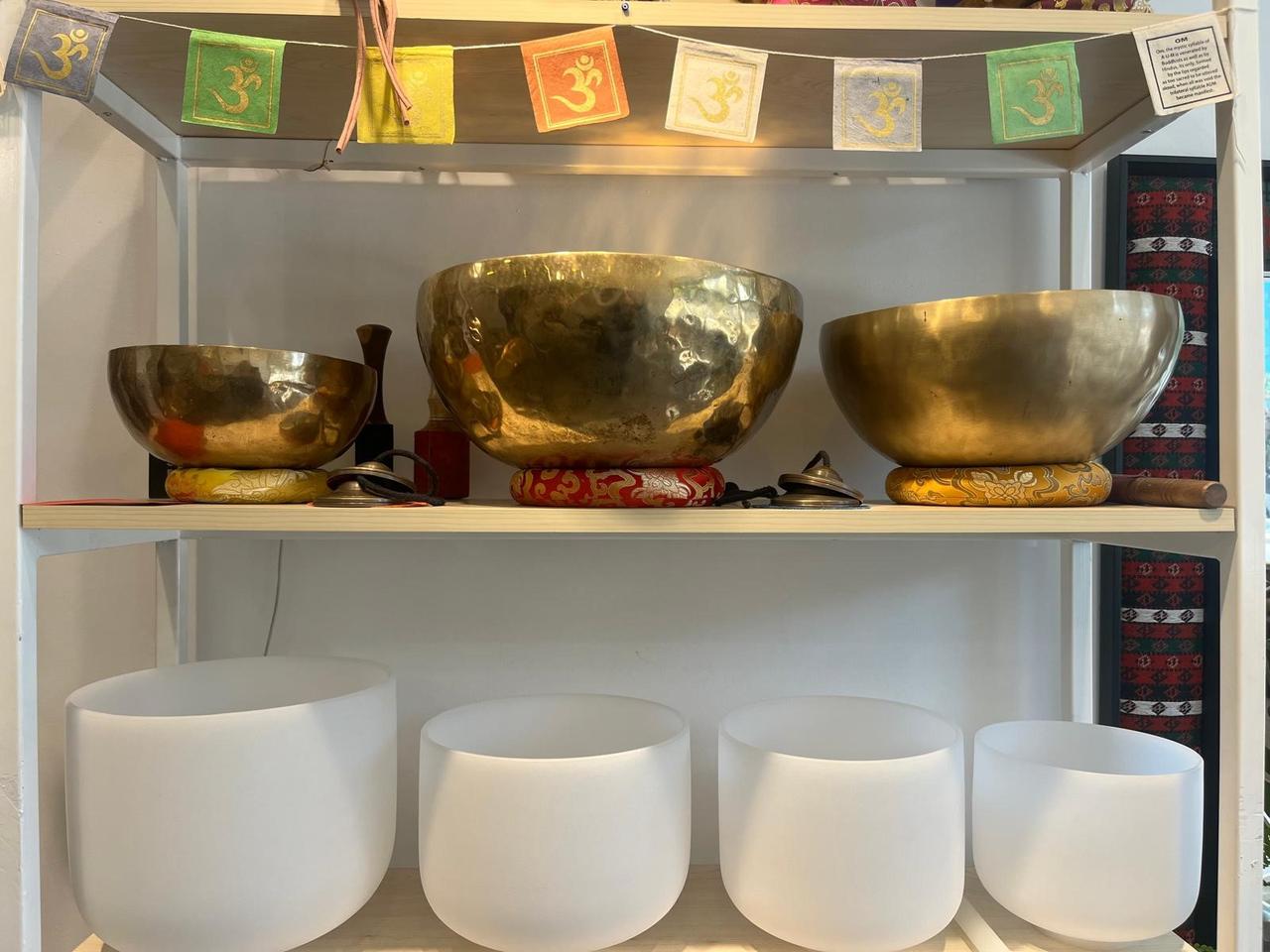
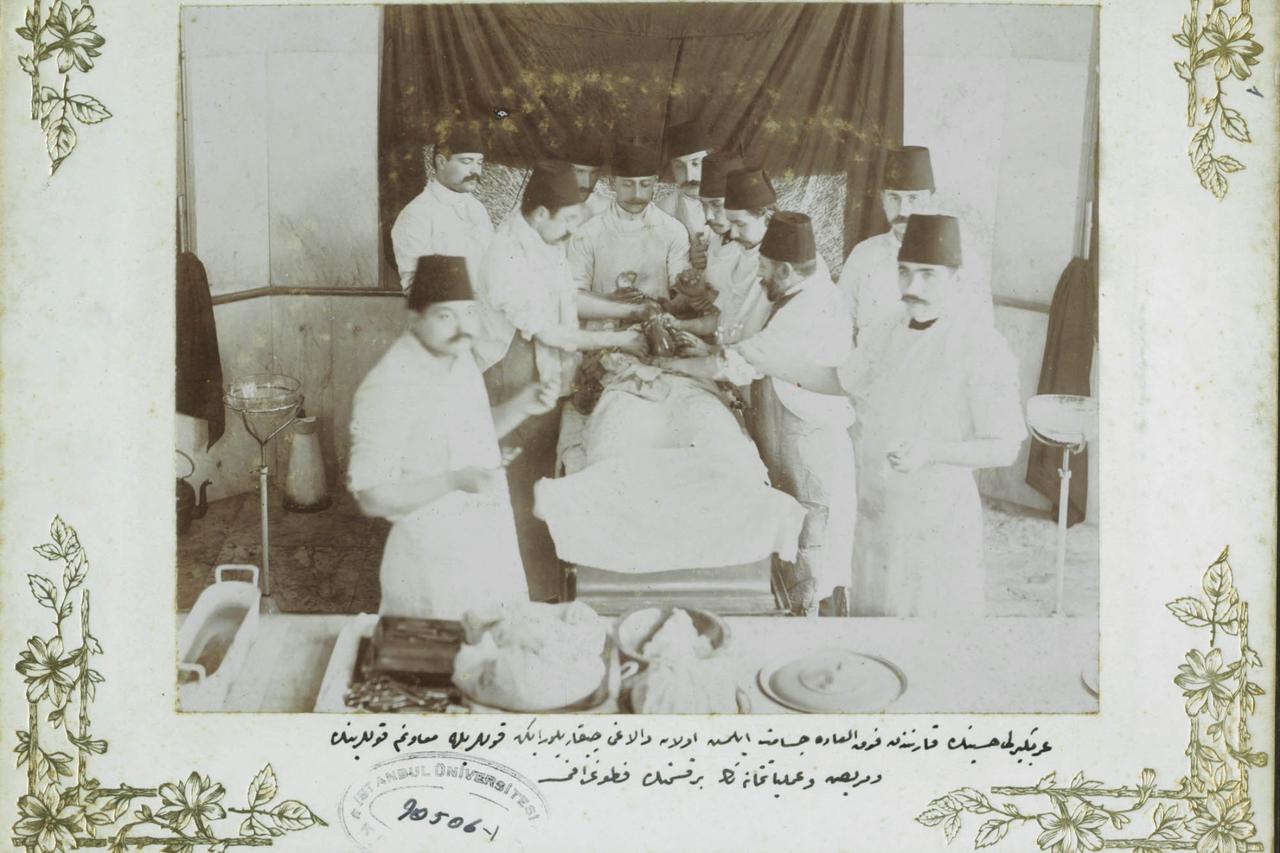
Historically, similar sound-based healing techniques were practiced during the Ottoman period, particularly in the Edirne region, where water and sound were combined for therapeutic effects.


 Set as preferred source
 Set as preferred source


 1 min read