Newsletters


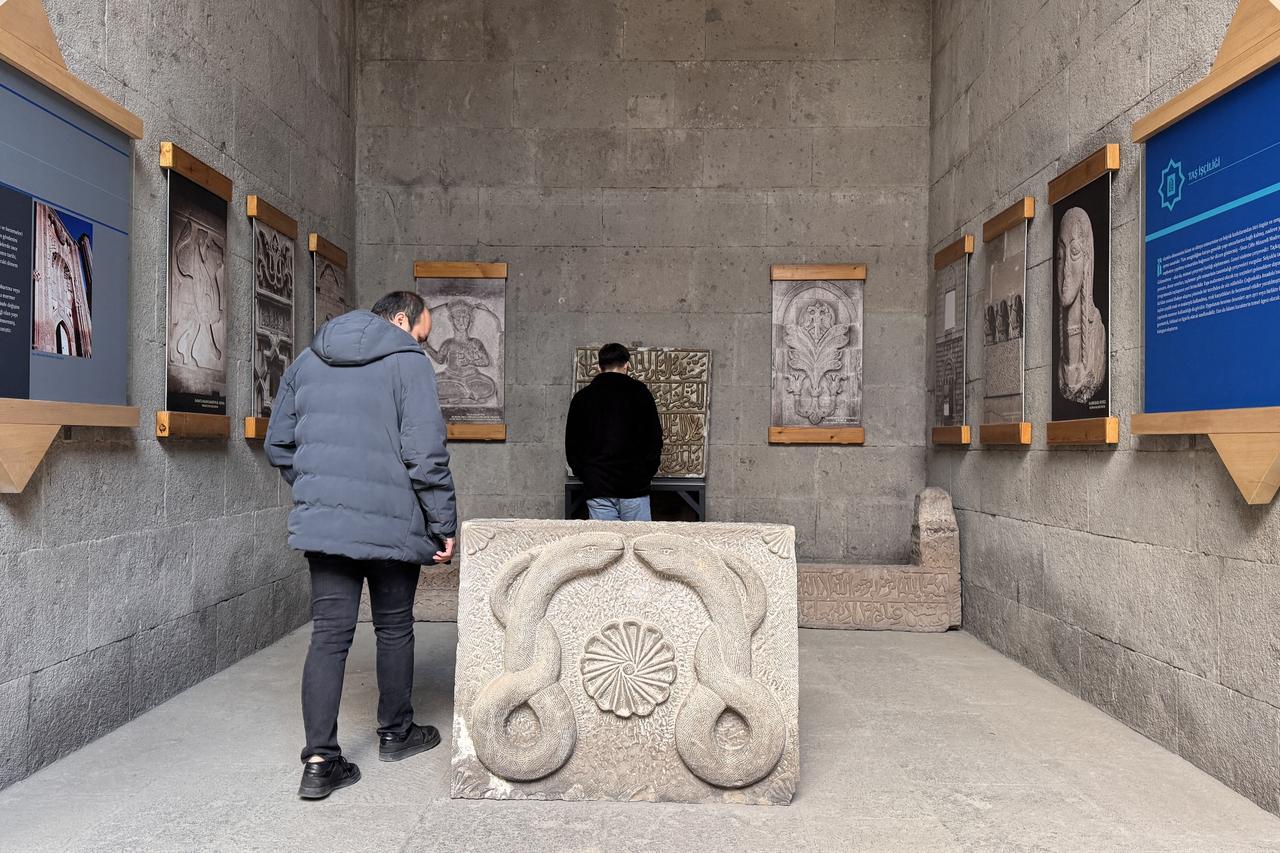


Standing for over eight centuries, the Gevher Nesibe Medical Complex is not just a historic building; it is a window into the Seljuk era’s groundbreaking approach to medicine and education.
Built in 1206 by Sultan Gıyaseddin Keyhusrev I in honor of his sister Gevher Nesibe Sultan, this pioneering institution combined cutting-edge medical training with hands-on patient care, long before such practices became standard in the modern world.
Today, it continues to inspire visitors in Kayseri as the Seljuk Civilization Museum, showcasing the remarkable vision of Anatolia’s first medical school.
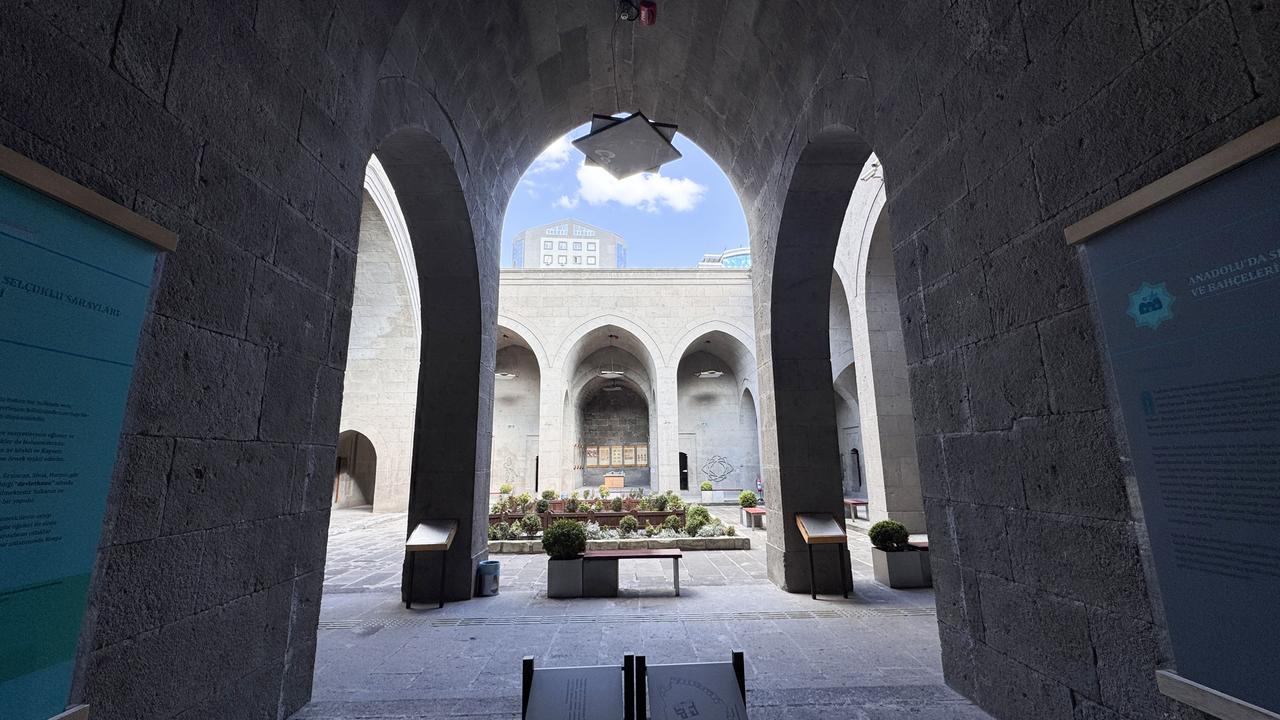

The complex, comprising two main buildings historically known as Cifte Medrese, Gevher Nesibe Darussifasi, and Gıyasiye Medresesi, uniquely combined medical education with patient care.
Students received theoretical instruction in the medrese while simultaneously applying their skills in the adjoining hospital, a model considered ahead of its time.
In addition to general medical care, the facility included specialized sections such as a bimarhane for the treatment of mental health patients using therapeutic methods like music and water, a pharmacy for preparing medicines, and a hamam for patient hygiene.
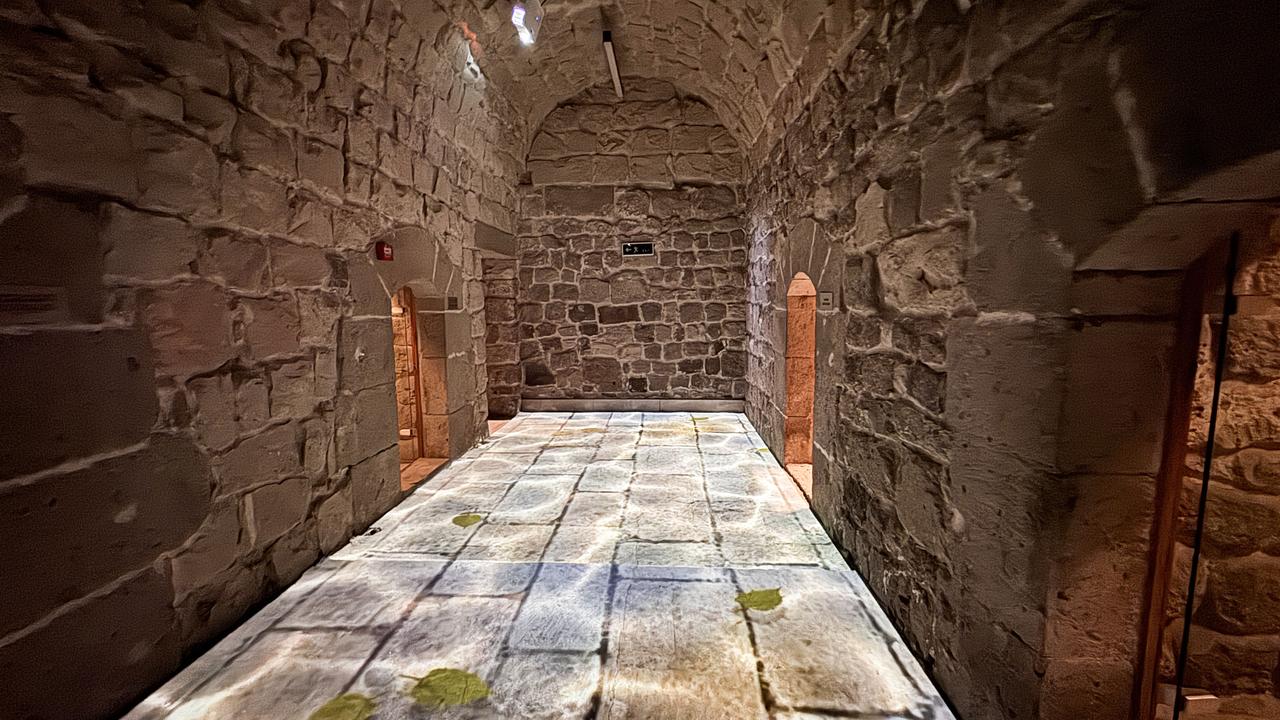
“Students were trained here not only in medicine but also in practical patient care, making the complex a center for both treatment and education,” said Sukru Dursun, director of the Kayseri Provincial Culture and Tourism.
“It is noteworthy that during the Seljuk period, mental illnesses were recognized as treatable conditions, which was not widely known elsewhere. This demonstrates the advanced understanding of healthcare at the time.”
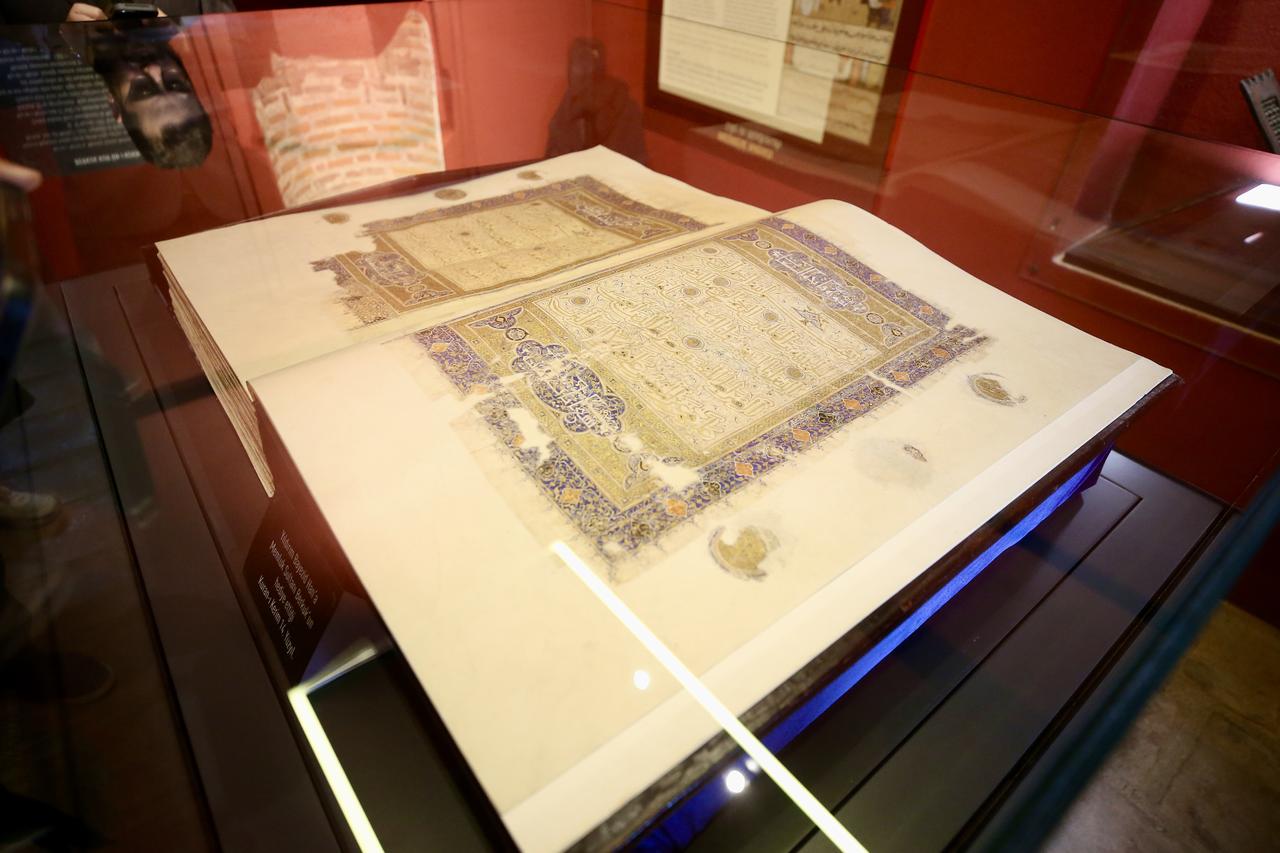
Historically, the Gevher Nesibe Medical Complex also played a leading role in the establishment of other medical schools and hospitals in Anatolia, producing physicians who contributed to the broader development of medical knowledge in the region.


 Set as preferred source
 Set as preferred source


 1 min read
 1 min read