Newsletters


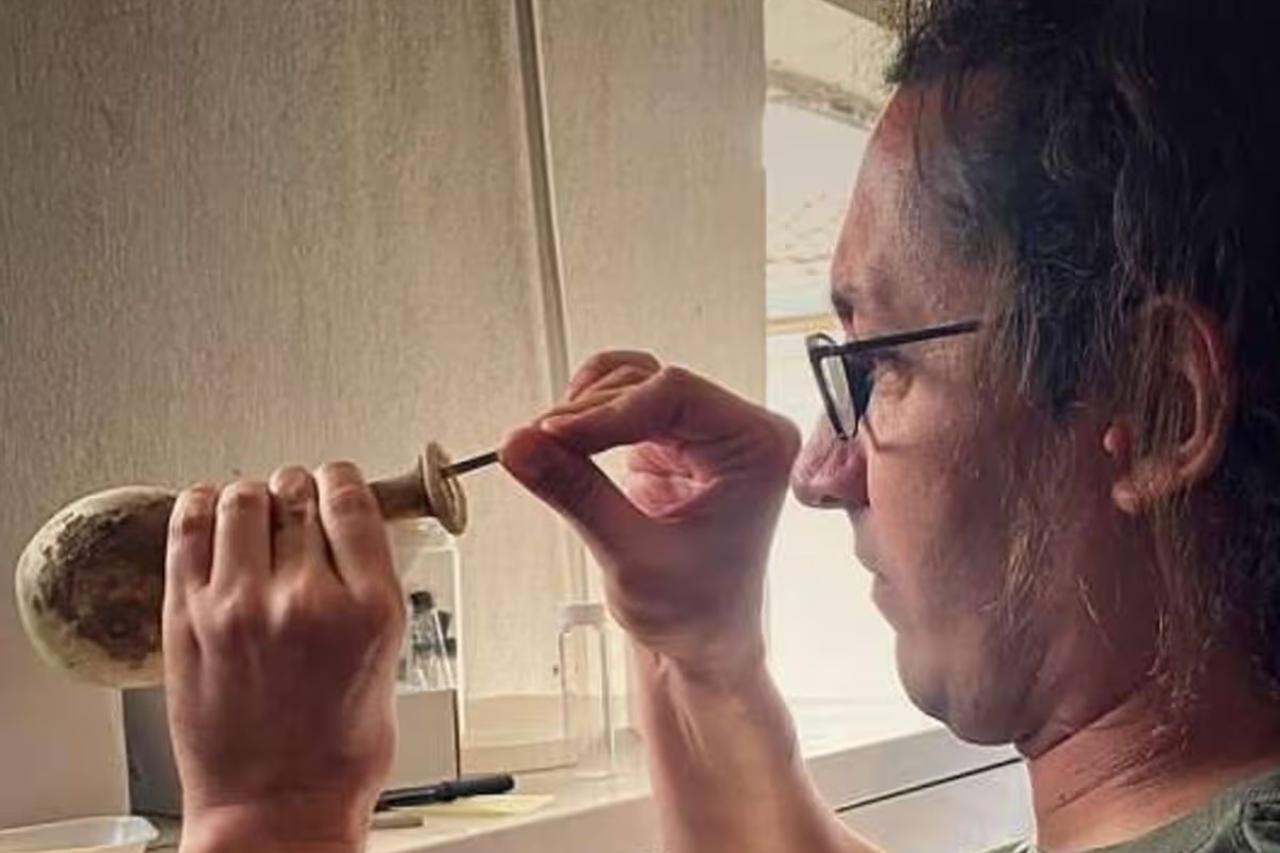


What was long dismissed as myth is now a scientific fact, as a discovery in Türkiye confirms that ancient Romans used human feces as medicine.
Archaeologists have discovered the first direct physical evidence that ancient Romans used human feces as medicine, after chemical analysis of a 1,900-year-old glass vessel found in western Türkiye.
Researchers identified chemical traces of human excrement inside a small Roman glass bottle uncovered in a tomb in the ancient city of Pergamon, today’s Bergama in Izmir province. The findings confirm historical accounts that describe feces-based remedies in Roman medical practice.
The study, led by archaeologist Cenker Atila of Sivas Cumhuriyet University and colleagues, was published in the Journal of Archaeological Science Reports.
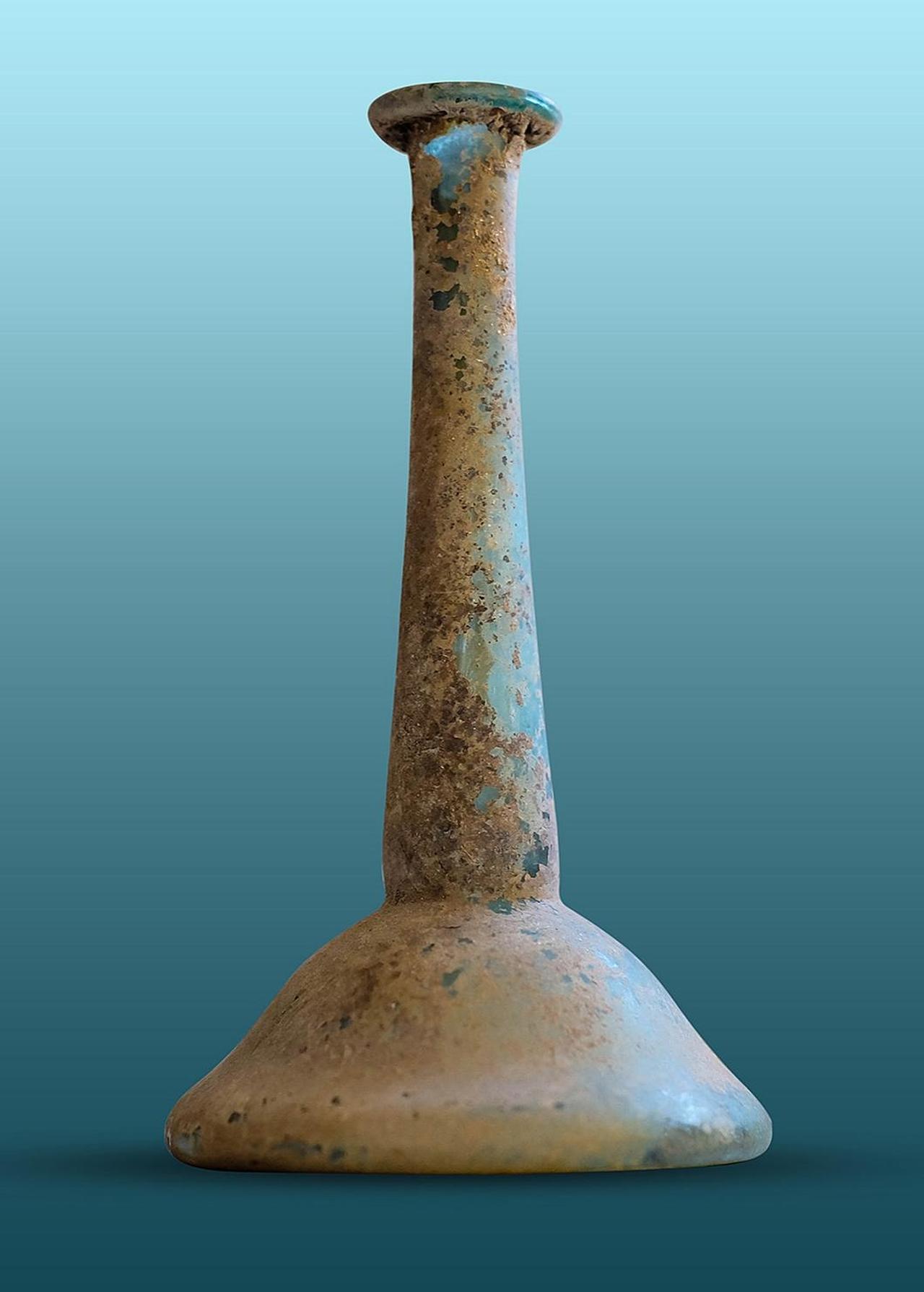

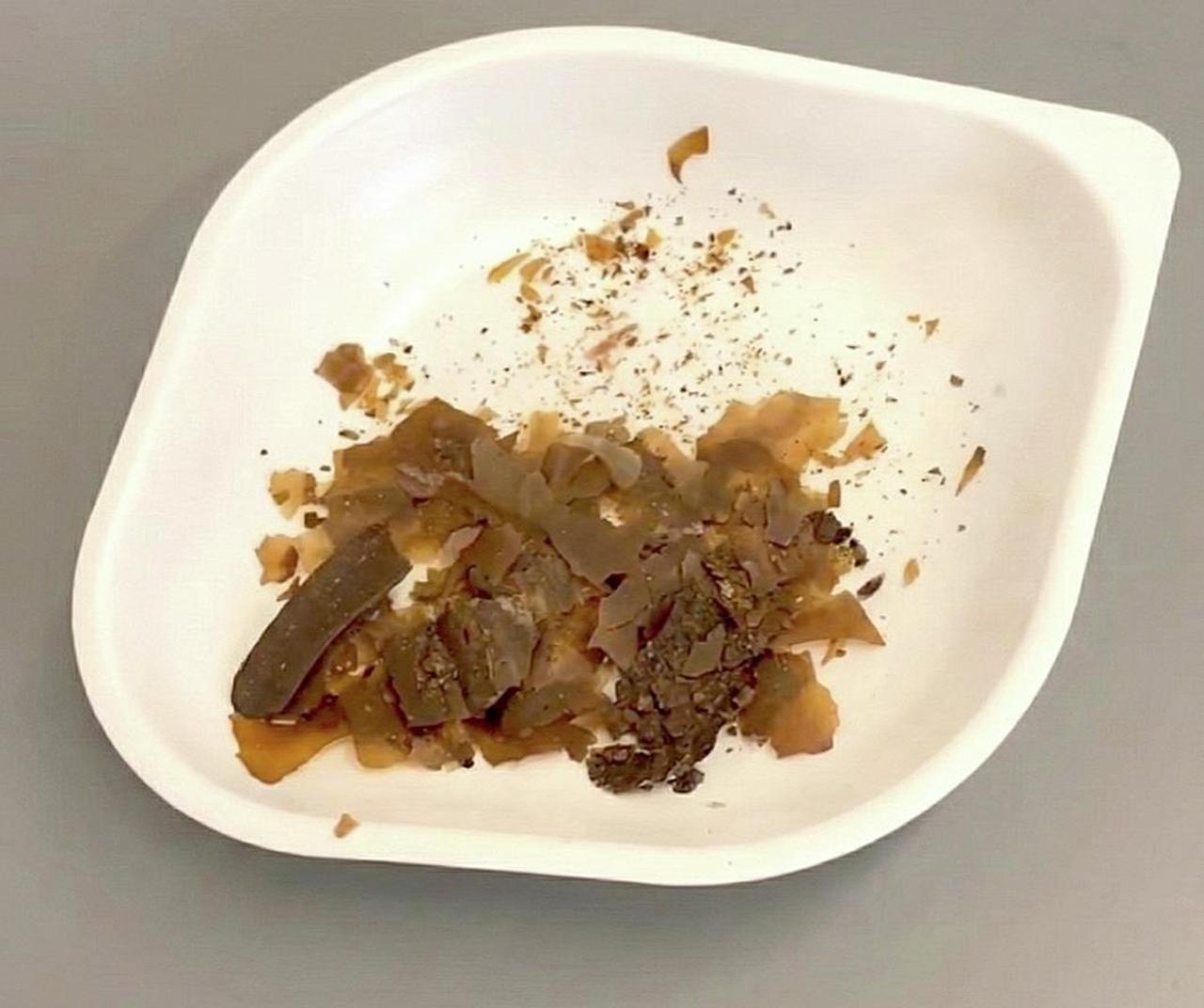
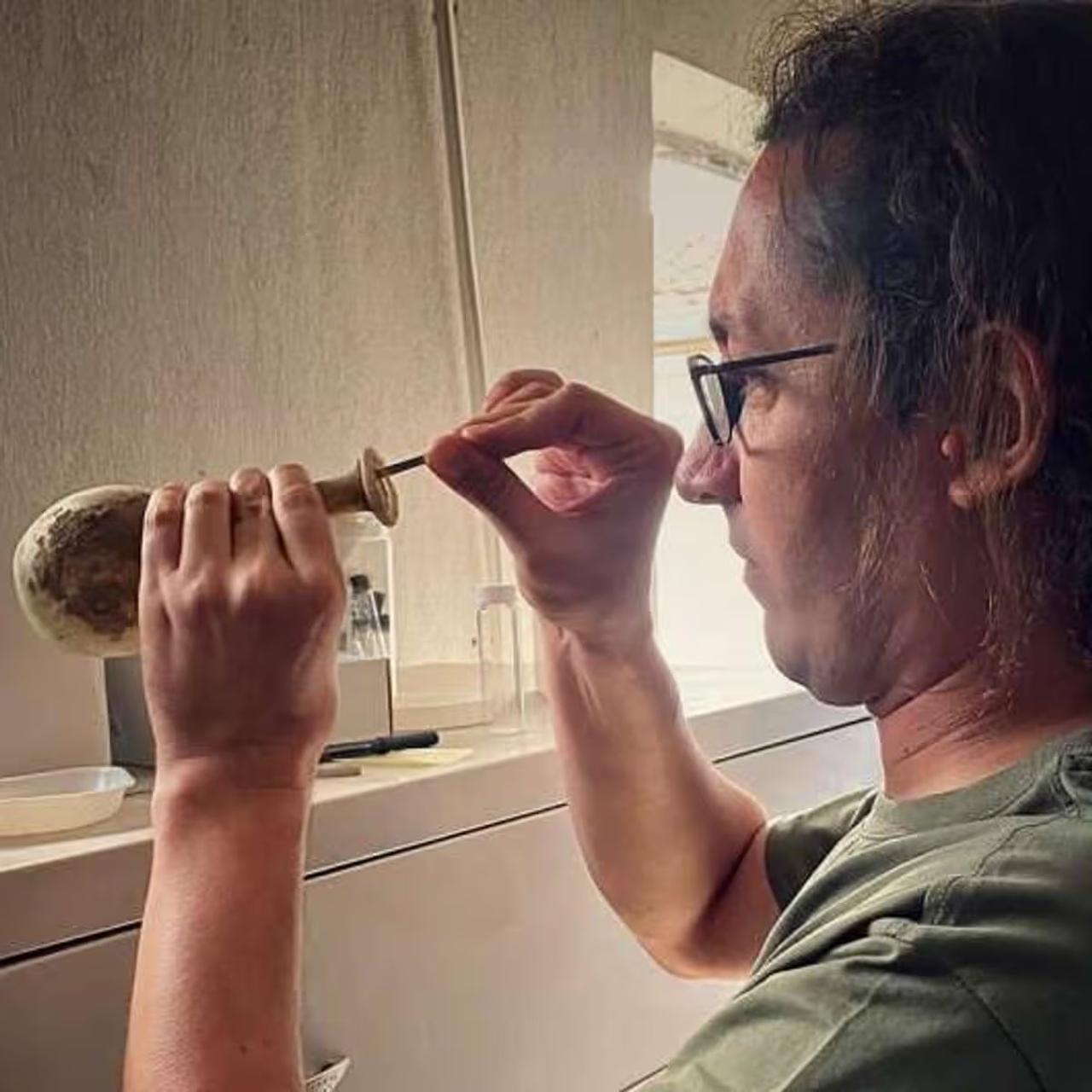
The long, narrow glass vessel, known in Roman times as an "unguentarium," typically held perfume or cosmetic products. When researchers examined residue inside the container, they identified dark brown flakes that chemical testing linked to fecal material.
Scientists used gas chromatography mass spectrometry to analyze the sample. They detected biomarkers commonly found in digestive systems, including coprostanol and 24-ethylcoprostanol, which strongly indicate the presence of feces. The ratio of these compounds suggests the material was human.
The analysis also revealed aromatic compounds derived from thyme. Researchers say the herb likely served to mask the smell and make the substance usable as a treatment.
According to Atila, the mixture aligns with ancient medical formulations described in classical sources.
“This study provides the first direct chemical evidence for the medicinal use of fecal matter in Greco-Roman antiquity,” the research team wrote.

The discovery carries particular significance because Pergamon was a major center of medicine in the Roman period.
It was also the home of the influential physician Galen, whose ideas shaped Western medical science for centuries.
Ancient texts show that physicians, including Hippocrates, Pliny the Elder, and Galen, recommended animal and sometimes human feces for therapeutic purposes.
These remedies were suggested for conditions such as inflammation, infection, and reproductive disorders.
Galen referred to fecal medicines numerous times in his writings and noted their therapeutic value, though he usually recommended animal sources.
Classical authors also described combining foul-smelling substances with herbs, wine, or vinegar to improve their use.
Researchers say the find confirms that such remedies were not only theoretical but were actually prepared and applied.
The study suggests the substance may have been used as a topical treatment applied directly to the body or as part of what researchers describe as “olfactory pharmacology,” in which airborne compounds affect the body through smell receptors.
The authors note that boundaries between medicine and cosmetics were unclear in antiquity. Ancient ointments often combined elements of healing, hygiene, and ritual practice.
“Ancient sources make clear that the boundaries between cosmetic and medicinal usage were fluid,” the researchers wrote.
Similar feces-based treatments continued into the Middle Ages before largely disappearing by the 18th century, partly due to concerns about disease-causing pathogens.
In fact, although the idea may seem unusual today, modern medicine continues to study the therapeutic potential of fecal material.
Properly screened fecal transplants are now used experimentally to treat certain illnesses by restoring gut bacteria.
Researchers note that while such procedures can show promising results, they also carry risks and require careful regulation.
The newly analyzed Roman vessel provides rare physical confirmation of a practice long described in ancient medical texts and offers new insight into how early societies approached disease, hygiene and treatment.


 Set as preferred source
 Set as preferred source



 3 min read