Newsletters





Global tourism faces a structural redistribution in 2026.
Travelers clearly prioritize safety and political stability over competitive pricing. The United Nations World Tourism Organization reports that international arrivals recently surpassed 1.3 billion.
People actively avoid the Middle East and eastern Mediterranean regions due to ongoing conflicts. This behavioral shift pushes massive demand toward safe-haven economies. Southern Europe and Western Europe naturally absorb this redirected tourist flow.
Türkiye maintains a highly resilient position alongside the Schengen area despite bordering several nations currently in turmoil.


Spain and Portugal report massive booking surges ahead of the late spring and summer seasons.
Industry data clearly shows travelers retreating from war-affected destinations. Sylvia Weiler serves as the general manager for global destinations at Sojern.
She told Reuters that "travellers are adapting rather than retreating." This adaptation translates into record-breaking numbers for stable nations.
Industry group Exceltur upgraded its tourism growth projections for Spain following these trends. Exceltur expects the Spanish tourism sector to generate €227 billion this year and outpace overall national economic growth.
Exceltur Vice President Oscar Perelli noted that a significant part of this safe-haven effect already materializes in purchases and bookings to Spain.

Many international observers misinterpret the actual scope of regional conflicts by applying broad risk assessments.
Türkiye spans over 783,000 square kilometers across Europe and Asia.
Major tourism hubs like Istanbul, Antalya, and the Aegean coast sit hundreds of miles from localized friction points near the southeastern borders.
Western governments recognize this physical reality in their official travel advisories. The United States State Department maintains a Level 2 travel advisory for most of Türkiye. This classification matches the exact security tier that the department currently assigns to France and Italy.
The United Kingdom Foreign Office restricts its specific travel warnings strictly to a 10-kilometer radius of the Syrian border.
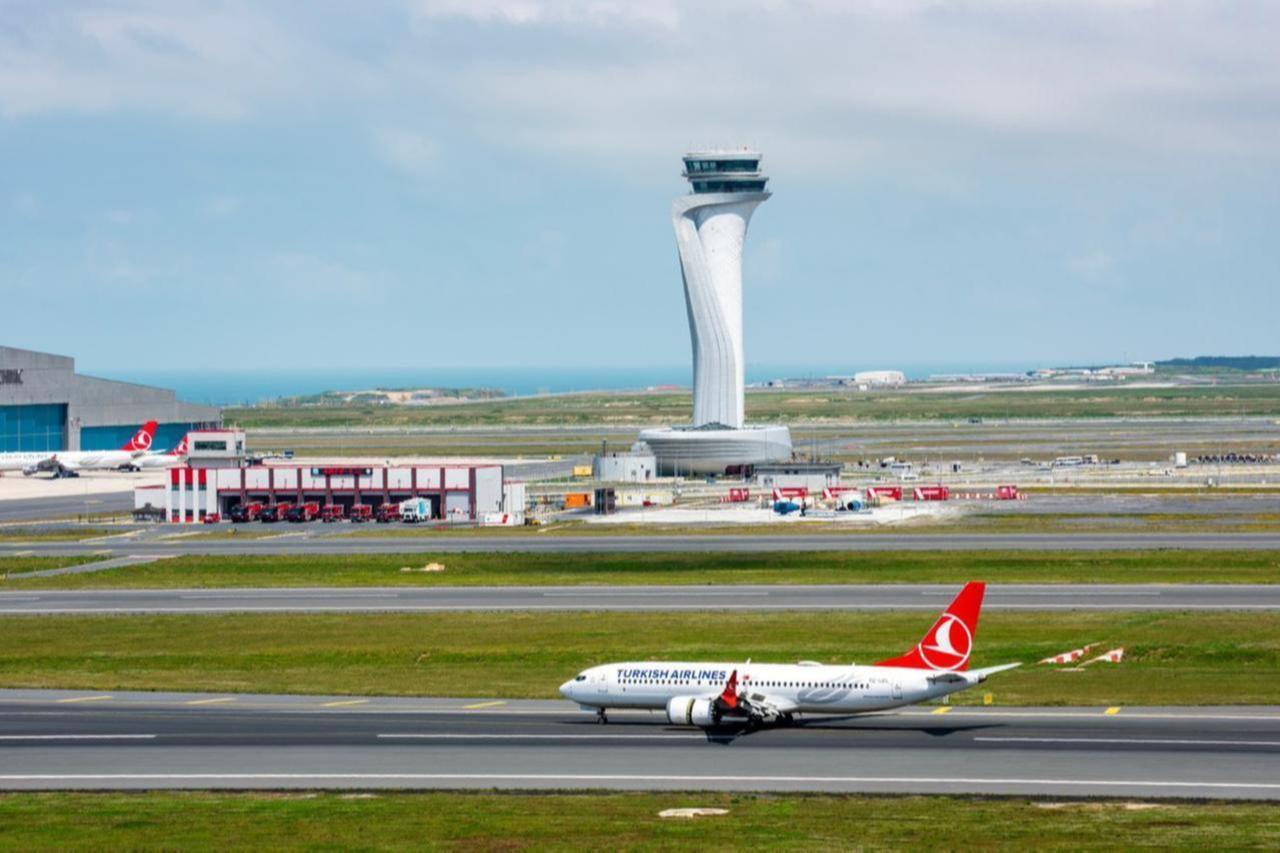
Tangible tourism statistics demonstrate remarkable growth in Türkiye despite the regional disputes.
The Turkish Tourism Promotion and Development Agency reported a 16 percent year-on-year increase in British holidaymakers this March. The Independent noted that UK visitor numbers jumped 64 percent in the final week of March alone.
Agency general manager Sinan Seha Turkseven highlighted this momentum to The Independent. "British travellers have made their verdict clear," Turkseven stated. He added that British holidaymakers clearly know Turkish holiday destinations remain open, welcoming, and spectacular.
Online travel agency "On the Beach" recorded a 160 percent increase in bookings to Türkiye during that same late March period.
Aviation authorities also proactively insulate the tourism sector from neighboring conflicts. National carriers like Turkish Airlines and Pegasus canceled routes to Iran and Iraq.
Pegasus officially extended these cancellations through May 1 to keep commercial flights completely clear of contested airspace.

Domestic political consensus acts as a robust security guarantee for international visitors.
The Turkish government maintains a strict and non-interventionist approach to the current regional war. A March 2026 Metropoll survey highlights this domestic demand for peace.
This overwhelming public rejection of foreign entanglement prevents retaliation and keeps metropolitan centers highly secure.
Ankara actively balances its NATO obligations with a firm refusal to let its territory become a launchpad for broader regional escalation. The Ministry of National Defense publicly confirmed that all military measures remain strictly defensive.
Tourists evidently recognize the success of these strategies.
Travel data proves that both the Schengen area and Türkiye stand as definitively viable options in the current risk-based travel economy.


 Set as preferred source
 Set as preferred source



 2 min read