Newsletters


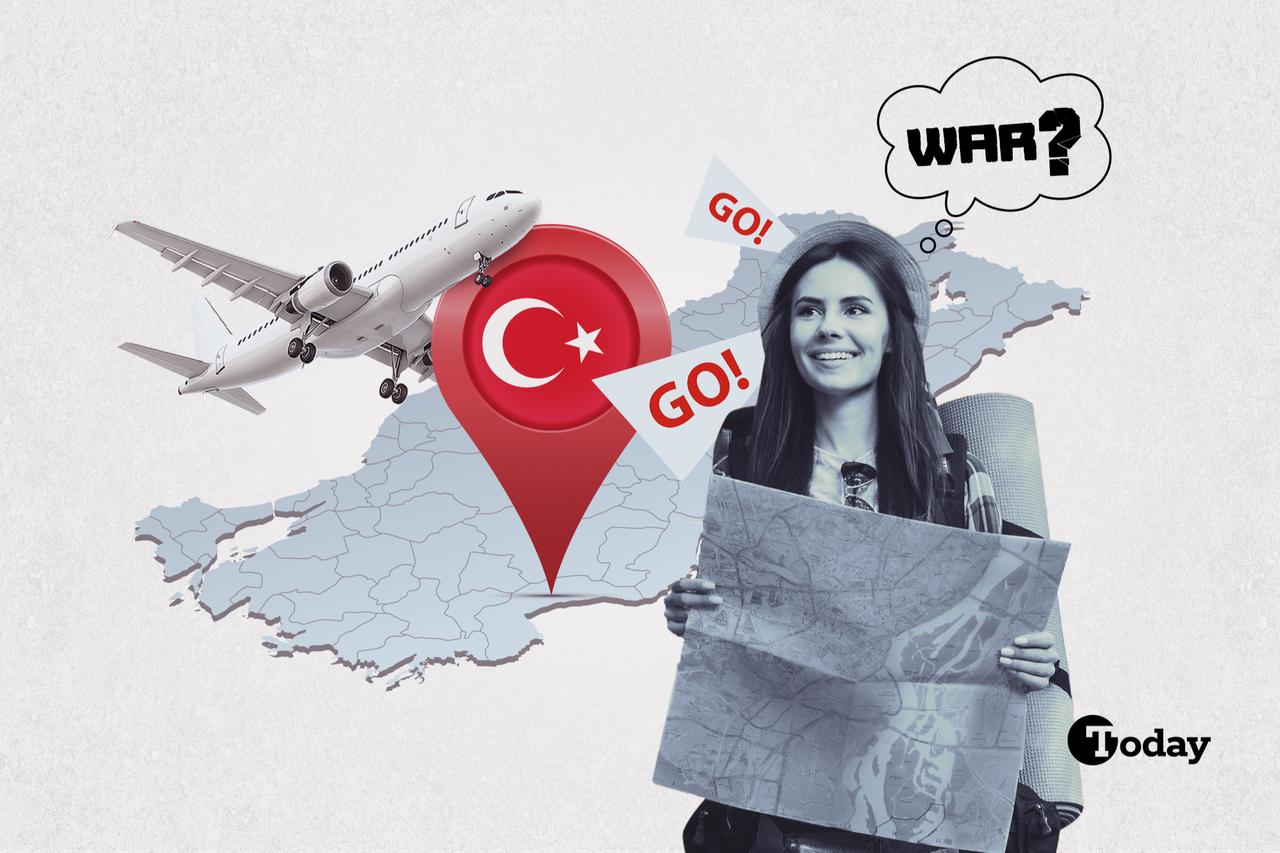


It is easy to look at a map of Türkiye's immediate neighborhood right now and panic.
International headlines thrive on painting entire regions with broad strokes of instability and danger. Travelers and investors frequently misinterpret the actual scope of regional conflicts because nuanced geography rarely makes it into a breaking news ticker.
Türkiye currently shares borders with nations engulfed in severe geopolitical tension, but assuming the entire transcontinental nation is an active war zone lacks basic political and spatial logic.
Hard data and physical reality paint a different picture for anyone assessing safety in April 2026.
Geopolitics rarely offers guarantees, yet current evidence shows that Türkiye offers a secure environment for visitors. The conflict remains strictly localized. Meanwhile, the government enforces rigorous neutrality, and tourism infrastructure operates independently from border friction points.
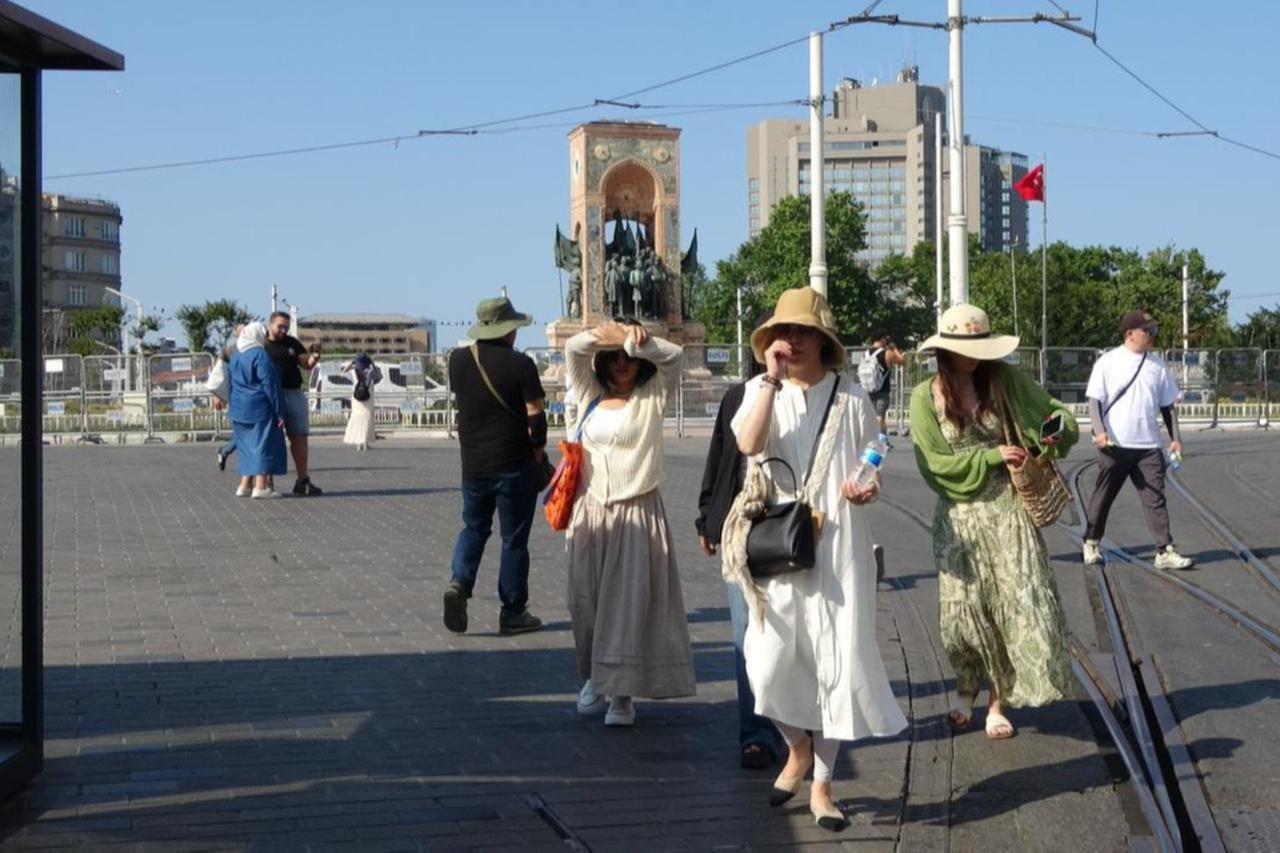

Evaluating the actual physical map provides necessary context before adopting sweeping assumptions.
The country spans over 783,000 square kilometers, bridging the continents of Europe and Asia. So, applying a singular risk assessment to this massive landmass oversimplifies a highly nuanced situation.
Foreign ministries recognize this reality and draw very specific lines that the general public often ignores.
Western governments understand perfectly well that the risk is hyper-localized.
The U.S. State Department maintains a baseline Level 2 "Exercise Increased Caution" rating for the vast majority of the country. This is the exact same security rating currently assigned to major European destinations like France, Italy, and the United Kingdom.
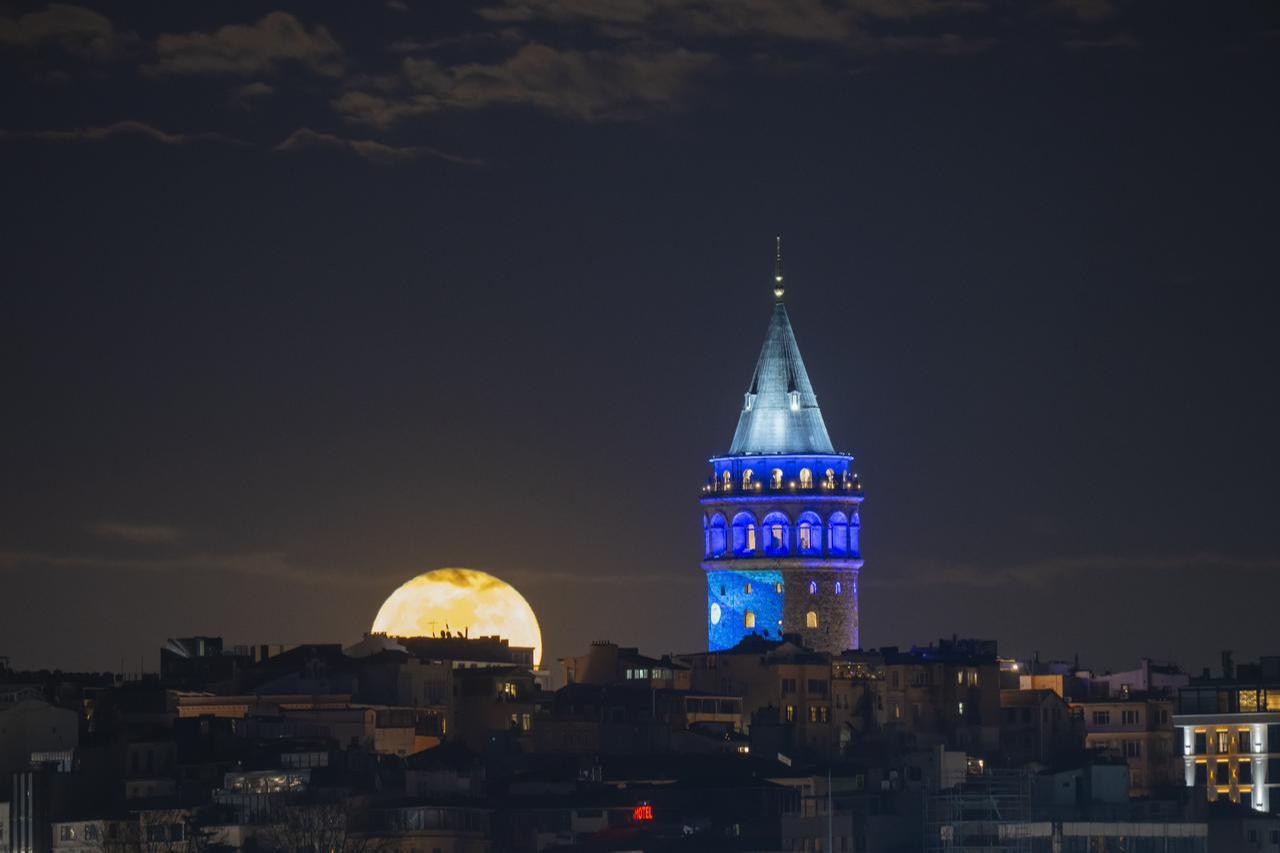
Western tourist hubs and commercial centers operate in a completely different reality.
Tourism hubs like Istanbul, the Aegean coast, Cappadocia, and the Turkish Riviera sit hundreds of kilometers west of these restricted border zones. For context, a direct flight from Istanbul to Hakkari takes well over two hours.
Physical distance alone neutralizes the threat of regional spillover.
Tourists lounging in Antalya or conducting business in Izmir are geographically closer to Athens or Rome than they are to any active military zone.
Border incidents certainly occurred during this recent escalation between the United States and Iran.
NATO defense systems intercepted four projectiles near the southeastern border between late February and the end of March.
Ankara immediately implemented robust preventive measures to secure the airspace over these specific military and border regions.
On the other hand, Iran has never claimed these projectiles targeted Türkiye intentionally.
So, the country is not an active participant or an intended target in this ongoing dispute. Authorities deployed a Patriot air defense system in Malatya on March 10 specifically to protect the Kurecik Radar Station.
Defense mechanisms remain entirely focused on protecting borders and fulfilling defensive obligations, not engaging in offensive regional operations.
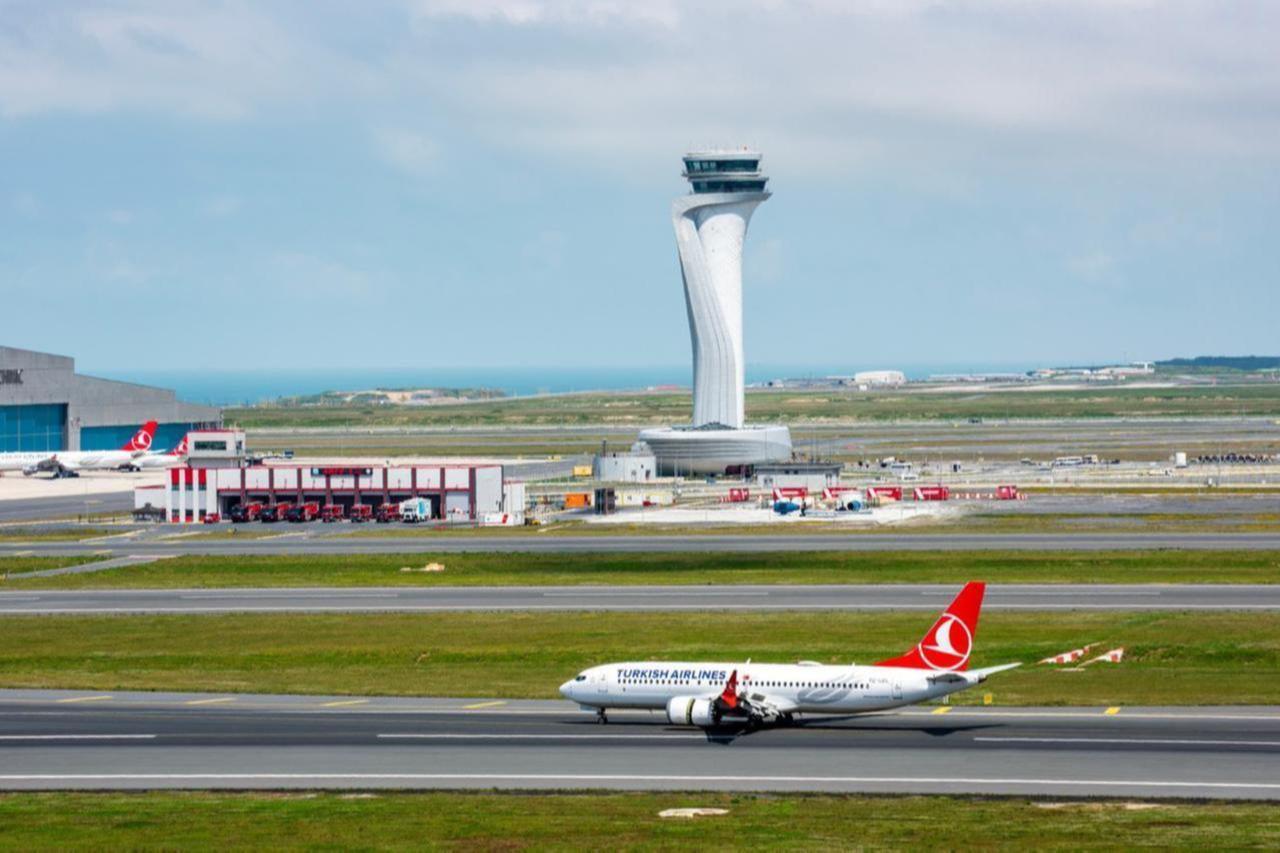
Commercial airlines have also taken aggressive, proactive logistical steps to eliminate passenger risk.
National carriers like Turkish Airlines and Pegasus proactively suspended routes to neighboring conflict zones such as Iran, Iraq, Syria, Lebanon, and Jordan during the initial escalation in March under the direction of Transport and Infrastructure Minister Abdulkadir Uraloglu.
Carriers continue to extend these safety measures, with Pegasus officially canceling flights to high-risk regional destinations like Iran, Iraq, and Lebanon through May 1.
Cutting these flight paths ensures that commercial aviation never intersects with contested or dangerous airspace. Major transit hubs in Istanbul, Antalya, and Izmir continue completely normal, uninterrupted operations.
Millions of passengers pass through these airports weekly. The tourism sector remains heavily insulated because aviation authorities absolutely refuse to take chances with international flight paths. Security protocols are stringent, preemptive, and actively enforced today.
The tourism sector remains heavily insulated because aviation authorities seem determined not to take any chances with international flight paths.
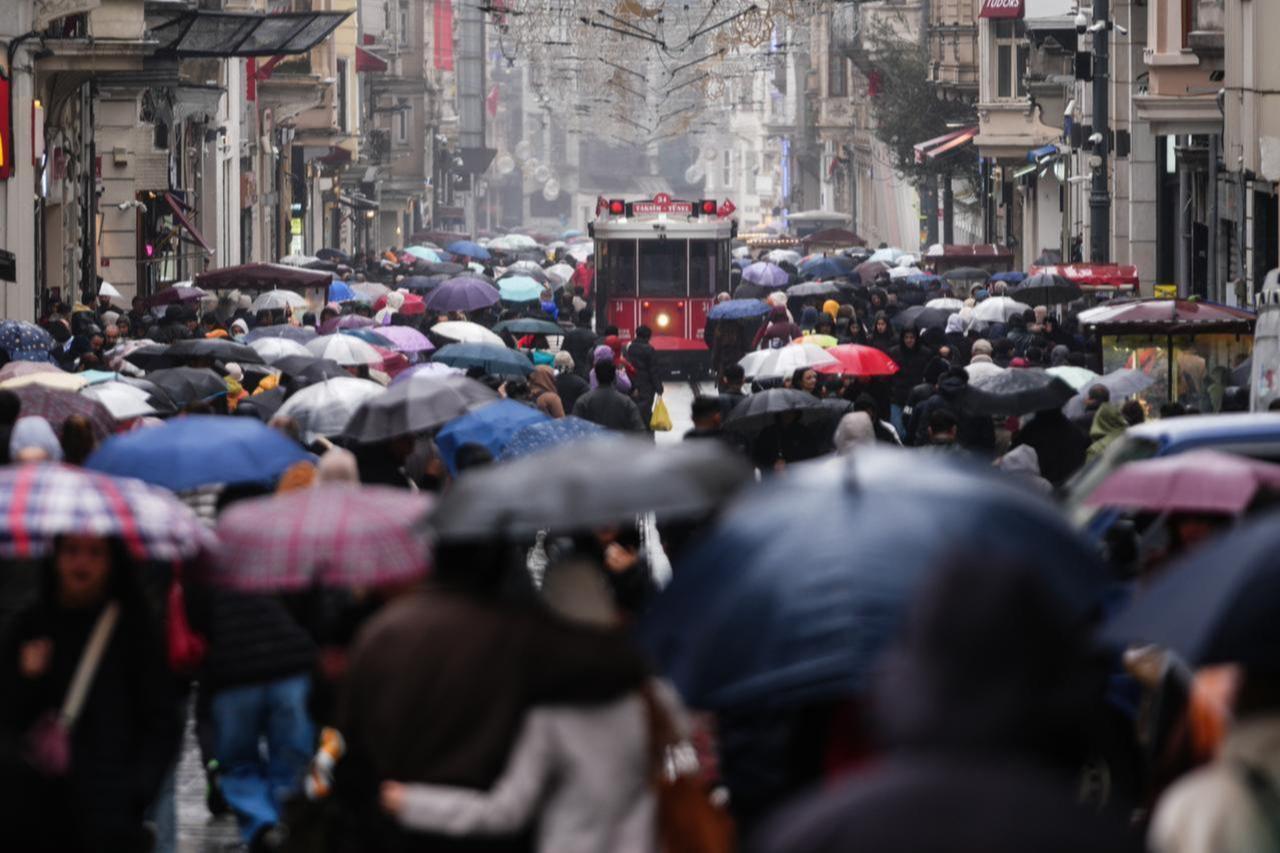
Security relies on political posture just as much as it relies on physical distance.
Domestic consensus across the country dictates a strict, unwavering non-interventionist approach to the current war. Citizens overwhelmingly demand that Ankara stay completely out of the crossfire.
According to a March 2026 Metropoll survey regarding Türkiye's stance in the U.S.-Iran war:
These data point to a massive public rejection of foreign entanglement, as citizens are not in favor of military intervention.
Public opinion heavily discourages any military adventurism that could invite retaliation. Commitment to NATO remains stable, with 61% of citizens affirming the alliance is important for national security.
Ankara actively balances its NATO obligations with a firm refusal to let its territory become a launchpad for broader regional escalation.
The Ministry of National Defense publicly confirmed that all military measures taken are strictly defensive. Refusing to pick a side in this conflict keeps the streets calm, the borders managed, and the economy moving forward.
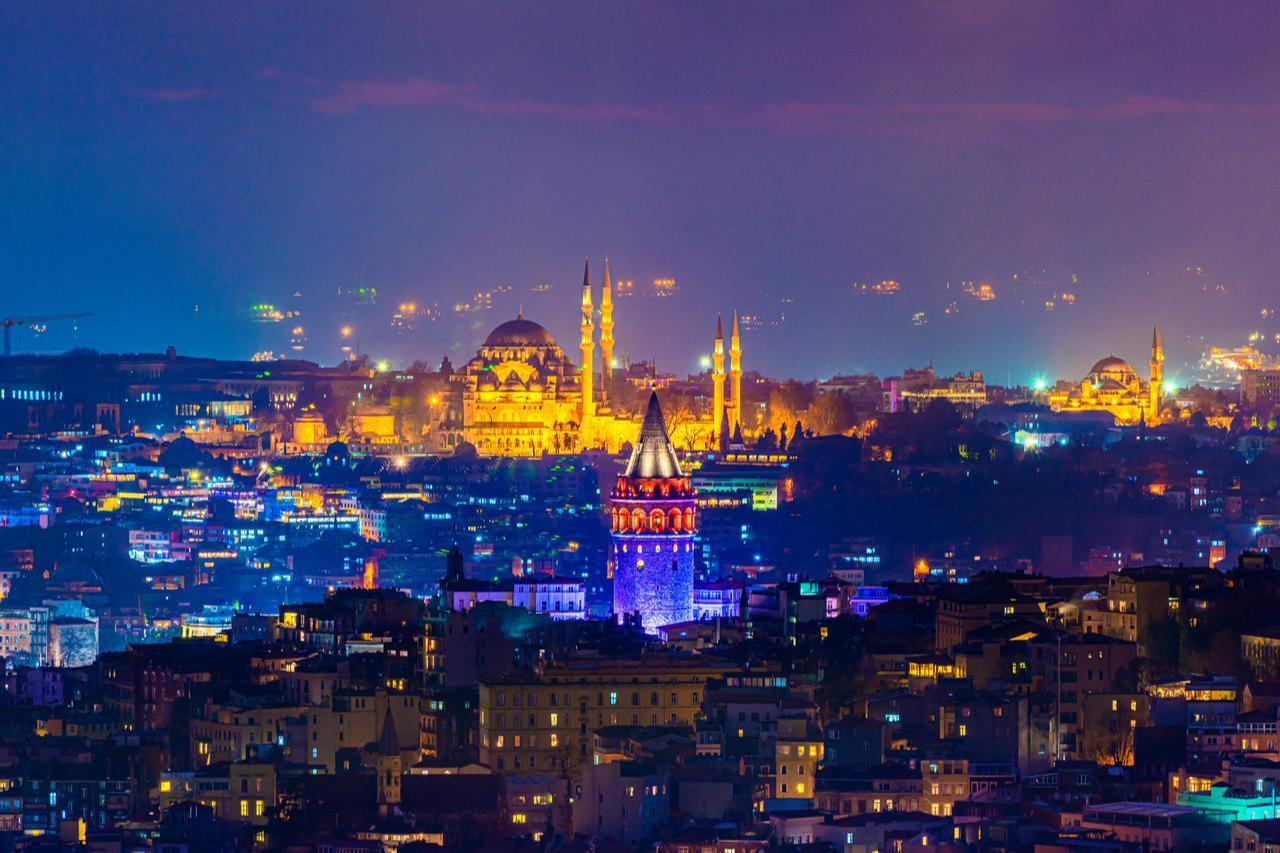
The short answer is that all the arrows point to yes.
However, since fear always serves as a poor substitute for factual analysis, travelers and international investors must evaluate risk based on hard data rather than generalized geopolitical anxiety.
The conflict dominating current international headlines remains geographically isolated from the areas that drive the Turkish economy and the tourism sector.
Proactive defense measures, sweeping aviation precautions, and a rigid political commitment to neutrality and even behind-the-scenes mediation have created a highly secure environment in the country, especially in the western and central regions.
Türkiye is vast, and its metropolitan centers continue to thrive far beyond the reach of neighboring disputes. Relying on physical maps and concrete statistics proves that the country remains highly secure and entirely viable for visitors today.


 Set as preferred source
 Set as preferred source


 4 min read