

 Newsletters


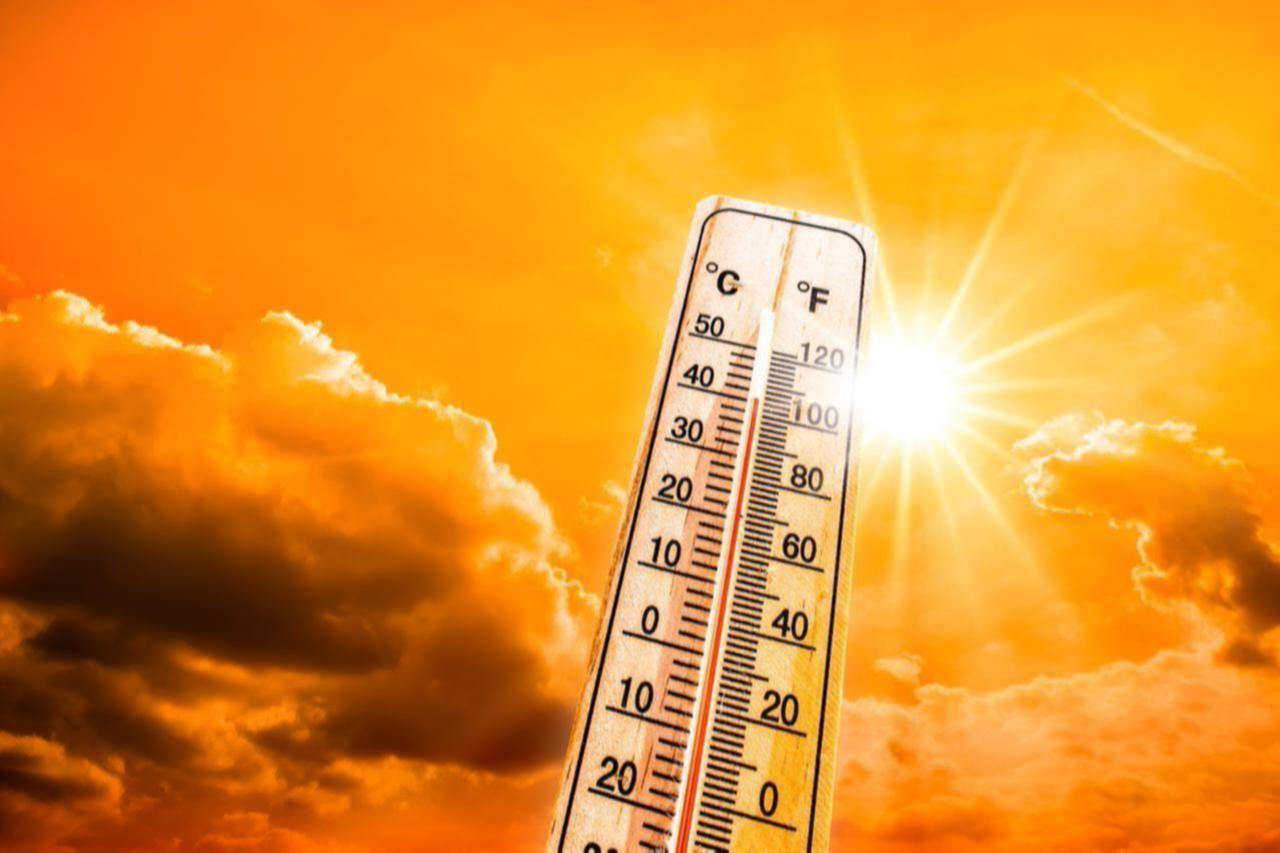


Global temperatures could climb by roughly 3.25 degrees Celsius by the end of the century if current policies remain unchanged, a scenario that would make Switzerland's most severe official climate projection increasingly likely, according to new research conducted jointly by scientists from Switzerland and Germany.
The study, conducted by researchers at ETH Zurich and Leipzig University, suggests that previous climate projections may have underestimated future warming, Swissinfo reported Tuesday.
"For any emission trajectory without immediate and drastic emission cuts, we expect warming to be 25% higher," said Gergana Gyuleva, a doctoral researcher at ETH Zurich and lead author of the study. "What happens in a 3°C world isn't changed by our results. Our results only change how soon or how likely this 3°C world becomes," she said.
The findings have particular implications for Switzerland, which is warming faster than the global average. A world that is 3°C warmer than pre-industrial levels would translate into roughly 4.9°C of warming in Switzerland.
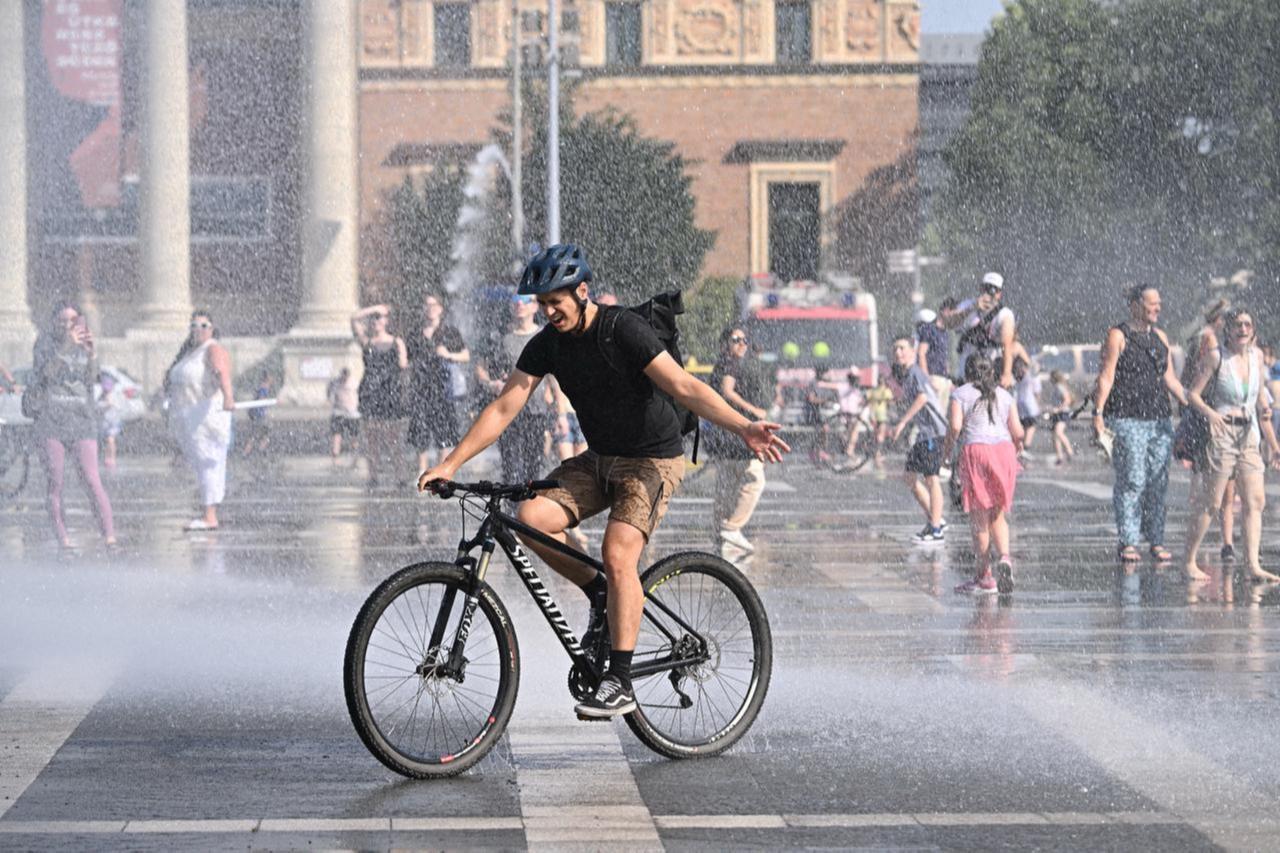
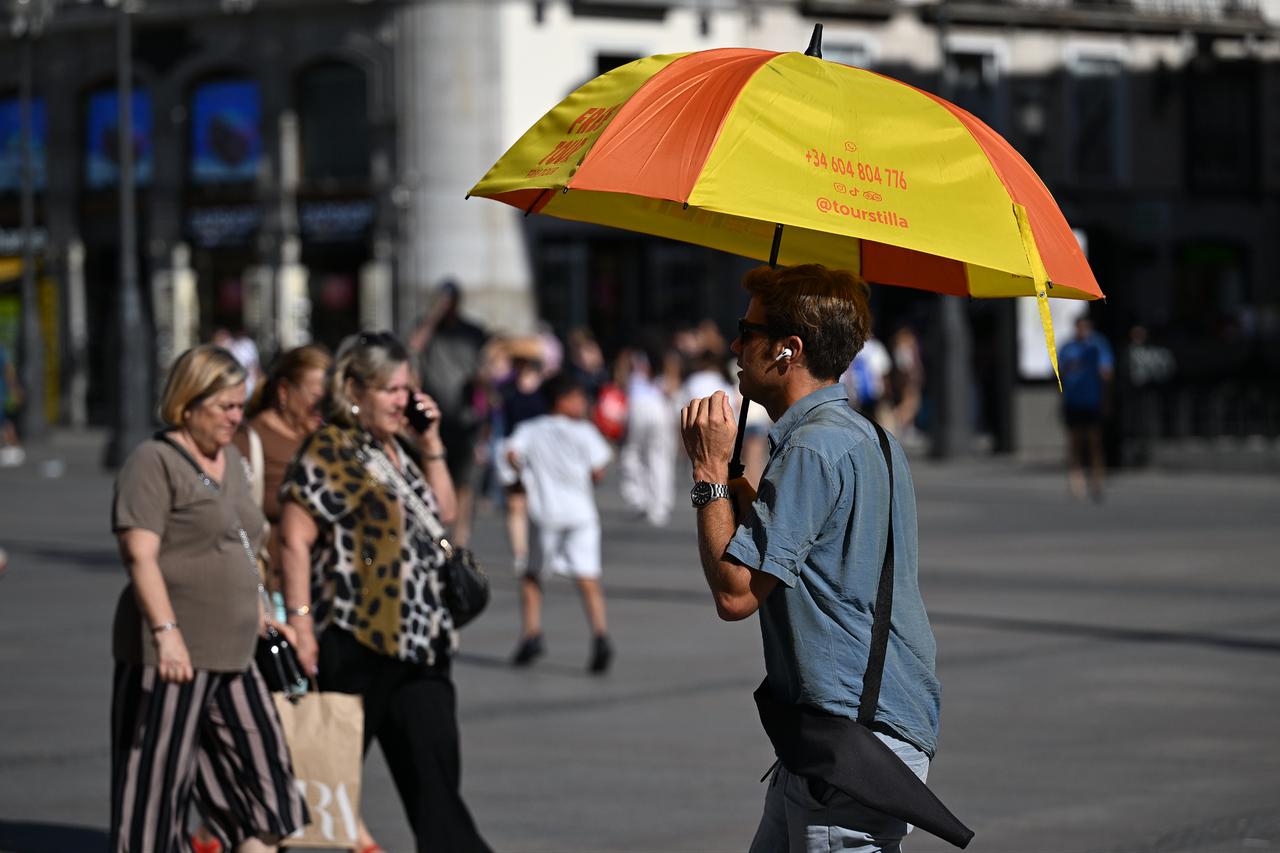
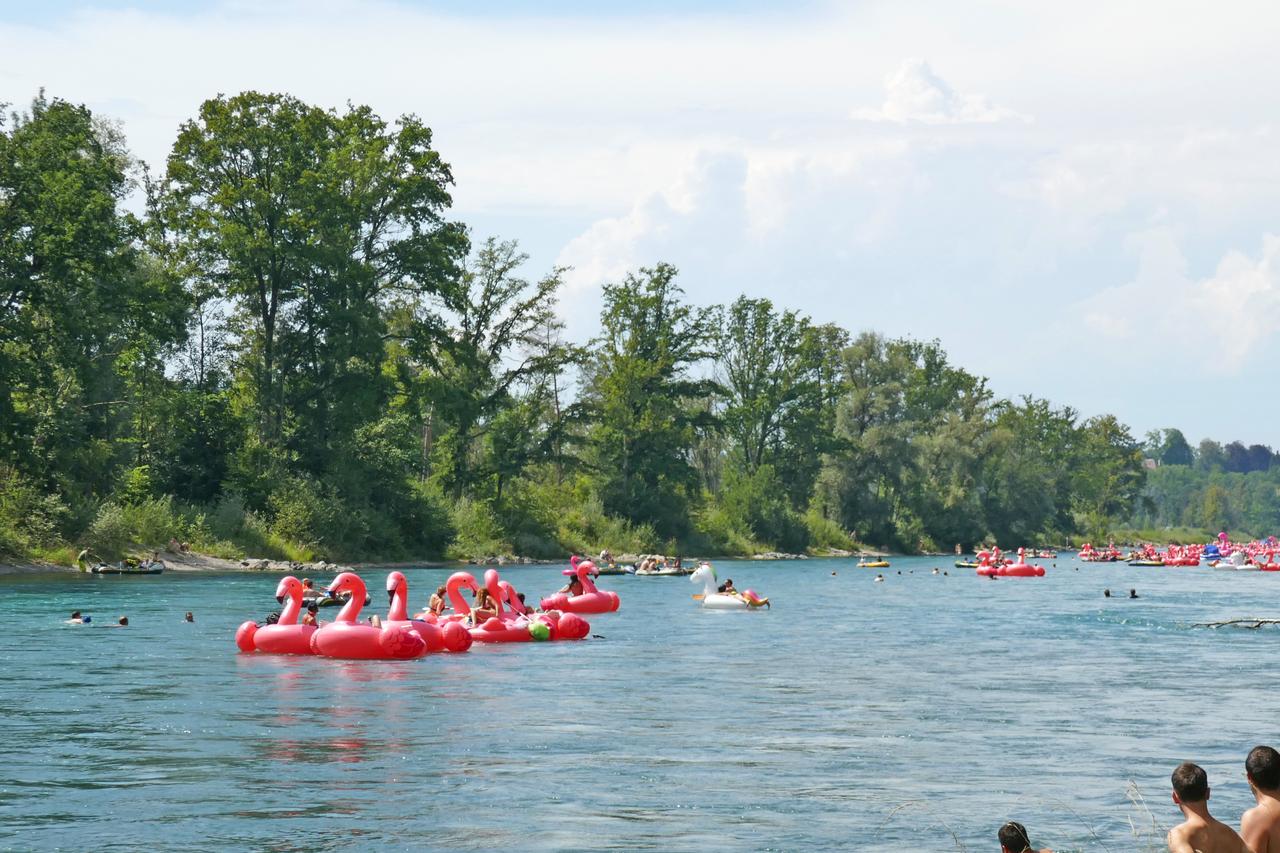
The country's hottest summer on record offered a glimpse of such conditions. Basel recorded 58 days above 30°C, compared with 41 in 2003; Bern had 46 compared with 29, while Zurich had 38 compared with 27. The scenarios published by MeteoSwiss and ETH Zurich last November projected about 30 days with temperatures above 30°C for the Zurich area in a typical summer under a 3°C warming scenario.
Researchers revised their projections by accounting for natural climate variability and satellite measurements of Earth's energy imbalance, the difference between incoming solar energy and heat radiated back into space. The study also estimates that the remaining global carbon budget, meaning the total amount of greenhouse gases that can still be emitted while keeping warming within a given limit, is around one-fifth smaller than previous models suggested.
"Our results point to the need for faster mitigation for a given temperature target," Gyuleva said.
Researchers stressed that the higher warming scenario is not inevitable, saying that severe emissions reductions could substantially limit future warming.


 Set as preferred source
 Set as preferred source


 1 min read

 1 min read


